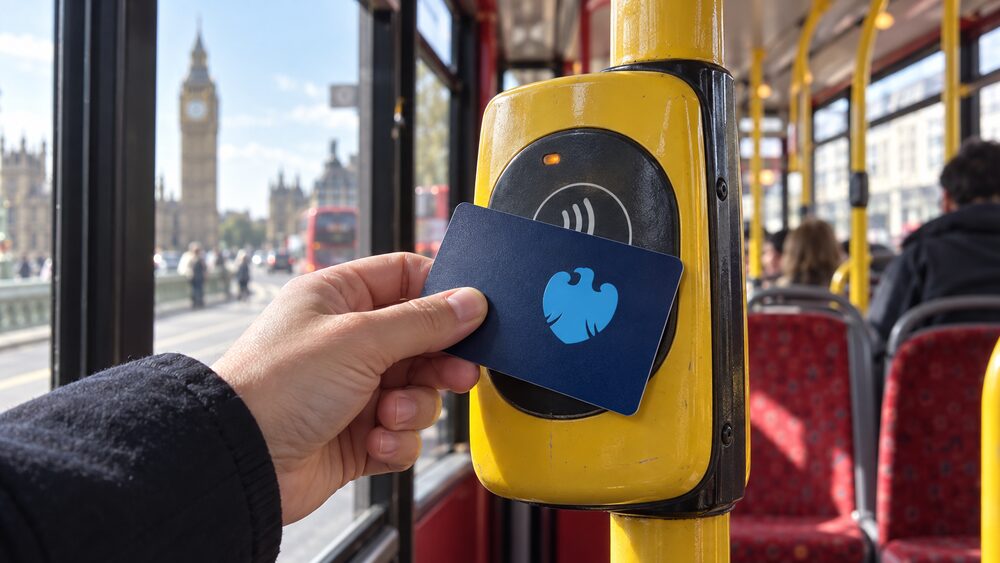
The Barclaycard Rewards card is a cashback credit card from Barclays. It pays cashback on eligible purchases, charges no fees on purchases made abroad, and comes with a free additional cardholder. Cashback is credited to your statement on a yearly basis or at your request, and you will not earn it on balance transfers, money transfers, cash withdrawals, buying currency or cash-like transactions, or on gaming-related spending such as gambling, betting and lottery tickets1.
If you are 18 or over you can use Barclaycard's eligibility checker before applying, and the provider states this will not affect your credit rating1. The card is one of several reward cards in the Barclays range, alongside the Amazon Barclaycard and the Barclaycard Avios cards, which earn different kinds of rewards2.
This page covers what the card offers, how the cashback works and where it stops, what it costs to use at home and abroad, who can apply, how to apply, and how to manage the card once you have it. It does not give rates or fees, because those change: the provider's own site carries today's figures.
What the Barclaycard Rewards card offers
A reward credit card is a card that gives something back when you use it, such as cashback, air miles or points you can exchange for shopping vouchers and discounts3. The Barclaycard Rewards card sits in the cashback part of that market: it pays a percentage of what you spend back to you, usually as credit on your card balance3.
The card's headline features are straightforward. It pays cashback on new, eligible purchases made with the card4. It charges no fees on purchases abroad1. It comes with a free additional cardholder, terms apply1. And it carries protection on purchases over £100, so if there is a problem you could be covered for a refund, with conditions applying1.
That last point matters more than it might look. Protection on purchases over £100 is the card's version of Section 75, the rule that makes a card issuer jointly liable with a retailer when something goes wrong with an eligible purchase. It is a feature of credit cards generally rather than something unique to this card, and it is one of the practical differences between paying by credit card and paying by debit card.
Barclaycard itself is a Which? Recommended Provider in the 2026 survey, an independent assessment of how the brand performs for customers1. That is a service judgement, not a statement about this particular card's terms.
The card is issued by Barclays, whose brand page sets out the wider range of accounts and services it offers2. If you want to see how this card sits alongside other reward and cashback cards, the rewards and cashback credit cards guide covers the category as a whole.
How cashback is earned and paid
Cashback credit cards work by paying back a percentage of what you spend on the card, usually as credit on your card balance3. The Barclaycard Rewards card follows that model: you earn cashback on new, eligible purchases made with the card4, and the amount is credited to your statement on a yearly basis or at your request1.
The timing of cashback payments varies across the market. Some cards pay into your bank account or reward you as credit either monthly or annually, depending on the type of card you have5. Some pay back to the credit card so it shows on your statement each month6. The Barclaycard Rewards card sits in the annual or on-request group, which means you may wait up to a year for the cashback to appear unless you ask for it sooner1.
There is a separate scheme called Barclays Cashback Rewards that works differently and is easy to confuse with this card. That scheme gives cashback when you spend at participating retailers with a linked Barclays Visa debit or credit card, and the cashback is usually credited to your chosen card within five working days7. It is provided by Visa through its supplier Reward8. It is not the same as the cashback on the Barclaycard Rewards card, and the two have different rules, different exclusions and different payment timings.
If you hold a Barclays Cashback Rewards account, there are rules about what happens to the balance. Cashback redeemed to a Barclaycard will not count towards the minimum payment, cashback redeemed to an overdrawn debit account pays down the overdrawn amount, and cashback redeemed by customers supported by Barclays Financial Assist may pay towards money owed7. If you leave Blue Rewards or Premier Banking without a linked Barclaycard, you get 40 days to redeem the balance, after which any remaining cashback is lost7. Earned cashback is rounded down to the nearest penny9.
Where cashback does not apply
The exclusions on the Barclaycard Rewards card are specific and worth reading before you assume a purchase will earn. You will not earn cashback on balance transfers, money transfers, cash withdrawals, buying currency, or any cash-like transactions you make such as money orders or wire transfers. It also does not include gaming-related transactions such as gambling, betting and buying lottery tickets1.
That list covers most of the ways a card can be used to move money rather than buy something. The logic is common across the market: cashback is a reward for spending with a retailer, not for using the card as a payment rail. Other providers draw the line in similar places. HSBC, for example, does not award points on ATM cash withdrawals, cash advances or cash related payments, balance transfer transactions, tax payment transactions, or fees and charges incurred through using the card10. Chase's cashback offer applies only to eligible card purchases, not to Direct Debit payments or bank transfers11. Lloyds and Halifax both restrict cashback to card purchases made by the cardholder or an additional cardholder, with nothing else added to the account qualifying12.
There is a second layer of exclusions if you are thinking about the Barclays Cashback Rewards scheme rather than the card. That scheme is not available for Barclaycard Business, Amazon Barclaycard, Barclaycard Avios or Avios Plus7. Its terms also exclude Visa business or Visa corporate debit or credit cards, Visa pre-paid cards, the Amazon Barclaycard, and any Visa card that is not eligible or not registered to a UK billing address9. Available cashback in that scheme has no monetary value until it has been redeemed, and it is for your sole use: it cannot be transferred to another person or redeemed on your behalf by the card issuer9.
Spending and cash abroad with Barclaycard Rewards
The Barclaycard Rewards card charges no fees on purchases abroad1. That is the card's main travel feature, and it is the reason some people look at it alongside travel-focused cards.
Using the card abroad is otherwise straightforward. You can use it wherever the Visa or Mastercard symbol is displayed14. You do not need to tell Barclays when you are travelling15. The provider checks all transactions to make sure the account is protected from fraud15, and you can restrict card payments made when abroad through the app if you want to limit what can be spent while you are away16.
Cash withdrawals are a different matter from purchases. Withdrawing cash on a credit card normally triggers interest from the date of the transaction, along with likely fees such as cash transaction and cash machine fees17. That is a market-wide rule rather than something specific to this card, and it is one reason cash withdrawals are excluded from cashback1. If you need cash abroad, a debit card is usually the cheaper route: Barclays debit card customers can make purchases and withdraw money from cash machines abroad18, and personal current account customers can buy currency in the app to spend on the debit card, which helps avoid unexpected charges13.
Independent guidance on spending abroad is consistent about the basics. Prepaid cards can be used abroad like a debit card19, and the general advice is to think about which card you use for which transaction rather than assuming one card covers everything18. The using a credit card abroad guide covers the wider picture, including how exchange rates and foreign transaction fees work across the market.
Interest, repayments and fees: how the charges work
The Barclaycard Rewards card is a credit card, so the usual credit card costs apply. Interest is charged on balances you do not clear, and the rate you pay depends on your circumstances and is set out in your agreement. The provider's site carries today's figures, and this page does not repeat them because they change.
Some cards charge a fee each year for use of the card. The fee is added to the amount due and you will have to pay it20. Reward cards in particular may have high interest rates and some charge an annual fee21. Across the market, reward cards often come with an annual fee and high interest rates22, and there is often an annual fee for these cards23. Where a fee exists, it is typically charged at the start of the membership year and every anniversary after that date, and it is included in the amount due24.
The practical point is that a cashback card only makes sense if you clear the balance. If you carry a balance, the interest you pay can outweigh the cashback you earn, and the higher rates that often come with reward cards make that gap wider21. The how credit card interest is charged guide explains how daily interest and statement periods work, and the credit card fees and charges guide covers the other charges that can appear on a card account.
Minimum payments are the other figure to understand. Paying only the minimum keeps the account in order but stretches the debt out and increases the total interest paid. The minimum payments guide sets out how minimum payments are calculated and what paying more does to the total.
Who can apply for Barclaycard Rewards
The basic eligibility rule is age: if you are 18 or over, you can use the eligibility checker1. Beyond that, the card is aimed at UK residents, and there is a specific rule for some applicants.
If you live in the Channel Islands or the Isle of Man, you must have a Barclays current account that has been open for at least 2 months when you apply. That account must be your main account, meaning the account your income is paid into and the one you use for most of your spending. It can be a sole or joint current account1.
Barclaycard does not publish a blanket rule on whether you can hold the Rewards card alongside another Barclaycard. Some Barclaycard offers are restricted to customers who do not already hold one of its cards: the Barclaycard Platinum offer, for example, is only available if it is your first credit card with the provider, and the provider reserves the right to withdraw it at any time23. Whether a similar restriction applies to the Rewards card depends on the offer in force when you apply, so the eligibility checker is the place to start.
If you already hold a Barclays product, some of the provider's other accounts and schemes have their own eligibility rules. Blue Rewards is available with selected current accounts and is UK only25, and you join it by adding it to your Barclays Bank Account using the app26. Barclays Cashback Rewards requires a personal Visa card that is eligible to be registered, registered to a UK billing address, and registration completed through the Barclays app9. Those rules apply to the cashback scheme, not to the Rewards card itself, but they matter if you are trying to work out which rewards you can hold at once.
If your circumstances make a standard card difficult to get, a credit-builder card is a different route. The credit-builder credit cards guide explains how those cards work and what they cost.
Applying: eligibility check, approval and your first card
The application process starts with an eligibility check. Barclaycard's checker tells you whether your application could be accepted, and the provider states this will not affect your credit rating1. The same approach is used across the market: an eligibility check shows how likely you are to be accepted, based on your credit information and the lender's criteria3, and checking before you apply means you can see whether you could be successful without impacting your credit score4.
A full application is different. Typically, you will not know if you will be accepted for a credit card until you apply for it, and that leaves a record on your credit report that can affect your credit score3. That is why the order matters: check first, apply once.
Once you have applied and been accepted, the card arrives by post and you activate it. If a card has not arrived, Barclays publishes separate phone numbers for personal and business customers so you can chase it11. The applying for a credit card guide covers the documents and checks involved in more detail, and the how credit cards affect your credit file guide explains what appears on your report and for how long.
If you are switching from another card rather than applying fresh, the balance transfer credit cards guide explains how moving a balance works and what it costs. Note that balance transfers do not earn cashback on this card1, so a transfer and a cashback purchase are two different things even when they happen on the same account.
Managing the card, disputes and fraud protection
Day to day, the card is managed through the Barclays or Barclaycard app. The app lets you report your card as lost or stolen, or put its use on pause with a temporary freeze if you have just misplaced it16. You can restrict card payments made when abroad16, and the wider card management tools let you block certain retailer categories such as gambling or premium-rate websites and phone lines, and control how much you can withdraw each day from cash machines, Post Office counters and shop checkouts, or switch those withdrawals off entirely13.
On fraud, the position is the same as for other Barclays cards. Customers get back any money stolen if they are a victim of fraud through no fault of their own12, and the provider checks all transactions to make sure the account is protected from fraud15.
On purchases, the card carries protection on purchases over £100, so if there is a problem you could be covered for a refund, with conditions applying1. The Section 75 and chargeback guides explain both routes, and the Section 75 or chargeback comparison sets out which to use when.
If something goes wrong with the card itself, the first step is to contact Barclays through its contact us page. For missing cashback or a missing redemption, log in to the Barclays or Barclaycard app, open your Barclays Cashback Rewards account and use the report options there7. If the complaint is not resolved, the Financial Ombudsman Service can look at it. Credit card complaints are a significant part of the ombudsman's caseload: 22,783 credit card complaints were opened in 2025/2627, and 62 business credit card complaints were opened in the first quarter of 2026/2728. The complaining about a credit card provider guide sets out the process and the deadlines.
If you are dealing with financial abuse, Barclays has a specialist domestic and financial abuse team that can help with account security, changing how you receive statements and letters, removing an abuser as a named cardholder from your credit cards, and removing you from joint accounts or freezing them25. The additional cardholders and third party authority guide explains how additional cardholders work, and the help with credit card debt guide covers free debt advice.
Protection: what covers the card and where it stops
The card is issued by Barclays Bank UK PLC, which appears on the Financial Conduct Authority register under firm reference number 75967626. The same firm is on the Bank of England's list of banks incorporated in the UK authorised to accept deposits, as of 1 September 202629. The company is active on the Companies House register under company number 09740322, incorporated on 19 August 201530.
That matters for deposits, not for credit card balances. Money held in a Barclays current or savings account is covered by the Financial Services Compensation Scheme up to the limit that applies at the time, and the limit is shared across the brands that operate under the same licence. A credit card balance is a debt you owe, not a deposit, so FSCS protection does not apply to it in the same way. What protects you on the card is different: Section 75 for eligible purchases over £1001, chargeback for eligible purchases under that threshold17, and the fraud rules that mean you get back money stolen through fraud through no fault of your own12.
The FCA register entry also lists the trading names that sit under the same firm, including Barclays, Barclaycard, Barclays Premier Banking, Barclays Business Banking, Barclays Smart Investor, Barclays Wealth Management, Tesco Bank, Barclays UK and Europe26. Previous names include Woolwich, The Woolwich, Pingit and Barclays UK and Europe PLC26. If you are checking whether a brand is covered by the same licence, that register entry is the place to look.
Sources30 cited
- Barclaycard Rewards Barclays, 2026
- Credit cards Barclays, 2026
- Rewards credit cards Experian, 2026
- Credit building credit cards Barclays, 2026
- What is cashback? HSBC, 2026
- Credit card terms explained Santander, 2026
- Barclays Cashback Rewards Barclays, 2026
- The Amazon Barclaycard Barclays, 2026
- Barclays Cashback Rewards cardholder terms, October 2025 Barclays, 2025
- Card management Barclays, 2026
- When your new card arrives Barclays, 2026
- How to get your money back after a scam Which?, 2026
- Debit cards Barclays, 2026
- Use my card abroad Barclays, 2026
- Connect abroad Barclays, 2026
- Mobile banking app features Barclays, 2026
- What are interest rates? Lloyds Bank, 2026
- Spending abroad: the dos and don'ts Which?, 2026
- What are virtual debit cards and should you use one? Which?, 2026
- Choosing and applying for a credit card Citizens Advice, 2026
- Credit cards and fair credit Experian, 2026
- How to get your money back after a scam Which?, 2026
- Barclaycard Platinum balance transfer Barclays, 2026
- How do I get money back that I've sent to the wrong account? Which?, 2026
- Separating your finances Surviving Economic Abuse, 2023
- Barclays Bank UK PLC register entry Financial Conduct Authority, 2026
- Annual complaints data and insight 2025/26 Financial Ombudsman Service, 2025
- Quarterly complaints data Q1 2026/27 Financial Ombudsman Service, 2026
- Banks incorporated in the UK authorised to accept deposits Bank of England, 2026
- Barclays Bank UK PLC company filing Companies House, 2026






 MoneyHelperFree, impartial money and pensions guidance, set up by government
 StepChangeFree debt advice and solutions from a charity
 National DebtlineFree debt advice by phone, webchat and online
 Financial Ombudsman ServiceFree, independent help when a complaint about a firm is not put right
 Citizens AdviceFree advice on money, consumer and legal problems in England and Wales