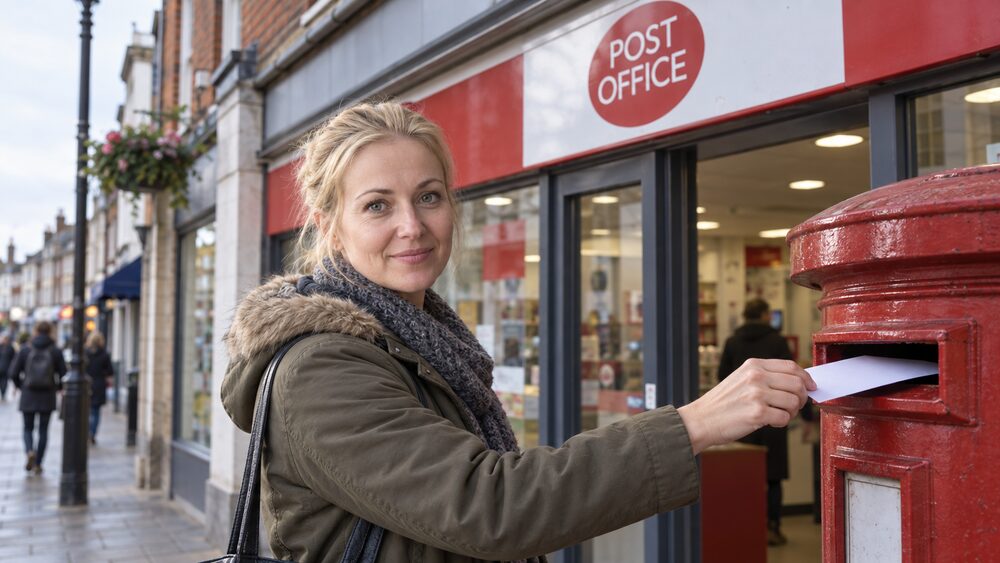
A Post Office credit card is a credit card issued under the Post Office brand. Like any credit card, it can be used to buy goods anywhere, including over the phone, online or by post1. The Post Office offers more than one card, including a credit builder card aimed at people with a limited credit history, and the provider's own site carries today's rates, fees and terms.
What most people want to know before applying is what it costs to run, whether it is worth packing for a holiday, and whether they will be accepted. The answers follow the same rules as any other UK credit card: charges for going over your limit, using the card abroad and paying late sit in the credit agreement2, and the protection that comes with paying by credit card applies to qualifying purchases3.
This page explains how the card works, how its fees and charges are structured, who can apply and how, what protects your money, and where to go if something goes wrong. It does not quote the card's current rates, because those change and the provider's site has the live figures.
What it is and who it is for
A credit card is a borrowing product. You spend on it, and you repay. The Post Office name sits on a range of money products, from savings to travel money to insurance, and the credit card is one of them. The card itself works like any other: it can be used to buy goods anywhere, including over the phone, online or by post1.
The Post Office offers a credit builder card alongside its standard card. A credit builder card is designed for people who may not qualify for a standard card, often because they have a thin or damaged credit history. The provider's own site has today's terms, including which card is which.
It is worth separating the Post Office credit card from the Post Office card account, because the names are close and the products are not. A Post Office card account is free, and you can open one if your income is from benefits or a state pension6. It is not a credit card and does not let you borrow. If you are looking for somewhere to receive benefit payments, that is the product you want; if you are looking to borrow and repay over time, it is the credit card.
Who the card tends to suit depends on what you need it for. Someone rebuilding a credit history may look at a credit builder card. Someone who wants a card for everyday spending and occasional travel may look at the standard card. Someone who wants rewards or cashback has a different set of options, covered in rewards and cashback credit cards.
How it works
A credit card gives you a revolving credit limit. You spend up to that limit, receive a statement, and pay at least the minimum by the due date. Interest applies to what you carry over, and the way interest is calculated is set out in how credit card interest is charged.
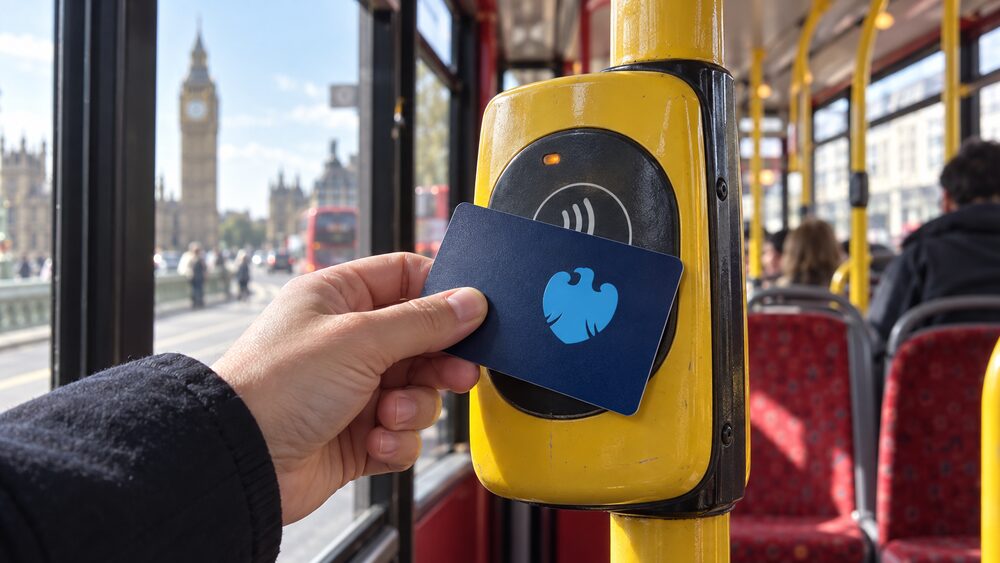
The Post Office card follows this model. You can use it in shops, online, over the phone and by post1. You can also use it abroad, subject to the terms in your agreement. If you take it overseas, the practical questions are what the card charges for foreign use and whether you pay in pounds or the local currency at the till; both are covered in using a credit card abroad and paying abroad: pounds or local currency.
If you have a joint credit card, the main card holder is the person who contacts the card provider about a problem with a purchase2. That matters for Section 75 claims in particular, where the claim has to come from the right person.
How the fees and charges work
The charges on a credit card fall into a few predictable groups. You will usually be charged for going over your credit limit, for using the card abroad and for late payments2. Those are the three that catch most people, and all three are set out in the credit agreement you sign when you take the card.
The Post Office card is no different in structure. The provider's site has today's figures for each charge, and the credit agreement is the document that governs your account. Because the site carries no rates, this page does not quote them.
Beyond the standard three, there are other charges that can apply depending on what you do with the card:
- Cash withdrawals. Taking cash out on a credit card is treated differently from a purchase and normally attracts its own charge. See withdrawing cash on a credit card.
- Balance transfers. Moving an existing balance onto a card usually carries a fee. See balance transfer fees.
Who can apply and how to apply
You can apply for a credit card online, by post, by phone, or at a bank or building society2. The Post Office card is applied for through the provider, and the provider assesses your circumstances and credit history before deciding.
There is no single eligibility rule that guarantees acceptance. Lenders look at your income, your existing borrowing, your repayment history and your credit file. A credit builder card is aimed at people who may not meet the bar for a standard card, but the provider still runs its own checks. If you want to understand what lenders look at, see applying for a credit card and how credit cards affect your credit file.
A few practical points before you apply:
- Check your credit file first, so you know what a lender will see.
- Decide what the card is for: everyday spending, rebuilding a history, or travel.
- Read the summary box and the credit agreement, not just the headline offer.
- If you already hold a Post Office product, the provider may already hold some of your details, but it will still assess the application.
How your money is protected
The main protection that comes with a credit card is Section 75 of the Consumer Credit Act 1974. Under Section 75, the credit card company is jointly and severally liable for any breach of contract or misrepresentation by the company3. In plain terms, if something goes wrong with a qualifying purchase, you can pursue the card provider as well as the retailer.
Section 75 covers purchases made by a credit card, a point-of-sale loan arranged by the retailer, or other finance7. It extends to point-of-sale loans, as well as some store cards and catalogue accounts, regardless of whether you pay in person, online, by phone or mail order8. It applies to purchases from overseas retailers as well as UK ones9, and it covers package holidays booked by credit card10.
The protection is not unlimited. It applies to qualifying purchases, and there are thresholds and exclusions.
"Under Section 75, the credit card company is jointly and severally liable for any breach of contract or misrepresentation by the company."
Away from purchases, the protection picture is different. Your money is not protected unless you pay by credit card or Direct Debit11. That is the rule that matters most when someone asks you to pay by bank transfer: paying by credit card, where the purchase qualifies, keeps Section 75 in play, and paying by bank transfer generally does not.
If you are travelling, booking with a credit card gives some protection if your travel firm goes bust12. If a hotel goes out of business and you paid by credit card, your purchase should be legally protected under Section 7513. Travel insurance is a separate product and does not replace Section 75; the two do different jobs.
Using the card abroad
A credit card is a normal travel companion, but the charges matter. Using the card abroad usually attracts a charge, and that charge is set out in your credit agreement2. The provider's site has today's figures.
Two decisions shape what a trip costs on the card. The first is whether the card charges for foreign transactions at all. The second is what you choose at the till when a machine offers to charge you in pounds rather than the local currency. That choice is explained in paying abroad: pounds or local currency.
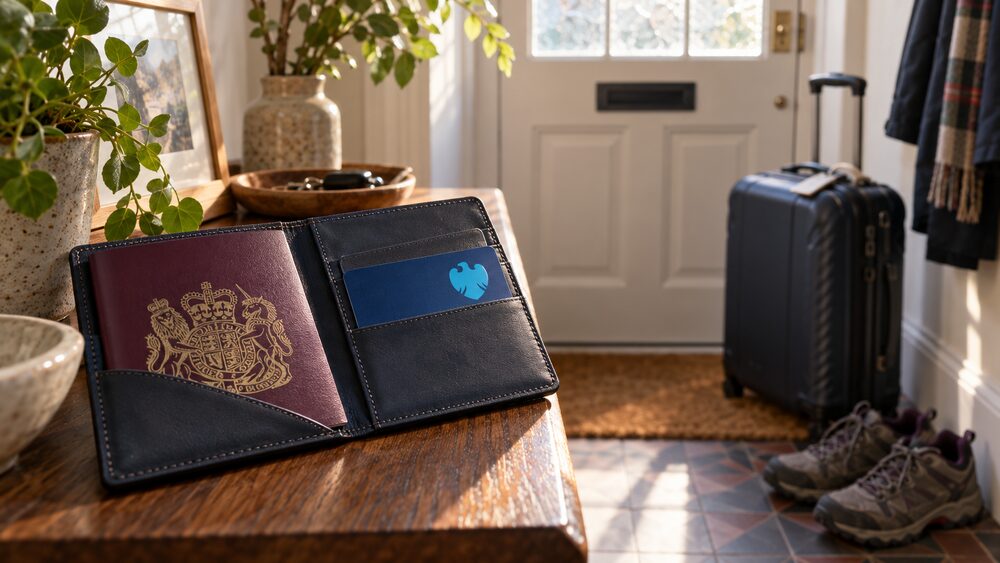
Keeping the card safe matters more overseas, because a lost card in a foreign country is harder to replace quickly. Keep your card secure and in sight, along with all your other travel documents, especially when out and about14. If you are using a cash machine abroad, cover the keypad with your free hand whenever you use your card to avoid your PIN being seen or captured by a hidden camera15.
Problems, complaints and getting help
If something goes wrong with a purchase, the first step depends on what happened. For a Section 75 claim, you send a letter to the credit card provider giving your address, the company address, complaint details and card number, the purchase date, item and retailer, the fault, the sum sought, and the Section 75 legal basis16. There is a step-by-step route in how to make a Section 75 claim.
If the problem is with the card itself, or with the provider's service, complain to the provider first. If you are unhappy with the credit card provider's response, then you can complain to the Financial Ombudsman Service17. The ombudsman is free and covers problems with a bank, insurance company, pension, credit card or loan5. It also handles complaints about bank accounts and bank cards, insurance for your home, car or travel, and problems with loans18.
Credit card complaints are common. Credit cards were the third most complained about product in 2025/26, with around 22,800 complaints19. In the first quarter of 2026/27, the ombudsman opened 5,783 complaints about credit cards, 62 about business credit cards, 757 about debit cards, 129 about store card accounts and 19 about pre-paid cards20. The most complained about issues in 2024/25 were irresponsible or unaffordable lending, administration or customer service, and complaints about Section 7521.
If you are struggling to pay, speak to the provider before you miss a payment. You can ask for a payment holiday, and the provider decides based on your situation, possibly asking for evidence of financial difficulty and completing an affordability test4. If you are making minimum payments to your credit card, store card or catalogue account, you may receive a persistent debt letter, and there is help available22. Free, impartial help is available from MoneyHelper and from debt advice charities, and the options are set out in help with credit card debt.
Sources23 cited
- Plastic cards Citizens Advice, 2026-09-25
- Choosing and applying for a credit card Citizens Advice, 2026-09-25
- Advance loan fee fraud and scams Which?, 2026-09-27
- Credit card payment holidays StepChange, 2026-09-25
- Who we can help: consumers Financial Ombudsman Service, 2026-09-28
- Bank accounts after bankruptcy StepChange, 2026-09-25
- Consumer Credit Act 1974 legislation.gov.uk, 1974-07-31
- Are credit cards still the safest way to pay Which?, 2025-12-04
- I want to return something bought online Which?, 2026-03-10
- I have to cancel my package holiday: what are my rights Which?, 2026-03-10
- Types of scam MoneyHelper, 2026-09-25
- Passenger consumer rights when travelling to the EU GOV.UK, 2020-12-31
- Why travel insurance goes wrong and what you can do about it Which?, 2025-06-06
- Travel money ABTA, 2026
- Cash machine fraud Take Five, 2026-09-26
- Letter to report a problem with something bought on credit card Which?, 2025-06-18
- Other problems Isle of Anglesey County Council, 2025-03
- Consumer leaflet Financial Ombudsman Service, 2026-09-26
- Annual complaints data and insight 2025/26 Financial Ombudsman Service, 2025
- Quarterly complaints data Q1 2026/27 Financial Ombudsman Service, 2026
- Annual complaints data and insight 2024/25 Financial Ombudsman Service, 2024
- Persistent debt repayment StepChange, 2026-09-25
- Access to cash: frequently asked questions Payment Systems Regulator, 2026-09-26








 MoneyHelperFree, impartial money and pensions guidance, set up by government
 StepChangeFree debt advice and solutions from a charity
 National DebtlineFree debt advice by phone, webchat and online
 Financial Ombudsman ServiceFree, independent help when a complaint about a firm is not put right
 Citizens AdviceFree advice on money, consumer and legal problems in England and Wales