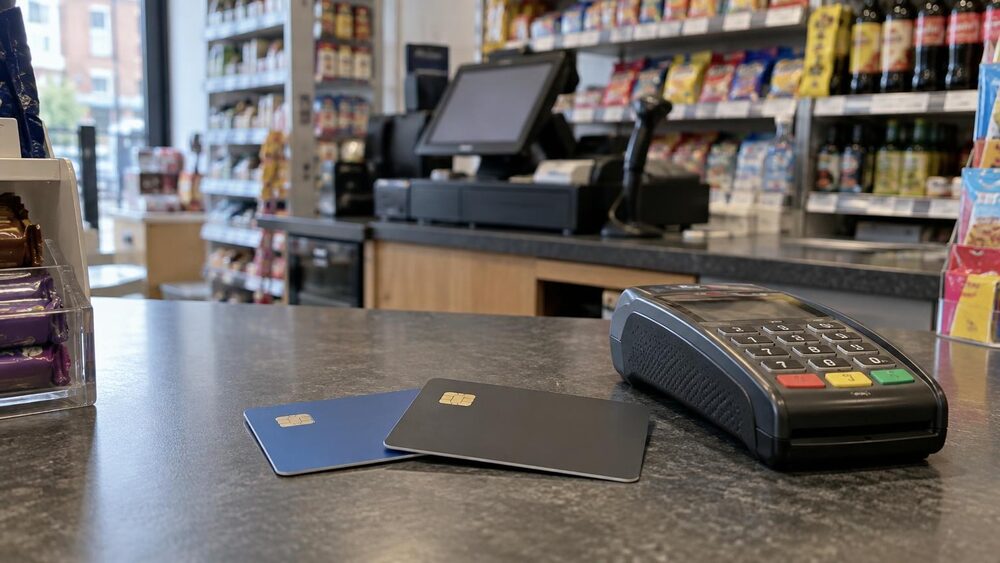
A cashback credit card pays you back a small percentage of what you spend on it, either as money into your bank account or as a reduction on your card bill. Typical UK cashback rates range from 0.25% to 1%, so £1,000 of spending earns between £2.50 and £101. Some cards pay more for an introductory period, and some pay points or air miles instead of cash, which you then convert into flights, vouchers or retailer discounts.
The reward is real but small, and it can be wiped out entirely by an annual fee, a foreign transaction charge or, above all, by interest on a balance you do not repay in full. Roughly half of outstanding credit card balances incur interest: 49.9% in figures reported in July 20233, and 54.3% in an earlier industry survey covering the first quarter of 20204. For anyone in that position, the interest charged will almost always exceed the cashback earned, and a rewards card is the wrong tool for borrowing.
How a cashback credit card pays you back
A cashback credit card is a type of reward card: every time you make a qualifying purchase, the card provider sets aside a percentage of the amount as a reward1. At the end of the payment period, the provider adds up what you have earned and pays it to you. Some lenders pay cashback directly into your bank account either monthly, quarterly or annually, while others take it off your credit card bill instead1.
The mechanics are simple from your side. You use the card for everyday spending, the provider calculates the reward as a percentage of what you spend, and the money arrives automatically. Nationwide, for example, has paid cashback on supermarket spending automatically into the account used for purchases, within six weeks of the end of the calendar month in which the cashback was accrued5. Not every card works on that timetable, so the terms will tell you when to expect the money.
Two things decide whether the reward is worth having: what counts as a qualifying purchase, and what the card costs to hold and use. Cashback is normally earned on card purchases only. Transactions treated as cash, such as withdrawing money at a machine or getting cashback at a till, are charged differently and earn nothing, and they are charged interest at a higher cash transaction rate6. The page on withdrawing cash on a credit card explains how those transactions are treated.
Cashback, points, air miles and retail rewards: the main types
Reward cards come in several forms, and the FCA's market study grouped them alongside 0% balance transfer cards, "low and grow" credit builder cards and standard interest rate cards as one of the four main categories in the UK market9. The choice is between money, points, air miles and retailer rewards.
Cashback cards pay a percentage of your spending back as money. The reward is easy to value: 0.25% is 25p per £100 spent, 1% is £1 per £100. Examples from the UK market include the Halifax and Lloyds cashback cards, which pay 0.25% on every £1 spent up to £4,000 and 0.5% above that10, and the New Day Pulse card, which pays 0.25% cashback10.
Points cards pay points per pound, which you then convert. The American Express Rewards Credit Card, for example, earns Membership Rewards points, and its welcome offer gives 10,000 points when you spend £2,000 in the first three months11. Points are only worth what you can exchange them for, so their value depends on the redemption options.
Air miles cards pay airline points, such as Avios on the Barclaycard Avios cards or Virgin Atlantic points on the Virgin Atlantic Reward Credit Card, which offers 3,000 welcome bonus points with your first card purchase made within 90 days of taking out the card11. The American Express Preferred Rewards Gold Credit Card offers 20,000 bonus Membership Rewards points when you spend £3,000 in the first three months11. Air miles suit people who fly regularly and can use the points before they expire; for everyone else, cash is simpler.
Retailer rewards come as vouchers or discounts with a specific shop, and some cards mix categories. Santander's Edge current account, for instance, pays 1% cashback capped at £10 a month on debit card spending on essential grocery shopping and transport12. Klarna's membership Plus tier pays 0.5% cashback when you pay in full with a Klarna balance13. The comparison page on cashback vs points reward cards sets out the trade-offs in more detail.
Flat, tiered or category rates: how cashback is worked out
There are several ways lenders set the cashback rate1, and the structure matters as much as the headline number.
- Flat rate: the same percentage on everything, for example 1% cashback on all purchases1.
- Tiered rate: the rate rises with how much you spend, for example 0.5% cashback if you spend up to £6,000 in a year and 1% if you spend more1. The Halifax and Lloyds cashback cards work this way, paying 0.25% up to £4,000 of spending and 0.5% above that10.
- Category or purchase-specific rates: different rates depending on where or what you spend, such as a higher rate at supermarkets.
- Introductory rate: a higher rate for the first several months, then a lower ongoing rate, possibly with a limit on how much you can earn at the higher rate1.
Tiered rates reward heavy spenders and give light spenders very little. A card paying 0.25% up to £4,000 gives someone spending £3,000 a year just £7.50. Category rates reward you only if your spending matches the categories: Nationwide's supermarket cashback offer was capped at £10 per calendar month per card, which you would earn after spending £2005. Before choosing a structure, it is worth estimating your actual annual card spending, because the headline rate and the rate you personally receive can be very different.
What cashback usually pays: 0.25% to 1% in the UK
UK cashback rates typically range from 0.25% to 1%2. That is the honest starting point: on £10,000 of annual spending, the typical range is £25 to £100 a year. The American Express Everyday Cashback card has paid 5% for the first five months, up to £125, then 0.5%14, and the American Express Platinum Everyday card pays 5% for the first three months capped at £100, then 0.5% on spending up to £10,000 and 1% above that10. The Barclaycard Rewards card offers 0.25% cashback15.
Rates are noticeably higher in some other markets: the FCA's review of credit card literature noted that a 3 to 5 percent cash-back bonus is common on purchases in the United States16. UK rates are lower, so the sums earned here are modest, and an annual fee can consume them entirely.
Cashback is not confined to credit cards. Current accounts, debit cards and even Klarna memberships now pay it13, and the same idea appears in mortgages: some lenders offer as much as £1,000 in cashback, though you usually end up paying for the incentive through the deal17, and cashback for first-time buyers and home movers can reach £2,00018. NatWest has offered business credit card customers between 1% and 3% cashback on electric vehicle charging5. These examples show the range across the market, not a recommendation of any one product.
Introductory rates, welcome offers and caps on what you earn
Many rewards cards lead with an introductory rate or a welcome offer. You may be able to get a higher cashback rate such as 5% for the first several months, after which the rate drops, possibly with a limit on the cashback earned at the higher rate1. The American Express Everyday Cashback card's 5% rate is capped at £125 in its first five months14; the Platinum Everyday's 5% is capped at £10010.
Welcome offers are one-off payments or points triggered by spending a set amount early on. The Halifax and Lloyds cashback cards have offered £20 cashback when you spend £1,000 within the first 90 days of opening the account10. Points cards work the same way: 10,000 Membership Rewards points for £2,000 in three months on one American Express card11, 20,000 bonus points for £3,000 in three months on another11, and 3,000 welcome points on the Virgin Atlantic Reward card11.
Ongoing caps limit the total. The New Day Pulse Cashback card caps the maximum cashback you can earn at £150 a year10. Monthly caps appear on category offers, such as the £10 a month cap on Santander Edge grocery and transport cashback12 and the £10 a month cap on Nationwide's supermarket offer5.
A welcome offer can be worth more than a year of ongoing cashback, but only if the required spending is spending you would have done anyway. Spending £2,000 in three months to earn points you will not use is a loss, not a gain.
Annual fees and charges for spending abroad can cancel out cashback
It is not uncommon for cashback credit cards to charge an annual fee1. The fee is fixed; the cashback rises with your spending. On a card paying 0.5%, a £25 annual fee is only recovered once you have spent £5,000 in the year. Below that, the card costs more than it pays. The FCA's key features research lists the fees a card can carry: annual fees, balance transfer fees, default fees, fees for cash withdrawals and foreign transaction fees19. Every one of those can eat the reward.
Spending abroad is the most common trap. Most credit cards add a foreign transaction fee of around 3% on non-sterling purchases and cash withdrawals2, and you will typically pay up to 2.99% each time you use a credit card abroad15. A card paying 0.25% cashback while charging a 2.99% foreign transaction fee loses you money on every overseas purchase. Spending just £5 with a card that charges fees could set you back £1.15, an additional 23%15. A few cards charge less: the PayPal credit card charges a 2.5% fee when used abroad14.
Cash withdrawals cost more still. You can expect to pay a fee of around 3%, with a minimum of £3, when you take money out of an ATM with a credit card15, and you will be charged interest on cash withdrawals straight away15. In Scotland as in the rest of the UK, withdrawing cash on your credit card abroad may mean a foreign transaction fee on top of the usual cash advance fee20. Paying for foreign currency itself counts as a cash advance, so it attracts the fee, a higher APR and no interest-free period even if the bill is repaid in full and on time2.
Carrying a balance: when interest outweighs the reward
The golden rule of rewards cards is that they only pay if you clear the balance in full every month. Interest charges on credit card debts are usually as high as 15%16, and revolving credit on a credit card charges higher interest than many other forms of borrowing21. Against a cashback rate of 0.25% to 1%, a 15% interest rate is between 15 and 60 times larger. One month of interest can wipe out a year of rewards.
The scale of the problem is visible in the market data. In July 2023, 49.9% of outstanding balances incurred interest3. An earlier industry figure put the proportion of card balances bearing interest at 54.3% in the first quarter of 20204. The FCA's thematic review on consumer credit found cases where minimum payments barely dented the debt: one customer who gave up work to care for her husband owed more than £10,000 on her credit card, paid more than £600 over five months but accrued more than £1,000 in interest and charges, and her overall debt increased by more than £60022. Store card balances are subject to a higher interest rate than credit card balances23, which is worth remembering if a retailer offers its own rewards card at the till.
More interest is added as the balance gets bigger24, and the interest rate for cash advances is usually higher than the rate for purchases25. If you already have a balance, moving the debt to a card with low or 0% interest could help you pay it off faster24, though there may be a charge for transferring a balance26. The guides to balance transfer credit cards and how credit card interest is charged cover those routes.
Cashback does not count towards your minimum payment
If you do not pay off the balance each month, you will be asked to repay a minimum amount, typically around 3% of the balance due or £5, whichever is higher27. Minimum payments are often between 1% and 3% of what you owe in total6. The minimum payment is usually charged as a percentage of your remaining debt, which means it reduces as your balance goes down3, stretching out the time it takes to clear what you owe.
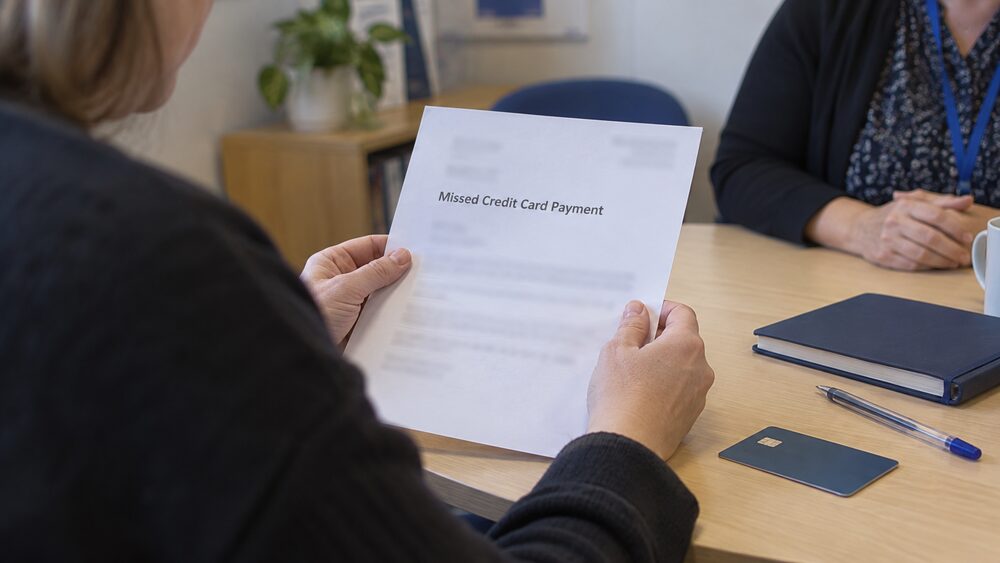
Cashback does not help here. Cashback taken off your credit card bill will not count towards your minimum monthly payment1. You still have to find the minimum payment from your own money, and if you miss it you will usually be charged a late payment fee27, and missing payments affects your credit rating, making it harder to get credit again in the future28. The pages on credit card minimum payments and missing a credit card payment explain the consequences in full.
Tax on cashback: the work expenses exception
For most people, cashback on personal spending is simply a discount from the card provider and is not treated as taxable income. The exception is cashback earned on reclaimed work expenses: you may have to pay tax on this cashback if it is considered to be a company benefit1. This can arise where you pay business costs on your personal card, reclaim them from your employer, and keep the cashback. If that describes your situation, check the treatment with HMRC or a tax adviser, and see the site's guide to personal tax.
Who can get a cashback card
Cashback cards sit at the choosier end of the market. Lenders may want you to have a monthly income over a certain amount, and you may struggle to get approved with a low credit score1. Low or 0% interest credit cards are hard to get if you do not have a good credit rating24, and rewards cards are typically no easier.
If your credit history is thin or poor, the realistic options are credit builder cards. The FCA describes "low and grow" cards aimed at subprime borrowers or those with little or no credit history19, and StepChange notes that credit builder cards are for people with a poor credit record or little credit history29. These rarely pay rewards: their purpose is to demonstrate repayment, not to earn cashback. The guide to credit-builder credit cards covers them.
Applying for any card leaves a mark on your credit file, so a refused application for a cashback card has a cost. The page on applying for a credit card explains eligibility checks, and how credit cards affect your credit file explains what lenders see.
Protection when you pay by card, and where it stops
Spending on a rewards credit card carries the same purchase protections as any other credit card. Under Section 75 of the Consumer Credit Act, the card provider is jointly liable with the seller for purchases over £100 and up to £30,000, so you can claim from the card company if goods do not arrive or a trader fails. For items under £100 paid by credit card, Section 75 does not apply, but chargeback may: chargeback applies to credit card transactions where goods cost less than £10030, and it exists for both credit and debit card purchases30.
Chargeback is not an automatic legal right. It depends on the supplier's terms and conditions, the scheme rules of Visa, Mastercard or Amex, applicable laws and regulations, and the approach taken by your card issuer30. Chargeback rights only cover the amount of your card transaction, so you cannot claim other losses or expenses that have arisen from the problem30. The comparison page on Section 75 or chargeback explains which to use and when.
If a card provider treats you unfairly, you can complain to it and then to the Financial Ombudsman Service. A company must help if you are struggling to pay back what you owe, which can include reducing or cancelling interest or fees33. The page on complaining about a credit card provider sets out the process.
Help if a balance is getting out of hand
If a rewards card has turned into a debt problem, free help exists. StepChange, a debt advice charity, explains the options for credit card debt and for paying it off24. Citizens Advice sets out the costs and charges of credit cards across England, Wales and Northern Ireland25 and in Scotland20. The Bank of England notes that certain types of borrowing, including revolving credit on your credit card, charge higher interest, and that help should be sought early21.
Missing payments or making reduced payments to a credit debt will affect your credit rating28, but negotiating reduced payments with lenders is a recognised route, and mental health and money advice services explain how to do it28. Support is also available for people whose finances are hit by illness: Macmillan notes that some cards offer 0% interest deals for a limited period, though there may be a charge for transferring a balance26. If you cannot afford higher repayments, the page on forbearance rights explains what your provider must do, and help with credit card debt lists the free, impartial sources of advice, including MoneyHelper and StepChange.
Sources33 cited
- Cashback credit cards explained Experian, 2026
- Should I get a credit card? Which?, 2026
- Credit card interest rates on the rise: 5 ways to cut the cost of your debt Which?, 2023
- Household Finance Review 2020 Q1 UK Finance, 2020
- Cost of living crisis: can you go to your bank for support? Which?, 2023
- Credit card debt StepChange, 2026
- Cashback credit card Halifax, 2026-09-27
- Rewards credit cards Experian, 2026
- Credit Card Market Study Annex 8 Financial Conduct Authority, 2015
- Amazon credit card closure: when will your card stop working? Which?, 2022
- Best air mile credit cards Which?, 2026
- Current account fee changes: what you need to know Which?, 2024
- Klarna launches debit card: how does it work? Which?, 2025
- PayPal launches debit and credit card with up to 1.5% cashback Which?, 2025
- Spending abroad: the 4 dos and 5 don'ts Which?, 2024
- Review of credit card literature Financial Conduct Authority, 2015
- Mortgage loyalty penalty: sticking with your current bank could cost you thousands Which?, 2024
- What's the catch with cashback mortgages? Which?, 2026
- Key features of the credit card market Financial Conduct Authority, 2015
- The costs and charges of credit cards, Scotland Citizens Advice Scotland, 2026
- What do I need to know about debt? Bank of England, 2025
- Thematic review of consumer credit, TR16/10 Financial Conduct Authority, 2016
- Jigsaw research: consumer credit, overdrafts and credit cards Financial Conduct Authority, 2014
- Paying off credit card debt StepChange, 2026
- The costs and charges of credit cards Citizens Advice, 2026
- Managing money when you have cancer Macmillan Cancer Support, 2022
- Choosing and applying for a credit card Citizens Advice, 2026
- Negotiating reduced payments to your debts Mental Health and Money Advice, 2021
- Credit cards for a bad credit score StepChange, 2026
- Chargeback rights and Section 75 UK Finance, 2026
- Section 75 and chargeback Which? Legal Service, 2026
- Which? warns shoppers to think carefully before using pay by bank Which?, 2025
- Check if a financial service has followed the rules Citizens Advice, 2026


 MoneyHelperFree, impartial money and pensions guidance, set up by government
 StepChangeFree debt advice and solutions from a charity
 National DebtlineFree debt advice by phone, webchat and online
 Financial Ombudsman ServiceFree, independent help when a complaint about a firm is not put right
 Citizens AdviceFree advice on money, consumer and legal problems in England and Wales