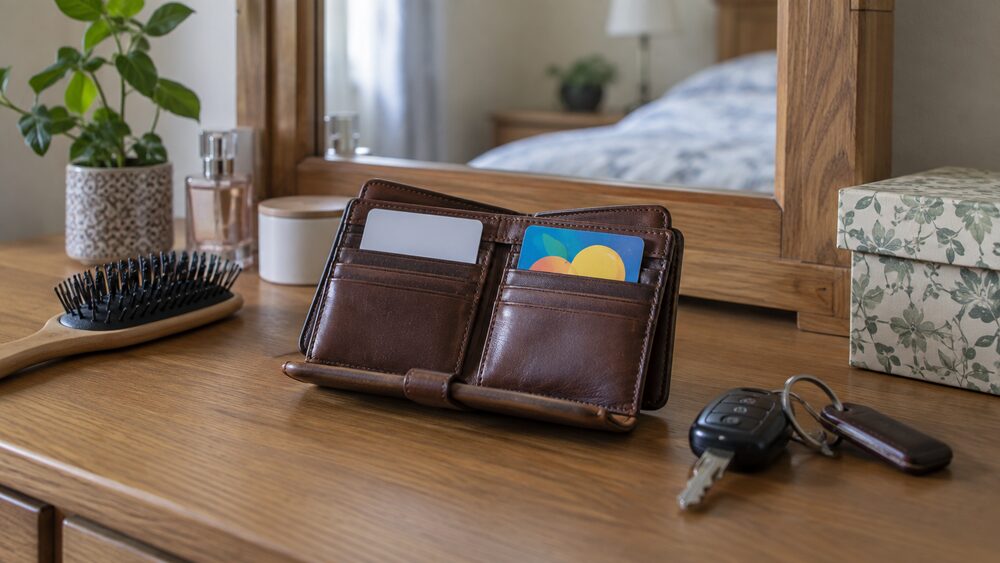
A store card is a borrowing card you can normally only use in the shop that gave it to you, or in that retailer's partner stores. It works like a credit card in that you buy goods on credit and pay the money back later, but the interest charged can be higher than on bank loans or credit cards, and official guidance for Northern Ireland warns that unless you plan on paying off the full balance straight away, store cards can often work out to be twice as expensive as credit cards1.
A retailer credit card is a different product that often gets confused with a store card. It carries the name of a shop or supermarket, such as Tesco, but it is a full credit card tied to a card scheme like Mastercard or Visa, so it can be used anywhere that accepts cards, not just in the named store1. Many retailer cards add loyalty points or discounts on the retailer's own goods as the incentive to apply.
Both types are regulated credit agreements, so you have legal protections: a minimum repayment rule, protection against unfair charges, and Section 75 of the Consumer Credit Act, which can make the card provider jointly liable with the retailer when something goes wrong with a purchase between £100 and £30,0004.
What a store card is and how it differs from a credit card
A store card is a card you can use to pay for goods over a period of time. Citizens Advice describes it as working in the same way as a credit card, but often charging higher rates of interest and being usable only in the chain of shops that issued it1. Official guidance for Northern Ireland makes the same point and adds the cost warning: unless you pay the balance off in full straight away, a store card can often work out to be twice as expensive as a credit card2.
The legal framework treats store cards as credit tokens. Under the Consumer Credit Act 1974, a credit-token is defined as:
"a card, check, voucher, coupon, stamp, form, booklet or other document or thing given to an individual by a person carrying on a consumer credit business who undertakes to supply cash, goods and services on credit or to pay a third party for them"4
In practice, that means the card issuer, usually a finance company working with the retailer rather than the shop itself, is lending you the money and is the firm you owe. The retailer typically sweetens the application with a first-use incentive: official guidance notes that store cards usually offer a discount or a gift the first time you use one, to persuade you to apply2. Many also offer ongoing discounts on goods in the shop1.
The things that make a store card different from an ordinary credit card are its scope and its price. A credit card can be used to buy goods anywhere, including over the phone, online or by post1. A store card cannot. And because the interest charged can be higher than on bank loans or credit cards, Citizens Advice advises always checking which is cheaper overall before relying on one1. If you are weighing the two, the comparison page on store cards vs credit cards sets them out side by side.
Retailer credit cards: store rewards on a card you can use anywhere
A retailer credit card looks like a store card from the outside, because it carries a shop's brand, but it behaves like any other credit card. Citizens Advice is explicit about the distinction:
"Don't confuse store cards with store branded credit cards which can be used anywhere, not just in the named store."1
Credit cards in the UK are issued by banks, finance companies and larger supermarket and store chains1. Each issuer is a member of a card scheme, such as Mastercard or Visa, to which the card is tied5, and that scheme membership is what lets you spend anywhere the scheme is accepted, in shops, online, by phone or by post1. The Payment Systems Regulator describes a payment card simply as a card that can be used to withdraw money or pay for goods and services3.
The reward is the reason many people take one out. Tesco Bank's Clubcard credit cards earn one point for every £8 spent outside Tesco, compared with no points on spending outside Tesco with a Clubcard loyalty card alone; at Tesco and on Tesco fuel the card earns on top of what a standalone Clubcard earns10. Which? notes that the Tesco Low APR Credit Card earns 1 Clubcard point per £4 at Tesco and on Tesco fuel (excluding Esso), plus one point for every 2 litres bought, and that Clubcard points can be converted at a rate of two Virgin Points per point11. Tesco Bank states that when you open a credit card account with it you will be automatically enrolled into the Clubcard scheme if you are not already a member10.
Rewards are only worth having if the card is cheap for the way you use it. If you carry a balance from month to month, the interest will usually outweigh the points. The wider guide to rewards and cashback credit cards explains how to judge that trade-off, and the guide to types of credit card shows where retailer cards sit among the alternatives.
Interest and minimum payments on store and retailer cards
Both store cards and retailer credit cards work as monthly accounts: interest is charged if the amount is not paid off in full at the end of the month1. If you do pay off the total amount by the due date, you will not be charged interest1. MoneyHelper puts the same rule plainly: provided you pay the bill in full and on time each month, you will not be charged interest12.
The trap is what happens when you pay less than the full amount. Official guidance warns that if you do not pay off the full amount every month on a credit card, you will be charged interest on the whole lot, not just the unpaid amount2. Citizens Advice Scotland confirms the same rule for the whole of the UK13.
If you do not clear the balance, you will be asked to repay a minimum amount each month. Citizens Advice describes this as typically around 3% of the balance due or £5, whichever is higher14. For regulated credit agreements for credit cards or store cards made on or after 1 April 2011, the FCA's rulebook requires the firm to set the minimum required repayment at least at the amount which repays the interest, fees and charges applied to the account, plus one percentage of the amount outstanding15. That rule exists so a minimum payment always reduces the debt a little, rather than just servicing the interest.
Paying only the minimum is slow and expensive. The rules on persistent debt exist for exactly this situation, and they apply to store cards as well as credit cards: National Debtline notes that the rules only applied to credit cards at first, but now apply to store cards and catalogues too, in both England and Wales16 and in Scotland17. If you have been paying more in interest, fees and charges than you have been repaying of the balance over a sustained period, the firm must contact you and, if nothing changes, can eventually suspend your use of the card. The page on the persistent debt rules explains the process, and how credit card interest is charged explains the sums behind it.
Store card and retailer card closures: what happens to your account
Retailers and their banking partners sometimes close card programmes, and when that happens the important thing is that closing the account does not close the debt. You keep making repayments until the balance is cleared, even though the card can no longer be used.
If your account is suspended or closed, the practical effects are set out by National Debtline:
"If your account is suspended, you won't be able to borrow any more money. If you have a credit or store card, the card will no longer work."16
The same applies in Scotland17. Suspension can happen for several reasons: persistent debt, missed payments, or a decision by the issuer to withdraw the product. Whatever the trigger, the balance remains a regulated credit agreement and the firm, or whoever it transfers your account to, must follow the rules on arrears and forbearance.
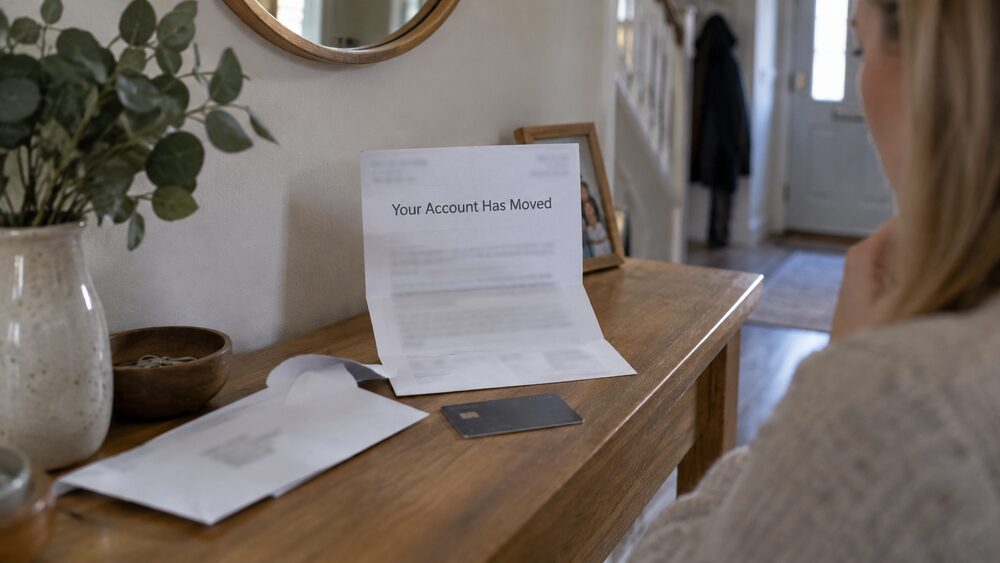
If the account is sold or transferred to another company, your rights move with it. The page on when your credit card or loan moves to another company explains what changes and what does not, and cancelling or closing a credit card covers doing it yourself. If a closure leaves you unable to manage the repayments, free debt help is available: the debt help guide lists the free charities and services, including options specific to Scotland and Northern Ireland.
Fees and charges on retailer credit cards
The charges to check in your credit agreement are the ones Citizens Advice lists: you will usually be charged for going over your credit limit, for using the card abroad and for late payments14. Late payment charges have a fairness ceiling: Citizens Advice Scotland notes that charges of more than £12 for missing a credit card repayment may be seen as unfair13, and the page on late payment and over-limit charges explains what you can do about one.
Some payments carry charges of their own. HMRC charges a non-refundable fee if you pay a tax bill by corporate credit card or corporate debit card, though not if you pay by personal debit card18. The regulations that once allowed surcharges on personal credit card payments have been revoked19, which is why shops cannot charge you extra simply for paying by credit card; the surcharge ban page explains that rule.
Behind the scenes, card use carries costs that retailers pay, and these feed into prices and rewards. When you use your card to pay for goods or services in a shop or online, your bank will charge a fee to the merchant's or retailer's bank, except for American Express cards20. The Payment Systems Regulator has found that Mastercard and Visa increased their core scheme and processing fees to acquirers by at least 25% since 201721, and it is examining card fees to ensure businesses and consumers are getting a good deal on card payments22. Which? reported that in 2021 this translated into an additional £141 million in costs imposed by card firms onto retailers just to process debit card transactions, with debit card scheme fees rising 28% compared with 202023. These are costs to retailers, not a charge on your statement, but they are part of the economics of card rewards.
For most people the charges that actually bite are the everyday ones: the fees and charges page collects them in one place.
Using a retailer credit card abroad and withdrawing cash
A retailer credit card works abroad wherever the card scheme is accepted, but spending in a foreign currency usually costs extra. Most credit cards add a foreign transaction fee of around 3% on non-sterling purchases and cash withdrawals24. For comparison, MoneyHelper notes that debit cards typically add a foreign exchange fee often around 3% of the transaction amount, plus a spending or cash machine charge typically between £1 and £3 each time you use the card abroad, except for euro transactions in the EU25. Retailer cards vary: Which? reported that PayPal's UK credit card charges a 2.5% fee when used abroad26.
Cash withdrawals are treated differently from purchases wherever you make them. Withdrawing cash on a credit card counts as a cash transaction, which typically attracts interest from the day of the withdrawal and a cash fee, and the same treatment applies to other transactions the issuer classes as cash, such as gambling stakes and sometimes buying currency. The page on withdrawing cash on a credit card explains the costs, and the credit card gambling ban explains why gambling transactions are treated specially.
Before travelling, it is worth checking your card's terms for the foreign transaction fee and the cash withdrawal fee, and deciding whether a different card would be cheaper for the trip. The guide to using a credit card abroad covers the whole picture, including whether to pay in pounds or local currency at the till.
Balance transfers and money transfers: up to 95% of your limit
Some retailer credit cards let you move debt onto them. A balance transfer moves an existing credit card balance to the new card, usually to pay less interest; a money transfer moves money from the card into your bank account, which you can then use to clear an overdraft or other debt. The page on balance transfer vs money transfer explains the difference in detail.
There are two limits to know about. The first is how much of your credit limit you can transfer. Tesco Bank states that you can transfer up to 95% of your available credit limit, for both balance transfers and money transfers8. The second is the fee: Which? notes that some cards do not charge a balance transfer fee, but others charge up to 5% for each balance transfer27. The balance transfer fees and money transfer fees pages show how these are worked out.
One restriction catches people out: you cannot usually transfer between two cards from the same issuer. Tesco Bank states plainly:
"No. You're not able to transfer between two Tesco Bank credit cards."8
So if you already hold a card from the retailer's bank, a second card from the same bank will not let you shuffle the balance across. Which? gives a worked example of how the limit interacts with the transfer: if you held an 18-month 0% money transfer card with a limit of £2,000, you could request a £1,000 money transfer to your bank account24. The guides to balance transfer credit cards and money transfer credit cards cover the mechanics, and closing old accounts after transferring covers what to do with the card you leave behind.
Who can get one: age and how applying works
The basic eligibility rule is simple: you must be 18 before you can apply for a credit card or store card6. Beyond age, the issuer runs a credit check and decides both whether to lend to you and how large a credit limit to set. The page on applying for a credit card explains what is checked and what to have ready, and credit card limits explains how limits are set, raised and lowered.
Applying for either type of card involves a credit agreement, which sets out the interest rate, the minimum repayment and the charges. Read it before you sign, because the introductory rate is time-limited: Citizens Advice describes introductory interest rates as offers where you start off paying a low rate of interest or none at all, and the rate then increases after a certain amount of time14. The page on when a 0% offer ends explains what happens next.
Once an application is accepted, the card arrives by post. Tesco Bank states that the card is sent within 5 to 7 working days of the application being accepted, along with the terms and conditions8, and its product pages give the same timescale of 5 to 7 days after acceptance10. Spending is not possible until the card arrives and is activated. If a card fails to arrive, the issuer can be contacted, because a card sent but intercepted is a fraud risk; the guide to credit card fraud and unauthorised payments covers what to do.
Missed payments: fees, credit file markers and blocked spending
Missed payments escalate in a predictable pattern, and the earlier you act, the less damage is done. StepChange describes the stages: after one or two missed payments you will get reminders, and interest and charges including late payment charges will be added, but if you catch up, no further action should be taken and the missed payments may not be recorded on your credit file28. From three or four missed payments, the missed payments will be recorded on your credit file, and the creditor will soon think about sending a default notice for credit card or buy now pay later debts28.
The consequences are concrete. Tesco Bank tells its credit card customers that a missed payment brings a letter, email or SMS notification, that a missed payment marker may be noted on your credit file, which could impact your ability to borrow money, and that spending may be blocked until payments are up to date8. Markers last: all missed, late or partial payments are recorded on your credit file for at least six years9. The Financial Ombudsman has published a case study in which a borrower discovered two missed payments marked on his credit file after a repayment holiday, showing how markers can appear even where the borrower believed arrangements were in place29. The guide to how credit cards affect your credit file explains the mechanics.
Late payment charges have a limit of their own: charges of more than £12 for missing a credit card repayment may be seen as unfair13. If you cannot afford the payments, free help exists and forbearance rules apply; see when you cannot afford to pay more and the debt help guide. Missing a payment on a promotional deal can also cost you the 0% offer itself, which the page on missing a payment on a 0% deal explains.
Section 75 protection and where it does not apply
Section 75 of the Consumer Credit Act 1974 is the strongest protection either type of card gives you. It makes the card provider jointly liable with the retailer for purchases between £100 and £30,0007, which means that if the goods are faulty, not delivered, or the trader vanishes, you can claim your money back from the card issuer as well as, or instead of, the retailer. Official consumer guidance describes the range the same way: if you paid for what turned out to be bogus goods or services by credit card, and the cost was more than £100 and less than £30,000, the card provider is equally liable30. This protection is especially valuable on a store card, because the only shop you can use it in is the shop you may be claiming against.
The protection stops at the edges, and it is worth knowing exactly where:
- Debit cards, charge cards and prepaid cards are excluded. The FCA states that Section 75 does not include cases where the goods or services were bought with a debit card, charge card or prepaid card31, and Welsh trading standards guidance repeats that it does not apply to charge cards or debit cards32. A prepaid card, which only lets you spend what has been loaded onto it33, gives no Section 75 cover at all.
- Agreements secured on land are excluded. Section 75A of the Consumer Credit Act states that the section does not apply to an agreement secured on land34.
- Buy now pay later purchases are not covered. Shoppers will not be covered by Section 75 protection for BNPL purchases, as they would be when using a credit card7.
- A second cardholder may not be protected. The Financial Ombudsman has noted that when a second credit card has been issued to a person, such as a spouse, who is not the debtor, that person lacks Section 75 protection unless acting as agent for the debtor35. The page on additional cardholders explains the detail.
Where Section 75 does not apply, chargeback may. Chargeback is a scheme rule rather than a legal right: it applies if you paid by debit card, or on a credit card for an item costing less than £100, and it is less than 120 days since the purchase36. Welsh trading standards guidance confirms the same eligibility: debit card purchases, or credit card purchases where the price of the goods is less than £10020. The comparison page on Section 75 or chargeback shows which to use, and the Section 75 exclusions page lists the gaps in full.
If a claim is refused and you believe it was handled wrongly, you can complain to the card firm and then, free of charge, to the Financial Ombudsman Service. The guide to complaining about a credit card provider sets out the steps in order.
Sources36 cited
- Types of plastic cards Citizens Advice, 2026-09-25
- Credit cards and debt nidirect, 2025-11-06
- Card payments explained Payment Systems Regulator, 2026-09-26
- Consumer Credit Act 1974 legislation.gov.uk, 1974-07-31
- Key features of the market: credit cards Financial Conduct Authority, 2015
- Managing your own money Scope, 2025-08-18
- Klarna launches debit card: how does it work? Which?, 2025-10-30
- Tesco Bank credit card FAQs Tesco Bank, 2026-09-25
- Mortgage arrears StepChange, 2026-09-25
- Tesco Bank credit cards Tesco Bank, 2026-09-25
- Best air mile credit cards Which?, 2026-09-02
- Do I need to speak to a specialist for credit card debt advice? Debt Advice Foundation, 2020-06-04
- The costs and charges of credit cards Citizens Advice Scotland, 2026-09-25
- Choosing and applying for a credit card Citizens Advice, 2026-09-25
- CONC 6.7: minimum repayments FCA Handbook, 2021-10-01
- Persistent debt: England and Wales National Debtline, 2026-09-25
- Persistent debt: Scotland National Debtline, 2026-09-25
- What will happen if you do not pay your tax bill GOV.UK, 2021-10-18
- The Fees for Payment of Taxes, etc. by Credit Card (Amendment) Regulations 2017 (revoked) legislation.gov.uk, 2020-11-01
- Consumer advice: insolvency and chargeback Trading Standards Wales, 2025-03
- Market review of card scheme and processing fees: final report Payment Systems Regulator, 2026-09-26
- How we help you Payment Systems Regulator, 2026-09-26
- Future of payments review 2023: Which? response Which?, 2022-12
- Should I get a credit card? Which?, 2026-09-18
- How to open, switch or close your bank account MoneyHelper, 2026-09-25
- PayPal launches debit and credit card with up to 1.5% cashback Which?, 2025-11-22
- 8 things you need to know about balance transfer credit cards Which?, 2023-02-06
- Debt collection StepChange, 2026-09-25
- Hinesh's mortgage repayment holiday marked on his credit file Financial Ombudsman Service, 2026-09-26
- Consumer advice: bogus goods and services Anglesey County Council, 2025-10
- Cancellations, refunds: helping consumers understand their rights and routes to refunds Financial Conduct Authority, 2020-10
- Consumer advice: credit card protection Anglesey County Council, 2025-10
- Financial Ombudsman Service exclusions Financial Ombudsman Service, 2004-04
- Consumer Credit Act 1974, Section 75A legislation.gov.uk, 2026
- FOS response to HM Treasury consultation on reforming the Consumer Credit Act 1974 Financial Ombudsman Service, 2023-03-17
- What do I do if I have a faulty product? Which?, 2026-09-01


 MoneyHelperFree, impartial money and pensions guidance, set up by government
 StepChangeFree debt advice and solutions from a charity
 National DebtlineFree debt advice by phone, webchat and online
 Financial Ombudsman ServiceFree, independent help when a complaint about a firm is not put right
 Citizens AdviceFree advice on money, consumer and legal problems in England and Wales