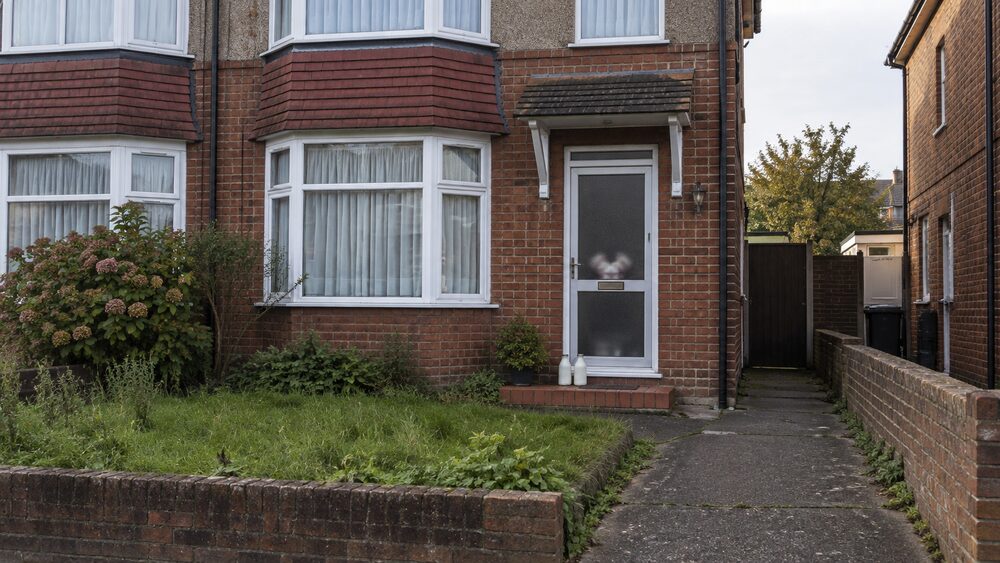
Most home insurance policies set a limit on how long a property can be left empty before cover changes. Independent guidance says most insurers typically allow 30 days, though some allow up to 601. Once that limit passes, certain types of loss or damage stop being covered, and the policy may not pay out at all for some events.
Most home insurance policies set a limit on how long a property can be left empty before cover changes. Independent guidance says most insurers typically allow 30 days, though some allow up to 601. Once that limit passes, certain types of loss or damage stop being covered, and the policy may not pay out at all for some events.
The limit is usually counted in consecutive days with nobody living in the home, not as a total across the year. A long holiday, a hospital stay, a spell in prison or a property left empty after a bereavement can all trigger it. The reason for the absence rarely matters; the number of days does.
The practical step is to tell your insurer before you go if you expect to be away longer than the agreed time2. That conversation can keep cover in place, move you to a specialist policy, or make clear which parts of your cover will be restricted. Staying silent risks the claim.
Most policies allow 30 to 60 days empty
The starting point for almost every home policy is a limit on how long the property can sit empty. Independent guidance puts the typical figure at 30 days, with some insurers allowing up to 601. Another review says some policies may give more time, sometimes up to 60 days, but it varies5. A third states that standard home insurance typically requires the house is not left unoccupied for longer than 30 days6.
What matters is the number in your own policy schedule. Some insurers set it at 30 days, others at 60. Bank of Scotland home insurance, for example, states that the maximum unoccupancy period for the property is 30 days7. Urban Jungle describes loss or damage when a home is not occupied for over 30 consecutive days8. Uinsure home insurance excludes loss or damage under a number of sections if the home is left unoccupied for more than 60 days3.
The limit is not the same as a ban on leaving your home. It is a threshold. Below it, your cover works normally. Above it, certain sections stop applying, and the longer the absence, the more of the policy is affected.
What cover is restricted once the limit is passed
Once the empty-home limit is passed, the restrictions are usually specific rather than total. The most common pattern is that loss or damage under a number of sections of the policy stops being covered3. That often includes escape of water, theft and malicious damage, which are the risks most likely to go unnoticed in an empty property.
Some policies are more precise. first direct buildings and contents insurance restricts certain loss or damage, such as from burst pipes, to buildings or contents when the home is unoccupied for more than the number of days selected9. Accidental damage cover may not pay claims when the home is left empty for more than either 60 or 30 days, depending on the policy schedule10. Garden cover can be stricter still: esure says there is no claim if the home has been unoccupied for 30 days or more in a row, or left unfurnished11.
Home emergency cover is often withdrawn entirely. Bank of Scotland states that if the home is unoccupied for more than 60 consecutive days, cover does not apply12. John Lewis home insurance limits garden covers and some accidental damage cover once the home has not been lived in for more than 60 days13.
The pattern is consistent: the longer a property is empty, the more of the policy falls away. The sections that survive are usually the ones covering sudden events that would be noticed regardless, such as storm or flood damage to the structure.
Telling your insurer before you go
The rule across most policies is simple: if you are going to be away longer than the agreed time, tell your insurer before you go2. Lloyds Bank states this directly, and the same wording appears in its guidance on burst pipes15. The AA requires you to advise it beforehand if you are going to leave your home unoccupied for more than 60 consecutive days16. John Lewis Specialist Home Insurance says it is important that you let it know if your home will be unoccupied for over 60 days, and that some covers will not be in place17.
Bank of Scotland requires notification if you are leaving your home empty for 60 days in a row or longer18. Virgin Money landlord insurance states you must tell it if your property will be unoccupied for more than 60 days in a row19.
Telling your insurer does not automatically mean a higher premium. It may mean different terms, a restriction on some covers, or a move to a specialist policy. What it does do is keep the conversation on record, so that if something happens while you are away, the insurer knows the position. The alternative, staying silent and claiming later, is where claims go wrong.
Unoccupied home insurance for longer absences
For absences that run past the standard limit, there are two routes: a specialist unoccupied home insurance policy, or a policy designed for a specific situation such as a landlord between tenants.
Independent guidance says that if your home is going to be empty for more than 30 consecutive days, you may need a specialist unoccupied home insurance policy1. Landlord insurance may cover an empty property for up to three months between tenants, but this varies1. Another review confirms landlord insurance might cover it for up to three months6.
Some insurers build longer unoccupied cover into their standard landlord products. Hiscox landlord insurance includes unoccupied property cover for properties that are vacant for up to 90 days at a time as standard4. Leek Building Society landlord insurance excludes loss or damage where the property has been unoccupied for more than 60 days20.
For homeowners rather than landlords, the options are narrower. Nationwide says that usually its policy will cover an unoccupied home for 60 days before restrictions apply21. esure says cover for your home may be restricted if you intend to leave it unoccupied for over 30 days22. Skipton home insurance excludes properties left unoccupied for more than 60 days23.
If you are going into hospital, independent guidance notes that some policies say you cannot leave your property vacant for over a set period of time, such as three months24. For a bereavement, a lender's guide notes that most buildings insurances will lapse if the property is empty for more than 30 days25. If you are on remand, Housing Benefit can continue for up to 52 weeks as long as your absence is unlikely to exceed that and you intend to return home26.
Does the empty-home limit apply to contents as well as buildings?
It can apply to both, and often does. Buildings insurance guidance says most buildings insurances will lapse if the property is empty for more than 30 days25. The same guidance advises checking your policy documents for any limits, terms or exclusions that may apply, such as when the home is vacant for a long period9.
On the contents side, first direct restricts certain loss or damage to buildings or contents when the home is unoccupied for more than the number of days selected9. Virgin Money home insurance contents and buildings policies both exclude loss or damage under a number of sections if the home is left unoccupied for more than 60 days27. Virgin Money landlord insurance contents applies the same 60-day exclusion29.
The limit can also apply to specific add-ons. Home emergency cover is commonly withdrawn after 60 consecutive days12. Garden cover can be excluded after 30 days11. Accidental damage cover may be excluded after either 60 or 30 days, depending on the policy schedule10.
The practical answer is that the empty-home limit is not confined to one part of the policy. It runs through buildings, contents and the add-ons, and the number of days can differ between sections of the same policy.
Will my claim be refused if I did not tell my insurer?
It can be. Contents insurance guidance warns that leaving your home for a long period and then suffering a break-in might mean your claim is invalid14. The same principle applies to other losses that occur while the home is empty beyond the limit.
The Financial Ombudsman Service handles complaints about home insurance, including disputes about claims30. If a claim is rejected because the insurer says the home was left empty beyond the limit, the ombudsman can look at whether the insurer applied its terms fairly. The ombudsman also sets out how claims are settled, which can be by repairing the damage, replacing something lost or damaged, or paying cash to cover the cost of repair or replacement31.
If you are unhappy with how a claim has been handled, the route is a complaint to the insurer first, then to the ombudsman if it is not resolved. The ombudsman's service is free.
Where to get help
If you are struggling to understand your policy or what you need to tell your insurer, free and impartial help is available. MoneyHelper offers guidance on insurance and money matters. The Financial Ombudsman Service can help if you have a complaint about an insurer that has not been resolved30.
If you are going into hospital, a mental health and money advice service sets out what happens to your money, home and pets24. If you are on remand, Turn2us explains how Housing Benefit works during an absence26.
For anyone leaving a home empty after a bereavement, a lender's bereavement guide notes that most buildings insurances will lapse if the property is empty for more than 30 days25, so it is worth contacting the insurer early.
Sources33 cited
- 6 questions to ask before you choose a home insurance policy Which?, 2025-10-15
- Winter proof your home Lloyds Bank, 2026-09-27
- Uinsure home insurance Leek Building Society, 2026-09-26
- Hiscox landlords insurance Hiscox, 2026
- HSBC home insurance review Which?, 2026-09-17
- Santander home insurance review Which?, 2026-09-17
- Bank of Scotland Home Insurance Quick Quote assumptions Bank of Scotland, 2026-09-27
- Urban Jungle home cover Urban Jungle, 2026-09-26
- What is buildings insurance Lloyds Bank, 2026-09-27
- What is accidental damage insurance Lloyds Bank, 2026-09-27
- esure garden insurance esure, 2026
- Home Emergency Cover Bank of Scotland, 2026-09-27
- John Lewis Home Insurance policy wording John Lewis, 2025
- What is contents insurance Halifax, 2026-09-27
- DIY mishaps guidance Lloyds Bank, 2026-09-27
- AA Home Insurance policy booklet January 2024 The AA, 2024-01
- John Lewis Specialist Home Insurance policy wording John Lewis, 2025-06
- Manage your policy Bank of Scotland, 2026-09-27
- Virgin Money Landlord Insurance policy wording Virgin Money, 2026
- Leek Building Society landlord insurance Leek Building Society, 2026-09-26
- Home insurance whilst working from home Nationwide, 2026
- esure buildings insurance esure, 2026
- Skipton home insurance Skipton Building Society, 2026-09-26
- What happens to my money, home and pets when I go into hospital Mental Health and Money Advice, 2024-02-13
- Bereavement guide Vida Homeloans, 2026-03
- Help with housing costs on remand Turn2us, 2026-09-26
- Virgin Money Home Insurance all IPIDs Virgin Money, 2026
- Virgin Money Home Insurance buildings IPID Virgin Money, 2026
- Virgin Money Landlord Insurance product information Virgin Money, 2026
- Home insurance complaints Financial Ombudsman Service, 2026-09-26
- Settling home insurance claims Financial Ombudsman Service, 2026-09-26
- Is self-insurance ever a good idea Which?, 2026-02-25
- ABI advice on wildfires Association of British Insurers, 2026-07-31



 MoneyHelperFree, impartial money and pensions guidance, set up by government
 Financial Ombudsman ServiceFree, independent help when a complaint about a firm is not put right
 FSCSProtects your money if a bank, insurer or investment firm fails
 Citizens AdviceFree advice on money, consumer and legal problems in England and Wales
 GOV.UKOfficial information on tax, benefits and government services