
Buildings insurance is built to respond to a sudden, identifiable event: a storm, a flood, a burst pipe, a falling tree. It is not built to pay for the slow deterioration of a home, and gradual damage and wear and tear sit at the top of the standard exclusion list. The Financial Ombudsman Service, which settles disputes between consumers and insurers, lists gradual damage and wear and tear among the common exclusions it sees1.
Buildings insurance is built to respond to a sudden, identifiable event: a storm, a flood, a burst pipe, a falling tree. It is not built to pay for the slow deterioration of a home, and gradual damage and wear and tear sit at the top of the standard exclusion list. The Financial Ombudsman Service, which settles disputes between consumers and insurers, lists gradual damage and wear and tear among the common exclusions it sees1.
That does not mean a claim for damage that has built up over time is always refused. The ombudsman has found in a consumer's favour where the damage was gradual but the household could not reasonably have known about it, and it has told insurers to pay claims they had turned down. The dividing line is not how long the damage took, but whether the cause was an insured event and whether the person could reasonably have spotted the problem earlier.
This page explains what the exclusions cover, how insurers and the ombudsman tell sudden damage from gradual damage, what a policy will still pay for when a leak or a storm is involved, how to make a claim when damage has accumulated, and where to take a complaint if the claim is rejected.
Gradual damage is usually excluded from buildings insurance
A buildings policy covers the structure of the building and its permanent fixtures and fittings, such as baths or fitted kitchens5. What it does not cover is the process by which those things wear out. The ombudsman's guidance for insurers is blunt about why: where damage is caused by wear and tear, it is unlikely to take the usual considerations into account when deciding a gradual damage complaint, because everything will wear out eventually and an insurance policy cannot protect a customer from that1.
The exclusions are consistent across the market. Ulster Bank's buildings cover excludes wear and tear, gradual deterioration, rot, damp, corrosion and rust6. Halifax's buildings insurance does not cover damage that happens slowly over time, such as damp, or wear and tear such as a boiler breakdown7. Lloyds Bank says its home policies will not cover damage caused by wear and tear or that happens slowly over time, giving damp, condensation and rust as examples8. The AA's home policy booklet lists loss or damage arising from causes that happen gradually over time, including deterioration, wear and tear, corrosion and rot, as a general exception across its buildings and contents sections9.
Accidental damage cover, an add-on that widens what a policy pays for, does not close the gap. The ombudsman says accidental damage cover generally does not include damage caused by wear and tear, the gradual deterioration of something, wilful or deliberate acts, or defective workmanship10. HSBC's accidental damage cover for buildings excludes wear and tear, vermin, insects, fungus, the weather and gradual damage, along with damage caused by water entering the home and by subsidence, heave or landslip11.
The practical effect is that a policy pays for the event, not for the condition. Where an insurer thinks damage was caused by an insured event but was in fact caused gradually, it has a contractual right to decline the claim, provided gradual damage is excluded in the policy1.
Sudden damage or gradual damage: how insurers tell them apart
The test insurers apply is whether the damage was sudden, unexpected, not done on purpose and caused by a specific, one-off event. MBNA sets that out directly, and adds that damage due to lack of maintenance, or damage that happens slowly over time, is excluded12. Santander's contents cover for renters excludes damage that happens gradually, along with faulty materials or workmanship and breakdown or faults11.
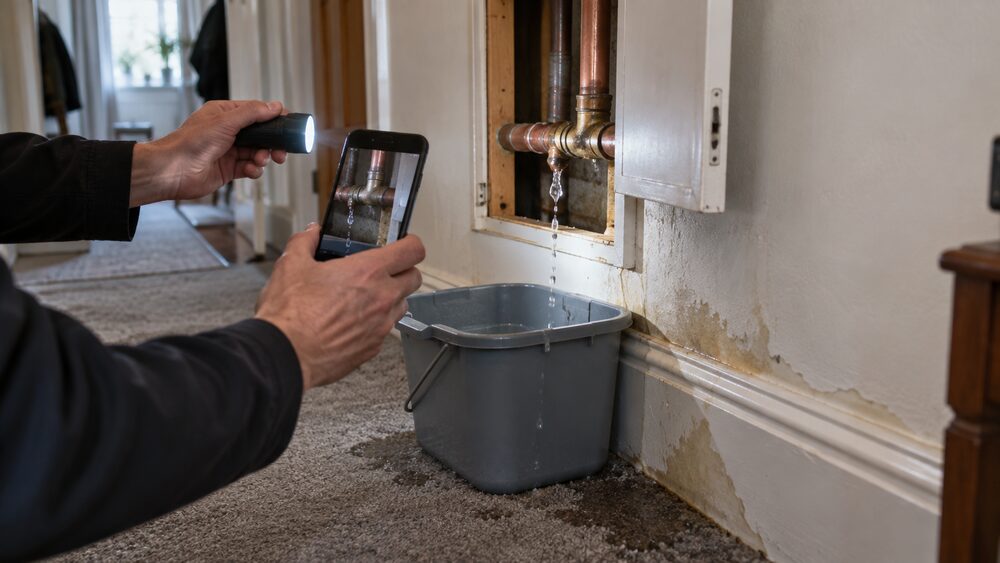
That framing matters because it puts the cause, not the calendar, at the centre of the decision. A pipe that splits without warning and soaks a ceiling is a one-off event. A pipe that has been weeping behind a wall for two years, softening plaster and joists, is a condition. The first is claimable; the second usually is not, and the repair to the pipe itself is normally excluded either way.
Where the cause is disputed, the ombudsman weighs the evidence rather than accepting the insurer's label. In one case it agreed with a buildings insurer that damage to a couple's floorboards had been caused gradually, but also agreed that the couple could not have known about the problem any earlier13. The damage was gradual; the claim still succeeded, because the household had no reasonable opportunity to act sooner.
The ombudsman also distinguishes between claims where an insured event is in play and claims where it is not. If the damage was not caused by an insured event, it will simply consider whether the damage was gradual or not1. If an insurer argues that something such as tanking failed because of a gradually operating cause, the ombudsman decides on the balance of probabilities how the damage more likely occurred, and whether it is fair not to pay the claim on that basis14.
Common gradual damage claims: leaks, damp, subsidence and roofs
Most disputes in this area cluster around a handful of causes, and the outcome turns on which one applies.
Leaks and escape of water. Buildings insurance will usually cover damage caused by leaking water and oil, but where the leak results from wear and tear or poor maintenance it may not be claimable2. The plumbing cost to stop or repair the leak is normally excluded, though some policies cover the cost of finding and getting to it2. Most buildings policies cover damage to underground pipes, drains, cables and tanks, often called underground services, but that cover tends to be for the pipes themselves rather than damage beyond the pipe, unless escape of water or flooding cover applies1.
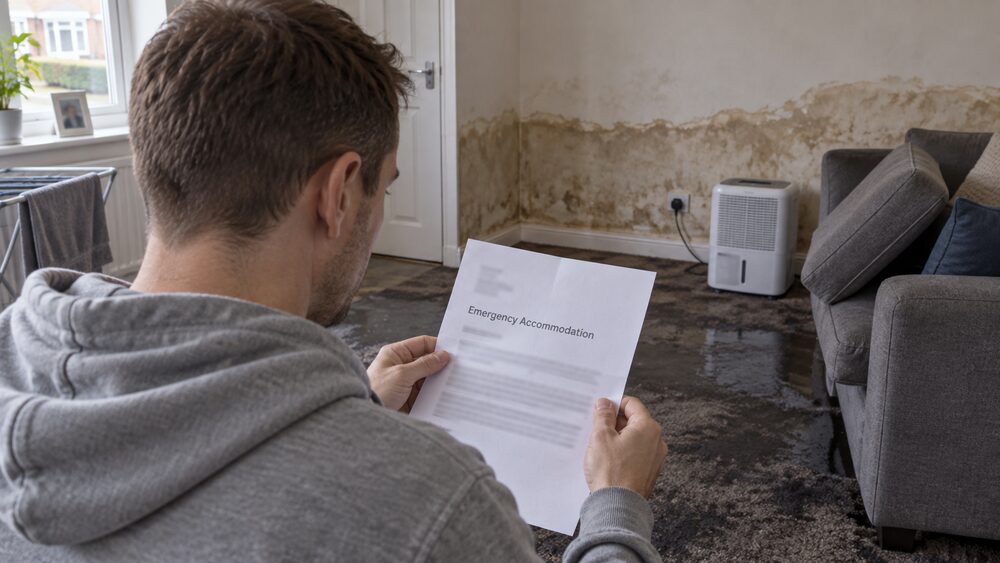
Damp and rot. Rising damp is not covered by home insurance because it is often considered general wear and tear3. Rot, damp, corrosion and rust are excluded on standard buildings policies6, and damage that happens slowly over time, such as damp, condensation or rust, is not covered8.
Subsidence. An insurer may refuse a claim if the building has suffered from subsidence in the past, or if proper maintenance has not been carried out15. Subsidence, heave and landslip are also excluded from accidental damage cover for buildings11.
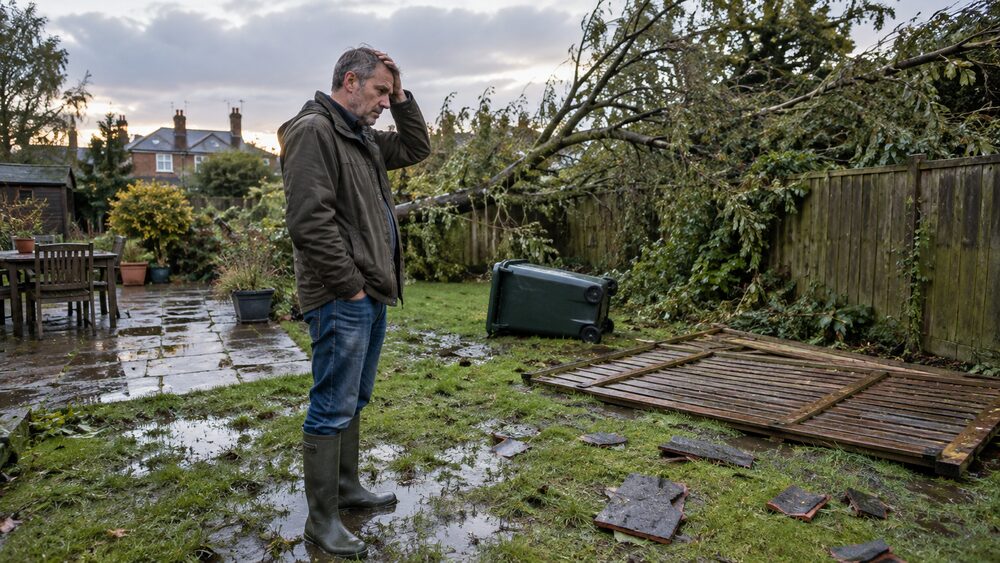
Roofs and storms. Storm damage is covered, but fences, gates and outbuildings are often excluded16. Buildings insurance should cover damage caused by hail, wind, rain, snow and ice, including broken roofs, burst pipes, falling trees and power cuts17. The same cover applies to frozen pipes and loss of power18. Where a roof has simply aged, the position is different: damage resulting from general wear and tear, such as water entering through a poorly maintained roof, may not be covered by a standard policy18.
Flood. Flood cover is usually included as standard with buildings insurance and is widely available, including for homes in high-risk areas17. A typical policy covers damage caused by floodwater entering the home from an external source, such as heavy rainfall, storms and high tide, or a river bursting its banks18. Groundwater flooding is treated differently: insurers will usually cover it if it has built up rapidly, but not where it has risen gradually19.
| Cause | Usually covered | Usually excluded |
|---|---|---|
| Storm, flood, escape of water | Damage to the structure and contents from the event17 | Fences, gates and outbuildings in a storm16 |
| Slow leak | Damage the water causes to the building2 | The plumbing repair, and the leak itself if caused by wear and tear2 |
| Damp and rot | Nothing on a standard policy8 | Rising damp, condensation, rot, corrosion, rust3 |
| Subsidence | Nothing where there is a history or poor maintenance15 | Subsidence, heave and landslip under accidental damage cover11 |
Making a claim when damage has built up over time
The first step is to contact your insurer as soon as possible. Halifax's claims guidance is to list the damage, take pictures, keep damaged items, explain what happened and provide receipts, and not to start work or pay tradespeople for repairs until you have spoken to your insurer20. That last point matters: work carried out before the insurer has seen the damage can complicate the claim.
Evidence is what decides a disputed cause. The ombudsman considers expert opinions, photos of the damage, a report including photos from a surveyor, loss adjuster or other expert, and the customer's own testimony4. A dated photograph taken when the damage was first noticed, and any record of when a stain, crack or damp patch appeared, helps show whether the cause was sudden or had been building.
Timing rules vary by policy and by event. One landlord policy wording requires loss or damage to be reported to the police within twenty one days of it occurring21. Landlord policies commonly exclude property that has been unoccupied for more than 60 days, along with damage due to wear and tear, incidents that happened before the policy started, and loss or damage to gates and fences during a storm22. If a drainage company has to dig to reach a pipe, the ombudsman would normally expect the insurer to put right any damage caused by the digging, even if the claim itself is rejected1.
Where a claim is paid, it covers cleaning up and repairing the property, as well as temporary accommodation if the home has been made uninhabitable18. If you rent, or own a leasehold flat, the buildings cover is usually someone else's policy: leasehold flat owners should check whether the freeholder's insurance covers repair costs, since buildings insurance should cover flood risks23.
If your claim is turned down: complaints and the Financial Ombudsman Service
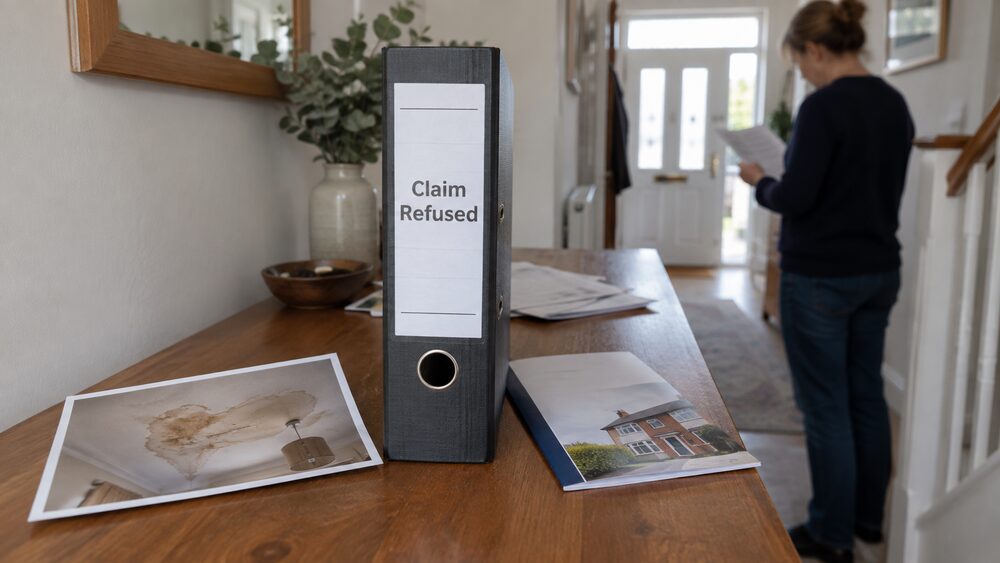
A rejected claim is not the end of the process. The Financial Ombudsman Service can help with a complaint about an insurance company or claim24. It can ask an insurer to deal with a claim it rejected, add interest to a claim that should have been paid, pay for more work where repairs are in dispute, and pay compensation for loss or inconvenience25. Where it thinks an insurer has unfairly turned down a claim, it may recommend that the insurer reconsider the claim in line with the policy terms, or pay it with interest covering the period from the date of the claim to the date of settlement26.
The ombudsman's approach to gradual damage is not simply to side with the insurer. It is likely to say the claim should be paid where the customer could not reasonably have been aware of the damage happening gradually, meaning they were prevented from noticing and fixing the problem, and where they made the claim, or took reasonable action, as soon as they could reasonably have known about it1. Where accidental damage cover is in play, the ombudsman says it is unlikely to take the usual considerations about a consumer's awareness into account when deciding a gradual damage complaint1.
Complaints it handles in this area include an insurer arranging repairs but not fixing the damage, repairs causing additional damage, a dispute over repair versus replacement, a replacement that is not the same as the lost item, a money offer that is not enough, and dissatisfaction with the quality of an insurer-appointed builder's work27.
A case study shows how the process can reverse an initial decision. Iris's insurer declined her claim, saying the damage to her roof was caused by gradual deterioration and wear and tear rather than storm conditions. The ombudsman upheld her complaint and told the insurer to deal with the claim under the storm damage section of her policy28. Maintenance is a related risk: if property maintenance is not kept up to date and the policyholder has been negligent, the insurer may query the claim29.
"if you're relying on an exclusion, then it's your responsibility to prove it applies to the claim"
Sources29 cited
- Gradual damage Financial Ombudsman Service, 2026-09-27
- What is buildings insurance? Lloyds Bank, 2026-09-27
- What is home insurance? Lloyds Bank, 2026-09-27
- Accidental damage Financial Ombudsman Service, 2026-09-26
- Home insurance complaints Financial Ombudsman Service, 2026-09-26
- Buildings insurance Ulster Bank, 2026-09-25
- Buildings insurance Halifax, 2026-09-27
- Wear and tear Lloyds Bank, 2026-09-27
- AA home insurance policy booklet The AA, 2024-01
- Accidental damage Financial Ombudsman Service, 2026-09-27
- Contents insurance for renters Santander, 2026
- Home insurance FAQs MBNA, 2026-09-26
- Gradual damage: an irrelevant problem not covered by the policy Financial Ombudsman Service, 2026-09-26
- Flood damage Financial Ombudsman Service, 2026-09-26
- Does your insurance policy cover heatwaves? Which?, 2023-06-08
- 6 questions to ask before you choose a home insurance policy Which?, 2025-10-15
- 5 winter risks your home insurance might not cover Which?, 2026-09-26
- Does your insurance cover damage caused by bad weather? Which?, 2025-12-08
- Home insurance and flooding Which?, 2026-09-17
- What is buildings insurance? Halifax, 2026-09-27
- Landlord insurance policy wording Virgin Money, 2026
- Landlords insurance Leeds Building Society, 2026-09-26
- Housing help if your home is flooded Shelter, 2025-10-27
- Insurance complaints Financial Ombudsman Service, 2026-09-26
- Storm damage Financial Ombudsman Service, 2026-09-26
- Settling home insurance claims Financial Ombudsman Service, 2026-09-26
- Insurer refuses storm damage claim Financial Ombudsman Service, 2026-09-27
- Storm protection British Insurance Brokers' Association, 2022-11-10
- Buildings insurance Hiscox, 2026







 MoneyHelperFree, impartial money and pensions guidance, set up by government
 Financial Ombudsman ServiceFree, independent help when a complaint about a firm is not put right
 FSCSProtects your money if a bank, insurer or investment firm fails
 Citizens AdviceFree advice on money, consumer and legal problems in England and Wales
 GOV.UKOfficial information on tax, benefits and government services