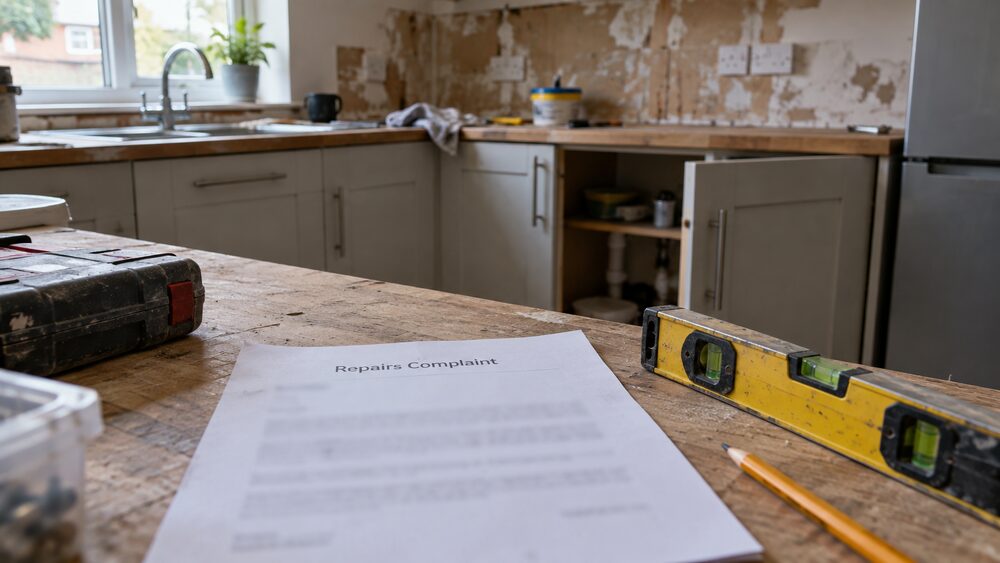
If your insurer arranged the repair and the work is defective, the insurer is responsible for putting it right, not the builder it sent. The Financial Ombudsman Service says that where a vehicle was repaired by a garage the insurer told the customer to use, the insurer is responsible for what went wrong1. The same principle runs through home claims: the Ombudsman can tell an insurer to arrange for the repairer to correct the damage, let you choose your own repairer at the insurer's cost, or write off the vehicle and pay its pre-accident market value1.
If your insurer arranged the repair and the work is defective, the insurer is responsible for putting it right, not the builder it sent. The Financial Ombudsman Service says that where a vehicle was repaired by a garage the insurer told the customer to use, the insurer is responsible for what went wrong1. The same principle runs through home claims: the Ombudsman can tell an insurer to arrange for the repairer to correct the damage, let you choose your own repairer at the insurer's cost, or write off the vehicle and pay its pre-accident market value1.
The Ombudsman sees a steady stream of these complaints. It lists the common ones as an insurer that arranged repairs but has not fixed the damage, repairs that caused additional damage, a dispute over repair versus replacement, a replacement that is not the same as the lost item, a money offer that is not enough, and dissatisfaction with the quality of the insurer-appointed builder's work2. It receives complaints from consumers about a range of insurance products3.
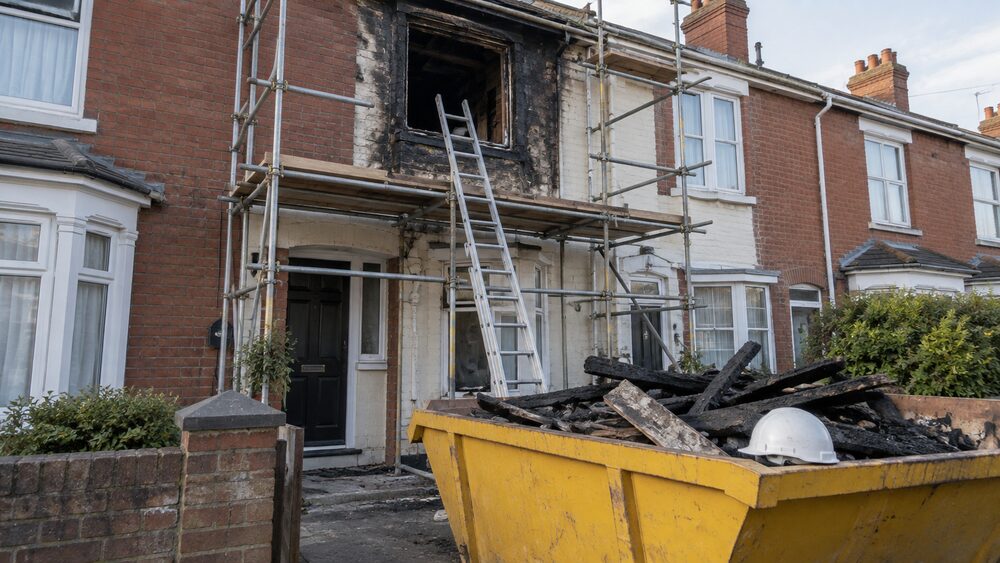
Alternative accommodation is the other half of the problem. Most home insurance policies will also provide alternative accommodation where a property has been damaged and is no longer safe to live in4, and home emergency cover may provide it while a problem is being fixed if your home is unsafe or uninhabitable5. What the policy does not always settle is whether the accommodation suits your household, how far it is from work or school, and how long you are expected to stay.
What your insurer is responsible for when it arranges repairs
When an insurer arranges the repair, it is choosing the contractor and often paying it directly. That changes who you chase when something goes wrong. The Ombudsman's position is that if the repair was done by a garage the insurer told you to use, the insurer is responsible1. For home repairs the same logic applies: your complaint is with the insurer, and the insurer's complaint process is the route to a remedy.
There is a second protection that matters when a repair costs more than expected. Where the insurer has entered into a contract to repair, the Ombudsman is likely to tell the insurer to continue to pay for the repair even if it is more than the maximum amount in the policy9. That is a significant limit on the insurer's ability to walk away mid-job because the bill has grown.
The position is different if you arrange the work yourself. If you go ahead with the repair yourself, you are responsible for the cost until insurers agree to pay, and the insurer may pay a lesser amount if the repairs could have been done cheaper elsewhere10. That is the risk of going it alone without written agreement first.
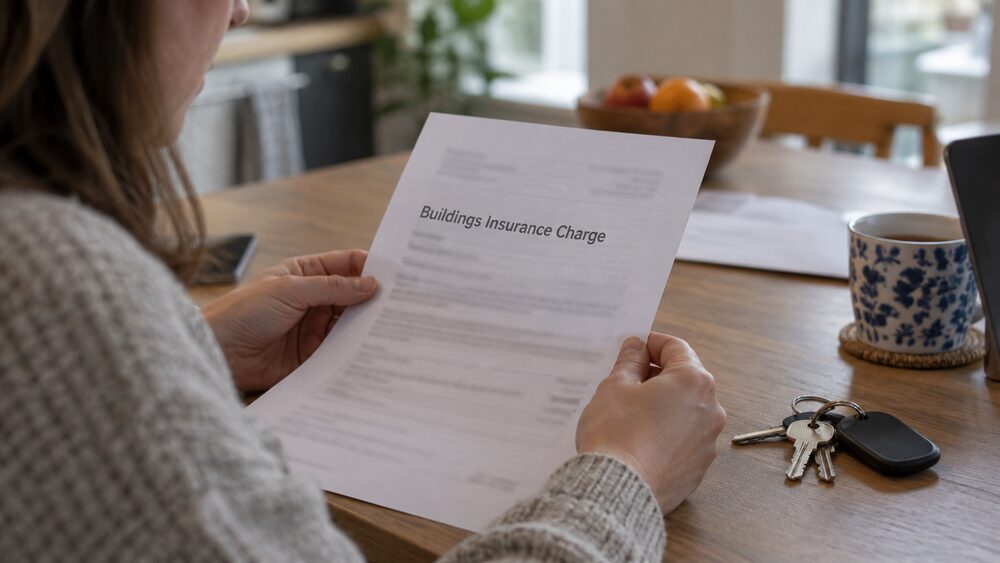
If you own your home, you are responsible for any repairs needed and for replacing damaged belongings, and should have buildings insurance and contents insurance11. If you are buying, it is the buyer's responsibility to insure the property from the date of exchange of contracts and to have the repairs carried out12.
Poor workmanship: getting defective repairs put right
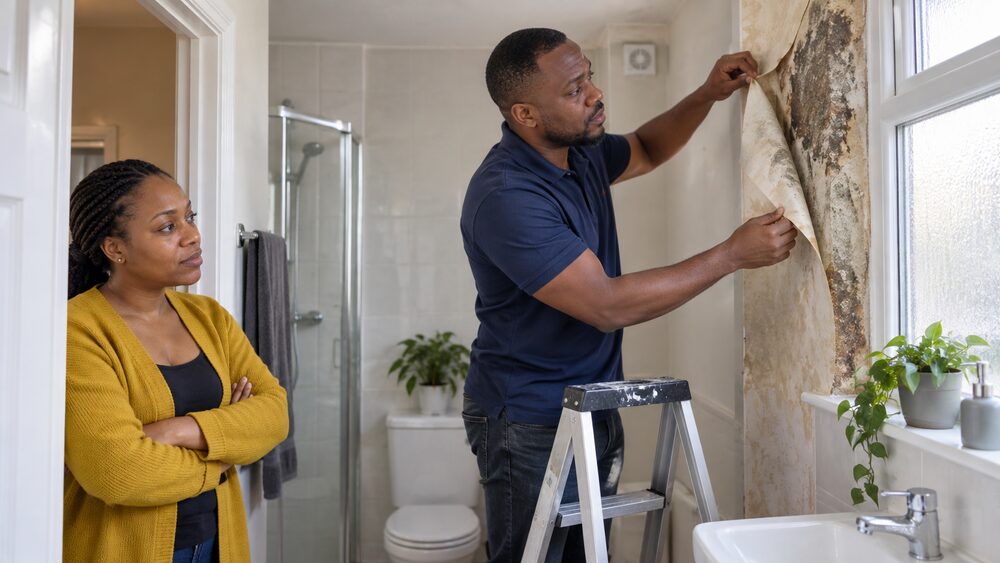
Defective work is a complaint about the standard of the repair, and the Ombudsman treats it as the insurer's problem to fix. Where repairs were not to an acceptable standard, the Ombudsman will usually tell the insurer to arrange for the repairer to correct the damage, let the customer choose their own repairer at the insurer's cost, or write off the vehicle and pay its pre-accident market value1. The same menu of outcomes applies in principle to home repairs.
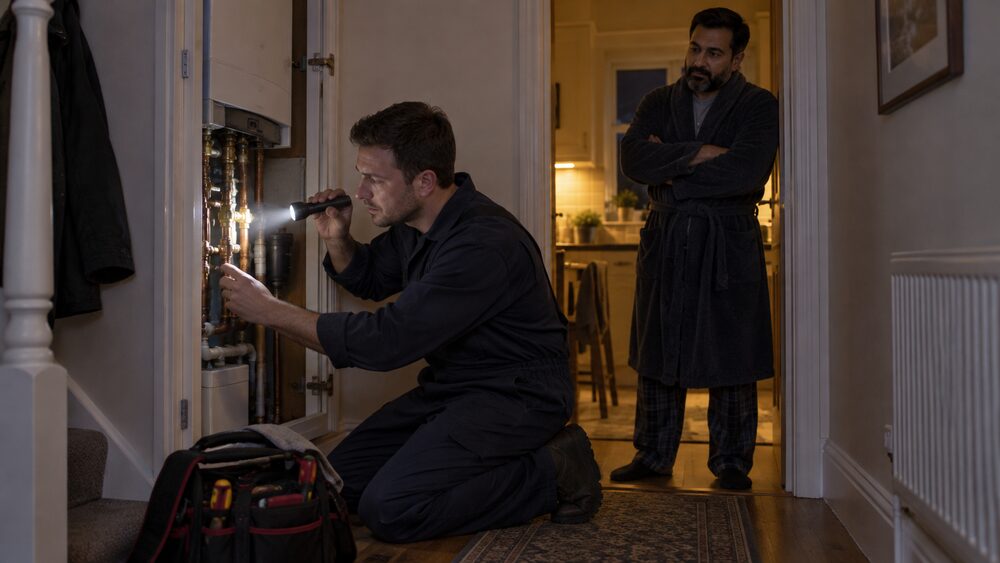
Diagnosis errors are a common cause. In one case the insurer later discovered its engineer had diagnosed the fault incorrectly, so the engineer had been unable to fix the problem13. The Ombudsman upheld the complaint and the insurer had to put it right.
If the insurer's own handling made things worse, the Ombudsman can go further. It can tell the insurer to deal with a claim it rejected, add interest to any claim that should have been paid, pay for more work to be done where a complaint has been made about repairs, and pay compensation for any loss or inconvenience suffered8.
"arrange for the repairer to correct the damage, let you choose your own repairer to do the repairs and they pay for it, write off the vehicle and pay its pre-accident market value"
Alternative accommodation that does not meet your needs
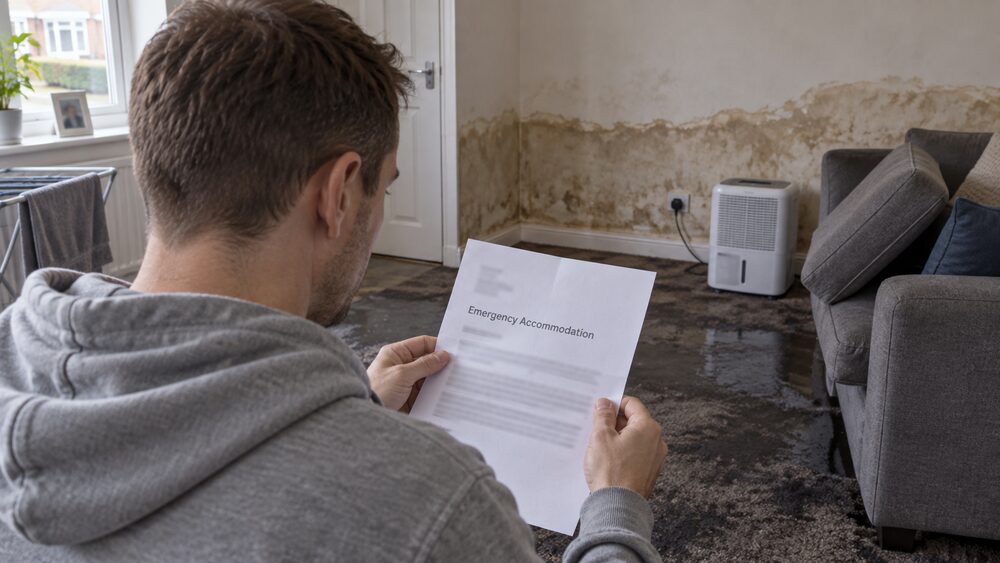
Most home insurance policies will also provide alternative accommodation where a property has been damaged and is no longer safe to live in4. Home emergency cover may provide it while the problem is being fixed if your home is unsafe or uninhabitable5. Some business interruption policies may also help cover the cost of temporary alternative premises while repairs are carried out, though that cover varies by policy14.
The gap between "somewhere to stay" and "somewhere that works for your household" is where complaints start. In one case the Ombudsman told the insurer to place the family in suitable alternative accommodation with the adjustments a family member needed for the remainder of the claim15. Accessibility, distance from work or school, and the size of the property are all things a reader can raise.
If you rent rather than own, the position is different again. If you are a homeowner you are responsible for repairs and for replacing damaged belongings11, but renters are not, and housing rights services can help you find suitable alternative accommodation if you are not able to stay in your home9.
Can I be moved into a hotel for months while my home is repaired?
It happens, and the Ombudsman has looked at exactly this. In one case a couple lived in a hotel for nine months while the insurer still had not fixed the leak15. The Ombudsman upheld the complaint and told the insurer to place the family in suitable alternative accommodation with the adjustments a family member needed for the remainder of the claim15.
There is no fixed cap in the sources on how long alternative accommodation can run. What matters is whether the insurer is making progress and whether the accommodation meets the household's needs. If the insurer is dragging its feet, the delay itself becomes part of the complaint, and the Ombudsman can order compensation for distress or inconvenience8.
Using your own contractor or taking a cash settlement instead
Home insurance claims can be settled by repairing the damage, replacing something lost or damaged, or paying cash to cover the cost of repair or replacement2. Many policies give the insurer the choice. A typical policy term reads: "We will decide whether to repair, replace, pay cash or reinstate the damaged part of the building."2
If you insist on cash when the insurer is willing to repair or replace, the insurer will only pay the amount it would cost them, and because insurers get discounts from the suppliers and contractors they use, that is usually less than market rates17. That is the trade-off: cash gives you control, but the sum is calculated on the insurer's costs, not yours.
Some insurers have their own repair schemes using garages which may be able to start repairs immediately10. If you want to use your own contractor instead, the safe route is to ask the insurer to agree it in writing before work starts. If you go ahead without agreement, you are responsible for the cost until insurers agree to pay, and the insurer may pay a lesser amount if the repairs could have been done cheaper elsewhere10.
For gadgets and phones, a cash settlement will generally be the cost of replacing the phone or gadget with one of the same age and condition before the insured event from a reputable source18.
| Settlement route | What you get | The catch |
|---|---|---|
| Insurer arranges repair | Work done by its contractor, insurer responsible for quality1 | You do not choose the contractor |
| You use your own contractor | Your choice of tradesperson | Get written agreement first, or you carry the cost10 |
| Cash settlement | Money instead of repair2 | Usually the insurer's cost, not market rate17 |
How to complain to your insurer
Appeal to your insurer first. Clearly explain what went wrong from your perspective and how you would like it resolved6. Put the complaint in writing, head it "Complaint", and include dates and the names of the people you have spoken to6.
The insurer then has eight weeks to investigate and provide you with its final response6. The same eight-week deadline appears in the Ombudsman's guidance to insurers on underinsurance complaints7 and on accidental damage complaints11.
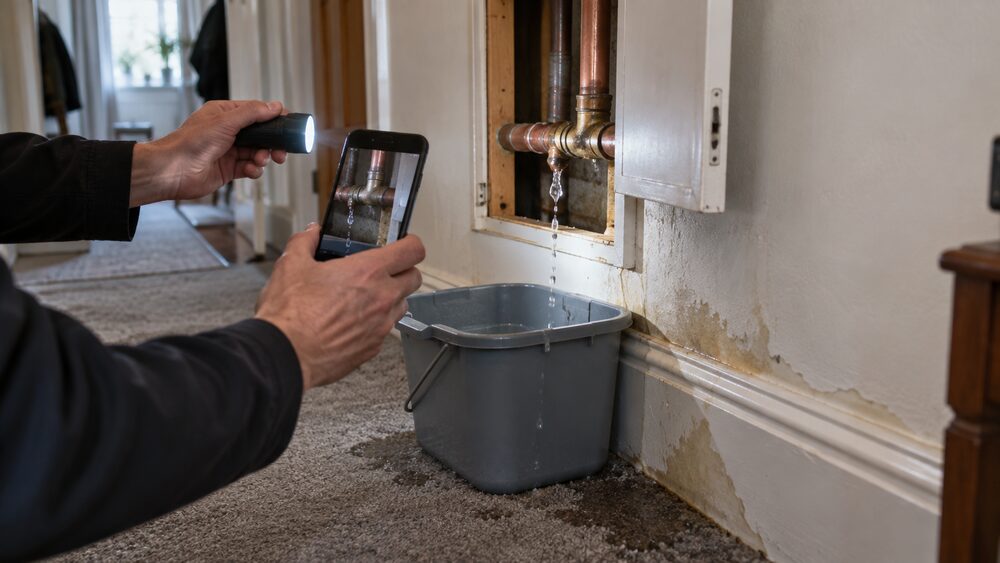
Keep a record as you go: dates of calls, who you spoke to, what was promised, and photographs of the defective work or unsuitable accommodation. If the insurer does not reply within the time limits, or you disagree with its response, you can bring the complaint to the Ombudsman19.
Taking it to the Financial Ombudsman Service
The Ombudsman is free to consumers and looks at complaints after the insurer has had its chance to respond. It can only look at some building warranty complaints after a resolution or conciliation report has been issued, the report told the builder to do something by a deadline, and the builder failed to complete the works by the deadline or is insolvent or not co-operating20.
The outcomes it can order are practical. It can ask the insurer to deal with a claim it rejected, add interest to any claim that should have been paid, pay for more work to be done where a complaint has been made about repairs, and pay compensation for any loss or inconvenience suffered8. It may also ask the insurer to pay compensation for distress or inconvenience21.
In one case the Ombudsman upheld a complaint and asked the insurer to pay compensation for the distress and inconvenience caused18. In another, it told the insurer to place the family in suitable alternative accommodation with the adjustments a family member needed for the remainder of the claim15.
If you are unhappy with a claims management company rather than your insurer, you can complain to the Financial Ombudsman Service about the service you have received, for example the results of your claim or the fees they have charged you22. If you are unhappy with a credit repair company, complain to your local trading standards department, run by your local council23.
The route from a repair complaint to an Ombudsman decision.
Where to get free help
MoneyHelper offers free, impartial guidance on insurance complaints. The Financial Ombudsman Service handles complaints about insurers and is free to consumers3. If you rent and your home is uninhabitable, your council's housing options team may be able to help you find somewhere to stay9.
Sources23 cited
- Vehicle repairs Financial Ombudsman Service, 2026-09-16
- Settling home insurance claims Financial Ombudsman Service, 2026-09-26
- Insurance complaints Financial Ombudsman Service, 2026-09-26
- The ABI shares advice following recent wildfires across the UK Association of British Insurers, 2026-08-14
- Home emergency insurance Financial Ombudsman Service, 2026-09-26
- How to complain about your insurance company Which?, 2025-09-10
- Underinsurance home insurance complaints Financial Ombudsman Service, 2026-09-26
- Storm damage Financial Ombudsman Service, 2026-09-26
- Subsidence and types of ground movement Financial Ombudsman Service, 2026-09-26
- Accident checklist British Insurance Brokers' Association, 2026-09-26
- Credit hire and credit repair services following a no-fault accident Financial Ombudsman Service, 2026-09-16
- Fault claims and no claims bonuses Financial Ombudsman Service, 2026-09-16
- Couple complain after wrongly diagnosed boiler issue leaves them without hot water Financial Ombudsman Service, 2026-09-27
- Wedding insurance Financial Ombudsman Service, 2026-09-26
- Couple complains after their insurer took too long to repair damages caused by a leak in their kitchen Financial Ombudsman Service, 2026-09-26
- Travel insurance policy Financial Ombudsman Service, 2026-09-26
- Home insurance complaints Financial Ombudsman Service, 2026-09-26
- Home building insurance case studies Financial Ombudsman Service, 2026-09-27
- Misrepresentation and non-disclosure Financial Ombudsman Service, 2026-09-26
- Building warranties Financial Ombudsman Service, 2026-09-26
- Underinsurance Financial Ombudsman Service, 2026-09-26
- Complain about a claims company GOV.UK, 2026-09-26
- Recall of a decree Business Debtline, 2026-09-26




 MoneyHelperFree, impartial money and pensions guidance, set up by government
 Financial Ombudsman ServiceFree, independent help when a complaint about a firm is not put right
 FSCSProtects your money if a bank, insurer or investment firm fails
 Citizens AdviceFree advice on money, consumer and legal problems in England and Wales
 GOV.UKOfficial information on tax, benefits and government services