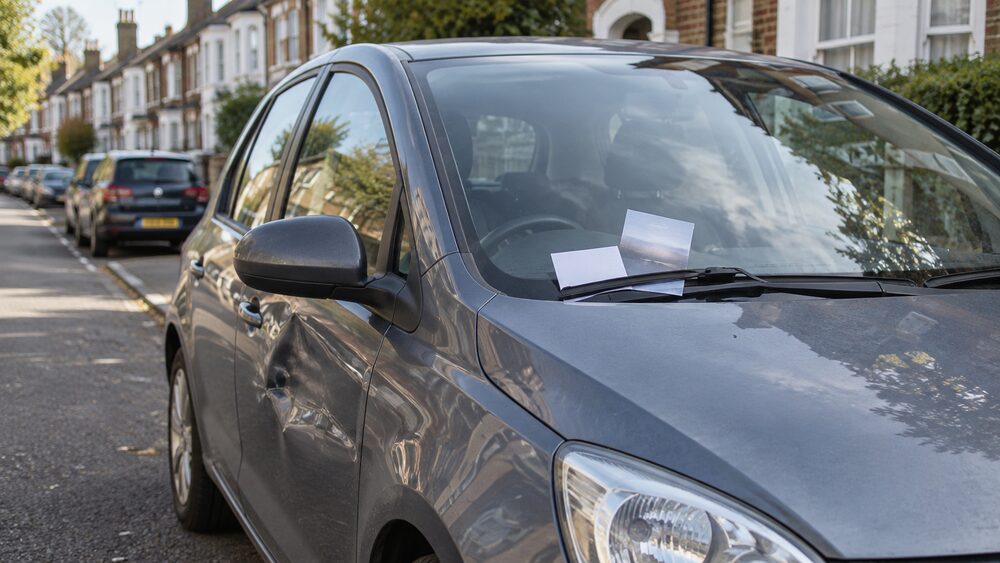
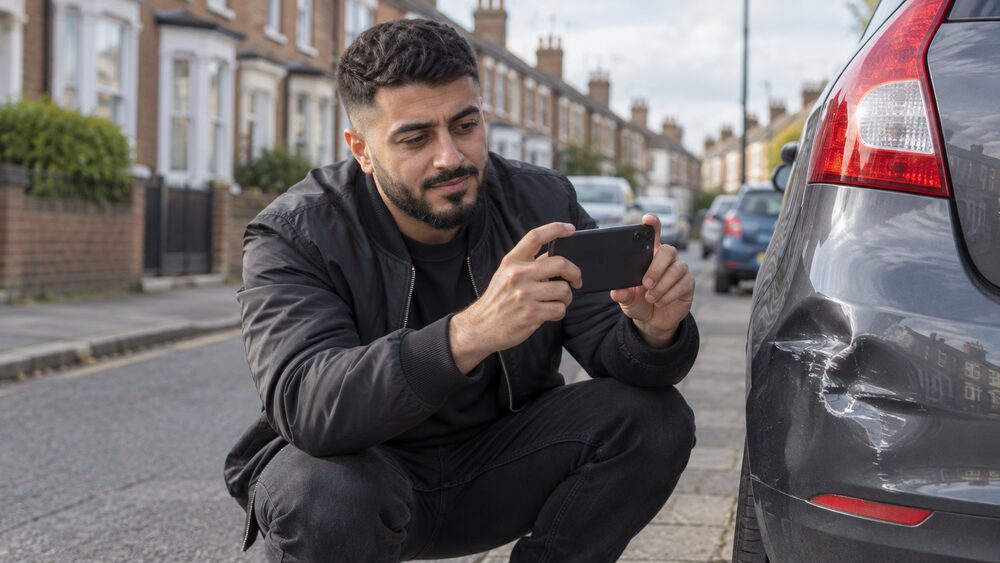
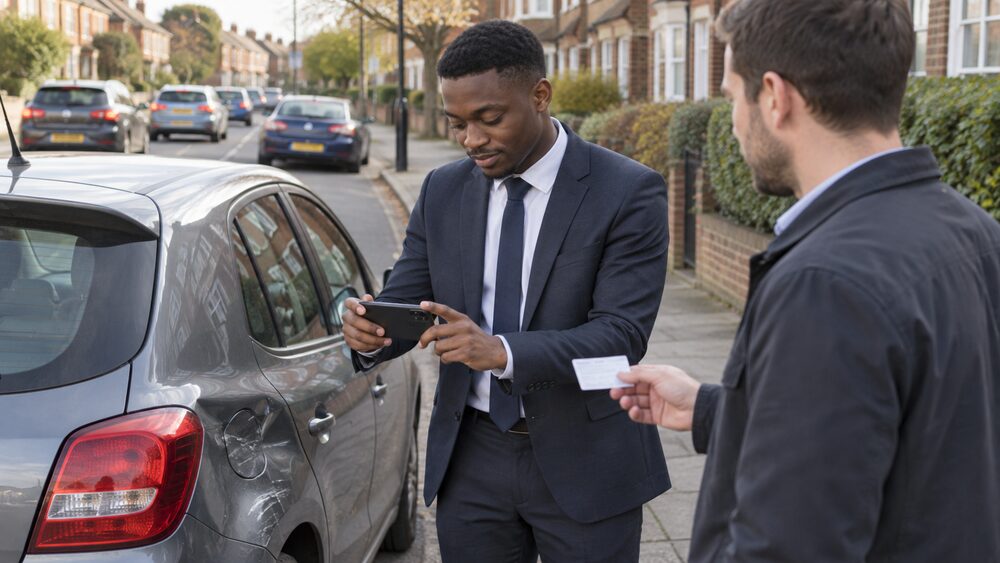
If another driver's insurer rings you after a crash and offers money to settle your claim, that is what people call third party capture. The insurer is acting for the driver it covers, not for you, and its offer is usually pitched at the lowest figure that will close the file. You are not obliged to accept it, and you are not obliged to claim on your own policy either. You can pay for your own repairs, recover the cost from the other driver, or hand the whole thing to your own insurer.
If another driver's insurer rings you after a crash and offers money to settle your claim, that is what people call third party capture. The insurer is acting for the driver it covers, not for you, and its offer is usually pitched at the lowest figure that will close the file. You are not obliged to accept it, and you are not obliged to claim on your own policy either. You can pay for your own repairs, recover the cost from the other driver, or hand the whole thing to your own insurer.
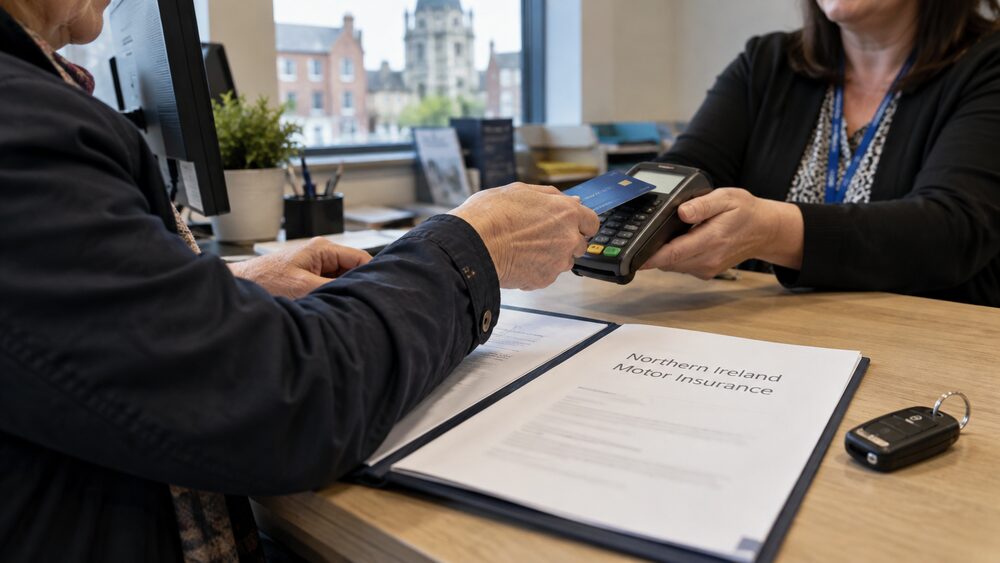
What you can recover depends on the cover you bought. Third party insurance is the legal minimum and pays for injury or damage you cause to others, but not repairs to your own car1. Third party, fire and theft adds fire and theft1. Only comprehensive cover pays for accidental damage to your own vehicle1. If you have third party only cover and the other driver was at fault, your own repairs are still recoverable from them, but you carry the work of pursuing it.
The Financial Ombudsman Service, which settles disputes between consumers and insurers, has set out how a non-fault accident should be recorded. Your insurer should only treat it as a claim if it receives a claim from the other driver, and if you were found not at fault by your renewal date, your no-claims bonus should not be affected whether or not the claim is closed3.
After an accident, you do not have to claim on your own policy
The direct approach from the other side's insurer is the situation the term describes. It is not a formal legal process and it does not change your rights. If someone holds you responsible for an accident, they have the right to request your insurance details, and that request can come later rather than at the roadside6.
You have three broad routes. You can accept the other insurer's offer and settle directly. You can decline and pursue the other driver yourself, which means recovering repair costs and any other losses from them or their insurer. Or you can notify your own insurer and let it handle the claim, which is what most people do.
Whichever route you take, some costs sit outside any motor policy. The Association of British Insurers notes that after an accident you may incur expenses your policy does not cover, such as hiring a car while yours is repaired or compensation for personal injury, and these may be claimed against a third party instead7. That is one reason a direct settlement offer can look generous while leaving you short.
If you are abroad, the advice is to contact the police, avoid admitting liability or signing anything other than the European Accident Statement, and contact your insurer as soon as you can6.
Third party, fire and theft or comprehensive: what each level covers
There are usually three levels of car insurance: third party, third party fire and theft, and comprehensive8. The differences matter most when your own car is damaged, because that is where the cheaper levels stop.
| Cover level | What it pays for | What it does not pay for |
|---|---|---|
| Third party only | Injury or damage you cause to other people and their property1 | Repairs to your own car, and any of your own costs from the accident1 |
| Third party, fire and theft | The same as third party, plus your vehicle if it is damaged by fire or stolen1 | Accidental damage to your own car, and injuries to you9 |
| Comprehensive | The same as third party fire and theft, plus damage to your own car in an accident1 | Anything excluded by the policy terms |
Third party, fire and theft is the lowest level some insurers offer at all, and it is the minimum level for others10. It covers third party costs and repairs to, or replacement of, your vehicle because of fire, theft or attempted theft9. Where a vehicle is written off under that cover, the payout is typically the market value of the car, for fire and theft only12.
Comprehensive is the highest level. It covers you, your car and passengers as well as any third parties involved, and pays out if your car is vandalised or stolen13. It is the level most drivers buy, and the only one that removes the problem of funding your own repairs while a fault dispute is settled.
Third party cover is the legal minimum
Third party insurance is the legal minimum required to drive on public roads in the UK2. It is the most basic cover available and the minimum the law requires14. Driving without it is illegal8.
That legal floor is why the direct approach from another insurer exists at all. If you only have third party cover, your own insurer has no financial interest in your car, so there is nothing for it to repair and no claim for it to pursue on your behalf. The other driver's insurer knows this, which is why its offer may be the only money on the table unless you pursue the other driver yourself.
How a claim and your circumstances affect what you pay
A fault claim is recorded when an accident is either your fault, or not your fault but the cost cannot be claimed from another party3. That second limb is what catches people out: a non-fault accident where the other driver cannot be traced or will not pay can still be recorded against you.
The ombudsman's guidance is specific about the non-fault case. Your insurer should only treat it as a claim if it receives a claim from the other driver, and if it has been found by your renewal date that you were not at fault, your no-claims bonus will not be affected regardless of whether the claim is closed3. Where a customer reported an accident but paid the other person themselves instead of claiming, the ombudsman expects the claim to be recorded as notification only, with no reduction of the no-claims bonus16.
Small claims do not always touch the discount either. One consumer account describes a small chip in a windscreen being fixed without affecting the no-claims discount17. If you want to preserve the discount, you do not have to submit a claim at all if you pay for repairs yourself or recover them from the other driver6.
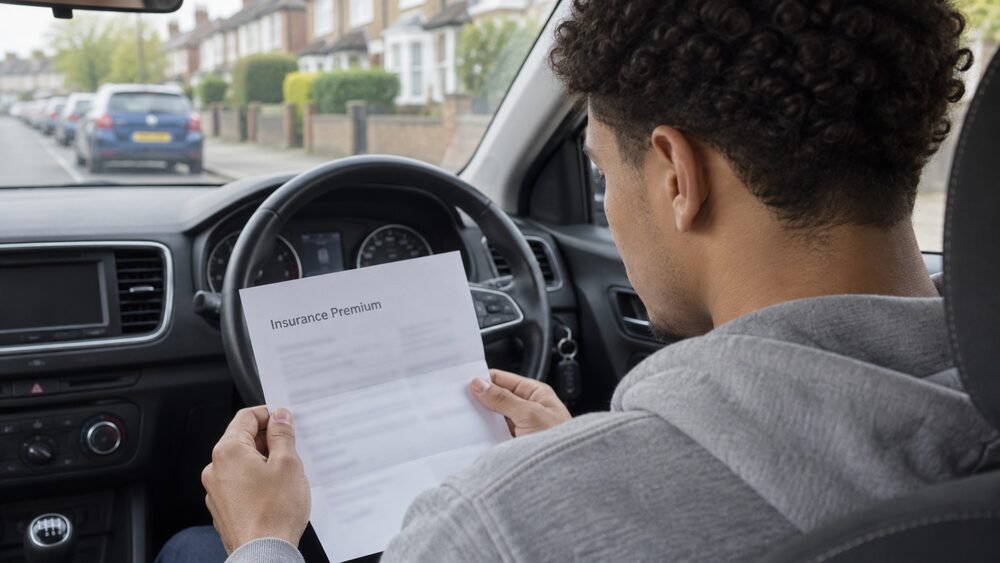
Premiums themselves respond to a wider set of factors. They may be reduced by parking in a garage or driveway, Thatcham-approved security devices, low annual mileage, a cheap-to-repair popular model, advanced driving training such as Pass Plus, paying annually, and a no-claims discount18. They usually start to increase once you are 70 and rise significantly after 8018. Paying monthly can involve a credit check when you sign a new agreement19.
Where FSCS protection stops
If your insurer fails, the Financial Services Compensation Scheme steps in. It pays either 90% or 100% of the claim value where policyholders have valid claims under a policy with a failed insurer5. The rate depends on the type of insurance: motor first party claims are protected at 90% of the claim, and third-party motor claims at 100%20.
That split matters after an accident. The part of a claim that covers injury or damage to other people is protected in full, while the part that covers your own car is protected at 90%. The scheme's protection applies to the insurer, not to the other driver, so it does nothing about a dispute over who was at fault.
Complaining to your insurer: 29% of complaints upheld
Insurers uphold over half of the complaints they receive, meaning they accept they got something wrong4. The ombudsman publishes upheld rates by product, and they vary widely: pet insurance complaints were upheld at 49% in Q1 2025/2621, credit records at 36% and international transfers at 32% in Q1 2026/2722, and credit cards at 29% in Q4 2024/2523. Business protection insurance sat at 23% in Q1 2026/2722.
Where the ombudsman finds against an insurer on a fault claim, the remedy is concrete. It will tell the insurer to change the way the claim was recorded so the customer's current premium can be recalculated, refund extra money paid, and may award compensation for distress or inconvenience for poor customer service16.
Two other outcomes are worth knowing. If an insurer would have charged more had it been given the right information, the ombudsman's approach is proportionate: a customer who paid £100 premium but should have paid £150 paid two-thirds of the premium, so two-thirds of the claim should be paid24. And on credit hire or credit repair after a no-fault accident, if the third-party insurer refuses to pay, for example because it thinks the accident was the consumer's fault or disputes the amount, the consumer might be held responsible for covering the costs25.
"Most insurance policies exclude claims involving theft by deception. However, we sometimes decide the insurer has applied this too strictly."
What happens if you drive without insurance
It is illegal to drive without insurance8. Beyond the offence itself, the practical consequence is that there is no insurer to handle a claim, and the other side's insurer has no reason to offer you anything. The Motor Insurers' Bureau exists to deal with claims involving uninsured and untraced drivers, which is the route that remains.
Theft claims have their own wrinkle. Most policies exclude claims involving theft by deception, but the ombudsman sometimes decides the insurer has applied this too strictly, for example where violence was used, which is more like car-jacking26. Where a relative took the car without consent, the law says that is still theft, so the ombudsman would expect the insurer to pay out on a valid claim, though if the relative had a known history of doing this, it might agree the customer should have kept the keys more securely26.
Can I still claim if I was driving during a red weather warning?
Driving during a red weather alert does not mean you cannot make a claim for damage, but it could invalidate your policy if the insurer decides you did not follow travel advice, such as sticking to a lower speed limit27. The question is whether you took reasonable care given the warnings in force.
Can I cancel my car insurance and get a refund?
You can cancel a policy, and what you get back depends on how much of the term is left and whether a claim has been made. If you gave wrong information when you took the policy out, the insurer may cancel it and any claims may be rejected19. Where an insurer has recorded a fault claim unfairly, the ombudsman can order it to change the record, recalculate the premium and refund the extra paid16.
Where to get free help
If a claim is going badly, complain to the insurer first. If you are not satisfied with its final response, the Financial Ombudsman Service can look at it free of charge. MoneyHelper and Citizens Advice offer free, impartial guidance on insurance and on what to do when a claim is refused. For debt problems arising from an accident, StepChange and other debt advice charities give free advice.
Sources27 cited
- Motor insurance explained nidirect, 2026-05-27
- Vehicle insurance GOV.UK, 2026-09-26
- Fault claims and no-claims bonuses Financial Ombudsman Service, 2026-07-10
- Will your travel insurance actually cover you this summer? Which?, 2026-05-22
- What we cover: insurance Financial Services Compensation Scheme, 2026-09-25
- I've been in a car accident, do I have to claim on my insurance? Which?, 2026-03-31
- Accident checklist British Insurance Brokers' Association, 2026-09-26
- Buying a car Royal Bank of Scotland, 2026-09-26
- Types of car insurance cover Aviva, 2026-09-26
- Third party, fire and theft AXA, 2026-09-26
- Third party only car insurance esure, 2026
- Over 50s car insurance Aviva, 2026-09-26
- Car insurance Santander, 2026
- Types of car insurance Diamond, 2026-09-26
- Hastings Direct car policy IPID, third party fire and theft Hastings Direct, 2026
- Fault claims and no-claims bonuses: complaints we deal with Financial Ombudsman Service, 2026-09-16
- Will claiming for a chipped windscreen make my car insurance cost more? Which?, 2026-03-02
- Shopping around for insurance Independent Age, 2026-09-26
- Have my penalty points pushed up my car insurance premiums? Which?, 2025-12-29
- Flood insurance and FSCS protection Financial Services Compensation Scheme, 2026-09-25
- Quarterly complaints data Q1 2025/26 Financial Ombudsman Service, 2025
- Quarterly complaints data Q1 2026/27 Financial Ombudsman Service, 2026
- Quarterly complaints data Q4 2024/25 Financial Ombudsman Service, 2024
- Misrepresentation and non-disclosure Financial Ombudsman Service, 2026-09-26
- Credit hire and credit repair services following a no-fault accident Financial Ombudsman Service, 2026-09-16
- Vehicle theft Financial Ombudsman Service, 2026-09-16
- Does your insurance cover damage caused by bad weather? Which?, 2025-12-08
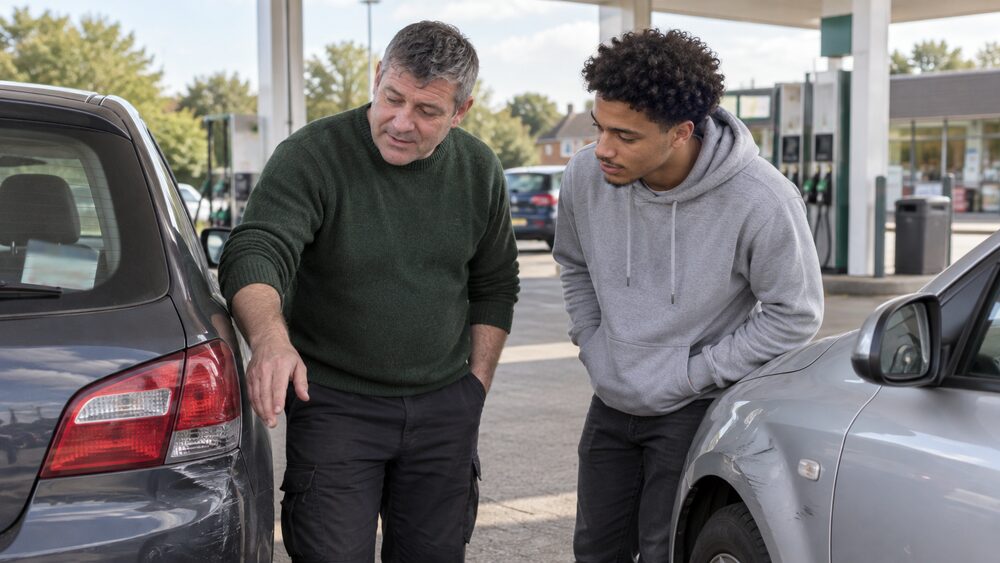
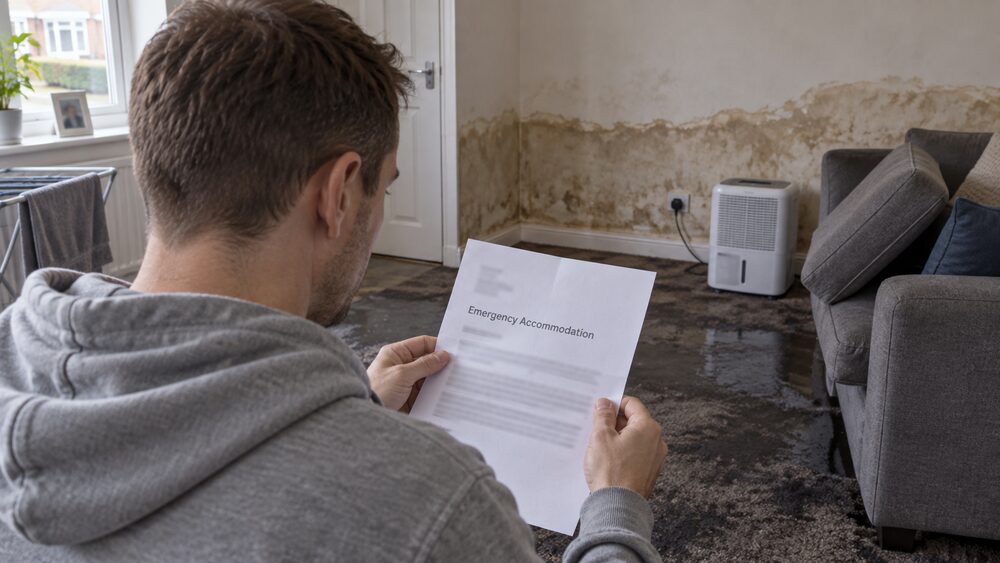
 MoneyHelperFree, impartial money and pensions guidance, set up by government
 Financial Ombudsman ServiceFree, independent help when a complaint about a firm is not put right
 FSCSProtects your money if a bank, insurer or investment firm fails
 Citizens AdviceFree advice on money, consumer and legal problems in England and Wales
 GOV.UKOfficial information on tax, benefits and government services