
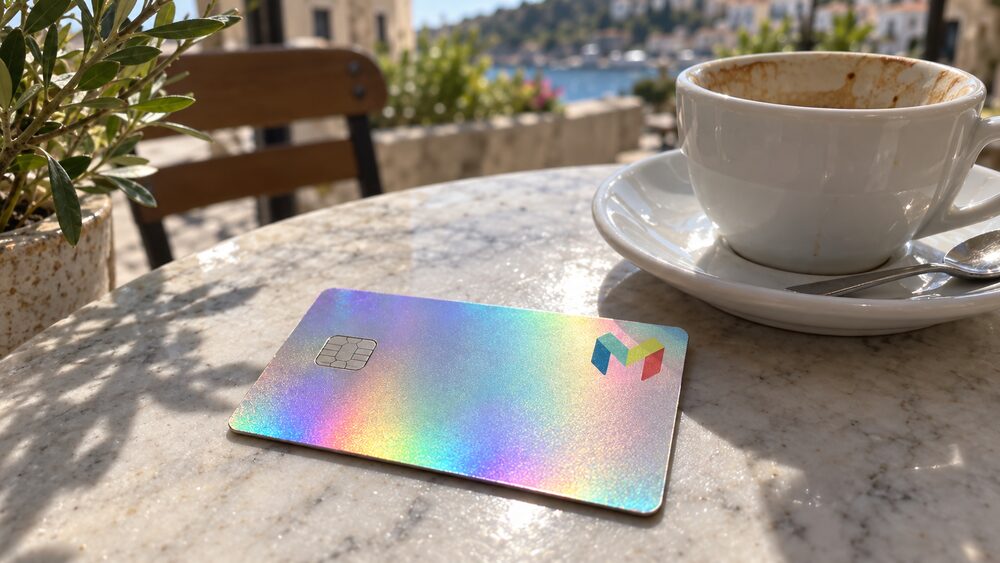
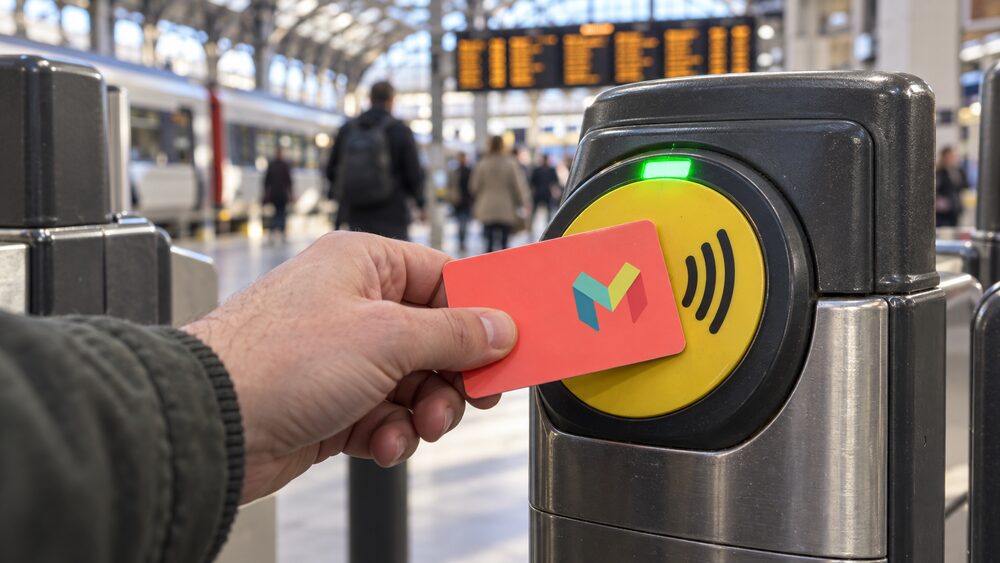
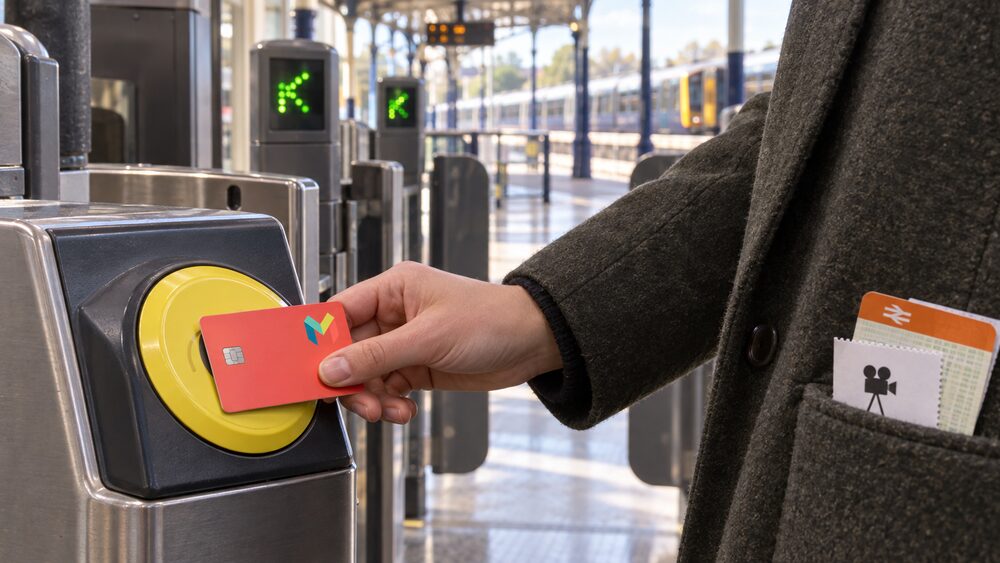
Santander Edge Up is a current account you pay for. It pays cashback on selected household bills paid by Direct Debit, pays interest on the money in the account, and comes with a contactless debit card.
The account is one of a family. Santander Edge is the cheaper version, with a lower monthly fee and lower cashback caps. Santander Edge Explorer is the version that adds insurance-style benefits rather than higher cashback. Edge Up sits between them: more cashback than Edge, no insurance bundle, and a monthly fee that the cashback has to beat for the account to be worth holding.
This page covers what the account offers, how the cashback and interest are worked out, what you have to do each month to qualify, what it costs, who can open one, and how it differs from Santander Edge. Santander's own site carries today's rates, fee and cashback figures, which change; the rules below are the ones that decide whether you get paid.
What Santander Edge Up offers: cashback, interest and a debit card
Edge Up is a current account with cashback and interest2. Three things come with it.
The first is cashback on household bills paid by Direct Debit. Santander lists the eligible bills as council tax, mobile and home phone bills, broadband and paid-for TV packages, gas and electricity, and water1.
The second is interest on the balance. Santander says interest is calculated daily and paid monthly1. The rate is set by the bank and changes, so the account page carries the current figure.
The third is the card. The account comes with a contactless debit card1. Santander's comparison of its current accounts also lists a chequebook as included on Edge Up, and on the Edge and Edge Explorer accounts3.
Cashback is paid into the account each month rather than held as a separate pot, and Santander says its customers get a share of cashback every month2. The account also gives access to Santander Boosts, the retailer offers scheme, which is open to customers with a Santander debit or credit card4.
How the cashback on household bills works
The cashback is tied to Direct Debits. A bill only earns cashback if it is paid by Direct Debit from the Edge Up account, and the account needs two active Direct Debits on it to qualify at all1. That means the two requirements overlap: the Direct Debits that unlock the cashback are usually the same ones that earn it.
The list of eligible bills is specific. Council tax, mobile and home phone, broadband and paid-for TV packages, gas and electricity, and water all count1. Santander states plainly what does not:
"Cashback isn't paid on TV licences, LPG or Calor gas, maintenance contracts (e.g. boiler repair cover) or for commercial use."
The exclusion of commercial use matters if you run a business from home or pay a bill that is billed to a company rather than to you personally. The exclusion of maintenance contracts catches boiler cover and similar policies, which are often paid by Direct Debit and look like a household bill but are not on the list.
The cap is the other limit. A household with council tax, energy, water, broadband and a mobile contract will typically be well under that, so the cap is unlikely to reduce what most people receive.
Cashback is paid monthly2. If a Direct Debit fails or is cancelled, the bill behind it stops earning, and if you drop below two active Direct Debits the account stops qualifying for cashback and interest altogether for that month1.
Interest on your balance: how it is earned and paid
Interest on Edge Up is calculated daily and paid monthly1. Calculating daily means the balance on each day is what earns, so money that sits in the account for part of the month earns for that part of the month, and money moved out stops earning from the day it leaves.
The rate is set by Santander and can change. The account page carries the current figure, and Santander's general guidance on savings explains how compounding works: interest paid into an account increases the balance, and later interest is then earned on the larger amount5. On a current account paying monthly interest, that effect is small but real over a year.
Interest is not automatic. Miss either in a month and the interest for that month is not paid, even though the money was in the account.
One exclusion catches people out. So moving money from your own Santander savings account into Edge Up does not satisfy the funding requirement, and neither does interest the bank itself has credited.
Qualifying each month: pay-ins and Direct Debits
Two conditions have to be met every month, not once at the start.
The first is the pay-in. Santander says to pay at least £1,500 into the account each month1. The money has to come from outside your own Santander personal accounts: payments between Santander personal accounts you are named on do not count, and neither does interest the bank pays you1.
The second is the Direct Debits. You need two active Direct Debits on the account1. Active means they are live and being collected, not merely set up. A Direct Debit that has been cancelled, or one that has not collected for months, will not do.
Direct Debits are the standard way household bills are collected in the UK. UK Finance recorded 5 billion Direct Debit payments in 2025, an increase of 2% on the year before6. Most people will already have two or more running, which is why the requirement is usually easy to meet, but they need to be on the Edge Up account rather than on another bank's account.
If you are switching in, the Direct Debits move with the switch. Santander's switching pages set out how the Current Account Switch Service handles them, and the bank's own switching support explains what happens to payments going to the old account7.
The monthly fee and other charges
Edge Up carries a monthly fee. Santander's site carries the current figure, and the fee is charged whether or not you qualify for cashback and interest in a given month. That is the central trade-off of the account: the cashback and interest have to be worth more than the fee for the account to leave you better off, and in a month when you miss the qualifying conditions, the fee is still taken.
Santander charges monthly fees retrospectively on at least one of its accounts, meaning the fee shown relates to the previous month8. That is worth knowing when you read a statement, because the fee you see may not be for the month you are in.
On refused payments, the position is clear. Santander states:
"We don't charge fees for allowing or refusing a payment due to lack of funds."
The same wording appears for the Edge account, the Edge Explorer account and the Edge Student account, and in Santander's general overdraft support9. So there is no per-item charge for a bounced Direct Debit or a declined card payment on this account.
That is not the same as saying a refused payment costs nothing. If a Direct Debit is refused, the bill behind it goes unpaid, the company you owe may charge its own late payment fee, and the missed payment can be recorded on your credit file. The bank's charge is zero; the consequences elsewhere are not.
Overdrafts are a separate matter. Santander's overdraft support sets out how arranged and unarranged overdrafts work on its accounts12. Two different figures for the cost of using an overdraft on Santander's 1|2|3, Edge, Edge Up, Edge Explorer and Everyday accounts appear in the account page and the overdraft support page, and the two documents disagree on which applies, so no single figure can be given here. The account page and the overdraft support page carry the current position.
Using your card abroad and sending money overseas
Edge Up is one of the Santander accounts built for use abroad. The bank states that it will apply the current Mastercard exchange rate to purchases and cash withdrawals made in the local currency1.
That means the cost of spending abroad on this card is the exchange rate itself rather than a separate conversion charge. The rate is set by Mastercard, not by Santander, and it moves with the market, so the amount you get depends on the day the payment is processed. Santander's travel support explains how the conversion works in practice13.
Sending money overseas is also covered. Santander says there are no extra fees from the bank for international payments made from its Edge, Edge Up and Edge Explorer current accounts when sending money to friends and family abroad14. As with card spending, the exchange rate applied to the transfer is the cost to watch.
This is a different position from Santander's credit cards. The bank's credit card support states that when you use a Santander credit card abroad you may be charged additional fees and interest for non-sterling transactions15. So a Santander debit card on Edge Up and a Santander credit card do not behave the same way overseas.
Who can open a Santander Edge Up account
The eligibility rules are short. Santander states that to open Edge Up you must be over 18 and live in the UK permanently1. You also need proof of ID and proof of address1.
Santander applies a two-document standard on at least one of its accounts: for the Basic Current Account it asks for two different documents from two different sources16. That gives a sense of what the bank expects, though the Edge Up page itself simply says proof of ID and proof of address1. If your circumstances make the usual documents hard to produce, it is worth asking the bank what it accepts before applying.
A credit check is carried out. Santander states: "We'll carry out a credit check when you apply"1. That is a full check on a current account application, and it is recorded on your credit file. It is different from the eligibility checkers Santander offers for credit cards, which show how likely you are to be accepted and do not affect your credit score17.
Joint accounts are available. Santander says all its adult current accounts can be set up as joint bank accounts19. If you later want to add someone to a sole account, the process involves forms and proof of ID for the new holder19.
There is a limit on how many you can hold. Santander states that you may hold a maximum of two Edge Up current accounts, one in your own name and one in joint names1. The same limit applies to the Edge account9.
If you also want the linked Santander Edge saver, that account is single-name only, and you need to keep an Edge or Edge Explorer current account to keep it9. Santander's savings pages set out how the linked saver works20.
Edge or Edge Up: how the two accounts differ
Both accounts pay cashback on household bills and both carry a monthly fee. The differences are in the caps and the fee.
Both pay at 1% on the same list of eligible bills, and both exclude TV licences, LPG or Calor gas, maintenance contracts and commercial use1.
On the fee, Edge Up costs more per month than Edge. Which? Santander's site carries the current fee for both accounts, and both have changed since.
| Santander Edge | Santander Edge Up | |
|---|---|---|
| Monthly pay-in to qualify | £1,5001 | £1,5001 |
| Direct Debits needed | 2 active1 | 2 active1 |
| Chequebook | Yes3 | Yes3 |
| Fees for refusing a payment | None9 | None1 |
| Monthly fee | Santander's site carries the current figure | Santander's site carries the current figure |
There is a third account in the family. Santander Edge Explorer pays cashback on household bills, at supermarkets and on travel costs, and adds benefits such as worldwide travel cover, 24/7 remote GP access, UK and European breakdown cover and mobile phone cover10. It has its own eligibility rules: you must be 18 to 73 years old and live in the UK permanently, and for a joint account both holders must live at the same address10. Edge Up has no upper age limit stated, only that you must be over 181.
If you already hold Edge and want to move up, Santander sets out the route in the app: select Products and offers from the quick links at the top of the home screen, then Current accounts, then Change your Santander account, and follow the steps on screen9. Santander says that when existing customers upgrade in the app, account details such as the sort code, account number and PIN stay the same10.
How to apply, switch and get help
You can apply for Edge Up through Santander's current account pages, and you can switch in using the Current Account Switch Service, which moves your balance, Direct Debits and standing orders and redirects payments sent to the old account7. Santander's switching support sets out what the service covers and what you need to do7. Which? explains the mechanics of switching without closing an existing account if you would rather run two accounts side by side22.
Santander runs switching incentives from time to time on other accounts in its range. Offers of this kind come with conditions and exclusions, and the terms on the bank's switching pages are the ones that decide whether a payment is made.
Once the account is open, most day-to-day management is through the Mobile Banking app or Online Banking. Santander's security guidance is to keep your device and apps on the latest version and enable automatic updates where possible23.
If something goes wrong, Santander's support pages cover the account, and the bank's complaints process applies. If a complaint is not resolved to your satisfaction, the Financial Ombudsman Service can look at it; the ombudsman is free to use and independent of the bank. MoneyHelper offers free, impartial guidance on current accounts and switching for anyone who wants it before deciding.
Sources23 cited
- Santander Edge Up current account Santander, 2026-04-28
- Cashback current accounts Santander, 2026
- Compare our range of current accounts Santander, 2026
- Retailer offers Santander, 2026
- Savings tips Santander, 2026
- Payment Markets Report 2026 summary UK Finance, 2026-08
- Switching to Santander Santander, 2026
- Changes to your current account Santander, 2026
- Santander Edge current account Santander, 2026-04-28
- Santander Edge Explorer current account Santander, 2026
- Santander Edge Student current account Santander, 2026
- Overdrafts Santander, 2026
- Helping you when travelling abroad Santander, 2026
- Making international payments Santander, 2026
- Your credit card repayments Santander, 2026
- Santander Basic Current Account Santander, 2026-04-28
- How credit cards work Santander, 2026
- Everyday Long Term Balance Transfer credit card Santander, 2026
- Joint accounts Santander, 2026
- Santander Edge saver Santander, 2026-04-28
- Transferring your Santander Edge Student current account Santander, 2026
- How to switch your bank account Which?, 2026
- Protecting your device Santander, 2026










 MoneyHelperFree, impartial money and pensions guidance, set up by government
 FSCSProtects your money if a bank, insurer or investment firm fails
 Financial Ombudsman ServiceFree, independent help when a complaint about a firm is not put right
 Citizens AdviceFree advice on money, consumer and legal problems in England and Wales