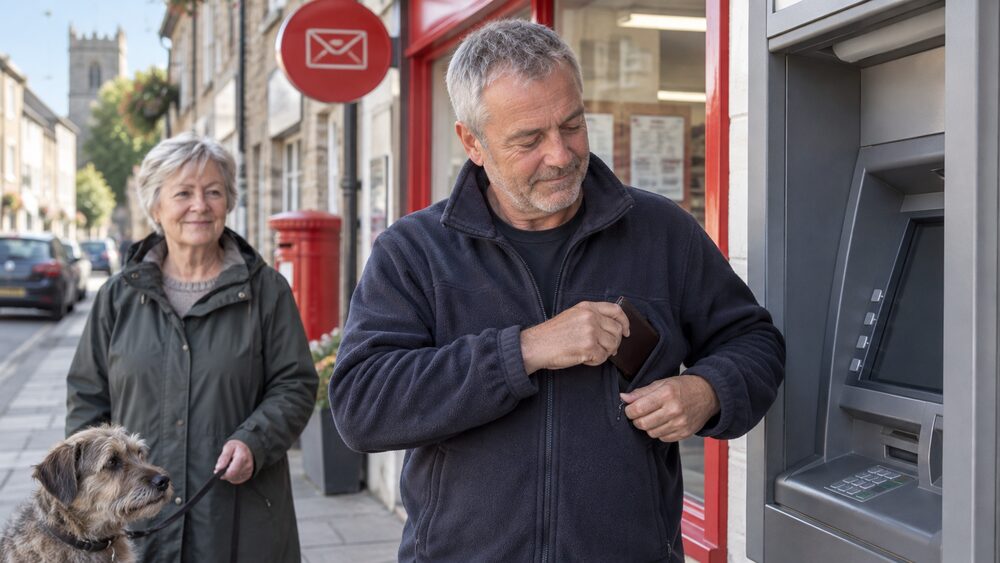
Most cash machine withdrawals in the UK are free. Of all cash withdrawals made in the UK, 98% are carried out at free to use ATMs, according to the Payment Systems Regulator, which oversees LINK, the ATM network, to make sure people and businesses have access to cash across the UK1. Using a cash machine is usually free, but the signs on the machine itself set out whether a fee applies, so it is worth reading them before a withdrawal3.
Most cash machine withdrawals in the UK are free. Of all cash withdrawals made in the UK, 98% are carried out at free to use ATMs, according to the Payment Systems Regulator, which oversees LINK, the ATM network, to make sure people and businesses have access to cash across the UK1. Using a cash machine is usually free, but the signs on the machine itself set out whether a fee applies, so it is worth reading them before a withdrawal3.
The machines that do charge are a minority, and the fee is shown on screen before the withdrawal goes through, so you can cancel. Most UK ATMs let you take cash out with cards that use any of several different payment networks, most commonly LINK, Visa and Mastercard4. You can use any cash machine in the UK to withdraw cash and use the services available, although these may not be free to use5.
The picture changes abroad. Using a debit card overseas typically costs £1 to £3 each time you use your card, except euros in the EU, plus a foreign exchange fee often around 3% of the transaction amount6. A withdrawal that takes you past your balance can also land you in overdraft interest, and a cash machine is one of the places card fraud happens. This page sets out what each route costs, what protects you, and where that protection stops.
Most UK cash machines are free, but check the screen and signs
The UK's cash machine network is built around free withdrawals. The Payment Systems Regulator states that "Overwhelmingly, the majority of cash withdrawals are carried out at free to use ATMs (98%)"1. The regulator continues to oversee LINK, the ATM network, making sure people and businesses have access to cash across the UK2.
That does not mean every machine is free. Most are free to use, but some charge a fee and this will be advised on the screen3. The practical rule is to look at the machine's own signage and then at the screen before you confirm the amount. If a fee applies, it appears there, and you can walk away.
Which card you use matters too. Cash machine withdrawals in pounds in the UK are free if you're using your card in a cash machine with a Visa logo9. Debit cards are usually free for UK cash machine withdrawals, which is why using a debit card rather than a credit card to take out cash is the cheaper route10.
There is one group of accounts where even a free machine can cost you. With credit union current accounts, you might be charged each time you use a cash machine to withdraw money or view your balance, so always check11. And the cost of paid machines falls hardest on people who rely on cash: some are charged to use fee-charging ATMs because they use cash to budget on a tight income12.
Withdrawing cash at the Post Office and community cash machines
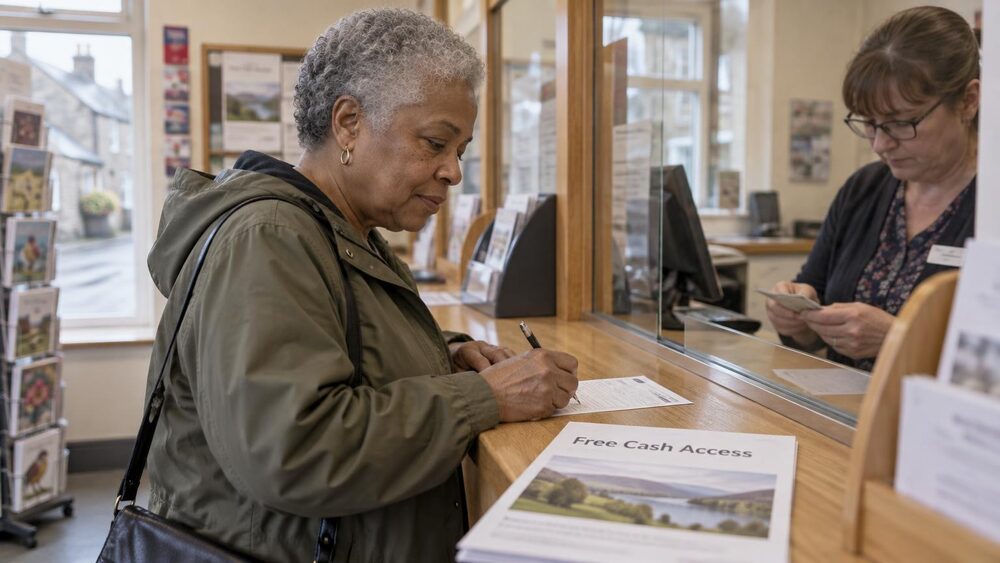
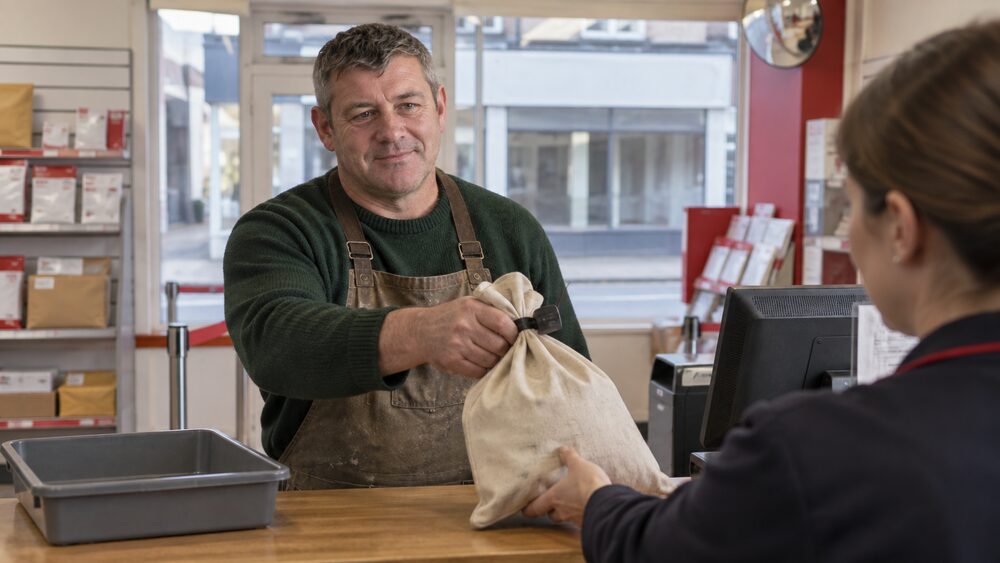
The Post Office is a free alternative for many current account holders. Some banks will let you cash a current account personal cheque or use your cash card at the Post Office, free of charge, though which banks do this varies, so ask your local post office13. Post Office counter withdrawals are free14.
Community Cash In & Out machines, the shared machines placed where branch and ATM coverage has thinned, are free to use15. They are completely free to use, and they let you pay cash in as well as take it out16.
Credit union members have their own routes to cash. These include cashing a cheque at a local Post Office, taking cash from a local credit union office, having money paid directly into a bank account, or using a debit card at a cash machine if the credit union operates a current account17. Post Office Instant Saver withdrawals are free of charge18.
If you cannot get to a branch or a machine, the Payment Exception Service lets you get vouchers that you can swap for cash at a Post Office or PayPoint outlet, often found in a corner shop, loaded onto a payment card or sent by email or text message19. For more on the shared options, see access to cash and banking at the Post Office.
Using your debit card at cash machines abroad: £1 to £3 a withdrawal plus around 3%
Taking cash out overseas is where the costs stack up. MoneyHelper's guidance on current accounts says using your debit card abroad brings a spending or cash machine charge, typically between £1 and £3 each time you use your card, except euros in the EU, plus a foreign exchange fee, often around 3% of the transaction amount6.
The euro exception is real but narrow. Halifax does not charge for euro withdrawals from outside the EEA or UK where the cash machine operator's payment service provider is based in the EEA or UK20. Bank of Ireland UK does not charge for making a cash withdrawal at cash machines in the UK, however some providers may21. Rules differ by bank, so the account terms are the only reliable guide.
Credit cards are more expensive for cash. You can expect to pay a fee of around 3%, minimum £3, when you take money out of an ATM with a credit card7. Most credit cards add a foreign transaction fee of around 3% on non-sterling purchases and cash withdrawals22. On top of that, a cash withdrawal on a credit card usually means a cash advance fee, a higher APR and no interest-free period even if the bill is repaid in full and on time22.
One practical habit saves money: avoid taking cash out of ATMs in lots of small amounts, because you may get charged per withdrawal23. The amount you can withdraw on a credit card depends on your credit limit and current balance, as well as a daily cash limit for cash machine use, which is disclosed in the terms and conditions24.
| Where you withdraw | Typical cost |
|---|---|
| UK cash machine, debit card | Usually free10 |
| UK cash machine, Visa logo | Free9 |
| Debit card abroad | £1 to £3 per use, except euros in the EU, plus around 3% foreign exchange6 |
| Credit card abroad | Around 3%, minimum £3, plus interest from day one7 |
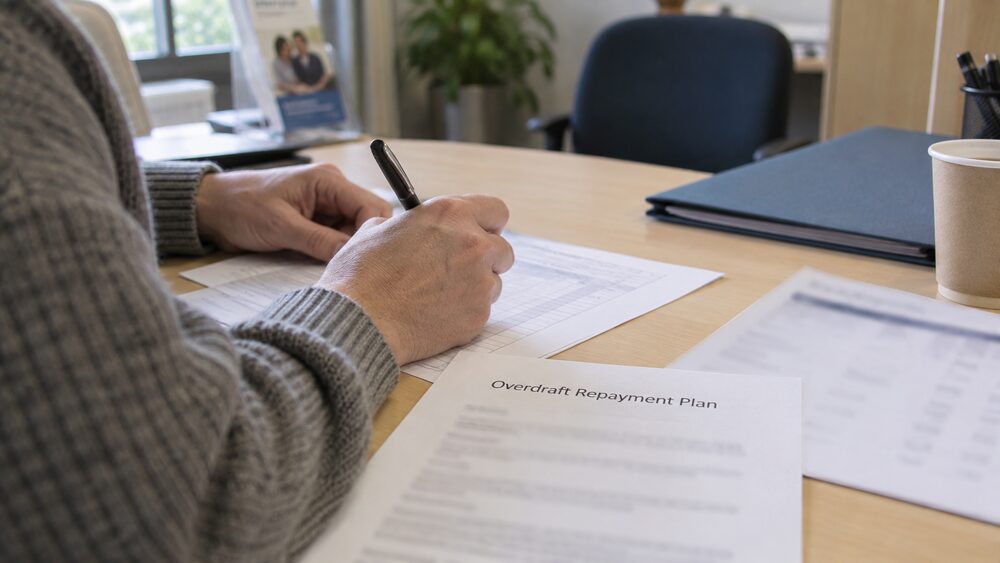
When a withdrawal takes you into your overdraft
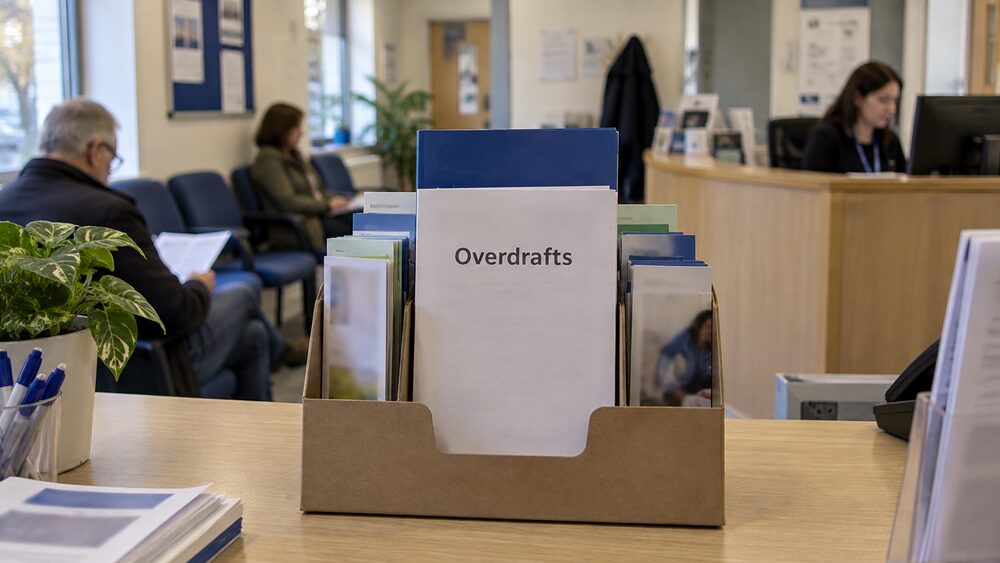
A cash machine will let you take out more than you hold if your account has an arranged overdraft. Overdrafts let you take out cash at no extra charge25, but the borrowing itself is not free: you pay daily interest for using an overdraft, often up to 40% APR until it is paid back6.
The bigger risk is that the facility can disappear. Your bank can withdraw or reduce your overdraft at any time, without notice26. If you are using your overdraft, you'll have to pay it back before you can close your account, and you'll lose access to statements, so make sure you've got copies if you need them6.
Accounts without an overdraft remove that risk. These accounts normally have no fees or overdraft27. A basic bank account gives you no overdraft facility, no interest charged on the account, and no fees for returned direct debits or standing orders28. You will not be able to borrow money, or have an overdraft or cheque book29.
If a withdrawal is refused because there is not enough money, a fee can follow: a fee if you don't have enough money to cover a payment, usually called an unpaid transaction fee6. For the mechanics of borrowing this way, see overdrafts explained and how overdraft interest and charges work.
Problems with a cash withdrawal: fraud, refunds and complaints
Cash machines are a safe way to access your account and money, but there are steps that protect users30. You cannot withdraw money from a cash machine using contactless: you need to enter your PIN31. If you notice anything strange about the ATM, such as loose or unusual attachments, report it to the cash machine operator, and the machine is best left unused if it feels unsafe32.
Some banks will allow you to put a maximum cash machine withdrawal limit through your banking app, which can prevent criminals taking large sums if your card is stolen30. That is worth setting before you travel or if you rarely use cash.
On refunds, the position is narrower than many people assume. There is not an automatic legal right to receive your money back through chargeback rights or Section 75, as this will depend on the supplier's terms and conditions, scheme rules such as Mastercard, Visa or Amex, applicable government laws and regulations and the approach taken by your card issuer33. Chargeback is the route to ask for money back if you paid with a debit card or charge card, or with a credit card or buy now, pay later and you can't use Section 7534.
If a complaint is needed, the route is fixed. Contact customer services, then make a formal complaint, and the bank has eight weeks to investigate and give a final response6. If the complaint is related to payments, it has 15 days to investigate and give a final response35. If you still disagree, or the deadline passes, you can take it to the free Financial Ombudsman Service6. The ombudsman recorded 8,945 current account complaints opened in the first quarter of 2026/2736.
Where protection stops
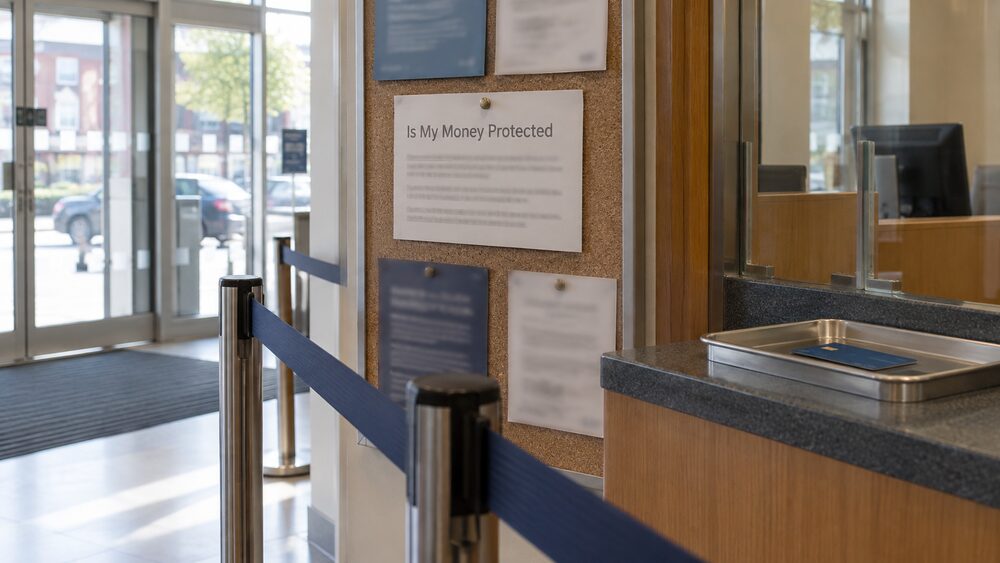
If your bank is a regulated UK bank or building society, your money is protected. If your bank goes bust then you'll automatically get your money back under the Financial Services Compensation Scheme8. That covers the balance in your current account, not the cash in your hand.
Not every account that looks like a current account is covered the same way. If an account is not FSCS protected, it's likely to be a virtual current account covered by e-money rules, which means your money is kept safe at a different bank, but you'd need to make a claim to the administrator if your provider failed37. Some client money arrangements work differently again: if the platform collapses, your money will be safe, and you won't have to wait for administrators to get it back38.
The other limit is on the transaction itself. Chargeback is not an automatic legal right, and it depends on scheme rules and your card issuer's approach33. Cash withdrawals are also excluded from the reimbursement rules that cover authorised push payment fraud: those rules do not cover payments made using cash, a cheque, or a credit, debit, or prepaid card39.
For the full picture on account protection, see is my current account protected? FSCS and e-money accounts, and for unauthorised transactions see unauthorised payments from your bank account.
Sources39 cited
- The UK's ATM network Payment Systems Regulator, 2026-09-26
- How we help you Payment Systems Regulator, 2026-09-26
- Banking terms HSBC UK, 2026
- Access to cash: frequently asked questions Payment Systems Regulator, 2026-09-26
- Cash machines AIB (NI), 2026
- How to open, switch or close your bank account MoneyHelper, 2026-09-25
- Spending abroad: the 4 dos and 5 don'ts Which?, 2024-07-26
- Protect your money NS&I, 2025-12-01
- Banking tariff Cater Allen, 2026
- Credit cards vs debit cards HSBC UK, 2026
- Credit union current accounts MoneyHelper, 2026-09-25
- The poverty premium in 2026: payments Fair By Design, 2026-05-28
- Getting a bank account Citizens Advice, 2026-09-26
- Banking hubs Halifax, 2026-09-27
- Cash in and out Lloyds Bank, 2026-09-27
- Cash in and out Halifax, 2026-09-27
- Credit unions Building Societies Association, 2026-09-15
- Instant Saver Post Office, 2026
- Choosing a bank account for your Universal Credit payment MoneyHelper, 2026-09-25
- Savings charges Halifax, 2026-09-27
- Terms and conditions Bank of Ireland UK, 2026-04
- Should I get a credit card? Which?, 2026-09-18
- Travel money ABTA, 2026
- Cash transactions Lloyds Bank, 2026-09-27
- Overdraft vs credit card Experian, 2026
- Overdrafts: things to consider StepChange, 2026-09-25
- Managing money for someone else Scope, 2025-11-27
- Basic bank accounts Advice NI, 2026-09-26
- Making the most of your bank account Independent Age, 2026-09-26
- Cash machine fraud Take Five, 2026-09-26
- Safer ways to pay Consumer Council, 2026
- ATM fraud Royal Bank of Scotland, 2026-09-25
- Chargeback rights and Section 75 UK Finance, 2026
- Getting your money back if you paid by card or PayPal Citizens Advice, 2026-09-25
- Basic bank accounts MoneyHelper, 2026-09-25
- Quarterly complaints data Q1 2026/27 Financial Ombudsman Service, 2026
- How to choose the right bank account MoneyHelper, 2026-09-25
- Your rights as an investor Which?, 2025-11-28
- App guide Take Five, 2026-09-26
 MoneyHelperFree, impartial money and pensions guidance, set up by government
 FSCSProtects your money if a bank, insurer or investment firm fails
 Financial Ombudsman ServiceFree, independent help when a complaint about a firm is not put right
 Citizens AdviceFree advice on money, consumer and legal problems in England and Wales