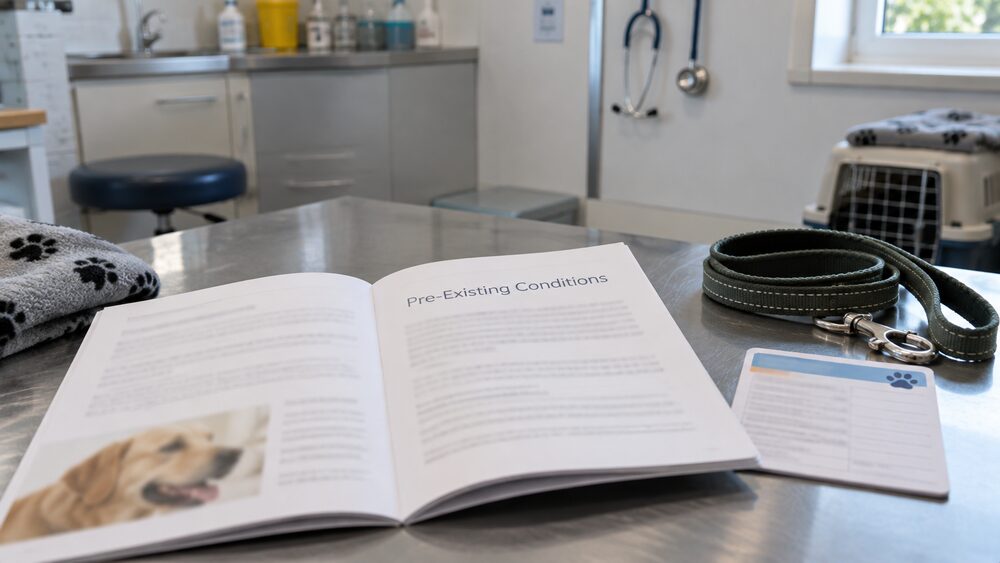
Pet insurance is built to pay for illness and injury, not for everything your pet needs. The exclusions that catch people out are consistent across the market: a condition your pet had before the policy started, routine care such as vaccinations and flea treatment, and damage your pet does to your home, which sits on your contents cover rather than your pet policy. Most providers exclude pre-existing conditions from any new cover1.
Pet insurance is built to pay for illness and injury, not for everything your pet needs. The exclusions that catch people out are consistent across the market: a condition your pet had before the policy started, routine care such as vaccinations and flea treatment, and damage your pet does to your home, which sits on your contents cover rather than your pet policy. Most providers exclude pre-existing conditions from any new cover1.
The numbers behind refused claims are worth knowing before you buy. Which? found that only 29% of dog policies and 21% of cat policies potentially covered pre-existing conditions, as of 31 January 20242, and that 12% of dog and cat policies would not cover dental treatment resulting from an illness2. Post Office states plainly that it cannot cover pre-existing conditions known before you take out the policy3.
Cover also changes over time, and not only at renewal. A time-limited policy stops paying for a particular condition after 12 months from the first date of treatment, or sooner if the maximum amount has been paid out4. An annual policy has a maximum overall limit covering all conditions, which resets each year5. Knowing which structure you hold explains most of the surprises.
What pet insurance usually does not cover
The standard exclusions fall into a few groups, and they are the same whether you buy from a bank, a supermarket or a specialist. Routine and preventative care is the largest: vaccinations, spaying, castration, flea, worm and tick treatments, grooming, claw clipping and teeth maintenance are often excluded from cover1. Lloyds lists everyday pet care costs such as vaccinations, check-ups and grooming, plus routine dental check-ups, elective dental treatments, crowns and root canal procedures, and preventative parasite control such as regular flea treatments7.
Dental treatment is a grey area rather than a clean exclusion. Lloyds covers a wide range of common conditions including dental illness, diabetes and skin conditions, as long as there were no symptoms before the policy started7. Agria covers dental illness and injury but excludes routine check-ups, elective treatments, crowns and root canal procedures8. The dividing line is treatment for disease versus maintenance.
Some policies exclude whole categories of pet. Post Office does not cover a long list of breeds, including crossbreeds, among them the American Pit Bull Terrier, Cane Corso, Japanese Tosa, Wolf Hybrid and XL Bully3. Sainsbury's Bank says certain dog breeds cannot be covered, and some cannot be insured under its £10,000 Lifetime Cover, with policies restricted to cats, dogs and rabbits9. Accident-only policies, the cheapest type, do not cover illnesses at all, only injuries1.
Pre-existing conditions: the most common reason a claim is refused
A pre-existing condition is anything your pet had signs of before cover started, and it is the single biggest source of refused claims. Most providers exclude pre-existing conditions from any new cover, though in some cases they may be allowed if your pet has been symptom-free1. Which? reports that most pet insurance policies exclude pre-existing conditions10. Post Office confirms it is unable to cover pre-existing conditions known before you take out the policy3.
The definition is wider than most owners expect. Lloyds excludes pre-existing conditions including any sign of illness, injury or behavioural issues that started before the policy was first taken out11. M&S excludes any pre-existing conditions you or your vet were aware of before the policy start date6. Agria's XL Bully policy excludes cover for pre-existing conditions that started before the policy12. A single note in your vet's records, even for something that turned out to be nothing, can be enough.
A minority of policies do cover them. Which? found 29% of dog policies and 21% of cat policies potentially covered pre-existing conditions, as of 31 January 20242. Petplan can provide cover for some pre-existing medical conditions, for example where there have been no recent symptoms, depending on the pet's medical history and agreed with Petplan when the insurance is taken out5. Agria says that as long as there were no symptoms or signs before the start of the policy, it will cover a wide range of common conditions8.
The same principle runs through other insurance. The Financial Ombudsman Service has dealt with a case where a private health insurance policy did not cover pre-existing medical conditions13, and income protection policies may exclude pre-existing medical conditions or apply special terms, especially where there were symptoms or treatment beforehand14. If you are switching insurer, some will not cover illnesses or injuries you have experienced recently or conditions you currently have, even where your existing insurer did15.
Routine care, preventive treatment and other standard exclusions
Routine healthcare usually is not covered, so check-ups, vaccinations and flea and worm treatments sit outside the policy16. Agria states across its kitten, dog and cat products that the cost of routine pet care, such as vaccinations and check-ups, is not covered as standard17. Its Pocket Bully policy says the same21. This is not a gap in a particular insurer's product; it is how the market is built.
Pregnancy is another common exclusion. Which? notes that pregnancy might not be covered unless you have a specific breeder policy16. Waiting periods apply at the start of a policy too. Sainsbury's Bank applies a 14 day exclusion period for conditions and a 3 day exclusion period for accidental injury or poisoning on policies other than switches with no gap in cover9.
Tesco's Maximum Benefit product information document sets out a fuller list of what is not covered: any condition or symptom, or anything related to it, that you were aware of or that has been noted by a vet before cover started; illness within 14 days of cover starting; accidental injury or poisoning within 3 days of cover starting; routine or investigative tests; preventable illness where vaccination recommendations were not followed; dental illness without a history of annual check-ups and advice followed within 6 months; baby teeth treatment if the pet was over 16 weeks of age at the start date; fights between pets at the same address; and organ or stem cell transplants and limb prostheses, except replacing hip, knee or elbow joints22.
"Any condition or symptom or anything related to it that you were aware of or has been noted by a vet before cover started"
Damage caused by pets is a home insurance matter, not pet cover
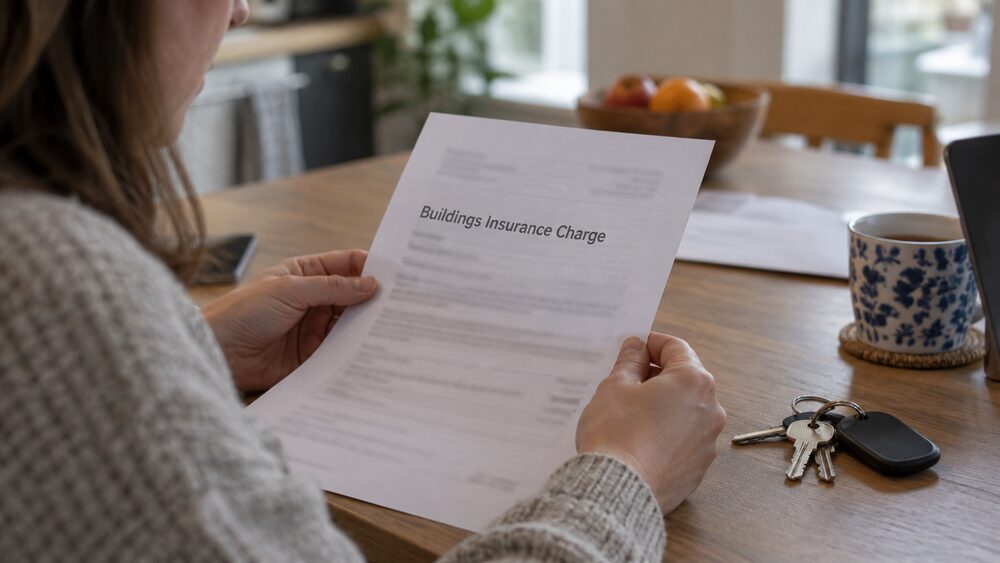
If your dog chews a sofa or your cat scratches a door, that is a home insurance question, and the answer is usually no. Damage caused by pets is a named exclusion on contents cover at NatWest23, Ulster Bank24, Tesco25, Skipton26, Cumberland27 and HSBC28. Lloyds' accidental damage cover does not include damage caused by pets, water entering your home, your home moving, settling or shrinking, or a paid maintenance worker or builder29. AXA excludes wear and tear of your contents and damage caused by pets and vermin30. NatWest's renters contents insurance excludes damage caused by pets as well31.
This is not universal. Which? found that around a tenth of home policies cover damage caused by pets, and noted that NFU Mutual's home insurance lacks contents cover for damage caused by pets32. If pet damage matters to you, it is a specific question to ask rather than something to assume.
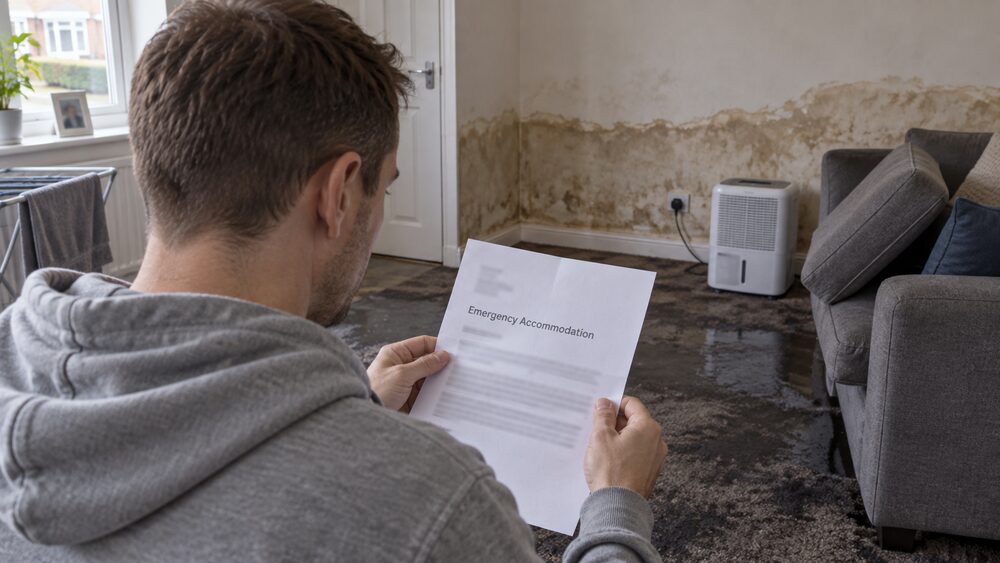
Two related points are worth separating. Accidental damage cover generally excludes general wear and tear33, and home emergency insurance does not usually cover any damage the emergency has caused34. So a pet-related escape of water or a chewed pipe may fall between the two.
When an insurer changes your pet cover mid-term or at renewal
The cover structure itself changes what you get, even when the wording stays the same. A time-limited policy excludes a particular condition either when the maximum amount has been paid out or 12 months from the first date of treatment4. A per-condition or maximum benefit policy pays a limited amount for each condition and, once that limit has been reached, the insurer stops covering it1. An annual policy has a maximum overall limit that includes all conditions your pet may experience, which resets each year5. Accident-only policies pay a fixed amount for each accidental injury and exclude illnesses entirely5.
Premiums move with age. As pets age, insurance premiums typically rise16. That is a pricing change rather than a cover change, but it is the point at which many owners review what their policy actually pays for.
On the rules, the FCA's automatic renewal provisions apply to all general insurance contracts entered into with consumers that have an automatic renewal feature, except private health or medical insurance and pet insurance35. Pet insurance sits outside that particular rule, so the renewal notice you get is a matter of the policy terms and the wider treating customers fairly rules rather than that section. In practice, an insurer changing terms at renewal must tell you in time to shop around, and you can decline and let the policy lapse.
What happens to my cover if my pet insurance provider changes?
Policies do move between providers, and the terms move with them. M&S pet insurance policies can be transferred to the joint policyholder's name; where a policy is in a sole name it will be cancelled and no further payments collected36. Customers who continued their M&S Pet Insurance cover with Pinnacle after 26 January 2026 are served by Pinnacle6.
The risk in any transfer is the pre-existing condition rule. A new insurer may not cover illnesses or injuries you have experienced recently or conditions you currently have, even if these are covered by your existing insurer15. If your pet is mid-treatment when the policy moves, that treatment can fall outside the new cover. The practical step is to check the new policy's pre-existing condition wording before the transfer completes, and to ask the new provider in writing how an ongoing condition will be treated.
Where to take a refused claim
Complain to your insurer first. If you are unhappy with the final response, the Financial Ombudsman Service is free and independent, and it can look at whether the exclusion was applied fairly. Pet insurance complaints reached 593 in the first quarter of 2026/2738, up from 509 in the same quarter a year earlier39, and 49% of pet insurance complaints were upheld in Q1 2025/2640. An uphold rate near half suggests a meaningful share of refusals are overturned.
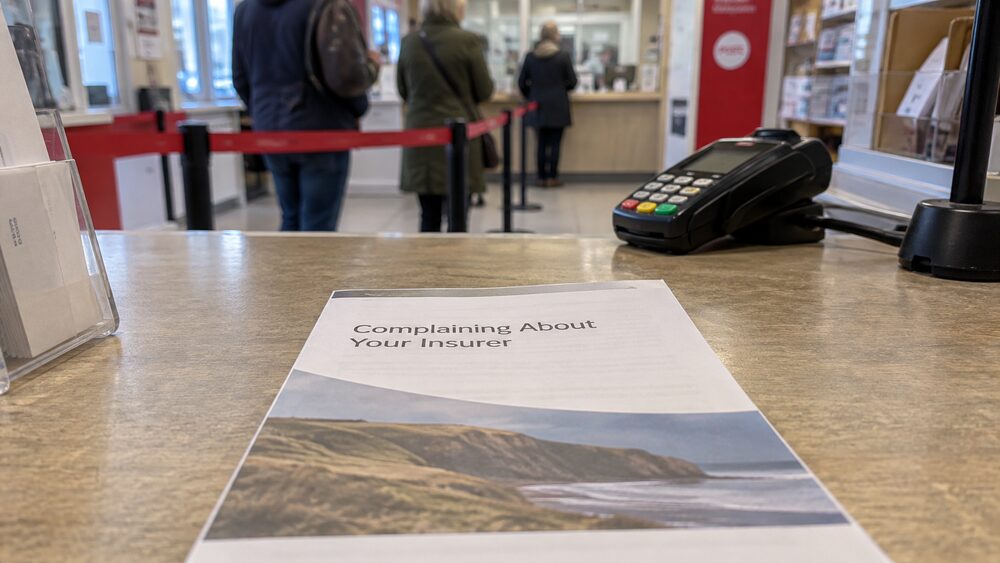
For free, impartial help understanding a policy or a decision, MoneyHelper and the ombudsman service both publish consumer guidance. Our pages on how pet insurance works, pet insurance excess and co-payment, lifetime or time-limited pet cover and complaining about an insurer set out the surrounding rules.
Sources40 cited
- Pet insurance explained Which?, 2025-12-04
- Six traps to avoid when taking out pet insurance Which?, 2024-01-31
- Pet insurance help and support Post Office, 2026
- Pet Insurance Post Office, 2026
- Petplan pet insurance review Which?, 2025-12-04
- Pet insurance M&S Bank, 2026
- Cat insurance Lloyds Bank, 2026-09-27
- Gun dog insurance Agria Pet Insurance, 2026-09-26
- Pet insurance Sainsbury's Bank, 2026-09-25
- How to avoid the summer hazard behind costly dog insurance claims Which?, 2025-08-05
- Make a claim Lloyds Bank, 2026-09-27
- XL Bully insurance Agria Pet Insurance, 2026-09-26
- Insurer turned down private health insurance claim saying policy didn't cover pre-existing medical conditions Financial Ombudsman Service, 2026-09-27
- The most common reasons income protection pays out Which?, 2026-06-25
- Health insurance and mental health Association of British Insurers, 2026-09-28
- Do you need pet insurance for puppies and kittens? Which?, 2024-05-19
- Kitten insurance Agria Pet Insurance, 2026-09-26
- Lifetime Premium dog insurance Agria Pet Insurance, 2026-09-26
- Cat insurance Agria Pet Insurance, 2026-09-26
- Lifetime Plus dog insurance Agria Pet Insurance, 2026-09-26
- Pocket Bully insurance Agria Pet Insurance, 2026-09-26
- Tesco Pet Insurance Maximum Benefit product information document Tesco, 2025-08
- Buildings and contents insurance NatWest, 2026-09-25
- Contents insurance Ulster Bank, 2026-09-25
- Home insurance Tesco, 2026-09-26
- Home insurance Skipton Building Society, 2026-09-25
- Insurance Cumberland Building Society, 2026
- Buildings and contents insurance HSBC UK, 2026
- What is accidental damage insurance? Lloyds Bank, 2026-09-27
- Accidental damage cover AXA, 2026-09-26
- Renters contents insurance NatWest, 2026-09-25
- NFU Mutual home insurance review Which?, 2026-09-17
- Do you need home insurance add-ons? Which?, 2026-09-17
- Home emergency insurance Financial Ombudsman Service, 2026-09-26
- ICOBS 6A.6 Financial Conduct Authority, 2022
- Notified of death M&S Bank, 2026
- Bereavement guide M&S Bank, 2026
- Quarterly complaints data Q1 2026/27 Financial Ombudsman Service, 2026
- Quarterly complaints data Q1 2025/26 Financial Ombudsman Service, 2025
- Quarterly complaints data Q1 2025/26 Financial Ombudsman Service, 2025-08-07



 MoneyHelperFree, impartial money and pensions guidance, set up by government
 Financial Ombudsman ServiceFree, independent help when a complaint about a firm is not put right
 FSCSProtects your money if a bank, insurer or investment firm fails
 Citizens AdviceFree advice on money, consumer and legal problems in England and Wales
 GOV.UKOfficial information on tax, benefits and government services