
Personal possessions cover is the add-on that extends your home insurance beyond your front door. A standard contents policy pays for your possessions while they are in your home, but as Halifax puts it, "your items are only covered by contents insurance when they are in your home"1. If your phone is stolen on the bus, your watch is lost on holiday or your handbag is snatched, the add-on, sometimes called personal belongings cover, is what responds2.
It is an optional extra rather than something included as standard. Independent guidance notes that personal possessions cover "may not be included as standard" in home insurance policies3, and insurers such as esure, Virgin Money and NatWest all sell it as a paid addition to a contents or combined home policy4. What you get varies by insurer: single items are commonly capped at £1,000 to £2,500, and cover abroad typically runs for up to 60 days, with some policies offering up to 907.
An optional extra on your home or contents policy
Contents insurance covers your possessions, for example your TV, jewellery, furniture or clothes, while they are in your home14. The moment those items leave the house, the cover stops, unless the policy includes an extension for belongings away from the home. That extension is what insurers sell under names such as personal possessions cover, personal belongings cover or simply "away from home" cover.
The mechanics are straightforward. esure describes it as "an optional extra that can be added to your buildings or contents insurance"5, Virgin Money as an add-on that "covers items" for an extra cost4, and NatWest lists Personal Belongings Cover alongside Contents Accidental Damage Cover and Family Legal Protection as optional extras on its home insurance6. Independent guidance for consumers on a budget makes the same point from the other direction: personal possessions cover is one of several things that "may not be included as standard", so it is worth checking what a policy actually contains rather than assuming3.
Because it is an add-on, it costs extra on top of the contents premium, and the price depends on how much cover you choose. Tesco, for example, lets customers select additional cover of between £1,000 and £10,000 for personal belongings valued at under £2,0009. The right amount depends on what you actually carry out of the house: phones, laptops, jewellery, watches, bags and bicycles are the items most often involved.
It can usually be added at any point, not just at the start. Several insurers state that personal belongings cover "can be added to any policy that has Contents cover"6, and Tesco tells existing customers they can call to add it with no administration fee9. If you are buying a new policy, the add-on is normally offered during the quote process. For more on how the underlying policy works, see contents insurance and how insurance works.
Theft, accidental loss and accidental damage: what it pays out for
A personal possessions add-on covers portable items while you are away from home or abroad, such as your handbag, mobile phone or tablet, though restrictions apply2. What those restrictions are depends on the level of cover chosen, because the add-on is not a single product: some versions pay only for theft, while broader versions add accidental loss and accidental damage.
The Financial Ombudsman Service, which handles disputes between consumers and insurers, notes that mobile phone and gadget insurance "usually protects you against things like: accidental loss accidental damage theft"15. The same three perils form the core of personal possessions cover at its broadest. Theft means someone takes the item from you or from a place you left it, with the policy's own definition controlling what counts. Accidental loss covers items that simply disappear, a dropped ring, a phone left on a train. Accidental damage covers items that are broken or spoiled but still exist, a cracked screen or a watch smashed on a pavement.
The distinction matters because the cheapest versions of the add-on cover theft only. Accidental damage to possessions in your home, including electronic devices such as mobile phones and laptops, is part of a standard contents insurance policy in many cases16, but that applies inside the house. Outside, damage needs to be specifically included in the add-on.
There are also common exclusions to watch for. Most mobile phone insurance policies, and by extension many possessions policies, "will not provide cover if your phone is stolen while you've left it unattended"12. Lloyds Bank notes that home insurance usually covers a mobile phone "if it's damaged in or stolen from your home", with extra cover needed outside the home or for accidental damage17. Items left visible in a parked car, or taken from an unattended bag, are frequent flashpoints for rejected claims, so the policy wording deserves a read before you rely on the cover. See why insurance claims are rejected for the wider picture.
Cover limits: overall sums from £1,000 and single-item caps
Two limits govern what the add-on pays: the total sum insured for all belongings away from home, and the single-item limit, the most the policy will pay for any one item. Both vary widely between insurers, so the figures below are a map of the market rather than a recommendation of any one policy.
| Insurer or policy | Single-item limit | Notes |
|---|---|---|
| HSBC contents (Which? review) | £1,000 | Unspecified single item limit8 |
| esure | £1,500 | Items taken from the home and carried on your person18 |
| AXA | £1,500 | Items worth £1,500 each, or less19 |
| HSBC personal belongings add-on | £1,500 | Cover between £2,000 and £10,000 overall20 |
| Nationwide Enhanced | £2,000 | Contents personal possessions single item limit7 |
| Tesco standard | £2,000 | Contents personal possessions single item limit21 |
| Virgin Money | £2,500 | Single items covered up to this limit4 |
| NFU Mutual Bespoke | Unlimited | Personal possessions single item limit11 |
The overall sums available range from £1,000 upward. Tesco offers additional cover of between £1,000 and £10,000 for personal belongings valued at under £2,0009, and HSBC's add-on provides cover between £2,000 and £10,000 with a single-item limit of £1,50020. Where a policy's documents disagree on a figure, the policy wording you are actually sold is the one that counts.
Some categories have their own, lower caps. Under Cumberland's personal belongings cover, mobile phones are covered outside the home "up to a value of £500"13, well below the general single-item limit, and credit cards are capped at £1,00013, a figure Leeds Building Society also uses for credit cards22. Jewellery and watches are frequent casualties of the single-item limit: an engagement ring or a decent watch can exceed £2,500, in which case the item needs to be specified individually on the policy, often at extra cost.
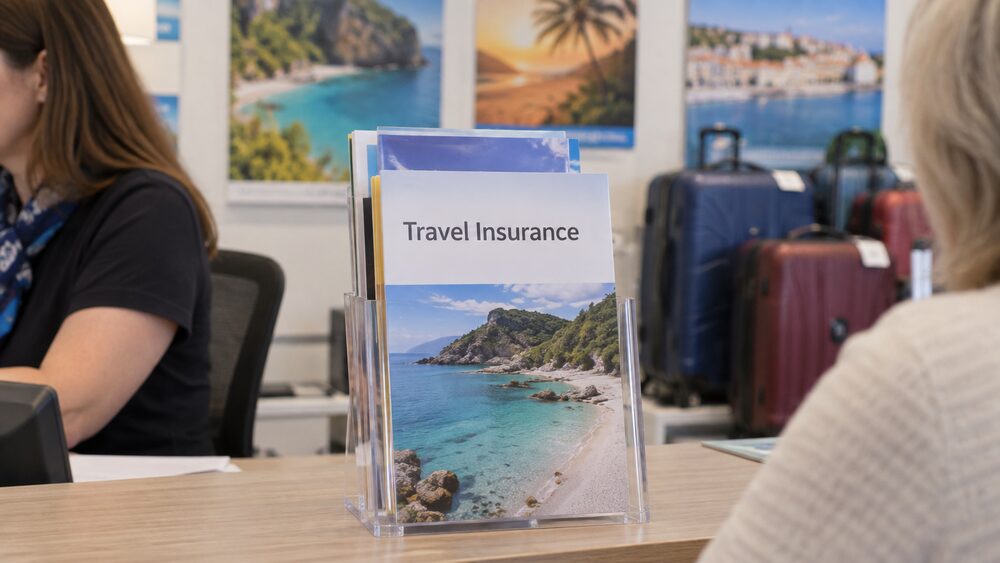
Travel insurance overlaps here, and its limits are usually lower. Aviva's travel cover pays up to £2,000 per person for belongings and valuables combined, with a £100 excess per person per incident, but only up to £400 on a single item, pair or set, and up to £500 for money23. A Virgin Money travel policy wording shows a personal possessions limit of £1,000 with a £100 excess at its first cover level25. If a claim is likely to exceed these figures, the home insurance add-on is generally the more generous route, but check both before travelling. See also underinsurance and the average clause.
Bicycles: covered at home, not always on the road
Bicycles are a special case. A bike is typically covered as standard under contents insurance while it is in the house, but taking it out on the road is a different matter: extra cover is generally needed for the bike away from home, and it "will typically protect you against theft and accidental damage"2. Cover limits vary, as does the geographical range, with some policies covering the UK only and others extending to Europe and beyond2.
Some insurers bundle bicycles into the personal possessions add-on, others sell cycling cover separately, and some reserve it for higher tiers of policy. Which? reported in June 2024 that with Allianz buildings and contents insurance, cover for personal belongings and bicycles away from the home is only included under the gold tier, or available as paid add-ons to bronze or silver26. Cumberland's bicycle cover extends beyond the UK, covering "up to 60 days outside of Europe"13.
Because a decent bike can cost more than a typical single-item limit, check whether the bike must be listed separately and whether the limit applies per bicycle or in total. Lock requirements are common: policies often insist on an approved lock and refuse theft claims where the bike was secured with a cable lock or left unattended overnight. The same unattended-items exclusion that applies to phones usually applies to bikes left outside shops or pubs.
Cover abroad: usually up to 60 days
Personal possessions cover protects your belongings whenever you leave your home and "could even offer protection when you travel abroad"12. The catch is time: most policies cap the number of days the add-on applies while you or your family are abroad, and the cap is commonly 60 days per policy year.
Tesco's Personal Possessions Cover applies "up to 60 days when you or your family are abroad"27, and AXA covers you for "a maximum of 60 days" when travelling anywhere in the world10. NFU Mutual goes further, offering "up to 90 days cover anywhere in the world" for items taken outside the home28. The range across the market therefore runs from UK-only add-ons to 90 days of worldwide protection, so the policy wording matters if you travel regularly.
Two things happen when the day limit runs out. First, belongings taken abroad are no longer covered by the add-on for the rest of the trip. Second, the items may still be covered by travel insurance, but with the lower limits described above, typically around £2,000 per person with a few hundred pounds per single item23. For comparison, motor policies commonly allow up to 90 days of European use, showing that day limits are a general feature of insurance extensions rather than something unique to home cover.
If a trip will exceed the limit, the options are to tell the insurer and ask about extending the cover, or to rely on a travel policy and check its belongings limits carefully. Gadget insurance is a third route, though Post Office's gadget cover runs for "up to 45 days abroad per year"31, shorter than most home add-ons. See how travel insurance works and when to buy travel cover for the travel side.
Personal possessions cover or a gadget policy
Phones, tablets and laptops can be insured two ways: as personal possessions on the home policy, or through a standalone gadget policy. Both usually cover accidental loss, accidental damage and theft15, but they differ in cost structure and consequences.
The home insurance route has a hidden cost beyond the premium. Which? warns that "adding your phone to your contents insurance could result in you having to pay a higher excess if you claim", and that a claim could increase your home insurance premiums at renewal32. A gadget claim on a separate policy does not touch the home premium, though it may affect future gadget cover. See insurance excess and how premiums are calculated for how these work.
Gadget policies have their own limits on time abroad, such as Post Office's 45 days a year31, and their own exclusions, including the common refusal to pay for phones stolen while left unattended12. esure sells mobile phone insurance as an add-on to contents insurance18, blurring the line between the two approaches.
Which route suits a person depends on circumstances rather than on any general rule. Someone with several devices and an existing contents policy may find the add-on simpler and cheaper; someone whose phone is worth more than the home policy's single-item or phone-specific cap, such as Cumberland's £50013, may need either a specified item on the home policy or a gadget policy with a higher limit. The dedicated page on gadget and mobile phone cover goes into this in more detail.
Who is covered: family members and students away from home
The add-on normally covers more than the policyholder. Virgin Money defines family as "your husband, wife, partner, children, and any relatives who permanently live with you", and extends the cover to students who live away from home for part of the year, while excluding lodgers, tenants and paying guests4. Tesco confirms students are covered "as long as they're a member of the family" and studying in the UK away from home9.
For a student, the practical questions are how much cover applies and what it includes. Some policies give student belongings their own allowance: Co-op Insurance provides £5,000 of contents cover for household members studying away from home33. The British Insurance Brokers' Association publishes a student checklist that applies whatever the policy: make an inventory of your possessions, check whether items are covered while outside the accommodation, check whether accidental damage is included, for example if you dropped a laptop, and "make sure you are not underinsured", since student possessions "can exceed £3,000" once textbooks and electronics are counted34.
Belongings in the garden but within your property boundaries, such as garden furniture, plant pots and barbecues, fall under a different extension, contents in the open, rather than the personal possessions add-on1. The distinction matters at claim time: an item deliberately left outside but still on your property is a contents-in-the-open claim, while an item carried beyond the boundary needs the away-from-home add-on.
Protection and where to get help
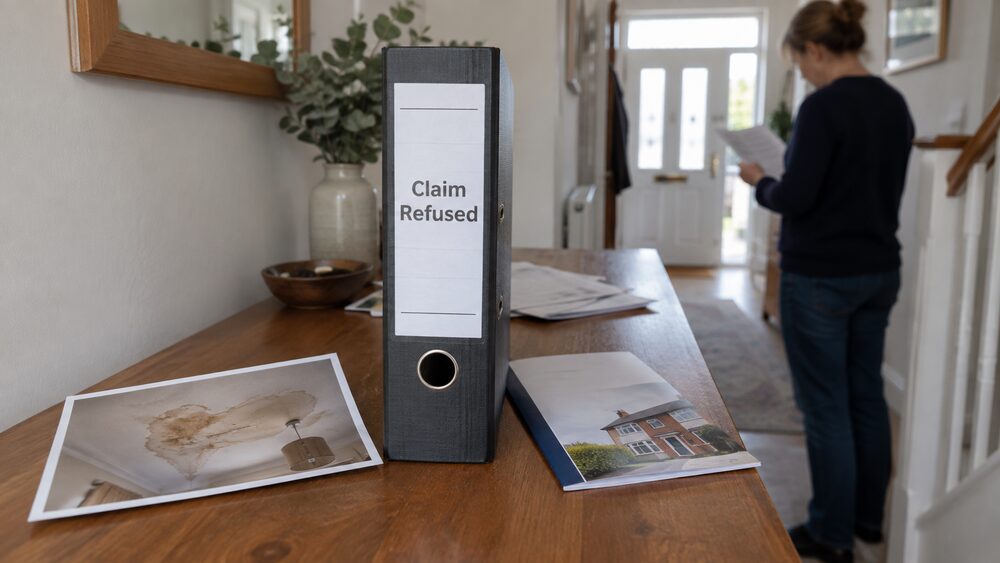
Personal possessions cover is regulated general insurance, sold under the same rules as the rest of the policy. If a claim is refused or the payout is less than expected, the first step is to complain to the insurer using its complaints process. If the complaint is not resolved, the Financial Ombudsman Service can look at home insurance complaints, including disputes about contents and possessions cover14, and it handles mobile phone and gadget insurance complaints separately15. The ombudsman is free to use. See complaining about an insurer for the process and timescales.
A few protections sit behind the cover itself. Insurers must handle claims promptly and fairly, and must give clear information about what is and is not included, which is why the "may not be included as standard" warning about add-ons matters at the point of sale3. If an insurer fails, policies are protected by the FSCS up to its limits; see what happens if your insurer goes bust. Giving accurate information when you buy matters in the other direction too: misrepresentation can void a policy.
For free, impartial help with insurance questions or with affording cover, Independent Age guidance on shopping around for insurance is aimed at consumers on low incomes, and MoneyHelper, the government-backed money guidance service, publishes general information about home insurance. If the cost of add-ons is the problem, paying monthly for insurance and insurance renewals explain the options for spreading and reviewing the cost.
Sources35 cited
- What is contents insurance? Halifax, 2026-09-27
- Do you need home insurance add-ons? Which?, 2026-09-17
- Shopping around for insurance Independent Age, 2026-09-26
- Personal belongings cover Virgin Money, 2026
- Personal possessions insurance esure, 2026
- Contents insurance NatWest, 2026-09-25
- Nationwide home insurance review Which?, 2026
- HSBC home insurance review Which?, 2026-09
- Personal possessions cover Tesco Insurance, 2026-09-26
- Personal possessions insurance AXA, 2026-09-26
- NFU Mutual home insurance review Which?, 2026-09-17
- Mobile phone insurance: how to get the best cover Which?, 2025-08-05
- Insurance extras Cumberland Building Society, 2026
- Home insurance complaints Financial Ombudsman Service, 2026-09-26
- Mobile phone and gadget insurance complaints Financial Ombudsman Service, 2026-09-27
- Does your insurance policy cover heatwaves? Which?, 2023-06-08
- What is home insurance? Lloyds Bank, 2026-09-27
- Mobile phone insurance esure, 2026
- Optional extras AXA, 2026-09-26
- Contents insurance HSBC, 2026
- Tesco home insurance review Which?, 2026-09
- Home insurance Leeds Building Society, 2026-09-26
- Your belongings cover Aviva, 2026-07-22
- Optional covers Aviva, 2026-09-26
- Aggregator policy wording Virgin Money, 2026
- Is it worth paying extra for flood and storm cover? Which?, 2024-06-12
- Contents insurance Tesco Insurance, 2026-09-26
- Personal belongings insurance NFU Mutual, 2026-09-26
- Personal possessions cover Churchill, 2026-09-26
- Home insurance NFU Mutual, 2026-09-26
- Insurance for gadgets Post Office, 2026-09-22
- Gadget insurance: how to get the best cover Which?, 2025-08-05
- Co-op Insurance home insurance review Which?, 2026-09-17
- Student insurance guides British Insurance Brokers' Association, 2022-12-14
- 5 winter risks your home insurance might not cover Which?, 2026-09-26


 MoneyHelperFree, impartial money and pensions guidance, set up by government
 Financial Ombudsman ServiceFree, independent help when a complaint about a firm is not put right
 FSCSProtects your money if a bank, insurer or investment firm fails
 Citizens AdviceFree advice on money, consumer and legal problems in England and Wales
 GOV.UKOfficial information on tax, benefits and government services