
The Current Account Switch Service, often shortened to CASS, is a free service that moves your current account from one bank or building society to another1. You apply for the new account, tell the new bank you want to switch, and it takes care of the rest: transferring your Direct Debits and standing orders, moving your balance, redirecting incoming payments such as your salary or benefits, and closing your old account2. The whole thing is designed to take seven working days, on a date you choose2.
The service is backed by the Current Account Switch Guarantee. If anything goes wrong, the new bank refunds any interest paid or lost and any charges made on either your old or your new account as a result, and payments accidentally sent to your old account are redirected to the new one for 36 months3. Over 50 UK banks and building societies take part, covering more than 99% of the market4.
What the Current Account Switch Service does
The service exists to remove the work that used to put people off changing banks. Before it, switching meant listing every payment yourself, telling each company individually, and hoping nothing went missing in between. Now the new bank or building society takes care of moving all your incoming and outgoing payments, your outstanding balance, and closing your old account7. The switch process is managed entirely by the new bank8.
The service is only for current accounts. That includes personal accounts, small business accounts and charity current accounts4. Any other products you hold with your old bank, such as savings accounts, loans or credit cards, are not moved by the service and stay where they are5. If you want to move those too, that is a separate conversation with each provider.
A "current account" for the purposes of the service means a pounds (GBP) account held in the name of one or more persons and used to make or receive payments9. The service is run on industry-wide terms, and the Payment Systems Regulator has issued a designation certificate declaring it an alternative arrangement operated by Bacs Payment Schemes Ltd10. In practice that matters little to a switcher: what matters is that both the old and the new bank take part, and that the process follows the same rules whoever you switch between.
Who can switch: personal, joint and small business accounts
The service covers three broad groups: personal customers, small businesses, and small charities and trusts. The business limit is a micro or small or medium sized enterprise with an annual turnover and/or balance sheet total that does not exceed £6.5 million and fewer than 50 employees. Small charities qualify with an annual income of less than £6.5 million, and small trusts with a net value of less than £6.5 million4. The service was extended to include SMEs with an annual turnover up to £6.5 million11.
Joint accounts can be switched, but only to another joint account held by the same people, and all account holders must agree to the switch12. It is not possible to use the service to switch from a joint account to a sole account3. If that is what you want, the route is to switch the joint account to a new joint account first, then ask the new bank to convert it: HSBC states you have to wait until the switch has taken place if you want to change the account into a sole account6. The reverse works too: a sole account can be switched to a joint account elsewhere, provided the joint account holders agree12. The dedicated guide to switching a joint bank account covers this in more detail.
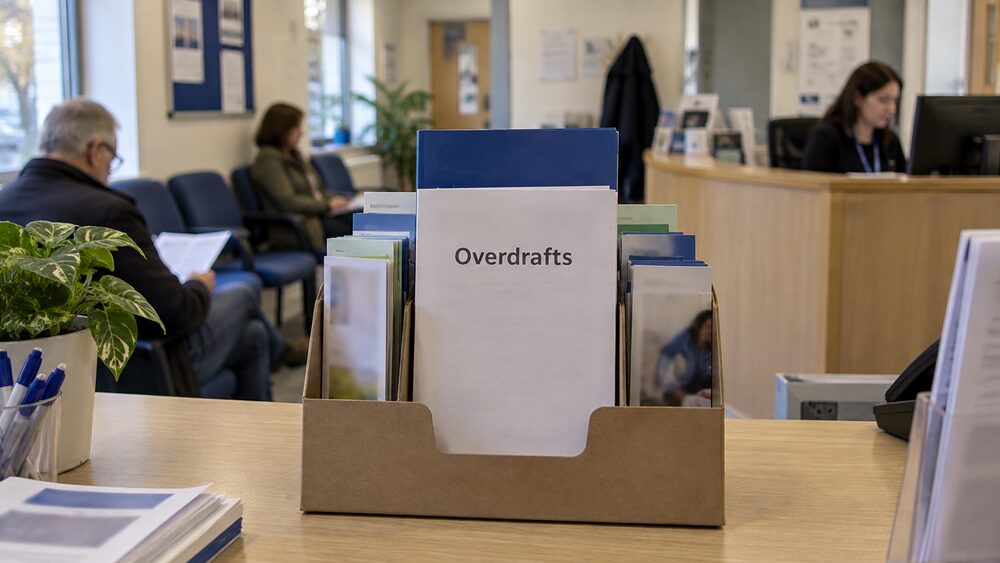
Being overdrawn does not automatically rule out a switch, but it changes what happens. You can switch using the service even if you are overdrawn, but you need to agree any overdraft facility with the new bank, and it decides subject to its normal lending criteria13. Some providers handle overdraft switches case by case15. If the new overdraft covers what you owe, the funds are sent to your old bank and you owe the overdraft balance on the new account instead. If it is a lower amount, or you cannot get one, you need to arrange to pay off the remainder separately before you can switch or close your old account2. One independent advice charity puts it more bluntly: if you are currently overdrawn, you might not be able to switch until you have paid the overdraft off16. The guides on switching while overdrawn and overdrafts cover the detail.
What moves to your new account and what does not
A full switch moves the things that make an account work:
- your balance, transferred to the new account on the switch date17
- Direct Debits and standing orders, transferred automatically18
- incoming payments such as your salary or benefits, redirected to the new account2
- the old account itself, closed as part of the process5
Several things do not move, and these catch people out. Your transaction history is not transferred, so if you need old statements, obtain them from your old bank19. Third party provider permissions, the access you have granted apps and services under open banking to your account data or to make payments, are not transferred automatically and must be re-authorised with the new account9. Regular payment mandates in a foreign currency, or that quote a BIC or IBAN, are not switched automatically9.
Recurring card payments deserve particular attention. Subscriptions set up with your old debit card number, such as streaming services, are not guaranteed to be redirected: the service's own terms state there is no guarantee that payment requests sent to your old account will be redirected to your new account where they were set up using the old debit card number9. In practice it is worth updating card details with each subscription yourself, before or shortly after the switch. The page on variable recurring payments and the guide to Direct Debits and standing orders explain how each payment type behaves.
How to switch your current account
The process starts with choosing and opening a new account. The guide to opening a bank account covers applications, documents and what to do if a bank refuses you. Once the new account is open, or in some cases while it is being opened, you can request the switch: a Financial Ombudsman case study notes it was possible to use the service while the account was being opened, without waiting for paperwork21.
You then provide your old account details and debit card numbers, and choose a date for the switch to complete2. The service takes it from there: transferring Direct Debits and standing orders, moving your balance, redirecting incoming payments such as benefits or salaries, and closing your old account2. How you request the switch varies by provider. Barclays, for example, lets sole account holders switch in its app, while joint personal accounts are switched in branch or via video appointment22. Other providers take the request online, by phone or in branch.
The seven-working-day switch: the timetable
The headline timescale is seven working days. MoneyHelper states it takes seven working days and that you are refunded any interest or charges if things go wrong23. Which? describes the same standard: using the industry-wide service, switching should take no longer than seven working days24. The Consumer Council for Northern Ireland and several providers state the same figure7.
The switch date is yours to choose, within rules. It cannot be a Saturday, Sunday or bank holiday, and it must be at least seven working days after your new account has been opened3. Triodos and Zempler Bank state the same conditions: allow seven working days for the switch to take place, and the chosen date cannot be a Saturday, Sunday or bank holiday8. You can change the date up to the close of business seven working days before it9.
You keep using your old account right up to the switch date, when your funds are transferred to the new account8. The old account then closes on the switching date, unless it is overdrawn6. If you chose a future switch date, you can cancel up to seven working days before it; once the switch process has started, it cannot be cancelled5. Cancelling before the process starts leaves the account as it is, but cancelling within the seven working days before the switch date may still result in the old account closing6.
Your old account after the switch: payments redirected for 36 months
After the switch, your old account is closed, but it is not forgotten. For 36 months, the new bank arranges for payments accidentally made to your old account to be automatically redirected to your new one3. Starling puts it plainly: if anyone sends money to your old account, it will automatically redirect to your new account, for three years27. Barclays sets up payment redirection for credits and debits from the old account for a minimum of three years22. The redirection period was originally 13 months at the time of switching and has since been extended to a minimum of 36 months11.
The redirection has conditions. Payments received in pounds from within the UK by your old bank are redirected and credited to your new account on the same working day they were received9. But it does not include payments received from abroad8. And, as noted above, recurring card payments set up with the old debit card number are not guaranteed to be redirected9.
The practical implication is that the redirection is a safety net, not a substitute for telling people your new details. Anyone who regularly pays you from abroad, or who bills your old debit card, needs to be told about the new account directly. The page on payments to your old account after switching goes into what happens in each case.
The Current Account Switch Guarantee: refunds if something goes wrong
The Current Account Switch Guarantee is the promise that stands behind every full switch. Its core terms, as set out in providers' switching documents, are consistent across the market:
- the switch completes within seven working days, on a day of your choice28
- payments in and out of your new account are switched over in time so that you do not miss any regular bills and payments29
- if anything goes wrong with the switch, the bank refunds any interest (paid or lost) and charges made on either your old or your new current account as a result, as soon as it is told about it14
- the new bank must refund you for any charges incurred as a result of a Direct Debit or standing order not having been successfully transferred3
The guarantee is given by the new bank or building society as a participant of the service26. Which? summarises it the same way: it is backed by a guarantee that if anything goes wrong, any charges you incur will be refunded, and payments accidentally paid into your old account will be redirected for three years24.
If a switch goes wrong and the bank does not put it right, you can complain to the bank and then to the Financial Ombudsman Service. The Ombudsman publishes case studies of switches that did not go smoothly, including one where a customer's switch ran into problems and the Ombudsman looked at what the bank should have done21. The guide to consumer protection in UK financial services explains the complaints route.
Full switch or partial switch: keeping your old account open
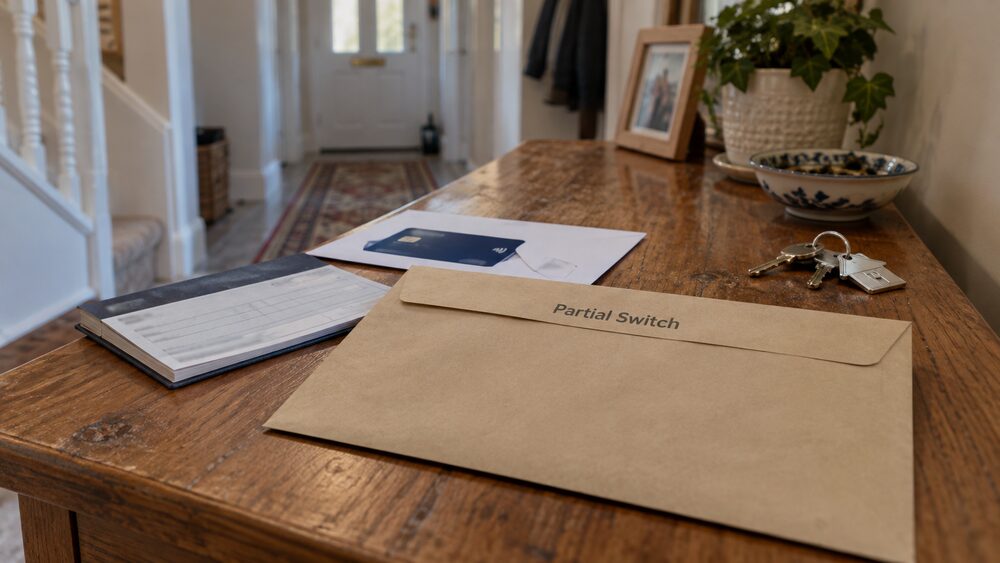
The service described above is a full switch: everything moves and the old account closes. Nationwide summarises the difference simply: a full switch closes your old current account down for you, while a partial switch does not31. A partial switch moves all or some of your Direct Debits, standing orders and bill payments to the new bank but keeps your current account open at the old one4.
A partial switch is not carried out through the Current Account Switch Service's full-switch process. Triodos states that you can switch and keep the old account open, but you will not be able to use the service to do it8. HSBC says the same in practice: contact the bank if you want to keep both accounts open and it will help you do a partial switch6. Which? confirms that a partial switch will not close your old account32. The consequence is that the Switch Guarantee's protections, including the 36-month redirection and the automatic refunds, belong to the full switch; a partial switch is a payment-moving exercise without the same backstop.
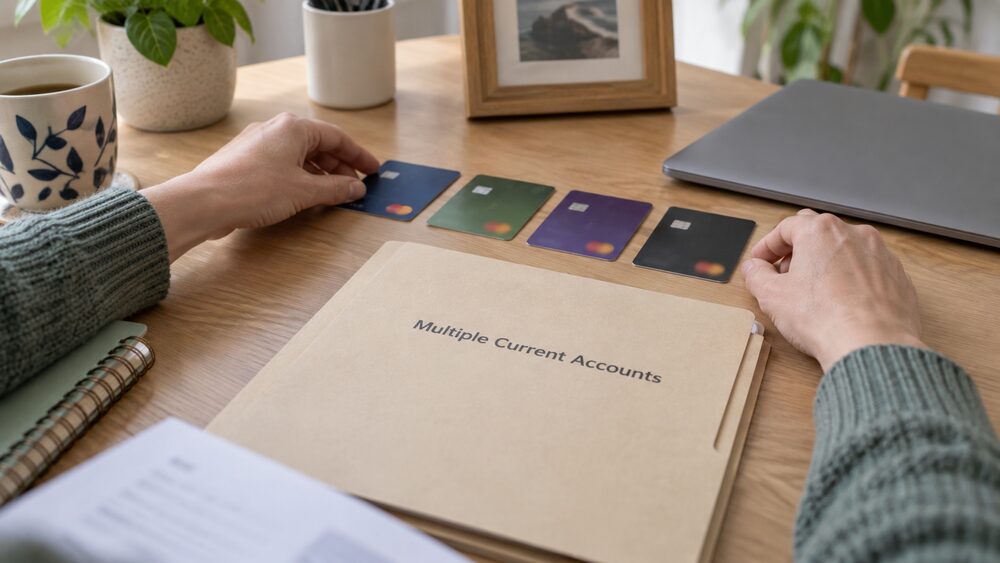
To qualify for a full switch, your existing building society or bank needs to be part of the service, as does the new one31. If your old provider does not take part, a partial switch, moving payments manually, is the available route. The page on partial switching covers the process, and having more than one current account covers running two accounts side by side.
Which banks and building societies take part
Over 50 UK banks and building societies have signed up to the service5, and more than 99% of UK banks and building societies offer it30. High street banks and building societies, and internet and telephone banks, that display the Current Account Switch Guarantee trustmark offer the service4. The trustmark is the quickest check: if a provider displays it, it takes part.
Both sides of the switch need to be participants for a full switch31. In practice, with over 50 participants covering the vast majority of personal current accounts, most switches between known brands qualify. The list includes traditional high street names, building societies such as Coventry Building Society30, and digital banks such as Starling27. If either bank is not a participant, the options are a partial switch or moving payments manually, and the guide to closing a bank account covers the do-it-yourself route.
Choosing which bank to switch to is a separate decision from the mechanics of switching. MoneyHelper's guidance on how to choose the right bank account, and the site's guide to types of current account, set out what to weigh: how you bank day to day, whether you need a branch, and what an overdraft would cost. Some providers offer switching incentives, and the page on bank switching offers explains how those work and what conditions usually attach to them.
Sources32 cited
- Getting a bank account Citizens Advice
- How to open, switch or close your bank account MoneyHelper
- How to switch your bank account Which?
- Switch your current account AIB (GB)
- Switch to Ulster Bank Ulster Bank
- Switching to HSBC HSBC
- Choosing the right current account Consumer Council Northern Ireland
- Current Account Switch Service Triodos Bank
- Current account switch guide Virgin Money
- Decision on designation under the Payment Accounts Regulations Payment Systems Regulator
- Switch your personal current account AIB (NI)
- Joint accounts MoneyHelper
- Overdrafts explained MoneyHelper
- Current Account Switching Service Zempler Bank
- Switch your banking to NatWest Premier NatWest
- Making the most of your bank account Independent Age
- Current Account Switch Guarantee Weatherbys Bank
- Making changes to your mortgage Cambridge Building Society
- Switching your personal current account Zempler Bank
- Switching Danske Bank
- Melanie's current account switch didn't go smoothly as expected Financial Ombudsman Service
- Switch bank account Barclays
- How to choose the right bank account MoneyHelper
- How to open a bank account online Which?
- Basic bank accounts Advice NI
- Safe bank accounts National Debtline
- Switch to Starling Starling Bank
- How to apply to switch to Bank of Ireland Bank of Ireland UK
- Safe bank accounts National Debtline
- Switching an account Coventry Building Society
- Switch your Nationwide current account Nationwide
- How do I switch current account without closing my existing account? Which?

 MoneyHelperFree, impartial money and pensions guidance, set up by government
 FSCSProtects your money if a bank, insurer or investment firm fails
 Financial Ombudsman ServiceFree, independent help when a complaint about a firm is not put right
 Citizens AdviceFree advice on money, consumer and legal problems in England and Wales