
Uninsured loss recovery is the process of getting back the costs a car accident causes that your own motor policy does not pay for. Your insurer repairs your car, but it does not hand back your excess, pay for the hire car you needed while yours was in the garage, or compensate you for lost earnings. Those are uninsured losses, and they are claimed from the driver at fault, or their insurer, rather than from your own cover1.
Uninsured loss recovery is the process of getting back the costs a car accident causes that your own motor policy does not pay for. Your insurer repairs your car, but it does not hand back your excess, pay for the hire car you needed while yours was in the garage, or compensate you for lost earnings. Those are uninsured losses, and they are claimed from the driver at fault, or their insurer, rather than from your own cover1.
Motor legal protection is the optional add-on that funds that pursuit. It pays legal costs, usually up to a limit of £100,000, to recover uninsured losses after an accident that was wholly or partly someone else's fault2. Most car legal expenses policies provide £100,000 of cover, though the range across the market runs from £50,000 to £100,0004.
The two are not the same thing. Uninsured loss recovery is what you are trying to achieve; motor legal protection is one way of paying for the attempt. You can pursue uninsured losses without it, but you carry the cost and the effort yourself.
What uninsured loss recovery covers after a car accident
The starting point is what your motor policy does and does not do. Motor insurance protects you, your vehicle and other motorists against liability if there is an accident3. Comprehensive cover goes further than third party, fire and theft because it also covers damage to your own vehicle3. What it does not do is put you back in the position you were in before someone else's mistake.
The losses that fall into that gap are the ones uninsured loss recovery targets. They include your policy excess, travel expenses, solicitor's fees and expenses, costs and uninsured losses relating to the driver's injury or death, loss of earnings, costs ordered by a court or tribunal, and the cost of repairing damage to an attached towable caravan or trailer2. The common thread is that each is a real cost of the accident that your own insurer will not meet.
Some of these are easy to overlook. Hiring a car while yours is repaired is a cost, and so is the time off work that a repair or an injury forces. Independent guidance puts it plainly: after an accident you may incur expenses which are not covered by your policy, and examples are the cost of hiring a car while yours is repaired or compensation for personal injury, which might be claimed against a third party1.
There is a separate mechanism for the worst cases. If you have been injured or your property damaged by an uninsured or hit and run driver, you may be able to claim compensation from the Motor Insurers' Bureau8. That is a different route from uninsured loss recovery against an identified, insured driver, and it is worth knowing which one applies to your accident before you start.
Motor legal protection cover limit: typically up to £100,000
The cover limit is the single figure that matters most, because it caps what the insurer will spend on your case. Across the market the pattern is consistent. Most car legal expenses policies provide £100,000 of cover, and the range runs from £50,000 to £100,0004.
Named policies follow that pattern closely. Post Office car insurance for under 50s describes motor legal protection as helping recover legal expenses up to £100,000 and uninsured losses9, and the over 50s version uses the same £100,000 figure10. esure's motoring legal protection will pay up to £100,000 including VAT towards legal costs incurred to help pursue a claim6, and its modified car cover uses the same limit for recovering expenses after an accident partly or completely the fault of the other driver11. Aviva's motor legal services add-on covers costs of up to £100,000 to recover compensation after a car accident when you did nothing wrong12.
The limit usually applies per claim rather than across the policy year, and it covers legal costs and expenses rather than the losses themselves. One insurer's terms describe cover of up to £100,000 for legal costs to help pursue recovery of losses not covered by your car insurance13. Another states that motor legal expenses insurance could pay up to £100,000 per claim to cover your legal costs and expenses14.
Claims must be more likely than not to succeed
Legal expenses insurance is not a fund for any dispute. Claims will not be accepted if the insurer does not believe you have a reasonable chance of succeeding with your legal action4. The test is applied by the insurer, and it is applied continuously rather than once.
That continuity matters. Your insurer must be satisfied that you have a reasonable or better-than-average chance of winning your case at any time, not just when the claim is first raised15. A case that looks strong at the outset can weaken as evidence emerges, and the insurer can reassess. One insurer's policy wording puts the test as covering legal costs only where it is more likely than not that your claim will be successful16.
The same principle appears in other insurers' descriptions. Motoring legal protection claims are assessed and paid if it is more likely than not that incurring legal costs will result in a successful or more advantageous outcome5.
If the insurer turns down your claim on this basis and you think the decision is wrong, the route is a complaint to the insurer first and then to the Financial Ombudsman Service, which decides insurance complaints on what is fair and reasonable in the circumstances. The ombudsman has been willing to order insurers to correct how a claim was recorded and to recalculate a premium where a customer was unfairly treated17.
Uninsured loss recovery or motor legal protection: how the two relate
It helps to separate the goal from the funding. Uninsured loss recovery is the goal: getting your excess, hire costs, lost earnings and similar losses back from the party at fault. Motor legal protection is the funding: an insurance policy that pays the legal costs of pursuing that goal, up to the limit.
The losses themselves are defined by the policy. esure's motoring legal protection covers costs and uninsured losses relating to the driver's injury or death while driving the insured car6. Another insurer lists the covered uninsured losses as your policy excess, travel expenses, solicitor's fees and expenses, costs and uninsured losses relating to the driver's injury or death, loss of earnings, costs ordered by a court or tribunal, and the cost of repairing damage to an attached towable caravan or trailer2.
Eligibility is usually framed around fault. Motor legal expenses insurance can help if you are in an accident that was not your fault, covering losses not covered by your motor insurance policy18, and it applies to accidents that were not your fault14. esure's uninsured loss recovery applies where you and the insured car are involved in a non-fault or partial non-fault road traffic accident, or where you are a pedestrian involved in a non-fault accident resulting in your death or injury19.
Some policies extend the legal representation for uninsured loss recovery and personal injury compensation to road accidents involving the insured vehicle that may occur in Europe20. If you drive abroad, that territorial scope is worth checking before you rely on it.
Where motor legal protection does not help
The exclusions are as important as the cover. Motor legal protection is built for accidents that were not your fault, so it does not help where you were the one at fault. It also does not help with the damage to your own car, which is what your motor policy is for.
Some exclusions are specific. One insurer's accident assist terms exclude accidents that arise from your unlawful use of alcohol or drugs, claims against uninsured, untraced or unidentifiable persons, and accidents the motor insurer has declined cover for22. That last exclusion is significant: if your own insurer has refused the claim, the legal expenses policy will not step in behind it.
The reasonable prospects test is itself a limit. If the insurer does not believe the claim has a reasonable chance of succeeding, it will not fund it4, and it can reach that view at any point15. A case that is genuinely arguable but weak on the evidence may therefore go unfunded.
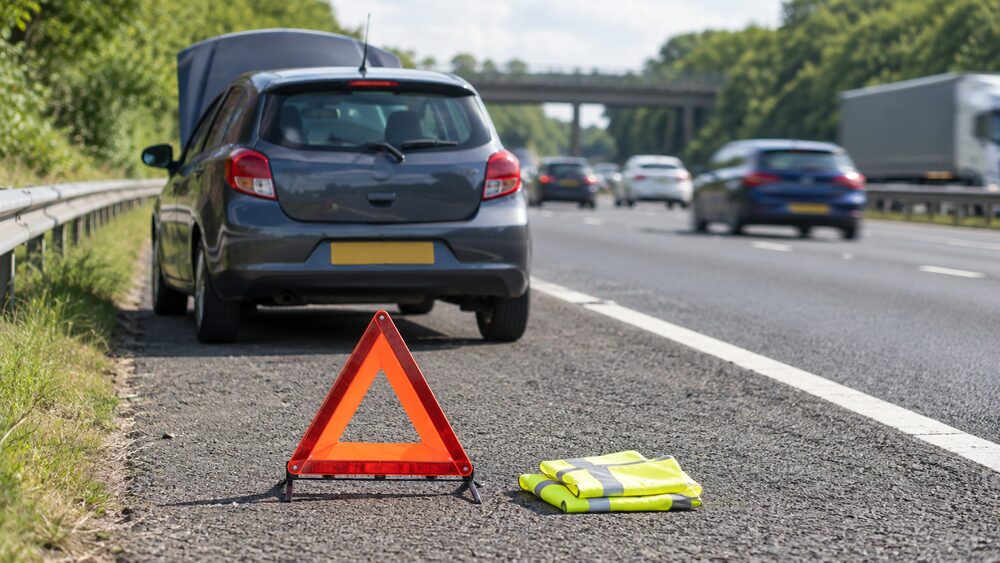
There is also a boundary with breakdown cover, which is a different product. Breakdown cover does not include picking up vehicles after road traffic accidents, which is the responsibility of motor insurers or repairers23. If you assumed your breakdown policy would sort out a car after a crash, it will not.
Recovering your excess when the accident was not your fault
Your excess is the most common uninsured loss, and there are two established routes to getting it back. You can pay the excess and then pursue the insurer of the other driver to reimburse it once the claim is settled21. The alternative is to take the other driver or their insurer to the small claims court21.
Motor legal protection can fund either route, and the excess itself is one of the losses it can recover2. That is the practical value of the add-on: without it, pursuing a modest excess through the courts can cost more in time and fees than the excess is worth.
There is a related risk to weigh. You might lose your no claims bonus if you claim for damage on your own car insurance24, which is one reason a driver who was not at fault may prefer to pursue the other side rather than claim on their own policy. Whether you must tell your insurer about an accident even when you are not claiming is a separate question with its own rules.
If a claim is handled badly, the ombudsman can put things right. Where a customer was unfairly recorded as accepting liability for an accident, the ombudsman has told insurers to change the way the claim was recorded so the customer's current premium can be recalculated, to refund extra money paid, and it may award compensation for distress or inconvenience caused by poor customer service17.
Who provides motor legal protection in the UK
Motor legal protection is sold as an optional extra on car insurance rather than as a stand-alone product, and it is offered across the market by insurers and by specialist legal expenses providers.
Post Office sells it alongside its car insurance, with cover of up to £100,000 for legal expenses and uninsured losses on both its under 50s and over 50s policies9. esure offers motoring legal protection with up to £100,000 including VAT towards legal costs6. Aviva includes a motor legal services add-on covering up to £100,000 to recover compensation after an accident that was not your fault12. NFU Mutual's car, motorhome and campervan policies include motor legal protection administered by ARAG UK, covering legal costs up to £100,00025.
ARAG is one of the specialist providers behind these policies. It describes motor legal expenses insurance as helping if you are in an accident that was not your fault, covering losses not covered by your motor insurance policy18, and it also provides legal expenses cover in other markets such as landlord insurance18.
The AA's Gold comprehensive cover includes motor legal protection up to £100,00028. The pattern across all of these is the same: an optional add-on, a £100,000 limit, and a focus on non-fault accidents.
What protects you, and where that protection stops
Several layers of protection sit behind a motor legal protection claim, and each has a boundary.
The Financial Ombudsman Service can look at a complaint about how a claim was handled, including a decision that your case did not have reasonable prospects, and it decides on what is fair and reasonable. It has ordered insurers to correct claim records and recalculate premiums where a customer was treated unfairly17.
The Financial Services Compensation Scheme protects you if your insurer fails. For motor first party claims it pays 90% of the claim, and for third-party motor claims it pays 100%7. That distinction matters: the cover you are legally required to have is protected in full, while cover for your own vehicle is protected at 90%.
Where the other driver is uninsured or cannot be traced, the Motor Insurers' Bureau is the route to compensation rather than your legal expenses policy8. Some legal expenses policies exclude claims against uninsured, untraced or unidentifiable persons altogether22, so the MIB and motor legal protection are not interchangeable.
The protection stops at the cover limit, at the reasonable prospects test, and at the exclusions. It also stops where the accident was your fault. Within those boundaries, motor legal protection is what turns a legitimate but uneconomic claim into one worth pursuing.
Sources28 cited
- Motor insurance guides: accident checklist British Insurance Brokers' Association, 2026-09-26
- Motor legal protection Sheilas' Wheels, 2026
- Motor insurance explained nidirect, 2026-05-27
- Legal expenses insurance reviews Which?, 2026-01-22
- Motoring legal protection esure, 2026
- Car insurance for under 50s Post Office, 2026
- What we cover: insurance Financial Services Compensation Scheme, 2026-09-25
- Compensation for victims of uninsured drivers GOV.UK, 2026-09-26
- Car insurance for over 50s Post Office, 2026
- Car insurance Post Office, 2026
- Car insurance for modified cars esure, 2026
- Car insurance for over 50s Aviva, 2026-09-26
- Motor policy booklet esure, 2025
- Motor legal expenses insurance ARAG, 2026-09-26
- Do you need home insurance add-ons? Which?, 2026-09-17
- Comprehensive Gold cover The AA, 2025-05
- Fault claims and no claims bonuses Financial Ombudsman Service, 2026-09-16
- Motor legal expenses insurance ARAG, 2026-09-26
- esure Flex motor policy booklet esure, 2025
- Legal expenses cover 1st Central, 2026-09-26
- I've been in a car accident: do I have to claim on my insurance? Which?, 2026-03-31
- Motor breakdown cover terms and conditions Chase, 2025-02
- Vehicle breakdown cover Financial Ombudsman Service, 2022-05-25
- Problems with a car repair Citizens Advice, 2026-09-25
- Electric and hybrid vehicle insurance NFU Mutual, 2026-09-26
- Motorhome insurance NFU Mutual, 2026-09-26
- Campervan insurance NFU Mutual, 2026-09-26
- Motor insurance guides British Insurance Brokers' Association, 2023-02-13





 MoneyHelperFree, impartial money and pensions guidance, set up by government
 Financial Ombudsman ServiceFree, independent help when a complaint about a firm is not put right
 FSCSProtects your money if a bank, insurer or investment firm fails
 Citizens AdviceFree advice on money, consumer and legal problems in England and Wales
 GOV.UKOfficial information on tax, benefits and government services