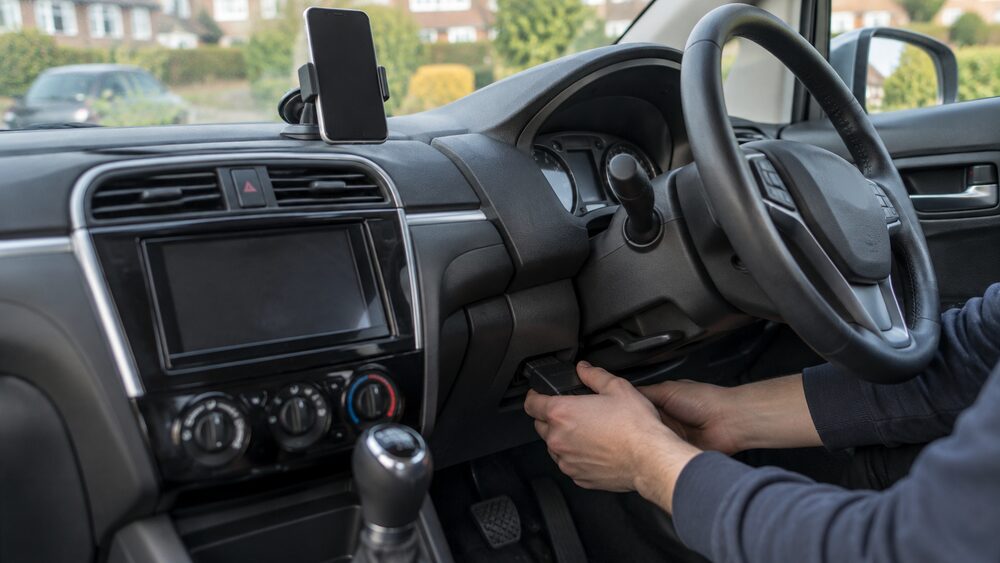
Black box insurance, also called telematics, is a type of car insurance policy that calculates your premium based on the way that you drive1. It uses technology to track your car, with data collected on braking, steering, speed and mileage2. The idea is that how you drive, not just what you drive, sets the price.
Black box insurance, also called telematics, is a type of car insurance policy that calculates your premium based on the way that you drive1. It uses technology to track your car, with data collected on braking, steering, speed and mileage2. The idea is that how you drive, not just what you drive, sets the price.
That means the policy can reward careful driving with discounted premiums, retail vouchers, money back or bonus miles, and it can penalise poor driving. Some providers could increase your premiums, while others may cancel your cover altogether if you perform poorly or are frequently caught breaking the speed limit1. In the most serious cases, high-risk drivers may face a premium increase, a specific one-off charge, or cancellation of the policy3.
So the short answer to whether a black box insurer can cancel your policy is yes, in defined circumstances, and usually after warnings. This page sets out how the policies work, what curfews and scores do, when cancellation can happen, what it costs, and where to take a complaint.
How a black box policy works
A telematics policy takes into account how the vehicle is used when setting the premium3. The insurer fits a device, or uses an app, and the data it collects feeds a driving score. That score is reviewed over time, and it is the review, not a single trip, that usually drives decisions about your price.
The market began with a clear audience. Typically, young drivers, particularly those under 25, pay much more for car insurance than older drivers, and black box policies were first aimed at them1. They have since expanded to drivers of all ages, including low-mileage drivers1.
There are practical benefits beyond price. Black box technology can also be used to help trace your car if it is stolen or provide evidence to support you in a claims dispute1. That cuts both ways: the same records that can help you can also be used by the insurer.
Your data does not stay with the insurer alone. Your data may be shared with third parties who work with the insurer, such as claims professionals, and it may be handed over to the police with a court order, with your permission, or if you are suspected of fraud1.
Curfews and driving restrictions
Hard curfews are less likely to feature in policies now, though some policies still consider the times you tend to drive alongside other factors1. That is a shift from the early years of telematics, when night-time driving bans were a common feature of young driver policies.
Where time of day still matters, it usually feeds the score rather than acting as a hard rule. A driver who regularly drives late at night may see it reflected in their premium at review, rather than finding their cover void. The consequences of a poor score vary by provider: some raise prices, others cancel1.
It is worth reading the policy terms for anything that restricts when or how you drive, because the effect of breaking a restriction depends on how the insurer has written it. The Financial Ombudsman Service has looked at a case where a driver felt he was not given enough information when buying a telematics policy, and his insurer warned him the policy would be cancelled if he did not improve his telematics driving score6.
How your driving score affects your premium
The score is the mechanism that turns your driving into a price. Black box insurers can reward you in a number of ways, including discounting your premium if you have a track record of safe driving, bonuses such as retail vouchers, money back on your premium, and bonus miles monthly or quarterly on mileage-based policies1.
At the other end, the consequences escalate. Some providers could increase your premiums, while others may cancel your cover altogether if you perform poorly or are frequently caught breaking the speed limit1. The Association of British Insurers describes the same ladder for high-risk drivers: a premium increase, a specific one-off charge, or in the most serious cases, cancellation of the policy3.
How much a score moves your price is not published as a single figure, because it depends on the insurer and the policy. What is consistent is that the score is reviewed over time rather than judged trip by trip, which is why a single bad journey is rarely the whole story.
If your score leads to a change you think is wrong, the data behind it is the place to start. You can ask the insurer to explain what was recorded and how it was used, and the same records can support you in a claims dispute1.
When a black box insurer can cancel your policy
Cancellation for poor driving sits at the top of the consequences ladder, and it is the outcome drivers ask about most. The Association of British Insurers is explicit that in the most serious cases high-risk drivers may face cancellation of the policy3, and Which? reports that some providers may cancel cover altogether if you perform poorly or are frequently caught breaking the speed limit1.
In practice, cancellation for driving usually follows a warning. In the Ombudsman case study, the insurer warned the driver the policy would be cancelled if he did not improve his telematics driving score6. That pattern, a warning first and cancellation if nothing changes, is what the case evidence shows.
There is a separate route to cancellation that has nothing to do with your driving: what you told the insurer. Under the Consumer Insurance (Disclosure and Representations) Act 2012, if customers do not take reasonable care, insurers may be allowed to void policies and refuse false claims or alter the terms of a policy7. With mid-term information disclosures, policyholders are not protected by the Act, so insurers may reject a claim even if the policyholder took reasonable care7.
That distinction matters for black box policies because scores and disclosures can interact. If an insurer decides your circumstances or your driving no longer match what it agreed to cover, the policy can be brought to an end, and the route it takes depends on which of these two things has happened.
Cancellation fees and what happens to your record
Leaving a black box policy early is possible, and it usually costs. There could be a charge to recover the cost of the device if you cancel the policy early3. Where a telematics policy uses a black box, there may also be a cost associated with having the device fitted or removed3.
Beyond the device, black box policies carry the same charges as other car cover. This includes interest if you pay monthly, mid-term amendment fees and early cancellation charges1. If you miss an arranged installation date, it is likely that you will incur a fee1.
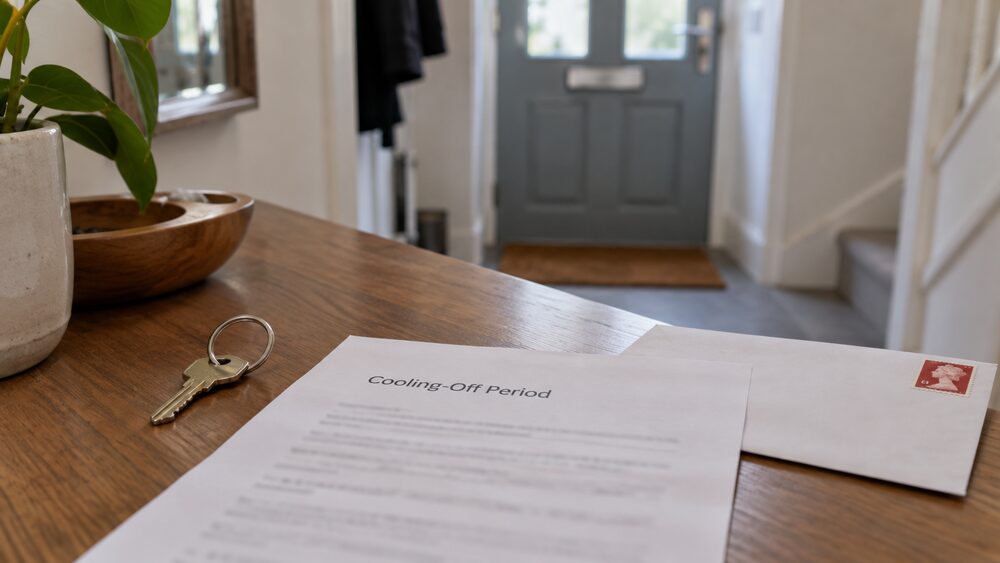
The cooling-off period does not guarantee a free exit. If you decide you no longer want your policy, even within the 14-day cooling-off period, your insurer may charge you a fee4. For context on how these charges vary across the market, one reviewed policy charged £52.50 for cancellation after the 14-day cooling-off period, while with two policies reviewed you can cancel for free4.
What happens to the box itself is usually straightforward. Most providers will disconnect the box remotely if you do not renew or cancel mid-term, but you could be charged if you decide to get rid of the box1.
Complaints and the Financial Ombudsman Service
If you think a cancellation, a score or a fee is unfair, the first step is a complaint to the insurer. If you are not satisfied with the response, the Financial Ombudsman Service can look at it. Complaints about car or motorcycle insurance are common: 13,420 were opened in 2025/265.
The Ombudsman has real powers in these cases. It may ask the business to reinstate an avoided or cancelled policy, remove retrospectively applied terms, or reduce the price to the original and refund the extra premium plus interest, and compensate for distress or inconvenience9. Where a customer would have bought a different policy that would have covered their claim, the Ombudsman can ask the insurer to pay the claim9.
On driving records specifically, if the Ombudsman thinks it was unreasonable for your insurer to settle a claim, it is likely to tell them to change your record to a non-fault claim instead, and refund you the extra money11. If it thinks your insurer has unfairly turned down a claim, it may recommend the insurer reconsiders the claim in line with the policy terms, or pays the claim with interest from the date of the claim until settlement9.
There is also a warning about how you handle a switch. If you are replacing a policy, never cancel it until the new policy is in place13. And if you are changing insurers during an ongoing claim, you can cancel and set up a new policy whenever you want, even if a claim is ongoing, but the claim will affect your no-claims bonus11.
Free, impartial help is available. The Financial Ombudsman Service handles complaints you cannot resolve with the insurer, and its service is free to consumers. For general guidance on your rights and options, Citizens Advice and MoneyHelper both offer free advice.
Sources13 cited
- How black box car insurance works Which?, 2026-01-22
- How penalty points impact your car insurance premiums Which?, 2023-11-12
- Pay-as-you-drive insurance Association of British Insurers, 2026-09-27
- Car insurance add-ons, fees and charges Which?, 2026-01-22
- Annual complaints data and insight 2025/26 Financial Ombudsman Service, 2025
- Consumer feels he wasn't given enough information buying telematics policy Financial Ombudsman Service, 2026-09-26
- Consumer Insurance (Disclosure and Representations) Act 2012 House of Commons Library, 2026-07-08
- Legal expenses insurance reviews Which?, 2026-01-22
- Misrepresentation and non-disclosure Financial Ombudsman Service, 2026-09-26
- Misrepresentation and non-disclosure: complaints deal Financial Ombudsman Service, 2026-09-26
- Fault claims and no-claims bonuses Financial Ombudsman Service, 2026-07-10
- Fault claims and no-claims bonuses: complaints deal Financial Ombudsman Service, 2026-07-10
- Does your insurance cover damage caused by bad weather? Which?, 2025-12-08



 MoneyHelperFree, impartial money and pensions guidance, set up by government
 Financial Ombudsman ServiceFree, independent help when a complaint about a firm is not put right
 FSCSProtects your money if a bank, insurer or investment firm fails
 Citizens AdviceFree advice on money, consumer and legal problems in England and Wales
 GOV.UKOfficial information on tax, benefits and government services