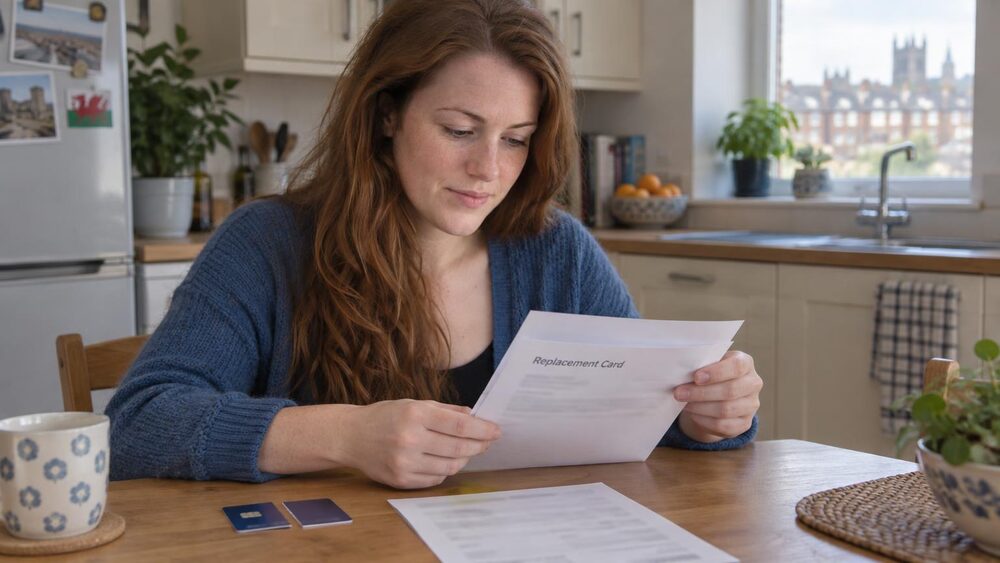
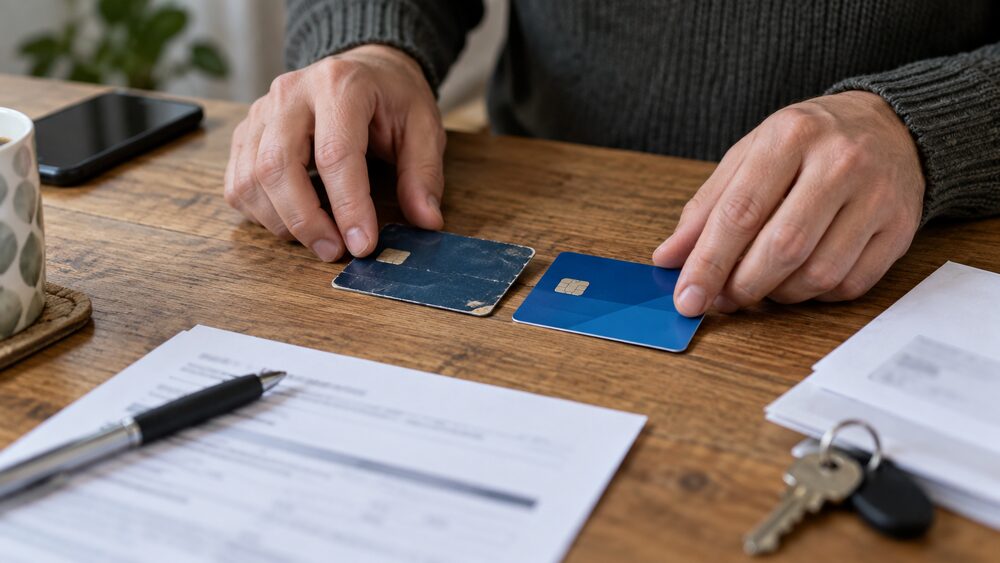
When your card is replaced, your recurring card payments may carry on, but this is not always the case. The Financial Conduct Authority says that if you get a new payment card, your recurring payments may continue, and that you can contact your card issuer to check1. What happens in practice depends on why the card was replaced and how the payment was set up.
When your card is replaced, your recurring card payments may carry on, but this is not always the case. The Financial Conduct Authority says that if you get a new payment card, your recurring payments may continue, and that you can contact your card issuer to check1. What happens in practice depends on why the card was replaced and how the payment was set up.
A recurring card payment is one you set up with a business using your debit or credit card details, rather than your sort code and account number2. They are sometimes called continuous payment authorities1. The key point for anyone with a new card is that the instruction sits with the business, not your bank, so a new piece of plastic does not automatically redirect it.
Some companies can pick up your new card details without you doing anything. Santander, for example, tells customers that even if a card expires or is cancelled, a company can get the new card details and keep taking payments3. Other providers tell customers the opposite: that they must update every recurring payment themselves. Both are true of different accounts, which is why checking with your own card issuer is the reliable step.
How recurring card payments work
A recurring card payment lets a business charge your payment card on a recurring basis without getting your permission each time1. You set it up by giving the business your credit or debit card details4. From then on, the company can take payments when they fall due, and the amount and frequency can vary.
This is different from a Direct Debit, which is set up using your sort code and account number5. With a Direct Debit, your instruction sits with your bank, and the payments can vary in amount or frequency2. With a recurring card payment, your instruction sits with the business6. That difference matters when your card details change, because there is no central switch that moves a card payment from an old card to a new one.
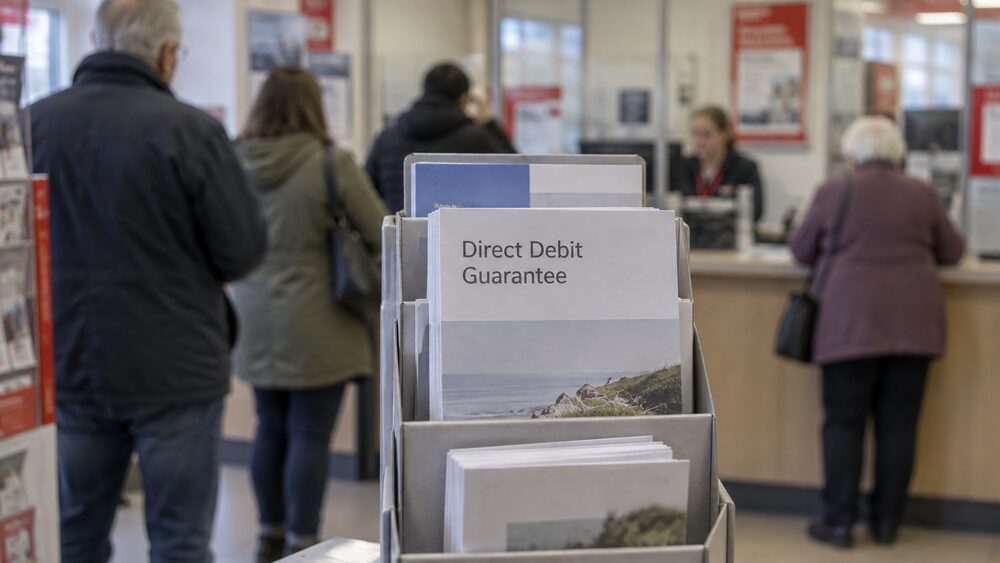
Recurring card payments are not covered by the Direct Debit Guarantee1. That guarantee is one of the main protections people associate with Direct Debits, and it does not extend to payments taken from your card. Instead, different rules apply, covered below.
You may see these payments described in several ways on statements and in apps. The Financial Ombudsman Service says a recurring payment may be known as a continuous payment authority, a recurring transaction or a regular card payment2. If you are scanning a statement for subscriptions, all three labels mean the same thing.
Payments may carry on with a new card, but not always
The FCA's position is that recurring payments may continue after a new card is issued, but this is not always the case1. Two things drive the difference: why the card was replaced, and whether your provider passes the new details on.
If your card simply expired, some providers automatically send the replacement details to retailers you had saved your card with. National Debtline describes these as updater services, which automatically send your replacement card details to retailers that you previously saved your card details with7. Where that happens, subscriptions carry on without you lifting a finger.
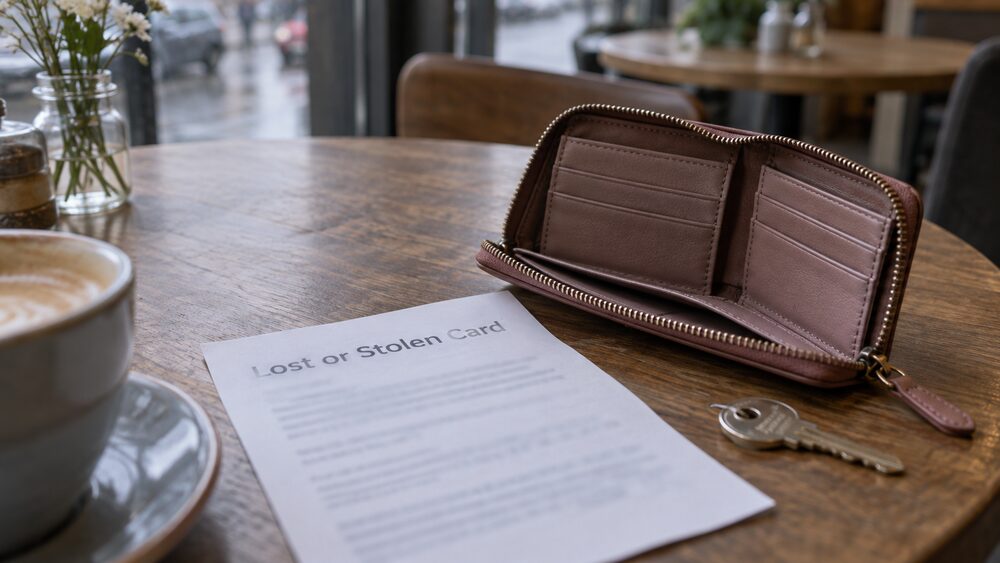
If you reported the card lost or stolen, the usual position is different. RBS tells customers they will need to update their details for any recurring payment, such as Netflix, once the new card comes through5. Nationwide says customers will need to update any recurring payments when they receive their new card6. MBNA tells customers they will need to update the payment details for any regular transactions they have set up, such as subscriptions or insurance premiums, as soon as the replacement arrives8.
Why some companies still get your new card details
Card payments in the UK run through the card systems, usually Visa or Mastercard9. When a card is replaced, the account behind it often stays the same, and that is the route by which a company can keep charging a new card without you re-entering anything.
This is not a loophole a company invents. It is how the card networks handle a replacement on an account that has not been closed. Santander states plainly that even if your card expires or you cancel the card, the company can get your new card details and keep taking payments3. That is why cancelling the card alone is not the same as cancelling the payment.
The flip side is that a business can only take recurring payments from your card with your consent1. If you never agreed to a payment, or you withdrew your agreement, the consent is gone even if the card details are still live. The FCA says that if you did not consent to the recurring card payments, your card issuer should stop the payments and give your money back1.
When you need to update your details yourself
Several providers tell customers to update recurring payments themselves once a new card arrives. RBS, Nationwide and MBNA all say this for cards replaced after being reported lost5. Starling Bank says recurring payments set up on an old card, such as subscriptions, will not switch automatically, and customers need to update them with the new card details10.
The same applies when you move accounts rather than just cards. Santander says card payments, such as a Netflix subscription, will not be switched as part of the Current Account Switch Service11. Virgin Money says subscriptions set up using a debit card must be updated by the customer12. The switch service's own guide states there is no guarantee that payment requests sent to an old account will be redirected to a new one for recurring card payments set up using the old debit card number13.
Nationwide's FlexGraduate account move is another example: recurring Visa payments will not automatically update after the account move14.
Digital wallets behave differently from the card itself. Apple Pay and Samsung Pay terms say a replacement card is automatically registered and the new details updated once you have activated the new card15. Barclays says the same for Click to Pay17. But if you switch to another type of Nationwide account, you will need to register any new card issued for that account to your device if you still want to use Apple Pay18.
Checking with your card issuer
The reliable way to find out what will happen to your recurring payments is to ask your card issuer. The FCA says you can contact your card issuer to check whether your recurring payments will continue after a new card1. The answer will depend on the type of replacement and the provider's own practice.
If you want to stop a recurring payment, you have two routes. The FCA says you can cancel a recurring card payment by contacting the business taking the payment and asking them to stop, or by asking your card issuer to cancel the payment1. The Financial Ombudsman Service says you need to contact either the business or your card provider2. Which? notes that your card provider must cancel these payments if you ask them to2.
Under the Payment Services Regulations 2017, your bank or card provider must cancel the payment authority when you ask20. National Debtline says you will need to write to your card issuer asking for the payment to be stopped21.
If money is taken after you have cancelled, you have a right to a refund. Which? says that if further payments are taken by mistake after you have asked for a cancellation, your card provider must refund them2. National Debtline says your card issuer should give you a refund, including any interest or charges added to your account because the payment was taken21.
Recurring card payment or Direct Debit: the differences that matter
The two look similar on a statement but behave differently when something goes wrong.
| Feature | Recurring card payment | Direct Debit |
|---|---|---|
| Set up using | Your debit or credit card details5 | Your sort code and account number5 |
| Instruction sits with | The business6 | Your bank6 |
| Amount and frequency | Can vary6 | Can vary2 |
| Covered by the Direct Debit Guarantee | No1 | Yes |
| How to cancel | Contact the business or your card issuer1 | Contact your bank |
The Direct Debit Guarantee is the main protection people rely on for regular bill payments, and it does not apply to recurring card payments1. That is why a subscription taken from your card needs to be cancelled in its own right, rather than assumed to stop when the card changes.
If you are weighing up which method to use for a new regular payment, the Direct Debit or continuous payment authority comparison sets out the control and refund rights for each.
If a payment is taken after you cancel
If a payment is taken after you have withdrawn your agreement, the rules are on your side. The FCA says that if you did not consent to the recurring card payments, your card issuer should stop the payments and give your money back1. National Debtline says your card issuer should give you a refund, including any interest or charges added to your account because the payment was taken21.
If you have cancelled a subscription and money is still being taken, the charged after cancelling a subscription page sets out what you can do. If the problem is a dispute with the company rather than the payment itself, free consumer advice when a dispute with a firm stalls explains where to get help.
For card purchases more broadly, chargeback exists for both credit and debit card purchases23. That is a separate route from cancelling a recurring payment, and it applies to a specific transaction rather than to a payment authority.
Where to get help
If a recurring payment problem is not resolved by your card issuer, the Financial Ombudsman Service can look at complaints about banking and payments, including regular payments2. You can also get free, impartial help from MoneyHelper and from debt advice charities.
If you are in Northern Ireland, the Consumer Council provides complaint help25. If you are dealing with a scam rather than a subscription problem, Age UK and Take Five offer support for scam victims26.
The Payment Systems Regulator is examining card fees to ensure businesses and consumers are getting a good deal on card payments28, and it also sets out how it helps consumers with payment problems29.
Sources29 cited
- Recurring card payments Financial Conduct Authority, 2025-06-23
- Regular payments Financial Ombudsman Service, 2026-09-26
- Future dated card payments Santander, 2026
- Dealing with payday loan debt StepChange, 2026-09-25
- I've lost my credit card, what do I do? RBS, 2026-09-25
- Lost, stolen or damaged cards Nationwide, 2026
- Dealing with fraud National Debtline, 2026-09-25
- Credit cards help and support FAQs MBNA, 2026-09-26
- Account to account payments Payment Systems Regulator, 2026-09-26
- Switch current account Starling Bank, 2026
- Switching current accounts Santander, 2026
- Switching current accounts Virgin Money, 2026
- Current account switch guide Virgin Money, 2026
- FlexGraduate maturity Nationwide, 2026
- Apple Pay M&S Bank, 2026
- Samsung Pay HSBC, 2026
- Click to Pay Barclays, 2026
- Apple Pay terms and conditions Nationwide, 2026
- Activating my contactless debit card Cynergy Bank, 2026-09-25
- Consumer advice: other problems Isle of Anglesey County Council, 2025-10
- Payday loans National Debtline, 2026-09-25
- Payday loans Business Debtline, 2026
- Chargeback rights and Section 75 UK Finance, 2026
- Credit card payment holidays StepChange, 2026-09-25
- Choosing the right current account Consumer Council, 2026
- Support for scam victims Age UK, 2026-09-26
- Card fraud Take Five, 2026-09-26
- How we help you Payment Systems Regulator, 2026-09-26
- Direct Debits and standing orders explained Which?, 2026-03-05






 Citizens AdviceFree advice on money, consumer and legal problems in England and Wales
 MoneyHelperFree, impartial money and pensions guidance, set up by government
 Financial Ombudsman ServiceFree, independent help when a complaint about a firm is not put right
 GOV.UKOfficial information on tax, benefits and government services
 StepChangeFree debt advice and solutions from a charity