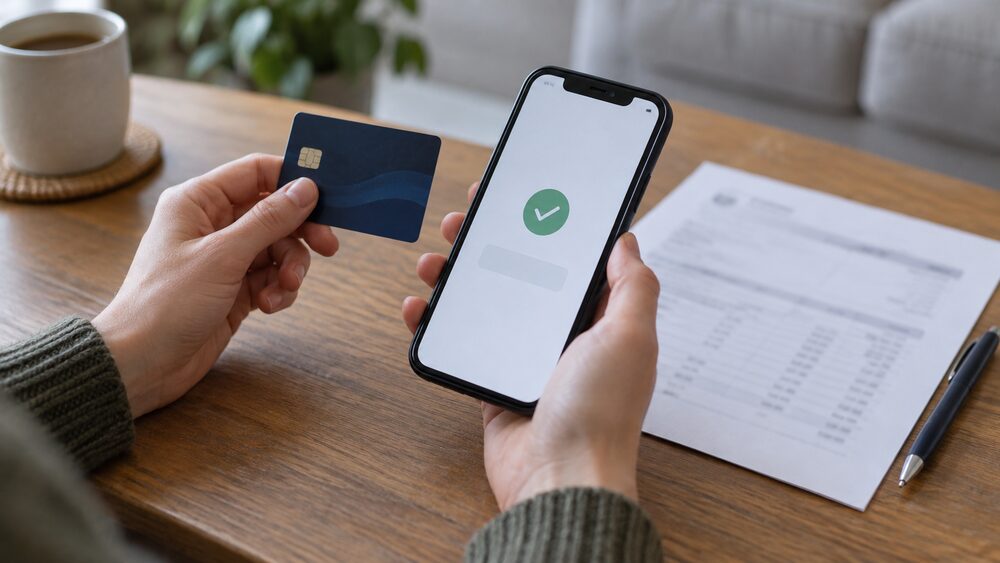
Being charged after you have cancelled a subscription is a common problem, and there are two separate things you can do about it. The first is to stop the payments. The second is to get back the money that was taken after you cancelled.
Being charged after you have cancelled a subscription is a common problem, and there are two separate things you can do about it. The first is to stop the payments. The second is to get back the money that was taken after you cancelled.
To stop a recurring payment, the business or your card provider is contacted1. If the payment is a continuous payment authority, there is a right to cancel directly with your card issuer, and once this is done it must stop payments immediately2. If it is a Direct Debit, it can be cancelled at any time by contacting your bank or building society, though written confirmation may be required, and the organisation is also notified3.
To get your money back, the route depends on what happened. If further payments are taken by mistake after you have asked for a cancellation, your card provider must refund them3. If money is still taken after you withdraw a continuous payment authority, your card issuer should give you a refund, including any interest or charges added because the payment was taken4. Where the company will not put things right, a chargeback through your card provider is the usual next step.
Cancel with the company to stop the payments
The starting point is always the company itself. Cancelling the subscription with the company stops the charges, and this might be through their website or their support team6. Cancelling with the company is what ends the arrangement signed up to, and it is the step that gives the clearest evidence if a payment is taken afterwards.
If the company is hard to reach, or you cannot cancel through it, you can go to your card provider instead. For a continuous payment authority, you can cancel by contacting the company taking the payment, or cancel directly with your card issuer, which must stop payments immediately7. The same right applies across the sources: you do have the right to cancel directly with your card issuer, and once you have done this it must stop payments immediately8. Some guidance suggests writing to your card issuer asking for the payment to be stopped9.
For Direct Debits the rule is different but just as firm. A Direct Debit can be cancelled at any time by simply contacting your bank or building society, and written confirmation may be required; the payee company is also notified4. If a Direct Debit is cancelled, your bank should ensure that no payments are taken3.
One important limit applies to all of these routes. Stopping a payment does not end the contract, and you will still need to pay what you owe6. Cancelling a recurring card payment does not necessarily end your contract with a business, and it will still be your responsibility to pay any money that you owe under a contract2. So if you owe money for a service you have already had, stopping the payment does not wipe that out.
Charged after cancelling: gather your proof
If a payment is taken after you cancelled, the strength of your case rests on what you can show. Card providers ask for specific evidence before they will look at a dispute.
For a debit card transaction dispute, the provider will need to see evidence that you have cancelled the subscription10. For a cancelled subscription dispute, you will need to provide the date you cancelled your subscription or recurring payment on11. For a recurring charge after cancellation, one provider asks for proof that you tried to cancel it before it was charged12.
Put together, the useful documents are:
- The cancellation confirmation, whether that is an email, a screenshot or a reference number
- The date you cancelled, written down
- Any correspondence with the company, including web chat transcripts
- Your bank or card statement showing the payment that was taken afterwards
If you are disputing a bill rather than a subscription, the same principle applies: a written dispute can ask for a revised bill and an explanation of the extra charges13. Keep copies of everything you send and note the dates.
Chargeback: claiming a repeat payment back through your card provider
Chargeback is the term used by card providers for reclaiming a card payment from the trader's bank15. It lets consumers challenge and try to recover payments made using a debit or credit card, although it only applies in certain circumstances16. Some banks and credit card companies offer a chargeback service, which means they will reverse your transaction and you will get your money back unless the seller can successfully dispute it17.
The circumstances where chargeback can be used include goods or services not received, including where a company has gone out of business; faulty, counterfeit or defective goods; the wrong amount being charged or being charged twice by mistake; and being charged for a repeat payment after cancelling a subscription18. If you can provide evidence of a breach of contract, for example goods are not delivered or the service was not carried out, you can ask your card provider to attempt to recover the payment19.
There are limits. Chargeback is not a legal right, and it only applies in certain circumstances16. Card issuers seek to claim back from the merchant the amounts you are claiming, and merchants can dispute your right to chargeback20. For recurring transactions, one provider states that you can only claim for payments taken after you cancelled the payment authority21. And a chargeback claim can only be made where the company failed to supply services, not where you choose not to travel or are unable to travel20.
If you used a debit card to buy something that turned out to be bogus, or if you used a credit card and the price of the goods or services was less than £100, you may be able to use the chargeback scheme22. As an illustration of scale, if a cardholder paid £1,000.00, the cardholder could raise a chargeback claim for the full £1,000.00 to their issuing bank20.
How long you have to claim
Timing matters, and the clock usually starts from the purchase or from when you expected the goods or services. You usually have around 120 days to raise a chargeback about goods or services5. This is typically 120 days from the date of purchase or from when you expected to receive the goods or services, though longer periods may apply in certain scenarios20. One provider sets out the same window: if a customer gets in touch within 120 days from the service date, they could ask for a chargeback to get their money back23.
For unauthorised payment complaints there is a separate, longer deadline. Under the Payment Services Regulations 2017, you must report an unauthorised payment as soon as possible or, in any event, within 13 months of the date the unauthorised payment was made19. That is a backstop, not a target: reporting early gives your provider the best chance to act.
| What you are claiming | Usual deadline | Source |
|---|---|---|
| Chargeback for goods or services | Around 120 days | 5 |
| Chargeback, from purchase or expected delivery | Typically 120 days | 20 |
| Unauthorised payment complaint | Within 13 months | 19 |
If the payments keep coming: next steps and where to get help
If the company keeps charging you after you have cancelled, and your card provider has not resolved it, the next step is a formal complaint. The Financial Ombudsman Service handles complaints about regular payments, and it can look at what the firm did1. It also handles complaints about goods and services bought on credit5.
Before that, put your complaint in writing to the company and keep a copy. If you are disputing a bill, a written dispute can ask for a revised bill and an explanation of the extra charges13. If the firm does not reply, there is separate guidance on what to do when a company has not replied to your complaint.
There is a wider warning worth knowing. The Financial Ombudsman Service has warned that refunds are not guaranteed, and consumers should know their rights16. Subscription traps are a known problem: online ads can mask subscription offers, and people end up signed up without realising24.
If money is tight because of the charges, free and impartial help is available. Debt advice charities can help you deal with creditors, and if you are struggling, the guidance is to keep making payments even if an offer was rejected, because the people you owe should still accept the payments and update your account25. Creditors can ask you to bring your account up to date, add extra charges and interest, and begin action to reclaim the debt if payments are reduced26. If you are in contract with a provider and want to leave early, you may have to pay charges to end your contract early27.
Where to get free help:
- The Financial Ombudsman Service, for complaints a firm has not resolved1
- MoneyHelper, for free impartial guidance on money problems
- Debt advice charities such as StepChange and National Debtline, for help with debts25
- Citizens Advice, for consumer and debt problems
Sources27 cited
- Regular payments Financial Ombudsman Service
- Recurring card payments Financial Conduct Authority, 2025-06-23
- Direct debits and standing orders explained Which?, 2026-03-05
- Safer ways to pay Consumer Council
- Goods and services bought on credit Financial Ombudsman Service, 2026-09-25
- What is a subscription Ulster Bank, 2026-09-25
- Buy now pay later Business Debtline, 2026-09-26
- Payday loans National Debtline, 2026-09-25
- Making the most of your money Business Debtline, 2026-09-25
- Disputing a transaction Chase, 2026-09-25
- Disputing a credit or debit card transaction Santander, 2026
- Information needed when disputing AIB (NI), 2026
- Letter to dispute a phone or broadband bill Which?, 2025-06-18
- How to challenge your Council Tax band GOV.UK, 2025-03-18
- Other problems Isle of Anglesey County Council, 2025-03
- Festival refunds not guaranteed Financial Ombudsman Service, 2026-06-04
- Section 75 and chargeback Which? Legal, 2026-09-25
- Guide to credit cards Ulster Bank, 2026-09-25
- Other problems Isle of Anglesey County Council, 2025-10
- Chargeback rights and Section 75 UK Finance, 2026
- Debit card chargeback TSB, 2026
- Other problems Isle of Anglesey County Council, 2025-10
- Chargeback examples Tesco Bank, 2026-09-25
- Think before you click Which?, 2026-07-16
- Arranging payment with creditors StepChange, 2026-09-25
- Can I be forced to repay debts StepChange, 2026-09-25
- Getting online for less Independent Age, 2026-09-26


 Citizens AdviceFree advice on money, consumer and legal problems in England and Wales
 MoneyHelperFree, impartial money and pensions guidance, set up by government
 Financial Ombudsman ServiceFree, independent help when a complaint about a firm is not put right
 GOV.UKOfficial information on tax, benefits and government services
 StepChangeFree debt advice and solutions from a charity