
Changing your name, whether through marriage, civil partnership, divorce or deed poll, means the name on your bank accounts, savings and cards no longer matches the name on your passport or driving licence. Firms are required by law to check identity, and payments are now checked by name as well as by account number, so an out-of-date name on an account can cause delays, failed checks and awkward questions at the counter1.
The good news is that the process is usually straightforward: you tell each firm, show the evidence it asks for, and it updates its records and reissues anything carrying your name, such as debit cards. The order matters. Start with your bank, because so much else, from your salary to your savings, depends on the account details and name your bank holds. Then work outward through savings providers, NS&I, card issuers and anyone who pays you or takes money from you.
Why your name on financial accounts needs to match your ID
Financial firms do not hold your name simply as a label. It is part of how they confirm you are who you say you are. NS&I, the government-owned savings bank, states the position plainly: it is "required by law to check your identity and address when you apply to invest with us or register for our online and phone service", and it may check again later to keep its records up to date1. Government services work the same way: when you sign in to check the Income Tax you paid last year, HMRC may ask you to prove your identity, usually with photo ID such as a passport or driving licence7. If the name on your account differs from the name on that photo ID, the check becomes harder to pass.
The name on an account also matters when money moves. Under the confirmation of payee service, banks can check the name on a new payee's account as well as the sort code and account number2. The scheme was designed to require banks to check the name provided on a transfer against their account records and alert the customer if the information does not match8. Citizens Advice describes what this means in practice: when you pay a business or person online for the first time, your bank or building society will check the details you use and tell you if the name of the account holder is the same as the one you have given9. A mismatch does not always stop a payment, but it can, and it is the main reason a name change should be applied consistently across your accounts.
There is a practical consequence for new applications too. When you open a bank account online, you will be asked for your name and any previous names if your name has changed in the past six years3. So even if you keep an old account in an old name, expect to disclose the change whenever you apply for something new.
Documents you need to change your name
What a firm accepts as evidence of a name change depends on the reason for it. A marriage or civil partnership certificate, a decree absolute, or an enrolled or unenrolled deed poll are the usual documents, and firms generally want to see the original or a certified copy. The broader rule firms follow is the one that applies to opening an account in the first place: you need to show proof of who you are and your address, and if you do not have the documents a firm normally asks for, MoneyHelper advises asking the bank what it will accept instead10. That advice applies to name changes as well: providers have some flexibility, and it is worth asking.
Some firms set a freshness requirement on supporting documents. The Court Funds Office, for example, asks for a copy of a bank statement or a letter from your bank dated within the last three months to confirm your account details11. A recent statement in your new name, once your bank has updated its records, is often the easiest way to prove the change to other organisations, which is one reason to start with your bank.
If someone else manages the account, the document list is longer. Government guidance for deputies and attorneys says a bank will want proof of your name and address, evidence of your authority to act for the account holder, and proof of the account holder's name and address if the bank does not already hold it12. A name change for the account holder, or for the person acting, means updating that evidence with the bank. The site's guides to certified copies and to third-party mandates and letters of authority cover those routes in more detail.
How to change your name with your bank
Most banks let you manage your accounts in several ways. MoneyHelper notes that, depending on the account, you can usually do things online, using an app, over the phone or in person13. A name change is different from an address change, though, because the firm needs to see evidence. In practice that means some banks accept an upload through their app or online banking, while others ask you to bring your document to a branch or post a signed form. Check your own bank's process before you start.
NS&I shows how the paper route works. To change your name with NS&I you can send a letter with your signature5, and if you prefer to use the post, or need to change your name by post at all, you can download and send a paper form4. Once registered for its online and phone service, you can manage your details there too5. The same pattern, app or online where offered, branch or post where evidence is needed, applies across the market.
A few points make the process smoother:
- Change your name with your bank first, before other financial firms, so you have a statement in the new name to show them.
- Ask the bank what will happen to your cards, and whether any account documents, such as cheque books, will be reissued.
- If you hold a joint account, both holders normally deal with the bank together for a change like this; a joint account normally allows two or more people to receive payments, pay by debit card, transfer money and manage the account, depending on the bank14.
- If someone helps you with your account under a mandate or power of attorney, tell the bank about the name change for both of you and expect to update the authority evidence12.
If your name change is part of a wider fresh start, for example after a divorce or leaving a difficult relationship, you may be considering a new account rather than an update. The guide to switching your bank account covers that route, including the Current Account Switch Guarantee, and the guide to keeping your account safe from an abuser covers the protections banks can offer.
Accounts with more than one brand or provider
A name change is rarely a single conversation, because most people's money sits with several firms. Government guidance on telling organisations after a death lists the kinds of firms that hold a person's financial accounts, and the same list is a fair checklist of who to notify about a name change: banks, mortgage providers, insurance providers, and companies the person has contracts with, such as utility companies, landlords or housing associations15. Work through your own version of that list: bank, savings provider, credit card issuer, mortgage lender, pension provider, insurers, and anyone who pays you.
Two quirks of the banking market are worth knowing. First, brands cluster. Several well-known high street names can belong to one banking group, and the group may treat your relationship with it as one. Citizens Advice warns of a related effect with basic bank accounts: if you have an overdraft or other debts on your current account and you open a basic bank account at a bank in the same group, the bank may use money in the new basic account to pay off debts on your old account16. When you change your name, ask each firm which brands it shares records with, so you know whether one request covers several accounts.
Second, accounts differ in what they allow. A joint bank or building society account lets each account holder withdraw money without asking the other person17, so both holders' details need to be right for the bank's checks to work. Basic bank accounts, offered by the largest banks on a fee-free basis, let you set up Direct Debits and standing orders, use a debit card, have income paid in and check your balance18, and changes to basic bank accounts over recent years mean they are likely to better meet the needs of consumers19. Some accounts have restricted application routes: the Lloyds Banking Group basic account can be applied for in branch or over the phone but not online, and is typically offered after a customer has been declined for another current account20. None of this changes how a name change works, but it affects who you have to contact and how.
Savings, NS&I and linked nominated accounts
Savings accounts need the same treatment as current accounts, with one extra layer: many savings accounts are linked to a nominated bank account that money is paid into and out of. NS&I, the UK government-owned savings bank21, is the clearest example, and its rules show the pattern the whole market follows.
To change your name with NS&I, send a letter with your signature, or use the paper form4. But NS&I also holds, for many customers, the bank account it pays money out to. Its rule for that nominated account is strict: it must be a personal UK bank account, in your name6. That has a direct consequence after a name change. If you update your name with your bank, the account is still in your name, so the link holds. But if you change your name and later open a new bank account, or if the account name and the NS&I record drift apart, payments out can fail the name checks described earlier2.
NS&I's own steps are these. If you are registered for its online and phone service, choose 'Nominated accounts' and change the bank account or accounts linked to your NS&I savings, online or by phone; when new bank details are added, an automated security call is made6. If you are not registered, or you hold an Investment Account, you complete a form and post it6. To remove old details, go to 'Your nominated accounts', click 'Change', use the dropdown menus to unlink your bank details, then click 'Remove'6.
The same thinking applies to money flowing the other way. NS&I lets you switch money between its own accounts, which it defines as moving some or all of the money in an existing NS&I account to a new account you open with it, and some accounts can be switched using a simple online form without needing to log in22. To set up regular saving by standing order, you contact your bank with the amount and timing, which most banks let you do online or through their mobile app, and to stop or change it you contact your bank again23. NS&I also offers Pay by bank account, a way to top up savings through its website without entering card details, approving each payment through your bank's own app or website; NS&I states that neither it nor its payment provider Ecospend has access to your bank login details24. Every one of these routes depends on your bank record and your NS&I record agreeing about who you are, which is why the name change comes first.
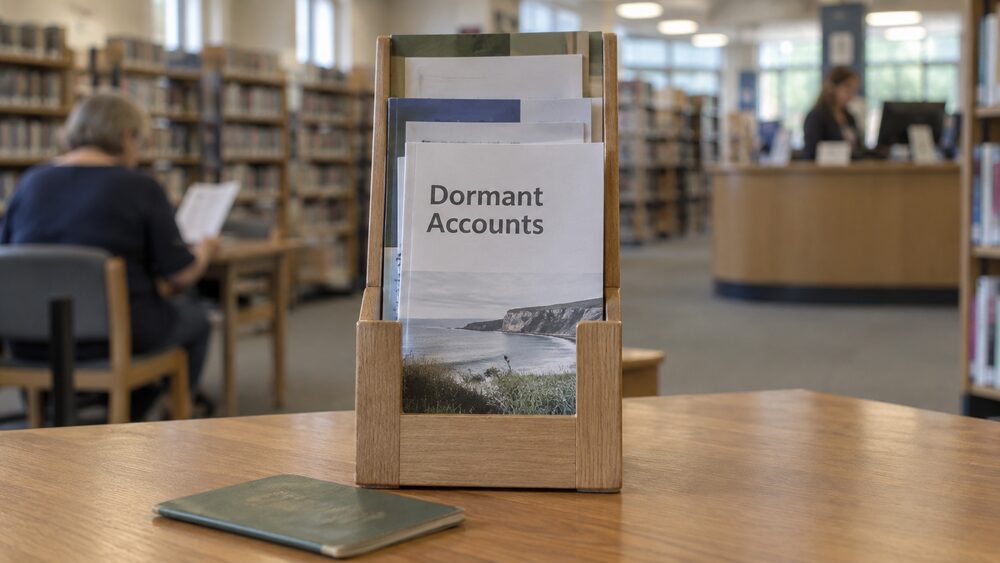
If you have savings you have lost track of, perhaps in an old name, the mylostaccount.org.uk service, run by the British Bankers' Association, the Building Societies Association and NS&I, is the easiest way to retrace lost or dormant bank and savings accounts26. The site's guide to dormant bank accounts explains how to reclaim money held in a previous name.
What to update after your bank: Direct Debits, payees and cards
Once your bank record is updated, the payments tied to your account mostly look after themselves, but not all of them, and it is worth knowing which is which.
Direct Debits and standing orders are linked to your bank account, not to your card or to the name printed on it. Basic bank accounts, for example, let you set up, amend and cancel Direct Debits and standing orders, and the same fee-free accounts from the largest banks let you have income or benefits paid in27. A name change on the account does not cancel them. What can need attention is the name the company holds for you: a Direct Debit instruction includes your full name, address and postcode, sort code and account number29, so if a billing company's records still show your old name, its own checks and correspondence can get confused. The Direct Debit Guarantee also requires the payee company to notify you in advance of any change to the amount, date or frequency of your Direct Debit30, and that notice goes to the name and address it holds, another reason to update billing companies.
Payments into your account need notice too. Student Finance England requires four working days' notice to change your bank details so that a payment is made to your new bank account31. If your name change coincides with a change of account, tell payers such as an employer, a pension provider or a benefits office in good time. Northern Ireland's nidirect service notes that most account providers will allow you to permanently or temporarily name a helper to access your account on your behalf, and to contact your bank, building society or other account provider for instructions32, which can help if illness or disability makes the admin hard. The guide to extra support and third-party access covers this.
Cards are the visible part of the change. Your debit cards carry your name, so expect replacements once the record is updated. Recurring card payments, such as subscriptions, are tied to the card, and the guide to recurring payments on a new card explains what carries over. When you send money to someone, remember the name checks: confirmation of payee compares the name you give with the name on the receiving account2, so tell anyone who pays you regularly that your account name has changed, or their bank may flag their payments to you.
Your name change and your credit file
A name change does not, by itself, damage your credit record, but it touches the machinery that builds your score, and it is worth understanding how.
Lenders confirm your identity using your details, and if they cannot do that, it affects your credit score, because they cannot confirm your identity and you become more of a risk33. Reference agencies hold your name, address history and previous names, which is why banks ask about names changed in the past six years when you open an account3. Keeping the chain of evidence, certificate or deed poll plus a bank statement in the new name, makes those checks pass cleanly.
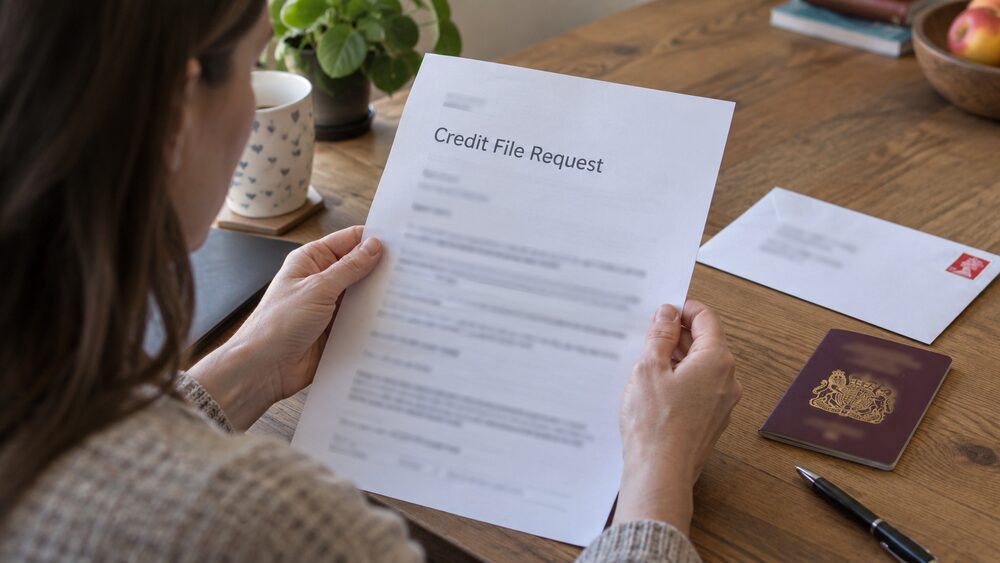
Two knock-on effects are worth avoiding. First, if you apply for credit around the time of the change and are rejected, for example for a credit card, it will be noted on your credit file and could impact your credit score33. Second, if accounts in your old name are missed in the update and then fall behind, the consequences are the same as ever: your credit file will show that you did not make your agreed payments, which impacts your credit score, and while a default notice itself does not affect your credit file, the account defaulting does34. So the practical rule is to make sure every credit account, card, loan and mortgage is updated, not just the bank account, and to check your file afterwards. The guide to requesting your full credit file explains how to get it from each agency, and the credit scores section explains what the agencies actually record.
One more caution: current accounts with overdrafts appear on your credit report, and successive applications in a short space of time could negatively affect your score3. A name change is not a reason to open a string of new accounts; updating the ones you have is usually enough.
Where a name change can go wrong and how to get help
Most name changes go through without trouble, but there are four common places where they can go wrong, and help exists for each.
The first is evidence. If you cannot produce the document a firm wants, ask what it will accept instead, as MoneyHelper advises for account opening10. Firms have discretion, and a certified copy may do where an original cannot be sent. The second is timing. Payments and instructions that depend on your details need notice, as Student Finance England's four working days shows31, and a name that is updated at the bank but not at the payer can hold up money coming in. The third is fragmentation: an account left in an old name, or a savings link that no longer matches, can fail the name checks that now run on payments2. The fourth is fraud itself: the same name-checking system that catches mismatches is also used against scams, and Citizens Advice's guidance on checking whether something might be a scam is the place to start if a firm contacts you about your name change unexpectedly9. The scams and fraud section covers the warning signs.
If a firm handles your name change badly, by delaying it, losing documents or failing to update records, you can complain to it first, and then to the Financial Ombudsman Service if you are not satisfied with the answer. The guides to writing a complaint, to what to do if a company has not replied and to free consumer advice set out the steps, and readers in Northern Ireland can also use the Consumer Council. For anything involving letting someone else manage the account during the process, the guides to powers of attorney and deputyship explain the authority a bank will need to see12.
Sources34 cited
- Evidence of identity NS&I, 2026-04-15
- Confirmation of payee Payment Systems Regulator, 2026-09-26
- How to open a bank account online Which?, 2026-04-23
- Change personal details NS&I, 2022-07-04
- Manage your details NS&I, 2021-06-08
- How to receive money from NS&I NS&I, 2022-06-30
- Check how much Income Tax you paid last year GOV.UK, 2026-09-26
- Victims tricked into transferring scammers money granted better protection Which?, 2018-06-26
- Check if something might be a scam Citizens Advice, 2019-05-30
- Make your money easier to manage by yourself MoneyHelper, 2026-09-25
- Get court funds money when you turn 18 GOV.UK, 2026-09-27
- Deputy and attorney guidance: dealing with banks GOV.UK, 2023-05-02
- How to open, switch or close your bank account MoneyHelper, 2026-09-25
- Joint accounts MoneyHelper, 2026-09-25
- Report a death and Tell Us Once GOV.UK, 2026-09-28
- Getting a bank account Citizens Advice, 2026-09-25
- Dementia and managing money nidirect, 2026-09-03
- Banking with benefits: exploring the need for basic banking Citizens Advice, 2016-09-07
- Saving your extra money NS&I, 2026-09-22
- Banks join scheme to help homeless people open bank accounts Which?, 2025-11-14
- Switching between NS&I accounts NS&I, 2026-06-10
- How to save while you sleep NS&I, 2026-09-01
- Pay by bank account NS&I, 2025-12-01
- Ways to pay NS&I, 2023-07-06
- Basic bank accounts Advice NI, 2026-09-26
- Experian to close tracing service: here's how to search for lost cash Which?, 2022-08-24
- Safe bank accounts National Debtline, 2026-09-25
- Safer ways to pay Consumer Council Northern Ireland, 2026
- DMP documents StepChange, 2026-09-26
- Student Finance England: how to guide GOV.UK, 2022-06-24
- Why can't I get a 0% interest credit card? Debt Advice Foundation, 2016-02-29
- Help collect your benefits or pension nidirect, 2026-06-26
- 8 things you need to know about balance transfer credit cards Which?, 2023-02-06
- Default notices and missed payments StepChange, 2026-09-25




 Citizens AdviceFree advice on money, consumer and legal problems in England and Wales
 MoneyHelperFree, impartial money and pensions guidance, set up by government
 Financial Ombudsman ServiceFree, independent help when a complaint about a firm is not put right
 GOV.UKOfficial information on tax, benefits and government services
 StepChangeFree debt advice and solutions from a charity