
Free debt advice means a conversation with a trained adviser, at no cost to you, that looks at everything you owe and sets out the options for dealing with it. It is available online or over the phone from services across the UK1, and the charities that provide it are clear on one point: there are lots of free advice services, so there is no need to pay for debt advice2. Advice itself is free, even where the solution eventually chosen, such as a formal insolvency, carries fees.
The main free services are charities and government-backed bodies: StepChange, National Debtline, Citizens Advice, Advice NI in Northern Ireland, and MoneyHelper, which offers free, impartial money and pension guidance backed by government3. MoneyHelper is run by the Money and Pensions Service, an arm's length body of government4, which brought together the three previous providers of government-sponsored financial guidance: the Money Advice Service, the Pensions Advisory Service and Pension Wise5. Demand is large: a review for the National Audit Office in 2018 recommended that the amount of free debt advice available rise by 50% within two years6.
Free debt advice: what it is and who offers it
Debt advice is a structured conversation. You give the adviser a picture of your income, your essential living costs and everything you owe; the adviser checks you are receiving everything you are entitled to, sorts your debts into priority and non-priority, and then explains which solutions fit your circumstances. It is free, and it is confidential. Some debt solutions may have fees, but the advice itself is free, and the charities that provide it state there is no need to pay for it2.
Who offers it falls into three groups. First, the specialist debt charities: StepChange, National Debtline, which provides free, confidential and independent debt advice12, and Business Debtline for the self-employed. Second, the general advice networks: Citizens Advice, which offers free advice on debt and other money problems13, and Advice NI in Northern Ireland, which offers free, confidential and impartial advice and information to help you manage your money14. Third, the government-backed guidance service, MoneyHelper, which can help you find a way forward if you are worried about money and finding it difficult to know where to start13.
None of these services sells debt solutions, which is what keeps the advice impartial. The Money and Pensions Service provides free and impartial debt advice, money guidance and pension guidance to members of the public5, and its consumer service is sponsored by the Department for Work and Pensions15. The scale of need behind these services is significant: the 2018 review for the National Audit Office found that free debt advice provision needed to grow by half within two years to meet demand6.
If you are not sure where to start, MoneyHelper is designed for exactly that, and a first call to any of the charities above will result in the same thing: a full budget, a list of your options, and no charge. The pages on debt solutions across the UK and which debts to pay first explain the background an adviser will cover.
Debt charities and advice services at a glance
The main services reach people in different ways: phone, webchat, online tools and face-to-face appointments. The table below sets out what each one is and how to reach it.
| Service | What it offers | How to reach it |
|---|---|---|
| StepChange | Full debt advice online or by phone; online debt advice is available day and night2 | Website and phone; getting advice will not affect your credit file or credit score9 |
| National Debtline | Free, confidential and independent debt advice12 | Website, phone and webchat |
| Citizens Advice | Free advice on debt and other money problems13, including help with gambling problems16 | Phone lines Monday to Friday, 9am to 5pm17, plus local offices |
| MoneyHelper | Free, impartial money and pension guidance, backed by government3 | 0800 138 77777; webchat Monday to Friday, 9am to 5pm, closed weekends and bank holidays15; WhatsApp +44 (0)7701 34274415 |
| Advice NI | Free, confidential and impartial advice to help you manage your money14 | Offices throughout Northern Ireland, which you can visit or telephone5 |
| Business Debtline | Free debt advice for the self-employed and small businesses7 | Website and phone |
| Debt Advice Foundation | Free, confidential support and advice on any aspect of debt, including IVAs18 | Website and phone |
A few practical points are worth knowing before a call. UK calls to MoneyHelper are free and may be recorded to improve the service15. MoneyHelper offers a bilingual service via a variety of channels, with tools and helplines in English and Welsh19, and if English or Welsh is not your first language, it can find an interpreter to help15. Its guides are available in English and Welsh, and in print, braille or audio format, for free3. The Financial Services Compensation Scheme, which protects customers of failed financial firms, points people struggling with repayments to free debt advice from organisations including StepChange, Which? and Citizens Advice20.
Citizens Advice does more than advise: it can refer your complaint to local Trading Standards Officers who may then investigate on your behalf, and it shares complaint information nationally with enforcement authorities, including Trading Standards, the Competitions and Markets Authority and regulators, so that action can be taken17. That means a problem you raise with it can feed into wider enforcement, not just your own case.
Where to get help in Scotland, Wales and Northern Ireland
Each nation has its own free services, and some of the solutions differ too, so a service based in your nation can explain the options available there.
In Scotland, the Scottish Government supports organisations to give free debt advice21, and its stated vision is for a free debt advice system22. The Money Talk Team service offers free money and debt advice23. Scotland also has its own statutory solutions, including the Debt Arrangement Scheme, protected trust deeds and sequestration, which a Scottish adviser can explain. There is a long-standing legal duty designed to signpost free help: under Scottish regulations, a money adviser must inform a debtor of the name of any adviser providing free money advice within a 10 kilometre radius of the debtor's usual place of residence, or the nearest one where there is none within that radius24.
In Wales, advice is available in Welsh as well as English: MoneyHelper offers a bilingual service via a variety of channels, with tools and helplines in English and Welsh19. Where mortgage arrears are the problem, the Help to Stay - Wales scheme will refer you to a free, independent debt adviser who will review your finances and make recommendations to help you manage your situation, if you have not already received independent debt advice25. The page on help for homeowners in arrears covers that scheme in detail.
In Northern Ireland, Advice NI has offices throughout the province which you can visit or telephone for advice5. The scale of the service is substantial: Advice NI's network dealt with over 288,000 enquiries last year, over 75% of them social security-related, and its debt service dealt with approximately £46m in debt, with an average debt per client of just over £11,000. Its small business caseload averaged just over £53,000 of debt per client26. Free advice on informal arrangements and other debt problems is available from organisations like Advice NI27.
What happens in an advice session: working out a budget
An advice session follows a pattern whichever service you use. You contact the service, gather your paperwork, draw up a budget, sort your priority debts, hear your options, and then choose and set up a solution if you want one.
An adviser will typically ask for recent payslips or benefit letters, bank statements, a list of who you owe and how much, and any letters from creditors, courts or enforcement agents. The adviser uses these to build a budget, which is the foundation of every option. The page on budgeting for repayments explains the standard formats advisers use.
There is a regulatory distinction in how this works. Under Financial Conduct Authority guidance, helping a debtor draw up a budget is not debt counselling if the information is given in a balanced and neutral way28, and budgetary advice that goes further, advising the debtor on how to match income and debts, is debt counselling29. In the regulator's words: "In general terms, simply giving balanced and neutral information without making any comment or value judgement on its relevance to decisions which a debtor may make is not advice."30 In practice this distinction does not change much for you: a full advice session with a charity covers both, and the adviser will recommend options once your budget is complete.
The budget sorts your debts into priority debts, such as rent or mortgage, council tax and energy, where non-payment can cost you your home or lead to court action, and non-priority debts such as credit cards, loans and overdrafts. The adviser then checks your income is maximised, including benefits you may be missing, before setting out solutions ranging from informal arrangements to formal insolvency. You can read about the range in advance on debt solutions across the UK.
Debt management plans: free from a charity
A debt management plan (DMP) is an informal arrangement in which you pay what you can afford each month to your non-priority creditors, usually through a provider who divides the money between them. Official guidance says to get advice before setting up a plan with a provider, and states that free and independent advice is available on debt management plans, and any kind of debt problem, from organisations like Advice NI31.
The point that matters most is cost. A charity can set up and run a DMP for nothing, so every pound you pay goes to your creditors. Fee-charging companies take a cut, which makes the debt last longer. The comparison page on free debt charities or fee-charging companies sets the two side by side, and the main guide covers debt management plans explained.
One protection is worth knowing about. The Financial Services Compensation Scheme covers some debt management activity, but its list of exclusions includes debt advice32. That means the advice conversation itself is not an FSCS-protected activity, which is one more reason to use established charities: the protection that matters with free advice is the reputation and regulation of the service, not compensation cover.
Breathing Space and help if creditors take court action
If creditors are pressing, free advice can lead to statutory protection. The Debt Respite (Breathing Space) Scheme "provides temporary legal protections from creditor enforcement action for people experiencing problem debt", including pauses on enforcement action and freezes on most interest and charges33. A Breathing Space can only be started through a debt adviser, so access to the scheme runs through the free advice services described on this page. The guides to Breathing Space and the mental health crisis Breathing Space explain the rules.
The scheme has duties attached to advisers. Under the regulations, a debt advice provider must request confirmation of whether a debtor is still receiving mental health crisis treatment before the end of the period of 30 days beginning with the day the moratorium started, but not in the first 20 days, and then every 20 to 30 days10. That is the machinery behind the protection, and it does not require anything from you beyond engaging with the adviser.
Breathing Space is not the only help when creditors escalate. If you owe money to HMRC, you can get free, confidential and independent advice from a debt adviser34. If court action has begun, the pages on county court judgments, how creditors enforce a judgment and bailiffs explain your rights and deadlines, and StepChange offers free and impartial advice online on dealing with bailiffs9. Free advice at this stage often widens the options, because advisers know the processes and the defences available.
Where free debt advice stops
Free advice is broad, but it has limits worth knowing. The first is capacity: the 2018 review for the National Audit Office estimated 600,000 people who needed debt advice were unable to access it11. Waiting lists and busy phone lines are a real feature of a service that was told to grow by half6.
The second limit is scope. General information, however useful, is not the same as advice: the FCA's guidance distinguishes balanced and neutral information from advice that comments on your decisions30. A website guide can tell you what an individual voluntary arrangement is; only an adviser can tell you whether it fits your situation. Free services also cannot take over your dealings with creditors unless you set up a solution that does so, and MoneyHelper does not have statutory powers and can only affect a resolution through persuasion and conciliation35. It is a guidance service, not a complaints court: for disputes with financial firms, the Financial Ombudsman Service is the next step, and "You do not have to pay us to help you"36.
The third limit is geography and law. UK charities advise on UK debts and UK solutions. If a debt crosses a national border, official guidance is to "Get legal advice if you need to recover debt from a person or a business in another country."37 Free advisers can still explain how UK solutions work, but enforcement abroad is a legal matter.
Finally, free advice is not the same as every service being free. Some financial advisers charge a fee, and official guidance notes that alongside free and independent advice organisations, some advisers will want paying38. The next section explains why paying is unnecessary for debt advice specifically.
Paying for debt help: why you do not need to
The core rule bears repeating: some debt solutions may have fees, but the advice that leads to them is free, and the charities that provide it state there is no need to pay for it2. A debt relief order, a bankruptcy or an individual voluntary arrangement each carry official fees, which the page on what debt solutions cost sets out. The advice that leads to the right solution is free, and the same advice is available from a charity that a fee-charging company would sell you.
The Financial Conduct Authority's own guidance to consumers in persistent credit card debt directs people to what is now MoneyHelper for further information, including how to access free debt advice39. Regulated firms are expected to point struggling customers to free help too: Ofwat's Paying Fair guidelines expect water companies to "Offer customers access to holistic debt advice to help them maximise their incomes", particularly at the first indication that a customer is struggling to pay, with the customer's consent to be passed to the organisation40. So a creditor, a regulator and a charity will all tell you the same thing: the advice is free.
If something goes wrong with a financial firm while you are in debt, the complaints route is also free. The Financial Ombudsman Service, which handles complaints involving the cost of living13, states plainly: "You do not have to pay us to help you."36 There is no stage in the debt advice process at which paying a company for advice buys you something the free sector cannot provide.
Spotting scams and fake debt advisers
Because people in debt are desperate for help, fake advisers exist. The warning signs are consistent: cold calls, texts, WhatsApp messages and doorstep visits offering to write off most of your debt for an upfront fee. The Money and Pensions Service is explicit that this never comes from it: "The Money and Pensions Service has never, and will never, turn up to your home or contact you out of the blue via phone, WhatsApp, email or text." And on cost: "We'll never contact you out of the blue or charge anyone for our services."8
If you are contacted out of the blue by someone claiming to be from MoneyHelper or another free service, it is not them. Genuine free services wait for you to come to them. If you think you have been targeted, MoneyHelper runs a Financial Crimes and Scams Unit on 0800 015 44028, and the section on scams and fraud explains the wider warning signs. The narrow guide on how to tell if a debt adviser is legitimate gives a checklist.
The simplest test costs nothing: a real free adviser will never ask you to pay for the advice, never guarantee to write off a percentage of your debts before looking at your budget, and never pressure you to sign up on the spot. Established charities such as StepChange, National Debtline, Citizens Advice, Advice NI and the Debt Advice Foundation, which offers free, confidential support and advice on any aspect of debt, including IVAs18, are all reachable directly through their own websites and phone lines. The details on a service's official site are the reliable ones; a number in an unexpected message is not.
Sources40 cited
- Advice and support on debt, Carmarthenshire County Council carmarthenshire.gov.wales
- What is debt advice, StepChange stepchange.org
- What is financial wellbeing, Money and Pensions Service maps.org.uk
- Treasury Committee report, UK Parliament publications.parliament.uk
- Getting information and help with pensions, nidirect nidirect.gov.uk
- Tackling problem debt, National Audit Office, 2018 nao.org.uk
- Debt consolidation guide, Business Debtline businessdebtline.org
- Types of scam, MoneyHelper moneyhelper.org.uk
- Bailiff help and advice, StepChange stepchange.org
- The Debt Respite Scheme (Moratorium) Regulations, legislation.gov.uk legislation.gov.uk
- Tackling problem debt: summary, National Audit Office, 2018 nao.org.uk
- More help with money problems, mygov.scot mygov.scot
- Complaints involving cost of living, Financial Ombudsman Service financial-ombudsman.org.uk
- Debt repayment options, nidirect nidirect.gov.uk
- Understanding personal pensions, nidirect nidirect.gov.uk
- Complaints that involve gambling-related harm, Financial Ombudsman Service financial-ombudsman.org.uk
- Consumer protection rights, GOV.UK gov.uk
- What will happen to my house in an IVA, Debt Advice Foundation debtadvicefoundation.org
- What is financial wellbeing, Money and Pensions Service moneyandpensionsservice.org.uk
- Cost of living crisis debt support, FSCS fscs.org.uk
- Debt and money, Scottish Government cost of living campaign costofliving.campaign.gov.scot
- Debt advice routemap for Scotland, Scottish Government, 2019 gov.scot
- Benefits and support, mygov.scot mygov.scot
- The Bankruptcy and Diligence etc. (Scotland) Regulations 2011, legislation.gov.uk legislation.gov.uk
- Help to Stay - Wales, GOV.WALES, 2023 gov.wales
- Advice NI response to the Universal Credit Bill LCM, Northern Ireland Assembly, 2026 niassembly.gov.uk
- Informal arrangements, nidirect nidirect.gov.uk
- PERG 17.7, Financial Conduct Authority handbook static-dr.dev.handbook.fca.org.uk
- PERG 17, Financial Conduct Authority handbook static-dr.dev.handbook.fca.org.uk
- PERG 17.5, Financial Conduct Authority handbook static-dr.dev.handbook.fca.org.uk
- Debt management plans, nidirect nidirect.gov.uk
- What we cover: debt management, FSCS fscs.org.uk
- Extension of the Debt Respite (Breathing Space) Scheme to Northern Ireland, Northern Ireland Executive, 2026 communities-ni.gov.uk
- What to do if you owe money to HMRC, GOV.UK, 2025 gov.uk
- Internal dispute resolution procedure, The Pensions Regulator education.thepensionsregulator.gov.uk
- Easy read consumer leaflet, Financial Ombudsman Service financial-ombudsman.org.uk
- Options if you are owed money, GOV.UK gov.uk
- Consolidating debts, nidirect nidirect.gov.uk
- Help for consumers in persistent credit card debt, Financial Conduct Authority fca.org.uk
- Paying Fair guidelines, Ofwat ofwat.gov.uk


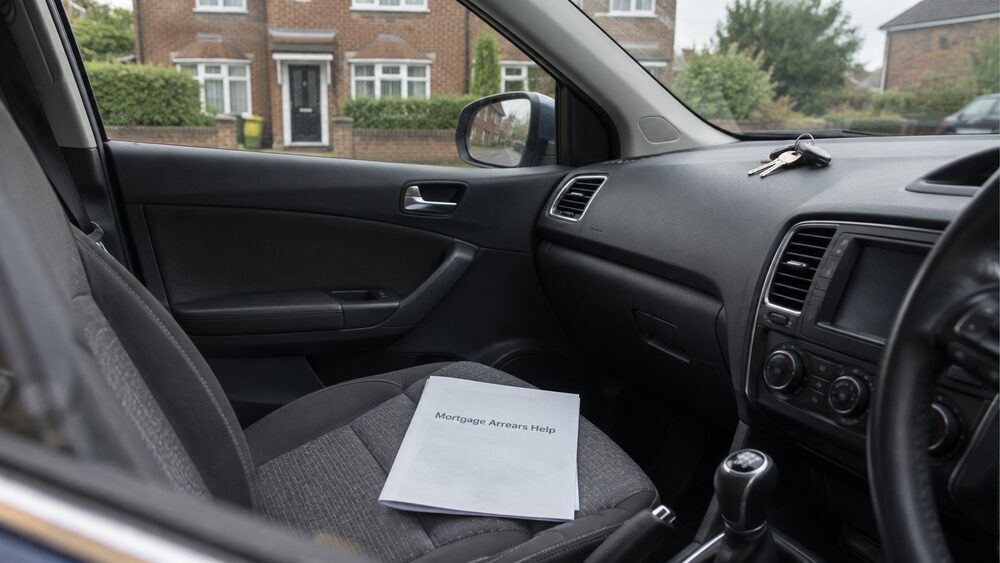



 StepChangeFree debt advice and solutions from a charity
 National DebtlineFree debt advice by phone, webchat and online
 MoneyHelperFree, impartial money and pensions guidance, set up by government
 Citizens AdviceFree advice on money, consumer and legal problems in England and Wales
 Citizens Advice ScotlandFree advice across Scotland