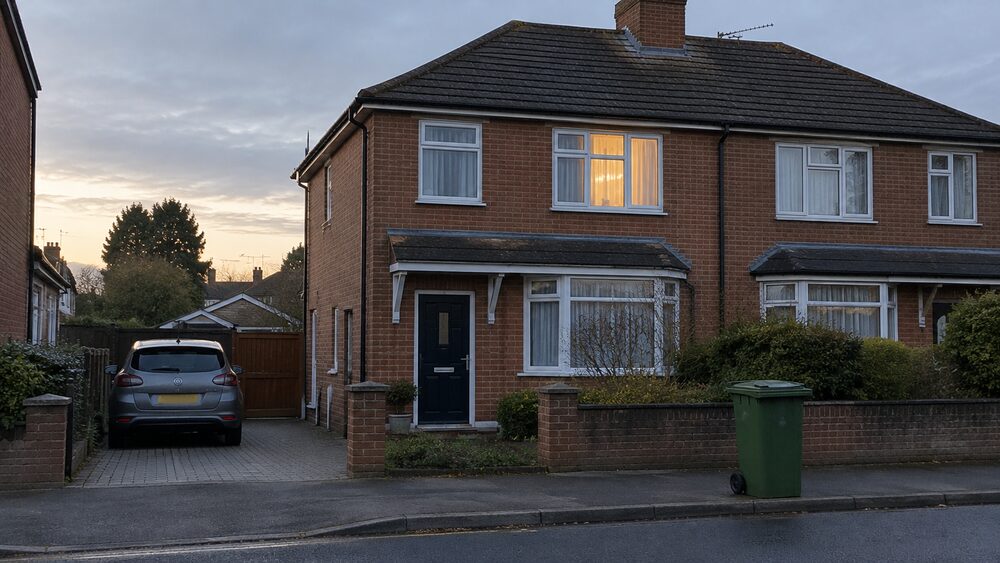
Capitalising arrears means your lender adds the payments you have missed to the total amount you owe on the mortgage, so the arrears stop being a separate debt and are repaid over the remaining life of the loan1. It is sometimes called capitalisation of arrears. It is not automatic and it is not a right: the lender decides whether to offer it, and it normally expects your finances to have recovered first3.
Capitalising arrears means your lender adds the payments you have missed to the total amount you owe on the mortgage, so the arrears stop being a separate debt and are repaid over the remaining life of the loan1. It is sometimes called capitalisation of arrears. It is not automatic and it is not a right: the lender decides whether to offer it, and it normally expects your finances to have recovered first3.
The trade-off is straightforward. Your monthly payment usually goes up, because the lender recalculates it to clear the original mortgage plus the added arrears over the time left on the loan4. Future interest is charged against the bigger balance, which can increase the overall cost of the mortgage5. What it buys you is breathing space: the arrears are no longer a lump sum you have to find on top of your normal payment.
If you are behind, the first step is to talk to your lender. Lenders will usually suggest a way to pay off the arrears gradually alongside your usual payments, and they will usually delay repossession action if you can show you are prioritising the mortgage and can pay the arrears off over time6.
Capitalising arrears adds what you owe to the mortgage balance
When a lender capitalises arrears, it takes the missed payments and folds them into the capital you originally borrowed8. Instead of two debts, a mortgage plus a separate arrears balance, you have one larger mortgage. The arrears are then spread across the time left on the loan rather than being cleared in a lump sum8.
Lenders describe the same mechanism in their own support material. One lender says it may consider capitalisation of arrears, adding the arrears to the total amount owed and paying it back over the remaining term of the mortgage9. Another sets out the effect on repayments: they are recalculated on the basis that you are paying off the mortgage amount plus the missed payments that have been added to it, which means the repayments increase4.
Whether a lender will consider it at all often turns on the loan to value. If your home is worth more than the mortgage you have, your lender might let you add your arrears to the total amount you owe1. Where the mortgage is close to or above the value of the property, there is less room for the lender to do this, and other options may be the only ones on the table.
It is worth being clear about what capitalisation is not. It does not write anything off, and it does not change the fact that the payments were missed. It changes the shape of the debt, from a shortfall to be cleared quickly into a longer, larger mortgage.
How capitalised arrears are repaid over the rest of the mortgage
Once the arrears are added to the balance, they are repaid through your normal monthly payment over the remaining term. The lender recalculates the payment so that the original borrowing plus the added arrears is cleared by the end of the mortgage4. The longer the term left to run, the smaller the increase in each payment, but the more interest is paid over time.
The size of the change depends on the numbers involved. As a rough illustration of how balance size drives monthly cost, a £100,000 repayment mortgage at 4.5% over 20 years would rise by £13.57 a month if the rate went up by 0.25 percentage points, and a £150,000 mortgage on the same terms would rise by £20.3710. Those figures are about a rate change, not arrears, but they show how a larger balance or a higher charge translates into a monthly figure.
If you have an offset mortgage, the picture is slightly different. Your capital repayments are still based on the full loan amount, even though the offset arrangement reduces the amount of interest you pay6. So capitalising arrears on an offset deal still increases the capital you are paying down.
Other ways to repay mortgage arrears
Capitalisation is one option among several. Lenders and advisers set out a range of ways to clear arrears, and which one fits depends on how much you owe, how much you can afford and how long is left on the mortgage11.
- Increasing your repayments. You pay a set extra amount each month on top of your normal payment until the arrears are cleared11.
- Delaying arrears payments. The arrears are put on hold for an agreed period, usually while your finances recover, and repaid later11.
- Extending the mortgage term. Stretching the loan over more years lowers the monthly payment, freeing up money for the arrears. This option applies to repayment mortgages11.
- Switching to interest-only for a period. Your monthly payment covers interest only, and the difference goes towards the arrears. Some lenders refuse this if the mortgage is already in arrears11.
- Remortgaging. Moving to a new deal can release equity or reduce your monthly payment, which can help you clear arrears12.
It may be possible to negotiate with your lender to reduce your monthly payments by extending the term of your mortgage or switching to a different repayment method13. Lenders will usually suggest a way to pay off the arrears gradually alongside your usual payments6.
When your lender may agree to capitalise arrears
The decision sits with the lender, and most lenders will usually expect you to meet your regular mortgage repayments for at least six months before they will agree to capitalise the arrears3. That condition matters: capitalisation is generally treated as a step for someone whose situation has stabilised, not as a first response to falling behind.
You can normally only add your arrears to the rest of your mortgage when your financial situation improves3. Where a lender is considering extending the term instead, the likelihood of agreement usually depends on how large your arrears are, your age and expected retirement date, whether you have a permanent job, and the remaining term on the mortgage3.
Some lenders will refuse to allow you to pay interest only if your mortgage is already in arrears, which removes one of the alternative routes3. That makes the conversation with the lender more important, not less.
"Your lender will usually delay repossession action if you can show you are prioritising your mortgage arrears and can pay them off over time"
If your case does reach court, contact the lender directly or through an advice worker or your solicitor before the court date to make a proposal to pay the mortgage instalments and pay off the arrears within a reasonable time, and let them know if you have put the house up for sale or plan to do so shortly14. If the arrears arose because of illness or a medical condition that may prevent you from working or making payments for a period, bring a letter from your GP, consultant or medical social worker explaining your condition14.
Does capitalising arrears clear the missed payments from my record?
No. Missed mortgage payments are recorded on your credit file, and capitalising the arrears does not remove that record15. The history of the missed payments stays on your file, and lenders looking at a future application will see it.
There is a related point about arrangements. Where a reduced payment or interest-only arrangement during illness leaves a shortfall, that shortfall becomes agreed arrears and can be recorded on the consumer's credit file16. So an arrangement that helps in the short term can still leave a mark.
On a joint mortgage, a missed mortgage payment will show up on both credit reports, regardless of whose fault it was17. If one person was responsible for the payment and the other was not, both files are affected.
Is my mortgage regulated by the FCA?
The Financial Conduct Authority regulates most mortgages taken out on or after 31 October 20046. Mortgages taken out before that date generally sit outside the FCA's mortgage rules, which affects how you complain and what protection applies. If you are not sure which side of that line your mortgage falls on, the lender or a free advice service can tell you.
Where the FCA rules apply, they shape what a lender can and cannot do when you fall behind, including how it must handle arrears and charges. The Financial Ombudsman Service can look at complaints about mortgage arrears charges, and it has published guidance for firms on how it approaches them16. If a complaint about how your lender handled your arrears is not resolved, the ombudsman is the next step.
Getting help if you are behind on your mortgage
Getting help and advice can stop mortgage arrears or rent arrears turning into a problem that threatens your home18. Free, impartial help is available, and using it does not damage your position with the lender.
- Debt advice charities offer free, confidential advice on arrears and the options open to you.
- Housing advice services can help with the court process and with negotiating with your lender.
- Free court representation may be available in mortgage debt and social rent arrears cases19.
- Your lender will suggest a way to pay off the arrears gradually alongside your usual payments6.
Tell your mortgage lender if you are getting help from a debt adviser20. If repossession action starts, contact your solicitor or a free advice agency14. If you are preparing for a court hearing, get your adviser's help to prepare a budget of your income and outgoings to work out whether you can afford to pay the mortgage instalment and arrears over a period of time14.
Where a lender has agreed a forbearance arrangement, that agreement allows you to repay any missed payments21. In Scotland, the picture can differ: you may need to be able to find a lump sum to pay off some of the arrears, for example 50%, and make an offer to repay the rest plus legal costs22.
Sources22 cited
- Problems paying your mortgage Independent Age, 2026-09-26
- What to do if you can't pay your mortgage Which?, 2025-12-10
- Arrears on a repayment mortgage Shelter Cymru, 2026-08-28
- Alternative repayment options: mortgages AIB (NI), 2026
- Missed payments: how we can help Cynergy Bank, 2026-09-26
- Mortgage arrears or payment difficulties nidirect, 2025-11-07
- How to pay off mortgage arrears Shelter England, 2026-08-20
- Sorting out mortgage problems Housing Rights, 2026
- Financial difficulties The Melton, 2025-11-20
- Bank of England base rate and your mortgage Which?, 2026-06-23
- Housing related debts Advice NI, 2026
- Remortgaging to pay off debt StepChange, 2026-09-25
- Can the court let me stay in my home? Shelter Cymru, 2026-07-30
- When your lender takes action against you nidirect, 2025-09-05
- Mortgage arrears StepChange, 2026-09-25
- Mortgage arrears charges Financial Ombudsman Service, 2026-09-26
- Mortgage types explained Which?, 2026-04-02
- Dealing with debt Shelter Cymru, 2026-07-29
- Taken to court by your mortgage lender Housing Rights, 2026
- Managing your mortgage and income Housing Rights, 2026
- Help to Buy: mortgage guarantee scheme nidirect, 2025-08-26
- Mortgage arrears in Scotland National Debtline, 2026-09-25











 Financial Ombudsman ServiceFree, independent help when a complaint about a firm is not put right
 FSCSProtects your money if a bank, insurer or investment firm fails
 FCA Warning ListCheck whether a firm is authorised before you deal with it
 MoneyHelperFree, impartial money and pensions guidance, set up by government
 Citizens AdviceFree advice on money, consumer and legal problems in England and Wales