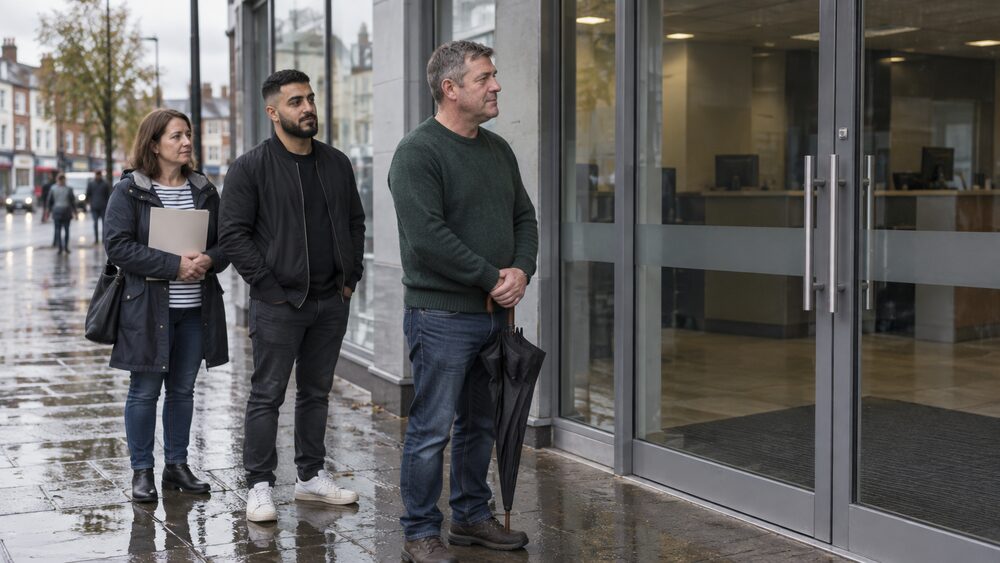
A basic bank account is a transactional account that lets you receive money, pay bills and take cash out, but without an overdraft or a cheque book. It is designed for people who cannot get a standard current account, or who do not want the borrowing that comes with one. The nine largest personal current account providers in the UK are required to offer them, and they must be free for standard operations when provided in sterling1.
A basic bank account is a transactional account that lets you receive money, pay bills and take cash out, but without an overdraft or a cheque book. It is designed for people who cannot get a standard current account, or who do not want the borrowing that comes with one. The nine largest personal current account providers in the UK are required to offer them, and they must be free for standard operations when provided in sterling1.
That means no monthly fee for running the account, and no charge if a payment fails because there is not enough money in it1. What a basic account will not give you is credit: there is no overdraft facility, so you cannot spend more than the balance in the account1.
If you have been turned down for a current account, or you are bankrupt or have a poor credit record, a basic bank account is usually the route back into banking. Banks can still refuse in certain circumstances, and they must tell you why unless they suspect fraud or money laundering4.
What a basic bank account offers, and what it leaves out
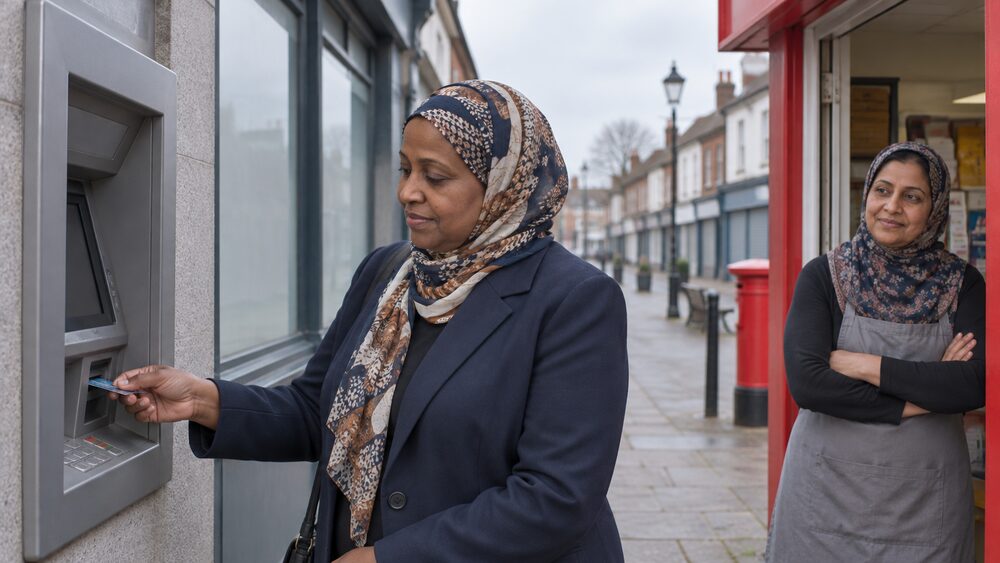
A basic bank account works like any other current account for day to day money: you can have your wages or benefits paid in, set up direct debits and standing orders, use a debit card, and withdraw cash at machines and over the counter in branches7. Most of the features people actually use are there.
What is missing is anything that involves borrowing or a guarantee of payment. There is no overdraft, and the account will not let you go overdrawn1. There is no cheque book4. Some basic accounts give you a cash card but do not let you set up direct debits at all, so it is worth checking before you apply8. Not all basic bank accounts can be accessed at the Post Office either9.
A small number of accounts offer a small buffer zone, which lets a payment go through when the balance is slightly short, but this is not the same as an overdraft and is not guaranteed10.
The trade-off is deliberate. Because the account cannot go into the red, it cannot build up the kind of debt that a standard current account can. For someone coming out of financial difficulty, that is often the point.
Basic bank accounts must be free for everyday sterling payments
The rules that govern basic bank accounts are the Payment Accounts Regulations 2015, which transpose the EU Payment Accounts Directive into UK law11. They require the nine largest personal current account providers to offer basic bank accounts that meet certain conditions1.
The first condition is cost. A basic bank account must be fee-free for standard operations when provided in sterling, and it must not have an overdraft facility1. In practice that means no monthly charge for holding the account and no charge for the everyday things you do with it. Independent guidance puts it simply: basic bank accounts are free to set up and use6.
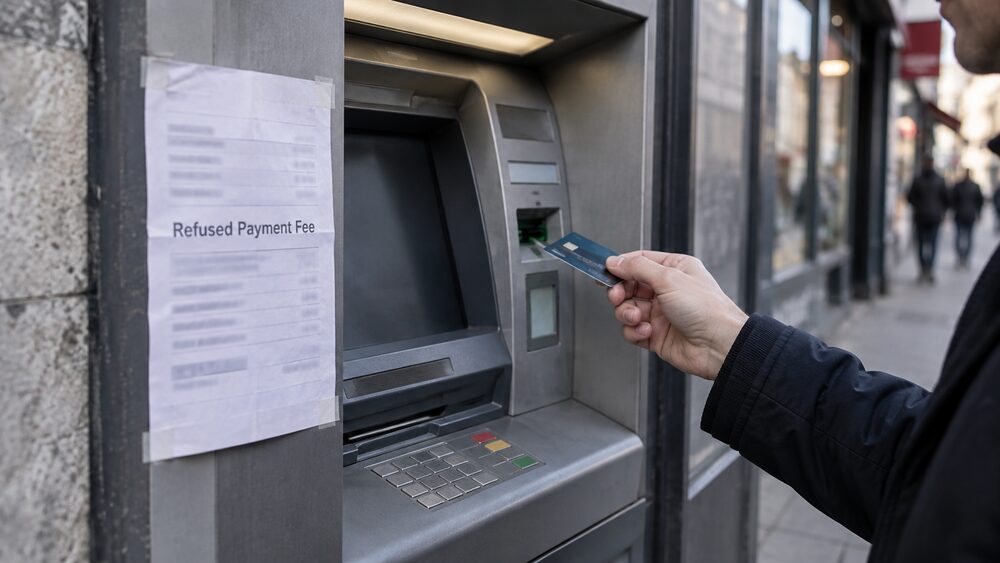
The second condition concerns failed payments. Where an authorised payment cannot be executed because there are insufficient funds, the credit institution must not charge the consumer any fee2. So if a direct debit bounces because the money was not there, the bank cannot add a charge for that.
This is a meaningful protection. On a standard current account, a failed direct debit or an unarranged overdraft can trigger charges. On a basic account, the rules remove that risk for authorised payments that fail for lack of funds2.
The requirement dates back to September 2016, when banks became legally required to provide access to fee-free basic banking12. The nine providers designated under the regulations are Barclays, Santander, Royal Bank of Scotland (including NatWest), HSBC, Nationwide, Co-operative Bank, Lloyds (including Halifax and Bank of Scotland), TSB, and Virgin Money (including Clydesdale and Yorkshire Bank)5.
When a bank can refuse you a basic bank account
A bank or building society can refuse to open an account, and it does not always have to give a reason13. But basic bank accounts come with more protection than standard current accounts, and the rules restrict the grounds on which one can be refused or closed14.
The refusal grounds set out in official guidance are: not agreeing to a credit check, failing the ID check, suspected unlawful or fraudulent use, or being threatening, abusive or violent towards staff4.
Under the Payment Accounts Regulations, where an application is refused the participating institution must, without delay, inform the customer in writing and free of charge of the reason for the refusal, if it may lawfully do so1. It must also refuse to open a basic bank account where it would be unlawful for it to do so1.
Bankruptcy is a common concern. Banks will normally stop you having an account if you are an undischarged bankrupt3. But if the bank decides you are not eligible for a current account because you are an undischarged bankrupt, it should offer you its basic account instead15. The main banks should allow you to open a basic bank account providing you did not owe them a debt included in your bankruptcy16. HSBC and Nationwide are named as banks that must let undischarged bankrupts open a basic account17.
A fraud marker is a separate matter. The Financial Ombudsman Service says customers may find they cannot open a bank account, their bank account is closed and they cannot open another one, or their mortgage application is rejected18.
Do basic bank accounts come with an overdraft?
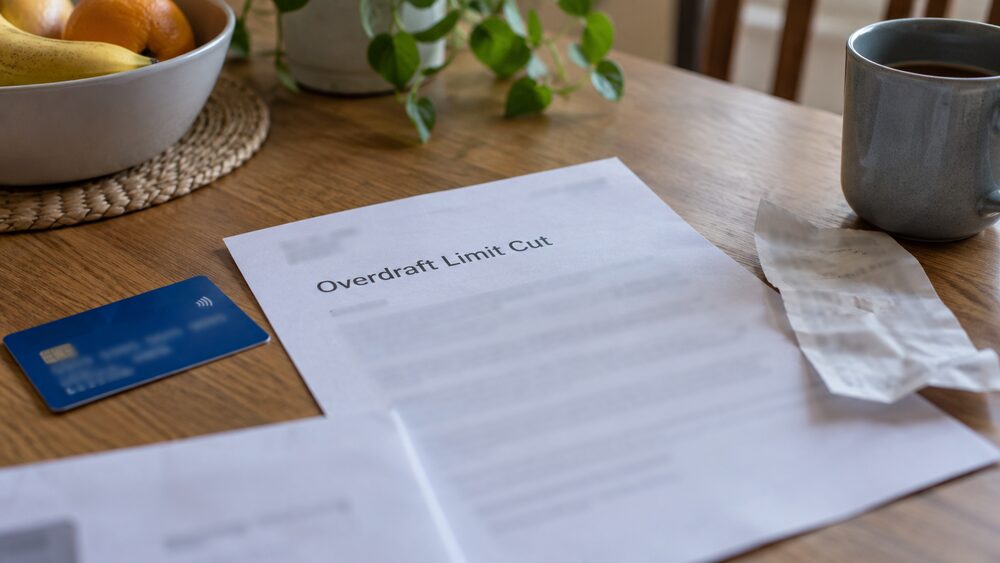
No. Basic bank accounts do not accommodate overdrafts19. They do not let you be overdrawn20, and they have no overdraft facility21. This is not a matter of the bank's choice: the regulations require that a basic bank account must not have an overdraft facility1.
That has practical consequences. If a bill is due and there is not enough in the account, the payment will not go through. You will not be charged a fee for that failed authorised payment2, but the payment itself will not be made, and the organisation you were paying may charge you separately.
Some people use this as a budgeting tool. Opening a basic bank account for spending means the account will not let you go overdrawn, which can help keep spending within what is there22. Others find it frustrating when a payment they expected to clear does not.
If you need to borrow, a basic bank account is not the product for it. You would need to look at a standard current account with an arranged overdraft, or another form of credit, and those come with their own costs and eligibility checks.
Can I get a basic bank account if I already have a current account elsewhere?
Yes. The eligibility rules are wider than many people assume. The nine largest banks and building societies have agreed to offer basic bank accounts with no monthly fees to people who have no bank account, people who have a bank account elsewhere but want to change provider, and people who have a bank account but are in financial difficulty and want their bank to open a new, functional account for them23.
So having an account elsewhere does not rule you out. Nor does a poor credit history. Basic bank accounts usually accept those with a poor credit history, convictions or in prison, and offer most current account features except an overdraft24. If you have a bad credit rating and have been refused bank accounts, you could ask to open a basic bank account or see whether you can open an account with a credit union25.
There is one important limit: basic bank accounts are not available to businesses14. Some banks provide a basic bank account for business banking if you do not qualify for their business current account, but not all banks offer it and some may charge fees15.
What checks will a bank do before opening a basic bank account?
You do not have to pass a credit check to be offered a basic bank account, but banks use credit checks to check your identity4. That is the key distinction: the check is about confirming who you are, not about whether you can borrow.
Banks will also carry out an ID check, and a refusal can follow if you do not agree to a credit check or if you fail the ID check4. For a standard current account, by contrast, banks often check your credit rating when you open the account and can refuse an application based on credit history26.
How you apply varies. You will often need to apply for one of the bank's other accounts first, such as their standard current account, and you can usually apply online, by phone or in a branch4. Some basic accounts work differently: applications for the Lloyds Banking Group Basic Account can be made in branch or over the phone, not online, and the account is typically offered after you have been declined for another current account27.
If you are turned down: getting a reason and what to do next
If you cannot open a basic bank account, the bank should tell you why you have been turned down28. Under the regulations, where an application is refused the participating institution must, without delay, inform the customer in writing and free of charge of the reason for the refusal, if it may lawfully do so1.
The qualification matters. A bank does not have to give a reason if it suspects you of fraud or money laundering4. If that is the case, the refusal will usually come without an explanation, and the route to challenging it is different.
If you are bankrupt, there is a specific protection. The main banks should allow you to open a basic bank account providing you did not owe them a debt included in your bankruptcy16.
If you believe a bank has treated you unfairly, the Financial Ombudsman Service can look at complaints about banking. The ombudsman is free to use and its decisions are binding on the firm.
Sources29 cited
- Basic bank accounts: July 2023 to June 2024 GOV.UK, 2025-11-05
- The Payment Accounts Regulations 2015 legislation.gov.uk, 2015-12-15
- Basic bank account StepChange, 2026-09-25
- Basic bank accounts MoneyHelper, 2026-09-25
- Access to banking services and cash House of Commons Library, 2026-09-26
- Making the most of your bank account Independent Age, 2026-09-26
- Fair and affordable finance Responsible Finance, 2026-09-26
- Basic bank accounts with no credit check Shelter, 2025-03-27
- Getting a bank account Citizens Advice Scotland, 2026-09-26
- Individual Voluntary Arrangements Advice NI, 2026
- CP16/1: Consultation on the application of the Payment Accounts Regulations Payment Systems Regulator, 2026-09-26
- Financial inclusion progress report and forward look 2018 Welsh Government, 2018-12
- Getting a bank account Citizens Advice, 2026-09-25
- Research briefing CBP-8574 House of Commons Library, 2026-09-26
- Safe bank accounts Business Debtline, 2026-09-26
- Basic bank accounts Advice NI, 2026-09-26
- Safe bank accounts National Debtline, 2026-09-25
- Fraud markers Financial Ombudsman Service, 2026-09-26
- Overdrafts: things to consider StepChange, 2026-09-25
- Glossary StepChange, 2026-09-25
- How to save for an emergency StepChange, 2026-09-25
- Save money on your social life StepChange, 2026-09-25
- How to open a bank account online Which?, 2026-04-23
- How to choose the right bank account MoneyHelper, 2026-09-25
- Getting ready to claim Turn2us, 2026-02-25
- Timeline for bankruptcy Citizens Advice, 2020-12-15
- Banks join scheme to help homeless people open bank accounts Which?, 2025-11-14
- Basic bank accounts Advice NI, 2026
- Basic bank accounts Advice NI, 2026
 Financial Ombudsman ServiceFree, independent help when a complaint about a firm is not put right
 FSCSProtects your money if a bank, insurer or investment firm fails
 FCA Warning ListCheck whether a firm is authorised before you deal with it
 MoneyHelperFree, impartial money and pensions guidance, set up by government
 Citizens AdviceFree advice on money, consumer and legal problems in England and Wales