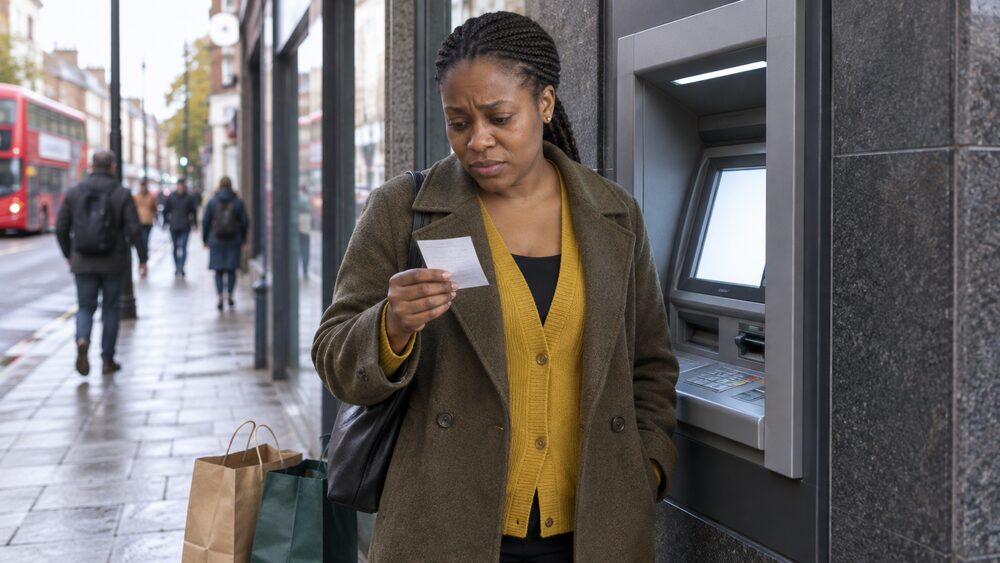
If your bank charged you for going into an unarranged overdraft, you can complain and ask for the money back. The first step is always the bank itself. It has eight weeks to give you a final answer1. If you are not satisfied with what it says, or it does not reply in time, you can take the complaint to the Financial Ombudsman Service, which is free to use2.
If your bank charged you for going into an unarranged overdraft, you can complain and ask for the money back. The first step is always the bank itself. It has eight weeks to give you a final answer1. If you are not satisfied with what it says, or it does not reply in time, you can take the complaint to the Financial Ombudsman Service, which is free to use2.
Unarranged overdraft charges can include a penalty charge, a high rate of interest, charges for reminder letters and for direct debits or cheques put through the account1. The ombudsman can order a bank to refund charges and interest it applied, and to pay compensation for distress or inconvenience3. It can also ask the bank to correct your credit file4.
You do not need a claims management company. The ombudsman service is free, and you can bring the complaint yourself5. This page explains how the process works, what the ombudsman can award, how interest and tax on a refund are handled, and what happens if you disagree with the final decision.
Complain to your bank first: it has eight weeks to reply
Every complaint about an overdraft starts with the bank. The bank has at least eight weeks to try to resolve your complaint1. It should then send a final decision letter telling you how to contact the Financial Ombudsman Service1. This eight-week deadline applies to complaints about anything other than payments9. For complaints about payments, different deadlines apply.
When you complain, be clear about what you are asking for. You might ask the bank to reduce or waive interest, offer a continuation of overdraft borrowing at the current rate of interest, or agree on a repayment programme possibly including a personal loan2. These are options the bank might offer, not things it must do. The bank might also agree to reduce or remove the overdraft, or to switch you to a basic bank account with no overdraft10.
If you are struggling with overdraft debt, it helps to know that overdrafts are repayable on demand. This means a bank can ask you to pay the whole amount back in one go if it chooses to11. That is why getting a complaint in early, and keeping the bank informed, matters.
Taking your complaint to the Financial Ombudsman Service
If you do not receive a final letter within eight weeks and you do not want to give the bank more time, you can contact the Financial Ombudsman Service for a complaints form1. You can also go to the ombudsman if you are unhappy with the bank's final response12.
The ombudsman will ask for information to assess your complaint. For overdraft complaints, this can include current account statements for all accounts before the application to present, and dates any reviews were, or at least should have been, carried out13. Having these ready can speed things up.
The ombudsman's complaint form can be filled in online. The ombudsman has published guidelines on using AI before starting the form14. The guidance says to avoid entering personal information that would not want to be shared, such as health or banking information. AI is for helping to organise information or put it clearly, and the resulting text needs checking carefully15.
You do not need a claims company: the ombudsman is free
An ombudsman is a person who investigates complaints about organisations for free16. You usually have the right to refer your complaint to the relevant ombudsman service for free17. Bringing a complaint to the Financial Ombudsman Service is straightforward and will not cost you anything18.
Claims management companies charge for helping with complaints. The Claims Management Ombudsman, which handles disputes with claims managers, is independent and free to use19. Making a complaint to it is easy and free19. If a claims company approaches you about overdraft charges, you can check its status and complain about it if something goes wrong.
There is no need to pay anyone to do what you can do yourself. The ombudsman's service is designed for consumers to use directly.
How the ombudsman decides and what it can award
The ombudsman looks at what happened and what the rules say. For complaints about unaffordable lending, it can order the lender to refund any interest and charges you paid, with interest, and remove any adverse information recorded on your credit file20. Where a loan was repaid, it can order a refund of any interest and charges you paid, with interest, and removal of adverse credit file information18.
For banking complaints more broadly, the ombudsman may ask the bank to refund any payments you did not authorise, refund charges and interest the bank has applied, compensate you for any money you lost, and pay compensation for distress or inconvenience3. It can also ask the bank to correct a credit file, refund extra costs, and pay compensation for distress or inconvenience4.
The ombudsman considers the circumstances. Where the complainant is experiencing or has recently experienced financial difficulties, it checks whether the lender carefully considered whether the borrower could afford the interest rate21. In some cases, where the consumer shows arrears on other debts that are more serious, or that other debts arose because they were paying the PPI, the ombudsman may decide a business should pay all compensation to the consumer22.
If a complaint is upheld, the award aims to put you back in your original financial position23. The ombudsman will usually ask the business to pay the claim in full where it finds the business's answer was not reasonable, and may also consider interest and/or compensation for distress and inconvenience24.
Compensation, interest and tax on a refund
When the ombudsman orders a refund, it normally includes interest on the amounts that were wrongly charged. For payday loan refunds, for example, this could include interest added to the loan amount, charges added if you could not repay on time, and an extra 8% interest if you take your complaint to the Financial Ombudsman Service25. The same principle applies to overdraft charges: the refund aims to put you back where you would have been.
Interest on overpayments is paid at the same rate as it is charged to your account and is tax free in some circumstances6. This applies to overpayments after a loan is repaid. For ombudsman awards, the position on tax is different. If the ombudsman says a business needs to pay you interest on an award, they should deduct income tax from it at the basic rate before paying you, and give you a tax deduction certificate7.
So the refund of the charges themselves is not taxed. The interest element of an ombudsman award has basic rate tax deducted at source. If you are a higher or additional rate taxpayer, you may need to account for the difference through self assessment. If you are a basic rate taxpayer, the deduction should settle your liability on that interest.
Where a final decision leaves you
The ombudsman's decision is final if you accept it. If you do not accept it, you can still go to court8. But there is a trade-off. If you take the matter to court before complaining to the ombudsman, you will not be able to complain to the ombudsman at a later date26. So the order matters: ombudsman first, court only if you reject the decision.
If you accept the decision, the bank must comply. If you do not accept it, the bank is not bound by it, and you would need to pursue the matter through the courts if you want to take it further.
There is no appeal against an ombudsman's decision. The ombudsman will explain the reasons, and you can ask for a review by a different ombudsman before the decision is finalised. But once the decision is issued and you accept it, that is the end of the ombudsman route.
If you are left with an overdraft you cannot repay, there are practical steps. You can ask the bank to reduce or remove the overdraft, or switch to a basic bank account with no overdraft10. Some providers will even let you switch if you have a large overdraft debt outstanding, but there may be a charge to do this27. If you are using your overdraft, you will have to pay it back before you can close your account, and you will lose access to statements, so make sure you have copies if you need them28.
If you have an existing overdraft and want to close the account, you will need to pay that back first, including any outstanding fees or charges29. An arranged overdraft can be withdrawn and full repayment asked for if it is not paid back30.
For free, impartial help, you can contact MoneyHelper or a debt advice charity. They can help you work out your options and deal with the bank.
Sources30 cited
- Overdrafts and other bank debts nidirect, 2025-11-07
- Overdrafts explained MoneyHelper, 2026-09-25
- Regular payments Financial Ombudsman Service, 2026-09-26
- IT problems at banks Financial Ombudsman Service, 2026-09-25
- Complaining about your lender Business Debtline, 2026-09-26
- Repaying student loans more quickly and getting refunds nidirect, 2026-06-04
- Compensation Financial Ombudsman Service, 2026-04-01
- ADR Financial Ombudsman Service, 2026-09-27
- Current account MoneyHelper, 2026-09-25
- How can I stop living in my overdraft? StepChange, 2026-09-25
- Debt consolidation National Debtline, 2026-09-25
- Logbook loans Financial Ombudsman Service, 2026-09-26
- Unaffordable lending Financial Ombudsman Service, 2026-09-26
- Wedding insurance Financial Ombudsman Service, 2026-09-27
- How to complain Financial Ombudsman Service, 2026-09-25
- Consumer protection rights GOV.UK, 2026-09-25
- Claims management companies National Debtline, 2026-09-25
- Unaffordable lending Financial Ombudsman Service, 2026-09-26
- Claims Management Ombudsman Claims Management Ombudsman, 2026-09-25
- Home credit Financial Ombudsman Service, 2026-09-26
- Interest rates applied to mortgages Financial Ombudsman Service, 2026-09-26
- Ombudsman approach to redress for PPI policy mis-sold Financial Ombudsman Service, 2026-09-27
- How to complain about your insurance company Which?, 2025-09-10
- Underinsurance in home insurance complaints Financial Ombudsman Service, 2026-09-26
- Payday loans Business Debtline, 2026-09-26
- Complaints about banks and building societies Citizens Advice, 2026-09-25
- Graduate overdrafts StepChange, 2026-09-25
- How to open, switch or close your bank account MoneyHelper, 2026-09-25
- FlexGraduate maturity Nationwide, 2026
- What is an overdraft? Lloyds Bank, 2026-09-27

 Financial Ombudsman ServiceFree, independent help when a complaint about a firm is not put right
 FSCSProtects your money if a bank, insurer or investment firm fails
 FCA Warning ListCheck whether a firm is authorised before you deal with it
 MoneyHelperFree, impartial money and pensions guidance, set up by government
 Citizens AdviceFree advice on money, consumer and legal problems in England and Wales