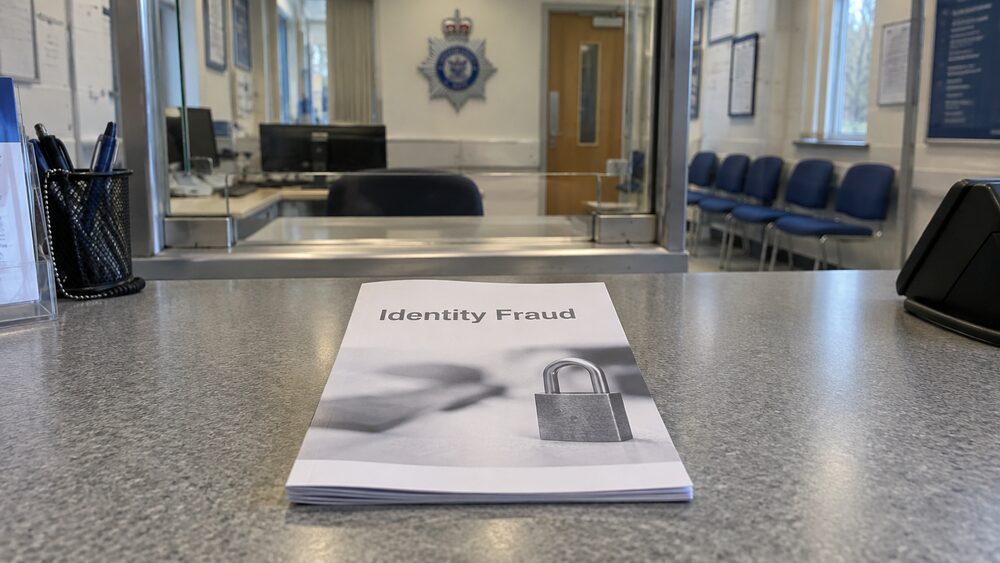
If a fraudster takes out a loan in your name, you are not usually liable for the money. Identity theft is where a fraudster uses your identity to get goods or services, such as a loan in your name, then withdraws the money from that loan and leaves you to pay it back1. The debt is not yours, and the law and the ombudsman treat it that way.
If a fraudster takes out a loan in your name, you are not usually liable for the money. Identity theft is where a fraudster uses your identity to get goods or services, such as a loan in your name, then withdraws the money from that loan and leaves you to pay it back1. The debt is not yours, and the law and the ombudsman treat it that way.
What matters is speed. Tell the lender and your bank straight away, report the fraud to Report Fraud or, in Scotland, to Police Scotland on 101, and keep a record of everything. The longer a fraudulent account sits unchallenged, the more letters and demands arrive, and the harder it is to unpick.
This page explains how a fraudster gets credit in your name, what to do first, how to report it, what happens after you report, and the scams that most often end with a loan in someone else's name.
How a fraudster takes out credit in your name
Identity theft is where a fraudster uses your identity to get goods or services, such a loan in your name. They then withdraw money from that loan leaving you to pay it back1. The same stolen details let them take out credit in your name, such as a loan or credit card, take money from your bank account, apply for benefits in your name, buy goods in your name, or obtain documents such as a driving licence or passport in your name2.
Fraudsters can use your identity details to open a bank account, obtain credit cards, loans and state benefits, order goods in your name, take over your existing accounts, take out a mobile phone contract, or obtain genuine documents such as passports and driving licences in your name3. Using just a few of your personal details, criminals can apply for bank accounts, credit cards, benefits and official documents in your name4.
Not every case involves a stranger. Coerced debt is where a partner or family member takes out credit in your name, such as a mortgage, loan or credit card, makes you buy something on credit you did not want, puts bills in your name, does so without consent, without telling you, or after you asked them not to, or threatens you to do things5. That is still fraud, and it is still reportable.
The first practical check is your credit file. Request a copy of your credit file to check for any suspicious credit applications6. A search you do not recognise, or an account you never opened, is the clearest early sign.
Tell the lender and your bank straight away
Speak to your bank or building society straight away if you think your credit or debit card, online bank account or cheque book have been stolen or hacked4. If you have lost money or spotted an unauthorised transaction on your account, contact your bank immediately using the phone number on the back of your card5. If you think you have paid for a fake ticket or shared your financial information with a criminal, contact your bank immediately7.
If you receive a letter or email about a loan or card that you did not apply for, call your bank immediately8. Do the same with the lender named in the letter: tell them the application was not yours, ask them to freeze the account and investigate, and ask for confirmation in writing. Keep copies of every letter, email and call note.
There is a limit to what a bank can do about a loan that was never on its books. The lender that approved the fraudulent application is the one that has to unwind it, and it is the lender that would pursue the debt. That is why both need telling, and why the written trail matters.
If the debt has already been passed to a debt collector, or you are getting letters in your name from solicitors or debt collectors for debts that are not yours, that is a recognised warning sign of identity theft9. You can ask your bank to pay particular bills out of your account from money you have paid in, using a standard letter, if you need to keep essential payments running while the fraud is sorted out10.
Reporting the fraud: Report Fraud or Police Scotland on 101
Report Fraud is the police national fraud reporting centre12. You can tell Report Fraud at reportfraud.police.uk or by calling 0300 123 20403. In Scotland, call 1013. The service handles complaints about fraud and scams13.
The split is territorial. You can contact Report Fraud about fraud in England, Wales or Northern Ireland. If you live in Scotland or the fraud happened there, contact Police Scotland on 1014. If you think you have been the victim of a fraud in Scotland, contact Police Scotland by calling 10114. If you are in Scotland, report fraud to Police Scotland on 10115.
| Where you are | Who to report to | How |
|---|---|---|
| England, Wales, Northern Ireland | Report Fraud | reportfraud.police.uk or 0300 123 20403 |
| Scotland | Police Scotland | 1014 |
| Scotland, scam advice | Advice Direct Scotland | 0808 164 600010 |
If you lose any money to a scam, call your bank immediately using the number on the back of your bank card and report it16.
Some frauds go elsewhere. Benefit fraud, excluding Child Benefit and tax credit fraud, is reported separately, and other types of fraud such as identity theft are reported to Report Fraud17. HMRC tax fraud has its own reporting service17.
What happens after you report: reference number and police referral
Report the theft of personal documents and suspicious credit applications to the police and ask for a crime reference number9. That number is what lenders, banks and insurers ask for when you challenge a fraudulent account, so ask for it explicitly.
There is an important exception. If you report identity fraud, Report Fraud will create an information report instead. They will still assess your report, but they will not provide you with a crime reference number14. That is why the police route matters as well: a crime reference number comes from the police, not from the fraud reporting centre.
The Financial Ombudsman Service covers complaints about the way a financial business has dealt with a scam involving unauthorised payments, stolen details or identity theft1. If a lender insists you owe money on a loan you never took out, and its own complaints process does not resolve it, that is the route. The ombudsman can look at how the firm handled it, and in guarantor cases it has said that where a guarantor should not have been accepted, the guarantor should usually be released from the guarantee, with any payments already made refunded with interest and information added to the credit file removed18.
Keep records of all contact and correspondence between you and the scammer1. The immediate steps the ombudsman sets out are to contact your bank or payment services provider immediately, contact the police on 101, report the scam to Report Fraud, and keep those records1.
Scams that lead to loans in your name
Most loans taken out in someone else's name start with a scam that harvested their details. Online scams work by contacting you and gaining your trust, then convincing you to make a payment or provide access to your accounts, setting up accounts or taking out loans in your name, or accessing your accounts directly to steal money19.
Loan fee fraud is the most direct. Loan scams are where fraudsters offer you a loan that does not exist. They approve your application, often very quickly, and then ask for an up-front fee14. Scammers often describe this fee as a deposit, insurance or admin fee and may claim it is 100% refundable20. UK Finance has reported people being offered loans for an upfront fee by an individual posing as a representative of UK Finance21.
Romance fraud works more slowly. Requests can be anything from an emergency situation, funds for travel to come and see you, or asking you to take out a loan for them in your name22. Impersonation scams use a trusted name: your bank, the police, HMRC, or even a friend or family member23.
| Scam | What the fraudster wants | Warning sign |
|---|---|---|
| Loan fee fraud | An up-front fee for a loan that does not exist14 | A fee called a deposit, insurance or admin fee, claimed to be refundable20 |
| Romance fraud | A loan taken out in your name, or money sent22 | A request for funds after an emergency or to travel22 |
| Impersonation | Access to your accounts or a payment23 | Contact claiming to be your bank, the police, HMRC or family23 |
| Online scams | Your details, then loans in your name19 | Pressure to pay or share account access19 |
Can I get alerts about known scams?
Report Fraud Alert is free and sends you alerts about fraud and scams that may affect you6. Set up bank alerts in your app so you know when your card has been used24. Both give you an early signal, which is what matters most when a fraudulent application is in progress.
If you got a loan when you lacked capacity, get advice as soon as possible and act quickly while there is still evidence of what happened25. If you lose your payment card or it is stolen, call the Payment Exception helpline so it can be blocked and a new one sent out26.
Free, impartial help is available. National Debtline and Business Debtline publish guides on dealing with fraud1. StepChange covers coerced debt and joint debts5. MoneyHelper explains the types of scam20. If a partner or ex-partner took out a debt in your name without telling you, report it to the police27.
Sources27 cited
- Dealing with fraud National Debtline
- Scams involving unauthorised payments and identity theft Financial Ombudsman Service
- What is identity theft Which?
- Protect your identity nidirect
- Coerced debt StepChange
- Identity theft Information Commissioner's Office
- Ticket scams Take Five
- Identity theft Take Five
- Identity theft Information Commissioner's Office
- Ask your bank to pay particular bills National Debtline
- Attachment of earnings StepChange
- Scam calls: the latest in circulation and how to stop them Which?
- Fraud and economic crime National Crime Agency
- Dealing with fraud Business Debtline
- Other problems Isle of Anglesey County Council
- 3 phone scams to watch out for right now Which?
- Report tax fraud GOV.UK
- Guarantor loans Financial Ombudsman Service
- Online scams Take Five
- Types of scam MoneyHelper
- Fraud and scams UK Finance
- Romance fraud Take Five
- Impersonation fraud Take Five
- Digital wallet fraud Take Five
- What if you're a victim Financial Services Compensation Scheme
- If you've fallen victim to a scam Payment Systems Regulator
- Dealing with joint debts StepChange









 MoneyHelperFree, impartial money and pensions guidance, set up by government
 StepChangeFree debt advice and solutions from a charity
 National DebtlineFree debt advice by phone, webchat and online
 Financial Ombudsman ServiceFree, independent help when a complaint about a firm is not put right
 Citizens AdviceFree advice on money, consumer and legal problems in England and Wales