A payday loan is a short-term, high interest, unsecured loan, usually for a few hundred pounds, that is meant to be repaid when you next receive wages or benefits, normally within 30 days1. It is one form of high-cost short-term credit (HCSTC), a category the Financial Conduct Authority (FCA) defines and caps: since 2 January 2015, interest and fees on these loans cannot exceed 0.8% a day of the amount borrowed, a default fee is capped at £15, and you can never be asked to repay more than twice what you borrowed2.
The cap changed the market. Before it, firms reported that the average cost of borrowing £100 was around £25, but ranged from £14 to £515. Even under the cap, payday loans remain one of the most expensive ways to borrow, with interest rates usually very high and the debt able to grow quickly if it cannot be repaid on time1. This page explains what counts as HCSTC, how the cap works in practice, how lenders collect repayments, what happens if you cannot pay, and where to get free help instead of borrowing more.
What high-cost short-term credit is and how a payday loan works
High-cost short-term credit is the FCA's regulatory category for small, expensive, short-duration loans, of which the payday loan is the most familiar type. A payday loan is a cash loan normally paid into your bank account, called a payday loan because it is designed to be repaid on or around your next payday8. The loan amount is usually small, perhaps only a few hundred pounds, and it must be repaid by the time you receive your next regular pay cheque, usually within 30 days of the loan being made1. Common practice now is for payday loans to be available for longer repayment periods, up to three months, repayable in instalments9.
High-cost credit more broadly covers a wide range of products, including bank overdrafts, loans, buy-now-pay-later and rent-to-own schemes10. Same day loans, a closely related product, are short-term loans paid into your bank account the same day you apply11. What marks out HCSTC from other borrowing is the combination of high cost and short term, which is why the FCA applies a specific price cap to it that does not apply to ordinary personal loans.
The mechanics are simple, and that is part of the appeal. You apply, often online, the money arrives quickly, and repayment is taken from your bank account automatically. Your lender should check you can afford the payments when you take out the loan6. The risk is structural: because the loan is designed to be repaid in one lump sum from a single pay cheque, a borrower whose budget is already tight can find the repayment itself leaves them short, and the regular use of high-cost credit to meet essential costs can severely damage the already tight budgets of families who are struggling to manage, leaving them vulnerable to falling into problem debt12.
The price cap: 0.8% a day and never more than double what you borrowed
The FCA's price cap, in force since 2 January 2015, has three parts, and each protects a different point in the life of a loan2.
The first is the initial cost cap: interest and fees combined must not exceed 0.8% of the amount of credit provided, calculated per day3. In other words, you pay at most 80p a day for every £100 borrowed. StepChange gives a worked example: if you borrowed £300 for 30 days, your loan would cost £2.40 every day, which is £72.00 in total13. The same cap applies even when a loan is rolled over, so extending the loan does not open the door to a higher daily rate2.
The second is the total cost cap: you will never have to pay more than twice the amount you borrowed, because there is a total cost cap of 100% on payday loans1. A £300 loan can never generate more than £300 in interest and fees, no matter how long the arrears run. Interest rates on unpaid balances and default charges must not go over the interest rates of the initial amount borrowed, so the cost of falling behind is capped at the same daily rate as the cost of the loan itself2.
The third part, the default fee cap, is covered in the next section.
The cap applies to the whole HCSTC category, not just to loans branded as payday loans. The FCA's Consumer Credit sourcebook sets out the rules, and its scope excludes some neighbouring products: for example, the rules do not apply to an agreement enabling you to overdraw on a current account, which is an authorised overdraft rather than HCSTC14. Overdrafts have their own cost rules, and MoneyHelper notes overdrafts should only be used for emergencies or as a short-term option15. Credit unions face their own limit: they may not charge interest on loans exceeding 1% a month, inclusive of administrative costs16. The dedicated page on the payday lending cost cap covers the rules in more detail.
Late payment: a £15 default fee cap and what else can be added
If you do not pay the loan back on time, the first thing that can be added is a default fee, and default fees are capped at £15.001. Default charges must not exceed £152. Most payday lenders will charge a late or missed payment fee when a payment is not made by the agreed time and date13.
After the default fee, interest can continue to run, but it stays capped. Some lenders will charge interest on the original loan amount plus the late payment fee, but this is capped at 0.8% per day13. The FCA's rules state that charges on credit provided but not repaid in breach of the agreement, other than default charges, must not exceed 0.8% of the unpaid breached amount calculated per day, from the date of the breach until the amount has been repaid3.
Costs can also arrive from your own bank. Banks will charge a fee to cover payments where there is not enough money in your account, and if a payment takes you over your agreed overdraft limit you may pay a further fee, with some banks applying a charge every day you are over your limit13. So a single missed payday loan repayment can trigger three separate costs: the lender's default fee of up to £15, continued interest at up to 0.8% a day, and bank charges for the failed payment or the overdraft it creates.
The backstop is the total cost cap. Even with the default fee and continued interest, the amount you pay cannot be more than double your original loan13. That limit is the reason a payday loan debt, however unpleasant, cannot grow without end.
Rollovers are limited to two
A rollover, also called an extension or deferral, happens when the lender agrees to push the repayment date back instead of taking the money. The lender will do this if you pay any interest due so far, and in the next loan period you may be charged interest on the original loan amount as well as a rollover fee13.
The FCA rules limit this: a payday loan must not be extended, or rolled over, more than twice1. Creditors can only roll over the debt twice9. The limit exists because rollovers were historically the mechanism by which small debts became large ones: if you cannot repay the full amount in time, your loan rolls over, your debt escalates and you could get into financial difficulty17.
Two related limits bite at the same time. Payday lenders can only make two attempts to take money from your bank account, unless you agree a rollover6. And a continuous payment authority must not be used more than twice to recover money from your account1. The FCA's Consumer Credit sourcebook also states that, where a customer is in financial difficulties, a firm must not request payment on a continuous payment authority more than twice on the same agreement once it has already been refused18. The page on how many times a payday loan can be rolled over covers the detail.
Before agreeing to any refinance of high-cost short-term credit, the firm must give or send you an information sheet, and where reasonably practicable bring it to your attention before the refinance, in the modified form of the arrears information sheet referred to in section 86A of the Consumer Credit Act19. In practice, that means a lender cannot quietly roll you over: the rules require the cost and consequence to be put in front of you first.
Continuous payment authority: how lenders take repayments
When you take out a payday loan, the lender will set up the repayment as a direct debit or a continuous payment authority (CPA) on your bank account, or ask you to post-date a cheque which they cash on the date the repayment is due1. A CPA is a type of recurring payment that lenders can set up on a customer's card account, with permission to take payments when they are due20. You set it up by giving the lender your credit or debit card details, and it is usually set up when the loan is approved6.
A CPA is not the same as a direct debit, and the difference matters. Payments made by CPA are not covered by the Direct Debit guarantee, but the law offers you similar protections22. A CPA can also be hard to cancel, and the lender can change the amount and the payment date6. CPAs are common well beyond payday lending: they are a popular method of payment for magazine subscriptions, gym memberships and some debt collection agencies22. The Financial Ombudsman Service notes the same arrangement may be known as a continuous payment authority, a recurring transaction or a regular card payment23.
The protections are real but specific. A CPA must not be used more than twice to recover money from your account1. Where you are in financial difficulties, the firm must not request payment more than twice on the same agreement once it has already been refused18. If money is taken after you have withdrawn consent, your bank should give you a refund, and this will include any interest or charges added to your account as the payment was taken2.
How to cancel a continuous payment authority
You have two routes to stop a CPA, and you can use either. You can contact the company taking the payment, or you can cancel directly with your card issuer, and once you have done this it must stop payments immediately24. The Financial Ombudsman Service confirms that to cancel a recurring payment you need to contact either the business or your card provider23. Cancelling with the card issuer is the stronger route because it does not depend on the lender agreeing.
You can cancel in any of these ways22:
- Over the phone
- By email
- In a bank branch
- In writing
Under the Payment Services Regulations 2017, your bank or card provider must cancel the payment authority when you ask26. If you have been misled or tricked into agreeing to a CPA, you have rights under those same regulations27. Business Debtline suggests you write to your card issuer asking for the payment to be stopped, and provides a sample letter28.
Timing matters. The deadline for stopping a CPA payment is before close of business on the working day before the payment date. If you miss this deadline, you will not be able to stop the payment being taken22.
If a payment is taken after you cancelled before the deadline, your card issuer should arrange a refund of the payment and any related charges you received because the money left your account22. The Financial Ombudsman Service has handled exactly this situation: in one published case study, a customer who took out a payday loan repaid by CPA asked her bank to cancel the authority and cancel her card, and the ombudsman set out what the bank should have done20. The step-by-step guide to stopping a continuous payment authority covers the process in full.
What a payday loan does to your credit file
A payday loan is recorded on your credit reference file like any other borrowing, and the record works both ways. If you miss a payment to your payday loan, it will be recorded on your credit reference file2. Missing payments can lead to extra charges, can negatively impact your credit score, and can make it harder to get credit in the future11. Some information stays on your credit file for six years, including missed payments, defaults and court judgments7.
The six-year retention is the key figure for anyone thinking ahead to a mortgage or another large loan. A record of missed payments on high-cost credit sits in the same file a mortgage lender reads, for the same six years as a default or court judgment7. The Bank of England notes that certain types of borrowing, such as overdrafts, revolving credit on your credit card and payday loans, charge higher interest, which is itself a signal of how the market prices this kind of borrowing30. The wider guide to how loans affect your credit file covers the mechanics.
A loan repaid on time is still visible. That is not automatically harmful, but it is information a future lender can see, and affordability checks mean existing debt of any kind counts when a lender works out what you can repay6. The FCA requires lenders to check whether you can afford to repay before you take out an agreement, a rule it applies across regulated credit including buy-now-pay-later31.
If you cannot repay: your rights and where to get help
The first thing to know is what a payday loan is not. It is a non-priority debt, because you cannot lose your home, lose an essential service or go to prison for not paying it8. Money you owe to your bank is likewise a non-priority debt32, whereas mortgages are priority debts, because a mortgage lender could repossess your home33. It is rare to go to prison for any type of debt, and it does not happen for consumer credit like payday loans6. Payday loans are unsecured and non-priority9.
That ranking matters when money is short. Debts are treated differently depending on the consequences of not paying: essential costs such as your mortgage or rent, gas, electricity and food are classed as priority obligations, while payday loan debt sits among non-priority debts24. Debt collectors acting on behalf of payday lenders have no special powers6. What you owe if you cannot pay is the outstanding balance, added interest and extra fees and charges, all within the caps described above6.
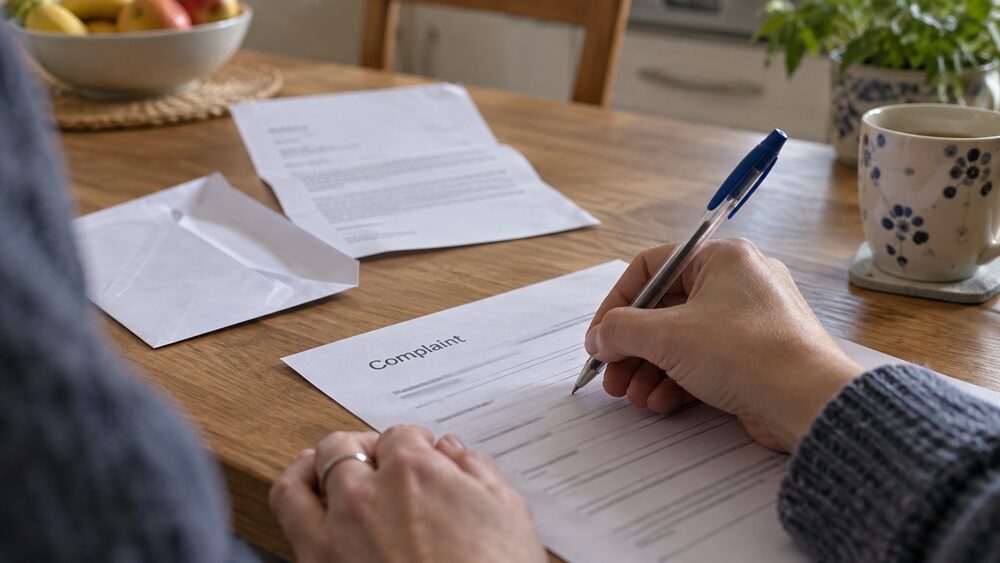
Your rights do not stop at the caps. Loans carry a 14-day cooling-off period: the Financial Ombudsman Service's payday lending report describes a case in which a borrower asked for the loan to be cancelled within the 14-day cooling-off period34. The full guide to the 14-day right to withdraw covers how withdrawal works and what you repay. If the loan was unaffordable from the start, you can complain: the lender should have checked affordability, and the guide to complaining about an unaffordable loan and the page on complaining about a lender set out the route, which ends at the Financial Ombudsman Service if the lender does not put things right.
Free help exists, and it costs nothing:
- StepChange, National Debtline and Business Debtline provide free debt advice, including specific guidance on dealing with payday loan debt6.
- Advice NI covers payday, guarantor and doorstep loans for people in Northern Ireland9.
- MoneyHelper explains overdrafts and other short-term options as an alternative route15.
- In Scotland, the Scottish Welfare Fund's Crisis Grant guidance states applicants should not be expected to take high cost credit such as doorstep lending or payday loans to cover living expenses35.
The single most important rule: do not take out more debt to repay a payday loan6. The guide to what to do if you cannot repay a loan covers the options in order.
When a payday loan is not the answer
Payday loans are intended for small purchases before payday, not for structural gaps in a budget6. StepChange is blunt about the wider pattern: making money last until payday might help in the short term, but it can end up costing you much more in the long term, and this applies to any type of high-cost credit, which could leave you much worse off36.
The clearest cases where a payday loan is the wrong tool:
- Repaying another debt. Do not take out more debt to repay a payday loan6, and debt consolidation borrowing at high cost to clear other borrowing rarely improves the position.
- Covering essential costs regularly. The regular use of high-cost credit to meet essential costs can severely damage the already tight budgets of families who are struggling to manage, leaving them vulnerable to falling into problem debt12.
- Borrowing when an alternative exists. Credit unions charge no more than 1% a month on loans16; the pages on credit union borrowing, community lenders and the No Interest Loan Scheme set out the alternatives, and cheaper alternatives to a payday loan compares them side by side.
- Covering living costs in a crisis. The Scottish Welfare Fund guidance is explicit that applicants should not be expected to take high-cost credit to cover living expenses35.
Other high-cost products sit nearby and carry their own risks. Home credit, or doorstep lending, is repaid usually weekly, collected by an agent at the borrower's home37. Guarantor loans can give the lender a route into someone else's bank account if they have a continuous payment authority21, and the guide to guarantor loans covers what a guarantor signs up to. Buy-now-pay-later is now FCA-regulated, with lenders required to check affordability31, and the guide to buy now pay later covers its fees and rights.
Scams and warning signs
High-cost credit attracts fraudsters, both fake lenders targeting people who need money fast and scammers posing as trusted organisations. Common warning signs include inaccurate spelling and wording, a sense of urgency to act quickly, being asked for bank details or passwords and told not to tell anyone, and an unfamiliar email address38. A message could be a scam if it pressures you into making a decision, has a short deadline, is threatening or unexpected, asks for personal information like bank details, tells you to transfer money, or says you have to pay to apply for or get a relief39.
One signal that you have already been targeted appears later: you are refused financial services, credit cards or a loan, despite having a good credit rating, which can indicate identity theft40. The Student Loans Company has warned that scammers send convincing texts, emails and calls claiming a payment is at risk, has been blocked, that bank details need updating, or an account will be closed unless the recipient acts immediately41.
If you have been misled or tricked into agreeing to a continuous payment authority, you have rights under the Payment Services Regulations 201727. The wider guides to scams and fraud and consumer protection cover where to report and what can be recovered.
Sources41 cited
- Payday loans, nidirect, 2026-02-25 nidirect.gov.uk
- Payday loans guide, National Debtline, 2026-09-25 nationaldebtline.org
- FCA instrument 2014/56: high-cost short-term credit price cap, Financial Conduct Authority, 2015-01-02 api-handbook.fca.org.uk
- Payday loans guide, Business Debtline, 2026-09-26 businessdebtline.org
- Predatory finance, Responsible Finance, 2026-09-26 responsiblefinance.org.uk
- Payday loan debt, StepChange, 2026-09-25 stepchange.org
- How does debt affect a credit file, StepChange, 2026-09-25 stepchange.org
- Debt consolidation guide, Business Debtline, 2026-09-26 businessdebtline.org
- Payday, guarantor and doorstep loans, Advice NI, 2026-09-26 adviceni.net
- High-cost credit research briefing, House of Commons Library, 2021-11 commonslibrary.parliament.uk
- Same day loan debt, StepChange, 2026-09-25 stepchange.org
- Alternatives to high-cost credit, StepChange, 2026-09-25 stepchange.org
- Payday loan calculator, StepChange, 2026-09-25 stepchange.org
- CONC 4: high-cost short-term credit, Financial Conduct Authority, 2026 static-dr.dev.handbook.fca.org.uk
- Overdrafts explained, MoneyHelper, 2026-09-25 moneyhelper.org.uk
- Credit unions regulations, legislation.gov.uk, 2006 legislation.gov.uk
- Loans, nidirect, 2025-09-30 nidirect.gov.uk
- Buy now pay later guide, National Debtline, 2026-09-25 nationaldebtline.org
- CONC 6.7: refinancing HCSTC, Financial Conduct Authority, 2021-10-25 handbook.fca.org.uk
- Case study: cancelling a continuous payment authority, Financial Ombudsman Service, 2026-09-26 financial-ombudsman.org.uk
- Guarantor loan debts, StepChange, 2026-09-25 stepchange.org
- Cancelling recurring payments or CPA, StepChange, 2026-09-25 stepchange.org
- Regular payments, Financial Ombudsman Service, 2026-09-26 financial-ombudsman.org.uk
- Buy now pay later guide, Business Debtline, 2026-09-26 businessdebtline.org
- Dealing with payday loan debt, StepChange, 2026-09-25 stepchange.org
- Continuous payment authority cancellation, Anglesey County Council, 2025-10 anglesey.gov.wales
- Rights if misled into a CPA, Anglesey County Council, 2025-10 anglesey.gov.wales
- Costs of living: making the most of your money, Business Debtline, 2026 businessdebtline.org
- Making the most of your money, Business Debtline, 2026-09-26 businessdebtline.org
- What do I need to know about debt, Bank of England, 2025-08-19 bankofengland.co.uk
- Buy now pay later, Financial Conduct Authority, 2026-07-15 fca.org.uk
- Overdrafts and other bank debts, nidirect, 2025-11-07 nidirect.gov.uk
- Mortgage arrears or payment difficulties, nidirect, 2025-11-07 nidirect.gov.uk
- Payday lending report, Financial Ombudsman Service financial-ombudsman.org.uk
- Scottish Welfare Fund statutory guidance, Scottish Government, 2026-03-25 gov.scot
- Make money last until payday, StepChange, 2026-09-25 stepchange.org
- Home credit, Financial Ombudsman Service, 2026-09-26 financial-ombudsman.org.uk
- Scams: what to look for, FSCS, 2026-05-05 fscs.org.uk
- Staying safe from scammers, GOV.UK, 2024-06-17 gov.uk
- Identity theft, ICO, 2026-09-25 cy.ico.org.uk
- Student finance scam warning, GOV.UK, 2026-09-01 gov.uk


 MoneyHelperFree, impartial money and pensions guidance, set up by government
 StepChangeFree debt advice and solutions from a charity
 National DebtlineFree debt advice by phone, webchat and online
 Financial Ombudsman ServiceFree, independent help when a complaint about a firm is not put right
 Citizens AdviceFree advice on money, consumer and legal problems in England and Wales