
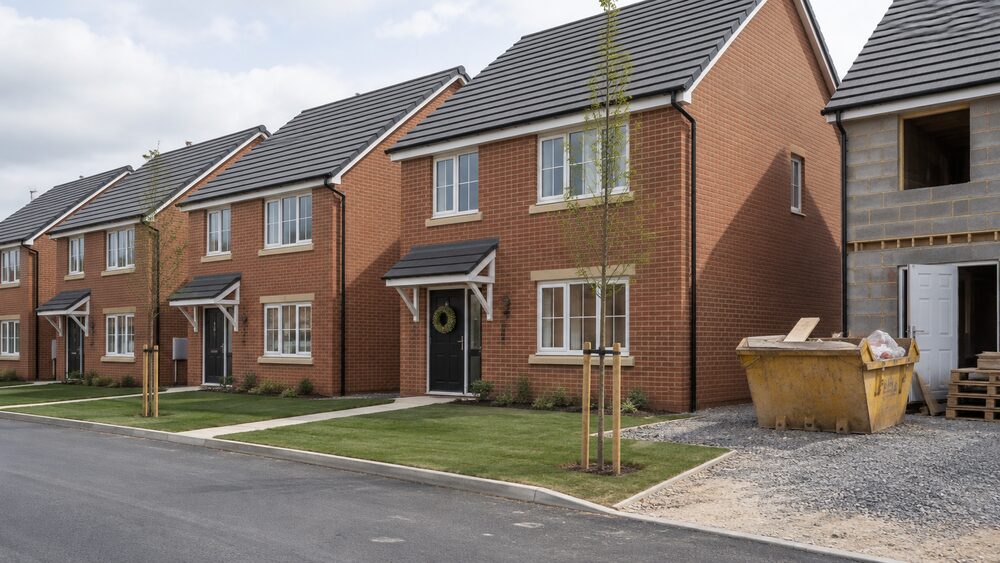
BOPAS stands for the Buildoffsite Property Assurance Scheme. It is an accreditation for homes built using modern methods of construction (MMC), and a property approved under it has passed a 60 year durability assessment and has a 12 year structural warranty1. That combination is what makes some mortgage lenders willing to consider a home they would otherwise treat as non-standard construction.
BOPAS stands for the Buildoffsite Property Assurance Scheme. It is an accreditation for homes built using modern methods of construction (MMC), and a property approved under it has passed a 60 year durability assessment and has a 12 year structural warranty1. That combination is what makes some mortgage lenders willing to consider a home they would otherwise treat as non-standard construction.
It matters because most lenders prefer what they call standard construction. One building society says that in the main a self build must be built using standard construction materials, with non-standard construction considered if it is BOPAS accredited2. Another says it can consider a variety of build types, including modern methods of construction and ones primarily built offsite, and that in some instances schemes must be accredited through BOPAS3. A third accepts modern construction accreditations such as BOPAS, STA Gold and BBA, alongside a structural warranty4.
So BOPAS is not a mortgage, a warranty or a guarantee in itself. It is evidence a lender can lean on when deciding whether a home built offsite, in a factory or from a timber frame is one it is prepared to lend against.
What BOPAS is and what it certifies
BOPAS is the Buildoffsite Property Assurance Scheme. Its purpose, as lenders describe it, is to give assurance about how a property built with modern methods of construction will perform over time. A property approved under the scheme has passed a 60 year durability assessment and has a 12 year structural warranty1.
That is a different thing from a warranty you buy or a certificate a builder holds. The durability assessment looks at whether the construction method will hold up over decades; the structural warranty is the cover attached to it. Both are described together in lender criteria, which is why the two are often confused.
The scheme sits alongside other accreditations. Lenders name BOPAS, STA Gold and BBA as modern construction accreditations they accept, alongside a structural warranty4. Which of these a given lender will accept, and in what combination, is set out in that lender's own criteria rather than in any single national rule.
For a buyer, the practical point is that BOPAS is a label a lender recognises. It does not tell you the individual home is well built, and it does not replace a survey.
Why lenders treat non-standard new builds differently
A mortgage lender needs to be confident it could sell a property if it ever had to recover its money. Construction methods it has little history with, or few surveyors able to assess, make that harder. That is the root of the distinction between standard and non-standard construction.
The distinction shows up in criteria rather than in law. One building society states that in the main a self build must use standard construction materials, with non-standard construction considered if BOPAS accredited2. Another says it can consider a variety of build types including MMC and ones primarily built offsite, and that in some instances schemes must be accredited through BOPAS3. A third accepts BOPAS, STA Gold and BBA alongside a structural warranty4.
Where a lender does lend, the usual responsible lending rules still apply. Firms must put in place robust systems and controls, including management information and key performance indicators, to monitor the effectiveness of their affordability assessments, including in preventing payment difficulties7. Most first mortgages taken out on or after 31 October 2004 are regulated under the FCA's MCOB rules8.
The construction type is a separate question from affordability. A lender can be satisfied you can afford the loan and still decline because of what the home is made of.
How BOPAS accreditation affects getting a mortgage
Accreditation does not guarantee a mortgage. It removes one specific obstacle, which is a lender's concern about an unfamiliar construction method, and it does so only with lenders that name BOPAS in their criteria.
Where it is accepted, it is usually accepted as part of a package. Lenders describe accepting BOPAS alongside a structural warranty4, and one describes requiring BOPAS accreditation for some schemes while considering a range of build types3. Another frames it as the condition on which non-standard construction will be considered at all2.
If a property is not accredited, that is not automatically the end of the matter. Lenders differ, and some will look at other accreditations such as STA Gold or BBA4. The variable is the lender's criteria, not a single national rule.
Two practical consequences follow. First, establish which lenders will consider the specific build before you commit to anything, because criteria vary and can change. Second, expect the process to take longer and to involve more paperwork than a standard construction purchase.
Checking whether a new build is BOPAS accredited
Ask. The developer, the site sales office and your solicitor are the people who can confirm whether a specific plot is approved under the scheme, and lenders describe approval in terms of the property rather than the developer1.
The evidence to look for is the combination lenders name: approval under BOPAS, meaning a 60 year durability assessment and a 12 year structural warranty1. If a developer claims accreditation, ask for the documentation that shows it applies to your plot and not just to a house type.
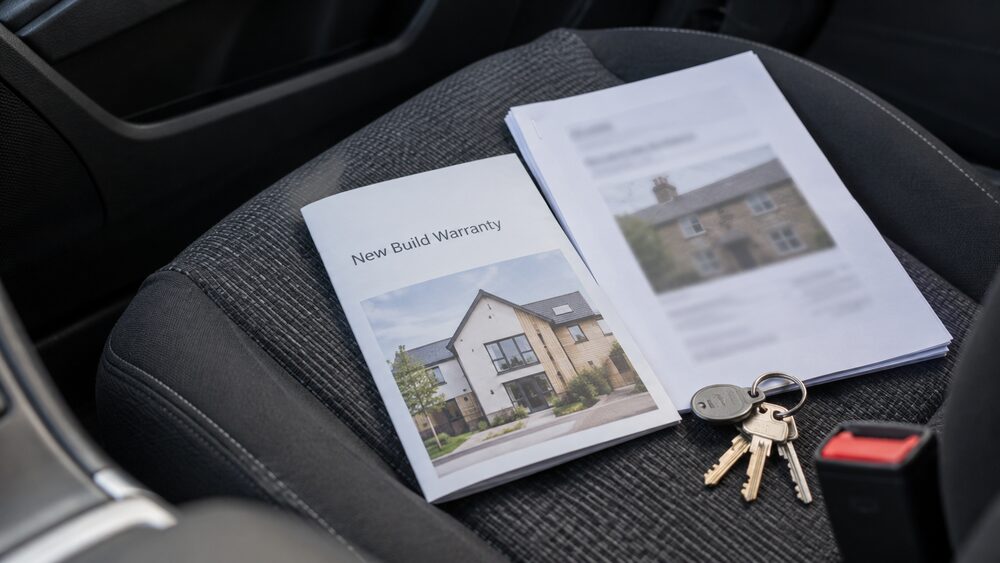
It also helps to know what a new build warranty does and does not cover, because the two are often discussed together. Building warranties cover major problems with newly built or converted homes5. In years 3 to 10 you are covered for structural problems where the builder has not complied with technical requirements5. Before the build is completed, you are covered if the builder is insolvent or commits fraud and does not complete the build, and the insurer should refund money, part-refund, or arrange for the building to be finished5.
Where BOPAS does not help: limits and risks for buyers
BOPAS addresses one lender concern. It does not address several others.
It does not tell you the condition of the individual home. A property should be checked for any defects in its condition that might affect the value9, and a valuation should be carried out by a qualified surveyor accredited by the Royal Institution of Chartered Surveyors (RICS)6. Where a valuation is required under the Help to Buy equity loan, the buyer chooses a surveyor and arranges and pays for the report themselves10.
It does not settle affordability or credit history. Applicants with missed payments, reduced payments, County Court judgments and Decrees on their credit file may have to pay more in interest and fees, though this does not mean they cannot get a mortgage11. Specialist lenders tend to be more flexible when assessing an application but often charge much higher rates, and larger deposits are typically required12.
It does not guarantee a future lender will take the same view. A lender can refuse a porting application on other grounds, for example if the value of the new property would take the ported balance outside the loan-to-value range for the interest rate the customer wants to port13. It might be unfair to refuse a porting application on affordability grounds when it does not involve further borrowing, or because it is an interest only mortgage, as FCA rules allow lenders to agree such porting applications without a detailed affordability assessment13.
It does not cover the wider supply chain. Where policies involve insurers, brokers, property managers and others whose firms may not be regulated by the FCA, the Ombudsman cannot investigate the part they played14.
Who pays for BOPAS accreditation, the developer or the buyer?
No figure or rule on who pays for BOPAS accreditation is available. What is documented is the pattern for valuations: under the Help to Buy equity loan, the buyer chooses a surveyor and arranges and pays for the report themselves10.
Accreditation is a matter between the developer and the scheme. If it is a condition of your mortgage, ask the developer or your solicitor to confirm in writing that it applies to your plot, and ask who is responsible for any cost of demonstrating it.
Getting help if a lender refuses or a defect appears
If a lender does not help, for example over selling, you can complain to the Financial Ombudsman Service (FOS)15. Firms generally have eight weeks to respond: customers may complain to the ombudsman if the company does not reply within eight weeks or the reply is not satisfactory16. The ombudsman can tell the lender to put things right and pay compensation for distress or inconvenience17, and its remedies include asking the bank to correct a credit file, refund extra costs, and pay compensation for distress or inconvenience18.
Where poor advice is the issue, the ombudsman's aim is putting the customer in the financial position they would be in with proper advice, which might mean telling the broker or lender to make adjustments to the capital balance, or to compensate you for the cost of changing arrangements19.
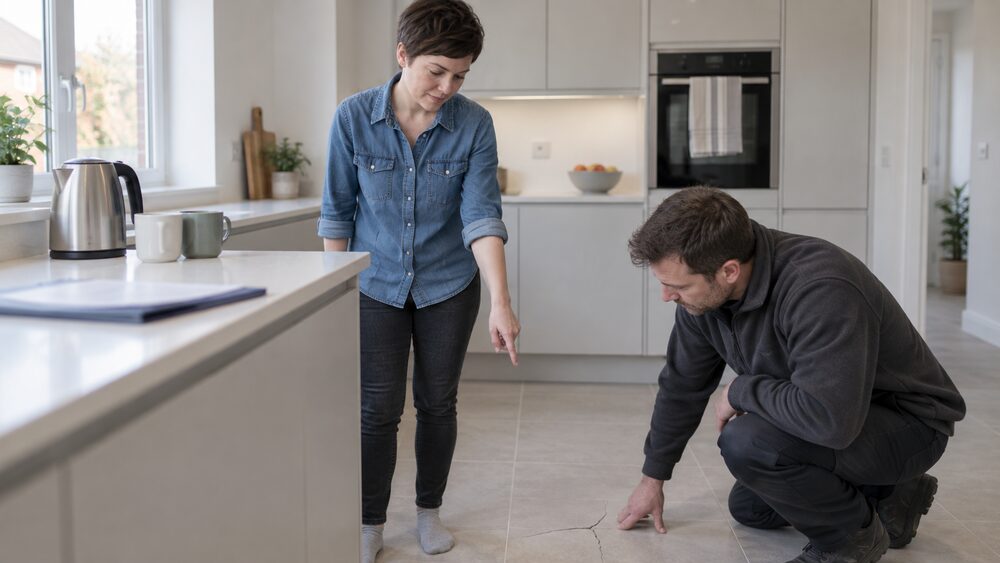
For defects, the new build warranty is the first route: building warranties cover major problems with newly built or converted homes5. There is a separate process for complaining about a new build home, and more on what a warranty covers in new home warranties.
Free, impartial guidance on mortgages is available from MoneyHelper, and a mortgage adviser must have completed a qualification called a Certificate in Mortgage Advice and Practice (CeMAP) to give mortgage advice20. If you are weighing up a non-standard build against a conventional one, buying a new build home and new build or older home set out the differences.
Sources20 cited
- New build criteria Accord Mortgages, 2026-09-26
- Self build mortgages ESBS, 2026-08-28
- Self build mortgages Suffolk Building Society, 2026-05-21
- Self build and custom build mortgages Beverley Building Society, 2025-12-17
- Building warranties Financial Ombudsman Service, 2026-09-26
- Valuations and surveys Financial Ombudsman Service, 2026-09-26
- Responsible lending, and responsible financing of home purchase plans FCA Handbook, 2026-06-26
- Mortgage shortfalls Business Debtline, 2026-09-26
- Buying a home: step by step guide nidirect, 2025-08-22
- How to get a valuation of your Help to Buy home GOV.UK, 2025-08-18
- Mortgage term ending StepChange, 2026-09-25
- Bad credit mortgages Which?, 2025-10-08
- Early repayment charges Financial Ombudsman Service, 2026-09-26
- Multiple occupancy buildings insurance Financial Ombudsman Service, 2026-09-26
- Selling your home to avoid repossession Shelter England, 2025-09-16
- Complaints about financial services House of Commons Library, 2026-07-08
- Buy Now Pay Later Financial Ombudsman Service, 2026-09-26
- IT problems at banks Financial Ombudsman Service, 2026-09-25
- Interest-only mortgages Financial Ombudsman Service, 2026-09-26
- Choosing a mortgage: shop around or get advice MoneyHelper, 2026-09-25







 MoneyHelperFree, impartial money and pensions guidance, set up by government
 Citizens AdviceFree advice on money, consumer and legal problems in England and Wales
 ShelterFree housing advice from a charity
 GOV.UKOfficial information on tax, benefits and government services
 Financial Ombudsman ServiceFree, independent help when a complaint about a firm is not put right