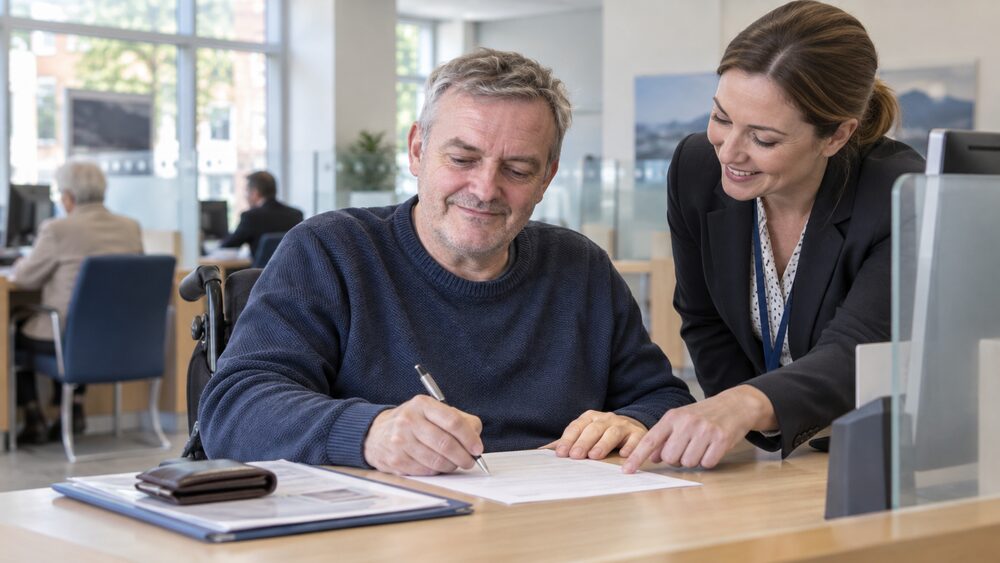
Owing your bank money does not automatically stop you opening a bank account. A bank or building society can refuse to open an account for you, and does not always have to give a reason, but debt on its own is not a bar to being banked1. What changes is which account you can get, and where you get it.
The practical answer has two parts. If you owe the bank you are applying to, it may take money from the new account to pay the old debt, so a basic account at a different bank is often the safer route. If you owe a different bank, the main obstacle is your credit history rather than the debt itself, and a basic bank account is designed for exactly that situation: large banks have to offer one to individuals2.
Basic bank accounts are the fallback that most people can rely on. You can apply if you have a low income or a poor credit history and think you might have trouble opening a bank account, and opening one should not normally involve a credit check3. The main banks should allow you to open one after bankruptcy, provided you did not owe them a debt included in the bankruptcy5.
Owing your bank money does not automatically stop you opening an account
The starting point is that being in debt and being refused an account are two different things. A bank or building society can refuse to open an account for you, and they do not always have to give you a reason1. But the reasons banks actually refuse are narrower than most people assume: a record of fraud, a bankruptcy the bank was caught up in, or identity checks that cannot be completed.
There is no limit to the number of accounts you can open, provided you meet the eligibility criteria9. So the question is not whether you are allowed a second account, but whether a particular bank will give you the type of account you are asking for.
Where debt does bite is in the type of account. If you have a poor credit rating or a low income, you may have problems opening a standard current account or savings account, and a basic bank account is the alternative10. If you are bankrupt or have a record of fraud, you will not usually be allowed to open a bank account in the ordinary way, though a basic account may still be possible10.
One point that catches people out: closing an account does not settle what you owe. You may still be sued for money you owe if you do not pay it when you close the account1. Moving banks is a way to protect your day-to-day money, not a way to escape the debt.
How a bank decides whether to open an account for you
The bank will usually run a credit check to see your credit history, including whether you have had problems paying money back4. That check looks at how you have handled borrowing, not at whether you currently owe a particular bank.
To open an account you usually have to fill in an application form, in a branch, online, or sometimes over the phone, and provide proof of identity including your full name, date of birth and address10. Immigration status matters too: you can usually open a bank account if you have refugee status, or if you have leave to remain or a valid visa11.
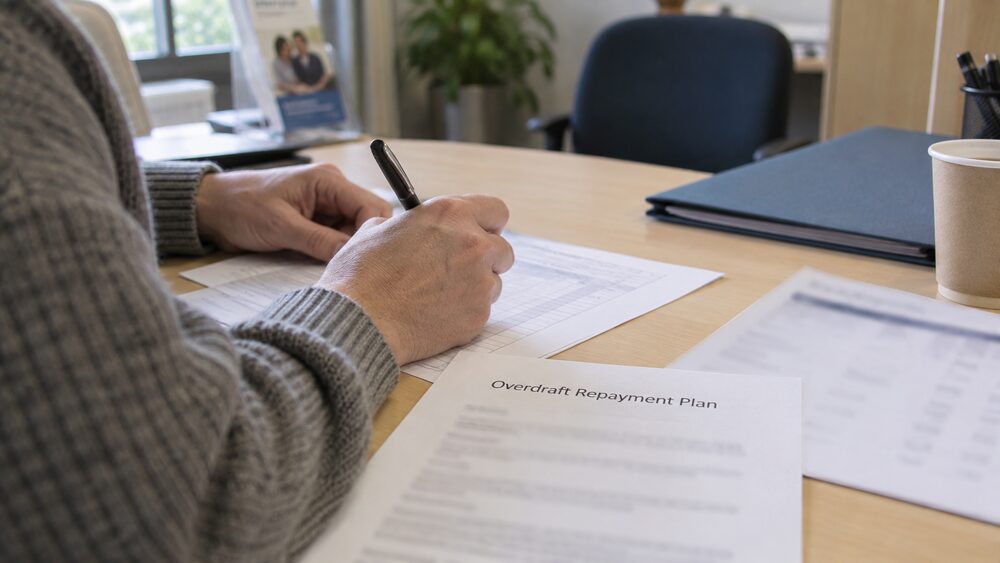
A debt relief order has a specific effect. After a DRO has been approved, your bank may stop letting you use your current bank account, and some banks automatically check whether any of their customers have been given a DRO; the bank then decides whether to freeze your account or let you open a new one13. You might also struggle to open a new bank account during the DRO period and for some time after it has ended14.
Opening a new account with the bank you owe
Staying with the bank you owe is possible, but it is the option with the most strings attached. The bank may offer to separate any overdraft from your existing account, set up a new "clean" basic bank account for you, or help you reduce your overdraft at a rate you can afford15.
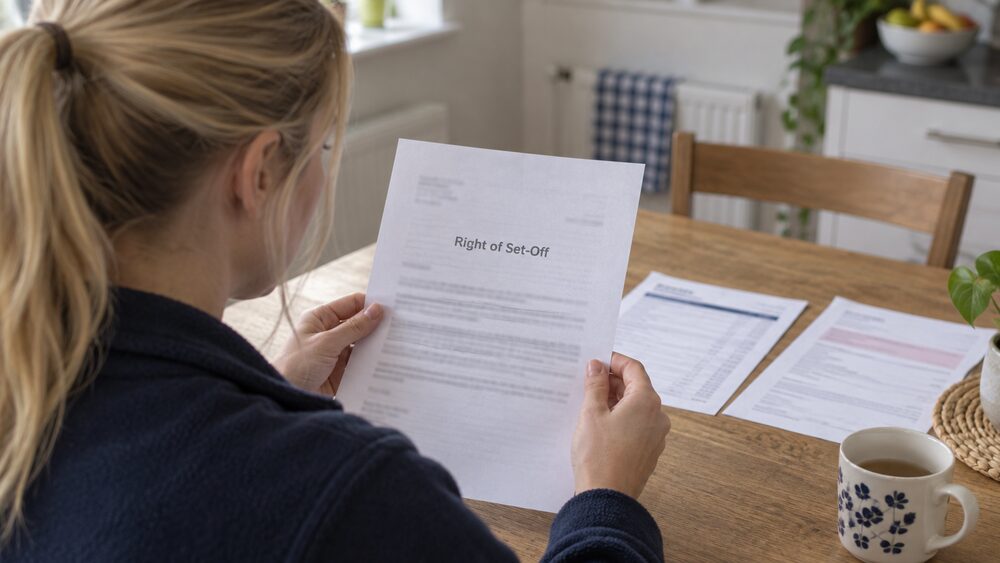
The risk is set-off, covered in its own section below. If you have an overdraft or other debts on your current account and you open a basic bank account at the same bank, they may use the money in the new basic account to pay off debts in the old overdrawn account. If you get benefits, tax credit or state pension, consider opening at a different bank10.
There is also a practical trap when you want to leave. If you are using your overdraft, you will have to pay it back before you can close your account, and you will lose access to statements, so make sure you have copies if you need them4.
If you have a current account with a company you owe money to, you will be required to open a new bank account13. That is the clean case. Where you do owe your provider, the plan and the account are tangled together, and a basic account elsewhere is the usual answer.
Opening an account with a different bank
Opening somewhere else is the route that keeps your money out of reach of the bank you owe. Set up an account with a bank that you do not have any existing debt with: this will strengthen your position if you have difficulty paying your existing bank debts in the future16.
The credit check still applies, and a poor credit rating may mean a standard current account is refused. That is where a basic bank account comes in. If you are homeless, a basic bank account is available, and an account can be opened without a permanent address17.
If you are leaving a joint account, be careful not to link the new account to the old one, as this may make your details visible to the other holder; opening an account with a different bank avoids that risk19. A past joint account could affect your credit file and make it harder to open a bank account and borrow money20.
Basic bank accounts: a right to an account for most people
A basic bank account is the account designed for people who cannot get a standard one. You can apply if you have a low income or a poor credit history and think you might have trouble opening a bank account3. If you are bankrupt or have a poor credit rating, you may be able to open a basic bank account1.
The duty sits on the banks. Large banks have to offer a basic bank account to individuals, though not to organisations2. The policy behind that is long-standing: it should be a right for customers to open a basic bank account irrespective of their financial circumstances21.
After bankruptcy, the main banks should allow you to open a basic bank account with them, providing you did not owe them a debt included in your bankruptcy5. Banks should let you open a basic bank account after you go bankrupt22. The exception is the bank you owed: if your debt to that bank was included in the bankruptcy, it is not obliged to take you back.
Applying is not always a separate process. You will often need to apply for one of the bank's other accounts first, such as their standard current account, and you can usually apply online, by phone or in a branch3. You can open a basic bank account with someone you trust if you both qualify3.
| Feature | Basic bank account | Standard current account |
|---|---|---|
| Credit check | Should not normally be required4 | Usually run4 |
| Who it suits | Poor credit rating, low income, or an overdrawn current account10 | Applicants who pass the bank's checks |
| Bank duty to offer | Large banks must offer one to individuals2 | No equivalent duty |
| Joint opening | Possible with someone you trust if you both qualify3 | Possible, with shared liability23 |
Set-off: when a bank can take money from your account to cover a debt
Set-off is the rule that makes staying with the bank you owe risky. If you owe money to a bank or building society, they can usually take money from an account you have with them to pay towards the debt you owe them24. Banks and building societies can take money from your current account to cover missed payments on other accounts you have with them6.
It is not unlimited. The current account and the debt must both be in your name, both with the same lender, the debt must be in arrears, the bank must warn you clearly in advance, and it must take your circumstances into account and not cause you hardship6. A bank cannot take money from your account for a debt with a different company6.
The Financial Ombudsman Service expects to see set-off used only where the customer was not meeting the terms of the account where they owed money, for example by missing loan repayments7. The transfers that are allowed are narrow: from your sole account to a debt only in your name, from your sole account to a debt you have jointly, and from your joint account to a joint debt if the same two people are named6.
If set-off has left you short, contact your bank straight away and ask them to refund some or all of it if you do not have enough to cover bills and living costs or you cannot pay priority debts, and make a complaint if they do not do this6.
Does a defaulted overdraft stop me switching to another bank?
No. You can switch using the Current Account Switch Service even if you are overdrawn26. The overdraft does not block the switch, but it has to be dealt with as part of it.
If your new account has an overdraft facility that covers what you owe, the funds will be sent to your old bank and you will owe the overdraft balance on the new account instead. If it is a lower amount, or you cannot get one, you will need to arrange to pay off the remainder separately before you can switch or close your old account4.
That second case is the common one for people with a poor credit history, because a new bank is unlikely to grant an overdraft large enough to clear the old one. The switch can still go ahead, but the old account stays open until the balance is cleared.
If you are worse off after the overdraft rule changes of April 2020, contact your bank: it might reduce or waive interest, offer a continuation of overdraft borrowing at the current rate of interest, or agree a repayment programme, possibly including a personal loan26. There is more on this in struggling to repay an overdraft and switching while overdrawn.
If you have a CCJ, a debt management plan or a DRO
A county court judgment is a court order about a debt, not a banking ban. The decision factors that shape your options are your income, the amount of money you owe, the type of debt you have, and the value of your home and other expensive belongings27.
In a debt management plan, if you have a current account with a company you owe money to, you will be required to open a new bank account13. Get advice before setting up a plan with a provider; free and independent advice is available from organisations such as Advice NI28.
A debt relief order is stricter. After a DRO has been approved, your bank may stop letting you use your current bank account, and you might struggle to open a new one during the DRO period and for some time after it has ended13. The Insolvency Service will never ask a bank to stop providing banking services in relation to a DRO13.
If you are bankrupt, the position is set out above: the main banks should allow a basic account provided you did not owe them a debt included in the bankruptcy5. There is more in can I open a bank account if I'm bankrupt?.
Where to get free debt help and how to complain
Free help exists and it does not cost anything to use. Citizens Advice offers free advice on debt and other money problems29. National Debtline gives free advice and can set up a free debt management plan, handling payments and negotiating with the people you owe money to30. If you owe money to HMRC, you can get free, confidential and independent advice from a debt adviser31. Free regulated debt advice is also available through other services20, and free debt advice is available from StepChange, Which? and Citizens Advice32.
If you are unemployed or on reduced hours, talk to your bank about debts you have with them, or move to a basic bank account with a different provider33.
On complaints, the order is: the bank first, then the ombudsman. If a bank turns you down for a basic account and does not tell you why, or you feel you have been turned down unfairly, you may be able to complain to the Financial Ombudsman Service34. Where a basic account application is refused, the institution must inform you in writing and free of charge of the reason, advise how to complain to it, and set out your right to complain to the Financial Ombudsman Service8. The ombudsman can look at complaints from individual customers, or customers who share a financial product or service such as a shared bank account or joint mortgage35, and it can consider a complaint if the firm refuses a refund and you disagree36.
The ombudsman can order remedies including asking the bank to correct a credit file, refund extra costs, and pay compensation for distress or inconvenience37. It can also order a lender to waive interest for a short period, refund interest applied at the start, give extra time to make missed payments, restructure loans, or pay compensation for distress and inconvenience38.
Sources39 cited
- Getting a bank account Citizens Advice
- Access to banking services and cash House of Commons Library
- Basic bank accounts MoneyHelper
- How to open, switch or close your bank account MoneyHelper
- Basic bank accounts Advice NI
- Right of offset StepChange
- Bank accounts: right of set-off Financial Ombudsman Service
- Payment Accounts Regulations 2015, Part 4 legislation.gov.uk
- Current account MoneyHelper
- Basic bank accounts Advice NI
- Refugees moving on from asylum support housing Shelter England
- Basic bank accounts Advice NI
- Once you have a debt relief order (DRO) GOV.UK
- Credit rating impact of a debt relief order Citizens Advice
- IT problems at banks Financial Ombudsman Service
- Your business and household budget Business Debtline
- Keeping a bank account Shelter England
- How to open a bank account Shelter England
- Supporting customers separating finances from an abuser Surviving Economic Abuse
- Choosing a bank account for your Universal Credit payment MoneyHelper
- Joint Committee on the Draft Financial Guidance and Claims Bill Parliament
- Bank accounts after bankruptcy StepChange
- Joint accounts MoneyHelper
- Saving money (England and Wales) National Debtline
- Budgeting, saving and borrowing Business Debtline
- Overdrafts explained MoneyHelper
- What if I have a debt I cannot pay? Mental Health and Money Advice
- Debt management plans nidirect
- Complaints involving cost of living Financial Ombudsman Service
- Your debt management plan provider has closed Citizens Advice
- Find out what to do if you owe money to HMRC GOV.UK
- Cost of living crisis: debt support FSCS
- Unemployment and reduced hours StepChange
- Safe bank accounts (England and Wales) National Debtline
- Who we can help: consumers Financial Ombudsman Service
- Festival refunds not guaranteed Financial Ombudsman Service
- Consumer leaflet (easy read) Financial Ombudsman Service
- Home credit Financial Ombudsman Service
- Fraud markers Financial Ombudsman Service


 MoneyHelperFree, impartial money and pensions guidance, set up by government
 FSCSProtects your money if a bank, insurer or investment firm fails
 Financial Ombudsman ServiceFree, independent help when a complaint about a firm is not put right
 Citizens AdviceFree advice on money, consumer and legal problems in England and Wales