A pensions dashboard is an online tool where people can access their pension information, bringing together details of pensions from different providers and the State Pension securely and in one place1. The government's own description, set out when the project was first consulted on, is of an online service which would allow people to see information from multiple pensions, all in one place2.
The need is straightforward. The average worker is estimated to build up 11 different pension pots over the course of a career3, and around 3.3 million pots worth £31.1 billion are currently unclaimed, according to the Pensions Policy Institute4. A dashboard is intended to let a saver search securely, find the pensions that belong to them and see what they might have to live on in retirement.
Dashboards are not available to the public yet, and the National Audit Office reported in May 2024 that it had not yet been decided when they would be5. Independent reporting in June 2026 put the expected launch at early 2027 at the earliest, by which point over 70 million pension records had already been connected to the programme6.
What pensions dashboards are and what they will do
A pensions dashboard is an online service that shows information about your pensions from different providers and the State Pension, together and in one place1. All dashboards will connect to a single digital ecosystem, developed by the Pensions Dashboards Programme, so that people can find their pensions through one secure search rather than contacting each scheme separately1. The Money and Pensions Service, the government body behind the programme, was given the job of bringing the industry together to lead the development and delivery of dashboards, and will also provide its own non-commercial dashboard service9.
What you will actually see on screen is an indicative snapshot of your different pensions found by the secure digital search, together with the estimated income you might have at retirement10. Scottish Widows describes the dashboard as giving you the ability to search securely and see your pensions in one place, including your State Pension10. The figures are estimates rather than guarantees: they are a starting point for understanding your savings, not a promise of what you will receive.
Two limits are worth knowing from the outset. First, a dashboard is an information service, not an advice service: it will show people information about their retirement savings but will not make decisions about whether pensions should be transferred11. Second, the rules require that the information a scheme provides about you is displayed to you as soon as it is received and without charge12, so viewing your own data on a qualifying dashboard costs nothing.
Only a snapshot: where you still need your pension provider
A dashboard will not replace the detailed information your pension scheme or provider holds. You will only be able to see basic information about your pensions, and for anything more detailed you will still need to contact your pension schemes and providers directly10. Scottish Widows makes this point plainly to its own customers: the dashboard is a summary, not a full statement of your terms, guarantees or options.
Providers already send annual statements telling you how much your fund is worth13, and those statements remain the place to find the detail behind a dashboard figure: the charges you are paying, the funds you are invested in, any guaranteed benefits attached to older policies, and the options open to you when you retire. If a dashboard shows a figure that looks wrong or surprising, the scheme or provider is the place to resolve it.
The design of the system reflects this snapshot approach. A pensions dashboard service must not store the data it displays, other than as temporary caching for the sole purpose of showing it in a single session12. In other words, the dashboard is a viewing window, not a second copy of your pension records. Design standards apply to dashboard providers only, not to the schemes supplying the data14.
It is also worth knowing that the retirement guidance tools available today have the same limitation in reverse. MoneyHelper's guidance offer states clearly that you will not see all your pensions or your exact pension income15. A dashboard will improve the picture, but no single service, current or planned, replaces keeping track of your own paperwork.
Launch date not yet confirmed: where the rollout stands
No date has been set for the public launch. The National Audit Office reported in May 2024 that it had not yet been decided when pensions dashboards would be available to the public5, and Zurich, writing for pension scheme trustees, confirms that the date when dashboards will be available for public use has not yet been confirmed16. Independent guidance puts the anticipated launch in 2026 or 202717, and Which? reported in June 2026 that the launch is expected in early 2027 at the earliest6. Other reporting has variously suggested late 202618 or "later this year or early next year"19, which shows how much the timing has moved around.
The project has a long history of shifting dates. The government announced at Budget 2016 that it would ensure the pensions industry designs, develops and launches pensions dashboards20. HM Treasury worked with industry to deliver a working prototype in April 2017, though at that stage the dashboard was still very early in development21. Reporting in 2020 noted the dashboard was meant to go live the year before but was put on hold because of Brexit and the November general election22. The Pensions Dashboards Programme itself was established by the Money and Pensions Service in 2019 to deliver the ecosystem3.
Behind the scenes, connection work has been progressing steadily: over 70 million pension records are now connected to the programme, according to the latest update reported in June 20266. The Dashboards Available Point, the moment the public can start using dashboards, has been the subject of its own government consultation14.
Schemes must connect by 31 October 2026
Legislation requires pension schemes and providers to connect their data to the pensions dashboards ecosystem by 31 October 20261. The Pensions Regulator said in May 2026 that around 2,600 schemes are required to connect by 31 October, including 2,000 private sector defined benefit or hybrid schemes, with 75% of member records already connected7. The Pensions Dashboards Programme's own progress update reported that by December 2025, 60 million, or three-quarters, of workplace and personal pension records in scope had been connected, and that the first participant had connected in March 202523. Which? reported the same deadline as applying to all 3,000 pension providers and schemes3.
The deadline itself has a history. There were originally 23 separate staging deadlines for connecting to the digital architecture, depending on schemes' size and type; the first was 31 August 2023 and the last was 31 October 20255. Those were replaced by the single mandatory deadline of 31 October 20265, with connections to the digital architecture scheduled to be completed in 2026-275. Larger schemes began connecting from April 2025 to allow time for testing3.
Connection is not just a technical formality. Providers of pensions dashboard services must be independently audited for compliance both before connection and annually thereafter24. There is also a carve-out for schemes in an assessment period, such as those being wound up or reviewed: they are not required to connect before the assessment period ends, and if the scheme continues to function as a pension scheme, the deadline becomes the later of six months after the assessment period ends or the previously applicable date12.
Once connected, schemes have ongoing duties. Where a defined contribution pension value shown on a dashboard is out of date, schemes must calculate the value and return it within three days7.
Finding lost pensions: from £26.6 billion to £31.1 billion in forgotten pots
One of the main reasons dashboards exist is the number of pensions that have fallen out of contact with their owners. The scale of the problem has grown steadily. In 2020, around 1.6 million pension pots worth £19.4 billion had not been claimed by their owners because they had been lost or forgotten22. The National Audit Office put the estimated value of lost pension pots at £26.6 billion in 20225, and Which? reported the same £26.6 billion figure, attributed to the Pensions Policy Institute and the Association of British Insurers3.
The most recent estimates are higher still. The Pensions Policy Institute estimates that 3.3 million pension pots are lost or unclaimed in the UK, accounting for £31.1 billion in savings25, a figure repeated across independent guidance4 and by providers such as Hargreaves Lansdown26. The average lost pot is worth £9,47027, and more than three million pots are considered lost28. The growth from £19.4 billion to £31.1 billion reflects both automatic enrolment creating many more small pots and people changing jobs more often, leaving pots behind as they go.
The estimates differ between documents because they were made at different times using different methods, so treat the figures as indicative rather than exact. What is not in dispute is the direction: the amount of money sitting in pots that owners have lost track of has grown substantially, and dashboards are designed partly to reunite savers with lost retirement savings18.
You do not have to wait for a dashboard to find a lost pot. The Pension Tracing Service helps people find contact details for workplace and personal pension schemes, and our guide to finding lost pensions sets out how to use it and what information you will need.
MoneyHelper and other dashboard providers
The dashboard most people will encounter is the MoneyHelper Pensions Dashboard, created by the Money and Pensions Service (MaPS)16. It will be a free, online service where you can see your pensions in one secure place8, and it will be provided through the government service MoneyHelper27. MaPS will develop and host its own dashboard, situated within a newly developed retirement planning hub on the MoneyHelper website14.
MoneyHelper itself is a free, impartial service backed by government, providing help, information and guidance across money and pensions8. The legislation, the Pension Schemes Act 2021, allows for both public and private sector dashboards1, so commercial dashboards, for example those run by pension providers, may also be offered. Any qualifying pensions dashboard service operator must meet certain requirements and must get authorisation and be regulated by the Financial Conduct Authority3.
Whoever runs the dashboard, the same rules apply. A provider must register with the Money and Pensions Service and connect in compliance with the connection, security and technical standards MaPS publishes12. Providers must also cooperate with MaPS to assist with its functions in relation to dashboard services, including providing information in accordance with those standards12. The Pensions Regulator and the Financial Conduct Authority will regulate the pension schemes and providers sharing data with dashboards1.
Your consent, your data and who can see your dashboard
Nothing appears on a dashboard without your involvement. With your consent, data will be provided by pension administrators and the Government to pensions dashboards10. The search that finds your pensions is triggered by you, and the results are shown to you as soon as they are received and without charge12. The rules also limit what happens to your information afterwards: a dashboard service must not store the data it displays, other than as temporary caching for a single session12.
Access by professionals is controlled in the same way. The government has proposed that MaPS guidance specialists, regulated financial advisers and those considered by MaPS to be appropriate will be given access to their clients' dashboards3. Only those with permission will be granted access, and savers will be able to remove advisers from seeing their dashboard at any time3. The intention is practical: a guidance session or advice review goes faster when the professional can see your pensions without you having to hunt for statements.
If something goes wrong with a dashboard service, the provider must give users information on how to make a complaint about the service or the provider's acts or omissions, including a link to the Money and Pensions Service central complaints process12. Complaints about the administration of personal and occupational pension schemes themselves can be taken to the Pensions Ombudsman29, and our guide to the Pensions Ombudsman explains how that process works.
Before dashboards launch: tracking down your pensions now
You do not need to wait for a dashboard to get a picture of your pensions. The steps below work today, and doing them now means your dashboard search will be easier to check once the service launches.
- Gather what you already have. Annual statements from your providers tell you how much each fund is worth13. Old statements, letters and payslips showing pension deductions all help identify schemes you may have forgotten.
- Trace schemes you cannot find. Use the Pension Tracing Service to find details of a personal or workplace pension30. It helps people find contact details for workplaces and personal pension schemes, and Hargreaves Lansdown notes it is the standard route for tracking down an estimated 3.3 million lost or forgotten pots26.
- Check your State Pension forecast. There are three ways to get one: use the check your State Pension forecast online service, contact the Future Pension Centre, or fill in application form BR1931. The online service tells you how much State Pension you could be entitled to, when you can claim it and how to increase the amount if you can32. State Pension forecasts come from the DWP33, the same source dashboards will use.
- Get free guidance on what it means. MoneyHelper offers free, impartial help with pensions and retirement, though its guidance tools will not show all your pensions or your exact pension income15. Pension Wise provides free guidance on your pension options for those aged 50 and over.
If you have changed jobs several times, it is worth reading what happens to your workplace pension when you leave a job, since many lost pots are simply old workplace schemes left behind years ago.
Where the protection stops
Dashboards are designed to inform, not to advise or decide. The dashboard itself will show people information about their retirement savings but will not make decisions about whether pensions should be transferred11. That remains true however complete the picture on screen looks: an indicative snapshot and an estimated retirement income10 are estimates, and the underlying scheme records govern what you are actually entitled to.
The programme's own benefits case shows how much is riding on the timing. MaPS estimates programme benefits at £413 million, assuming that dashboards become available in November 20265, against an earlier outline business case figure of £437 million that assumed availability from October 2024 with 16.3 million potential users5. Every delay pushes those benefits, which include reuniting savers with lost pots, further out.
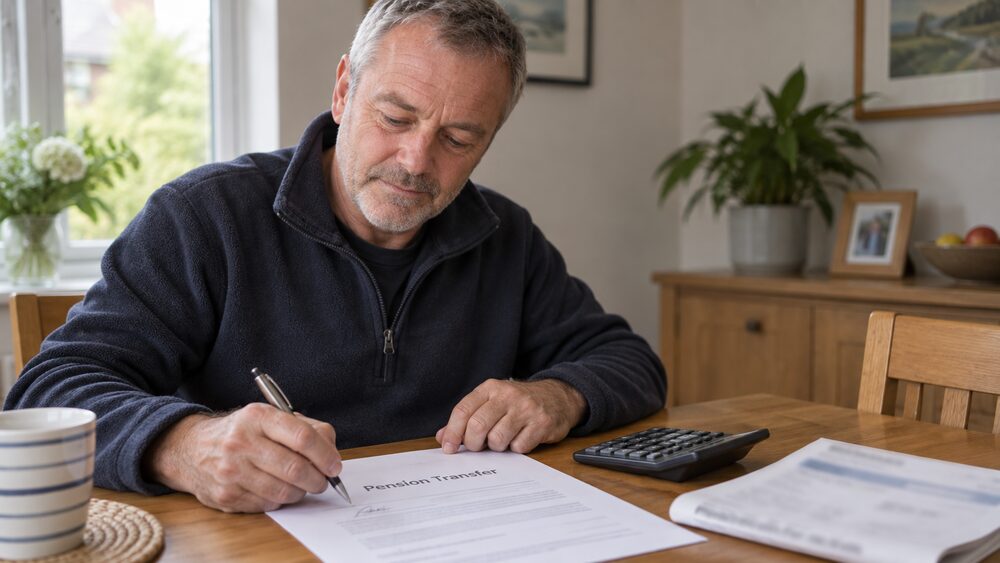
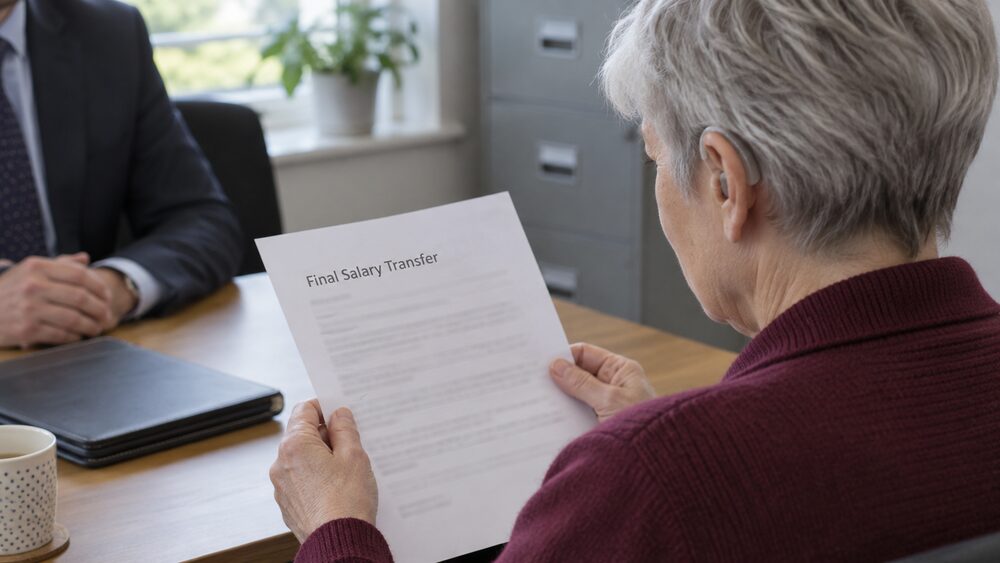
Three practical cautions follow. First, a dashboard search may not find everything: it shows the pensions found by the secure digital search, so records with out-of-date contact details may not appear, and only basic information will be shown for some pensions10. Second, seeing a total in one place can prompt decisions, such as transferring pots together, that have real risks and tax consequences; the rules on transferring pensions, final salary transfers and pension scams matter more, not less, once your pensions are easy to see. Third, the protections around complaints, the MaPS central complaints process and the Pensions Ombudsman12, cover the service and scheme administration, not the wisdom of any decision you make with the information.
For free, impartial help at any point, MoneyHelper is available now8, and our complete guide to pensions covers every stage from first contributions to taking an income.
Sources33 cited
- Pensions dashboards research briefing House of Commons Library, 2026-09-27
- Pensions dashboards feasibility report and consultation GOV.UK, 2018-12-03
- Pensions dashboard: five things you need to know Which?, 2024-04-05
- Lost pensions: the tracing services that could help you find them Which?, 2026-03-06
- Investigation into the Pensions Dashboards Programme, summary National Audit Office, 2024-05-10
- The common pension misconceptions that could cost you Which?, 2026-06-19
- DB and hybrid schemes: act now to get data ready for dashboards The Pensions Regulator, 2026-05-14
- What is the MoneyHelper pensions dashboard? now:pensions, 2026-03-04
- Pension Schemes Act 2021 explanatory notes legislation.gov.uk, 2026
- Pension dashboard Scottish Widows, 2026-09-26
- New rules for forgotten pension pots Daily Record, 2026-09-22
- The Pensions Dashboards (No. 2) Regulations (Northern Ireland) 2023 legislation.gov.uk, 2023-12-06
- Personal pensions: your rights GOV.UK, 2026-09-26
- Pensions Dashboards Regulations consultation Department for Work and Pensions, 2022-01-31
- Get retirement guidance MoneyHelper, 2026-09-27
- Pensions dashboards programme Zurich, 2026-09-26
- How to find lost bank and savings accounts Which?, 2025-06-30
- New rules for pension pots worth under £1,000 Which?, 2025-05-02
- Planning for retirement Baptist Pensions, 2026-04
- Creating a single financial guidance body: response to the consultation HM Government, 2017-04
- Nearly £20bn of pensions unclaimed in the UK Which?, 2020-05-14
- Written evidence on pensions dashboards UK Parliament, 2016
- Pensions Dashboards Programme progress update, December 2025 Pensions Dashboards Programme, 2025-12
- The Pensions Dashboards Regulations 2022 legislation.gov.uk, 2022-11-21
- How to boost your pension Which?, 2026-08-10
- Pension tracing service Hargreaves Lansdown, 2026-09-26
- Five ways to reduce your risk of pension poverty Which?, 2026-05-17
- What's the point of a pension? Which?, 2026-02-09
- Pensions research briefing CBP-10293 House of Commons Library, 2026-07-08
- Report a death without Tell Us Once GOV.UK, 2026-09-28
- Guidance on social security abroad NI38 GOV.UK, 2026-07-07
- Check your State Pension forecast nidirect, 2026-09-01
- State Second Pension and SERPS Which?, 2026-03-17


 Pension WiseFree guidance on your options for a defined contribution pension, from age 50
 FSCSProtects your money if a bank, insurer or investment firm fails
 GOV.UKOfficial information on tax, benefits and government services