
A packaged bank account is a current account that comes with a number of benefits, like mobile insurance, for a monthly fee1. The benefits are typically insurance policies: travel insurance, breakdown cover and mobile phone cover are the three most common, sometimes alongside non-insurance perks such as roadside assistance or preferential rates on overdrafts and loans. The account works as normal banking, but you pay for it, usually every month, whether or not you ever use the extras2.
The insurance in these accounts is real insurance, underwritten by an insurer and regulated in the same way as cover bought on its own. The Financial Ombudsman Service, which settles disputes between consumers and financial firms, describes the typical arrangement plainly: "A packaged bank account comes with extra benefits, like insurance and roadside assistance, but also charges fees"2. The fee is the price of the bundle, and the bundle is only worth it if the policies inside it actually fit the person paying.
That is where packaged accounts most often go wrong. Ombudsman case studies include customers who were upgraded without their permission, customers who paid hundreds of pounds a year for benefits they never used, and customers sold cover they could never have claimed on because of their age or health3. This page explains what the insurance in a packaged account covers, what the fee buys, how it compares with buying cover separately, where the cover can fall short, how to claim, and what to do if you believe the account was mis-sold.
What a packaged bank account is
A packaged bank account is a current account that comes with a number of benefits, like mobile insurance, for a monthly fee1. It is one of several types of current account a bank may offer: a Parliamentary committee reviewing the Post Office's banking services noted it had launched three types of account, a "free in credit" standard account, a packaged account and a control account9. So the packaged account sits alongside the ordinary free account at the same bank, and the difference is the fee and the bundle of extras attached to it.
The extras are what define the product. In ombudsman case studies, packaged accounts included travel insurance, mobile phone insurance and roadside assistance, as well as banking benefits like reduced overdraft and loan rates3; another included travel insurance and breakdown cover4; a third's main benefits were travel insurance and roadside assistance5. The insurance is the substance of most packages, and it is what most of the fee pays for.
Two things distinguish a packaged account from other ways of getting insurance. First, the cover is chosen by the bank, not by you: you cannot swap the travel policy for one that suits a medical condition, or extend the breakdown cover to a second car, without changing account or buying extra cover separately. Second, the fee is charged for the account as a whole, so you pay for every benefit in the bundle even if you use only one of them, or none. The ombudsman has handled complaints from customers who felt they had wasted money on benefits they never used, in one case paying hundreds of pounds every year in fees3.
Packaged accounts are not the same as basic bank accounts, which are a simplified form of current account10 with no monthly fee11. A basic account exists to give people a way to receive money and pay bills; a packaged account is a fee-charging product whose value depends entirely on whether the insurance inside it is useful to the account holder. Nor is the packaged account fee the same thing as payment protection insurance, which was sold with loans, credit cards, mortgages and other types of credit12; the two are separate products, though both have generated large volumes of mis-sale complaints.
Travel, breakdown and mobile cover: what a packaged account can include
The three insurances that appear most often in packaged accounts are travel, breakdown and mobile phone cover.
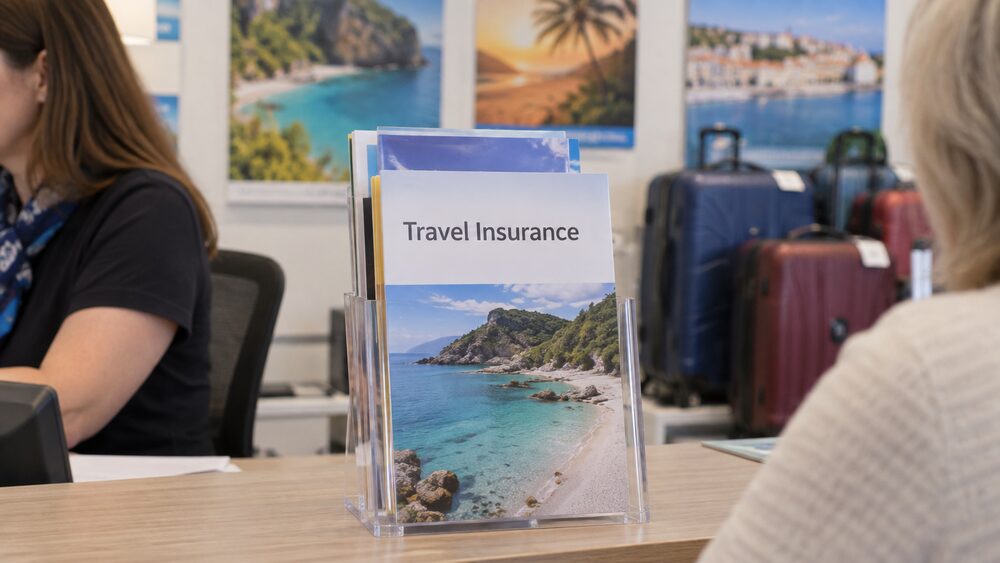
Travel insurance. The travel insurance in a packaged account is generally an ongoing rolling multi-trip policy that renews over a 12 month period13. That structure suits people who make several trips a year, because each trip is covered without arranging a new policy each time. Travel insurance typically covers medical cover, cancellation, baggage and personal belongings, personal liability and delays14. What it does not automatically do is fit the individual traveller: a standard policy may exclude pre-existing medical conditions or impose an age limit on claiming, and the FCA's rulebook requires that where a customer has reached, or will reach before the next annual statement, an age limit on claiming benefits under a travel insurance policy included in a packaged bank account, the firm must state this clearly and prominently in the statement and annually thereafter7. The dedicated guides to how travel insurance works and travel insurance with pre-existing medical conditions cover these points in more depth.
Breakdown cover. Several packaged bank accounts include breakdown cover15. Breakdown cover, sometimes called roadside assistance, is normally provided as an insurance policy and provides help if your vehicle breaks down16. It does not include picking up vehicles after road traffic accidents, which is the responsibility of motor insurers or repairers16. The important distinction is between cover that attaches to a vehicle and cover that attaches to a person: when breakdown cover is added to a car insurance policy, most car insurers offer only vehicle cover, so only the insured vehicle is covered, though policies can cover up to five named drivers15. Packaged account breakdown cover can be structured either way, so the policy wording has to be read to know whose car is protected.
Mobile phone cover. Mobile phone and gadget insurance usually protects against accidental loss, accidental damage and theft17. Most mobile phone insurance policies also cover unauthorised calls, phone accessories, protection abroad, and downloads such as apps, games, music and other valuable content18. The cover pays for repairing or replacing the phone itself; some policies may cover the cost of replacing apps and music, but there is often no way to recover the cost of lost photos, messages or contacts18. If you have contents insurance, you may also be able to cover your mobile phone by adding personal possessions cover to that policy instead1.
Alongside the insurance, some packages include non-insurance benefits. Roadside assistance and preferential overdraft or loan rates appear in ombudsman case studies3, and the Lloyds Gold account offered travel insurance and breakdown cover for its fee6.
The monthly fee pays for the insurance
The fee is what turns an ordinary current account into a packaged one, and it is charged regardless of use. In the ombudsman's case study of Amos, he had been paying hundreds of pounds every year in packaged bank account fees for an account whose benefits he never used3. In the Lloyds example reported by Which?, customers had been paying £14.95 a month for the Gold account, which offered travel insurance and breakdown cover6.
Because the fee is charged monthly, it is easy to lose sight of the annual cost. A fee quoted as a small monthly amount is a much larger sum over a year, and over the years a customer keeps the account. The ombudsman's case studies show exactly this pattern: fees paid year after year for benefits that were never claimed on3.
It is worth being clear about what the fee is for. The insurance inside a packaged account is not free cover thrown in by the bank; the fee is the premium, bundled with a charge for the other benefits and the account itself. That means the right comparison is not "fee versus nothing" but "fee versus the cost of buying the same cover separately", which the next section covers. It also means that if you could never have used the insurance, for example because an age limit or a medical exclusion meant you could never claim, the fee may as well have been money thrown away. The ombudsman has upheld complaints on precisely that basis4.
If you are weighing the fee against buying insurance monthly elsewhere, the guide to paying monthly for insurance explains how insurers charge for instalments, and how insurance premiums are worked out explains what drives the price of a policy.
Packaged or standalone cover: comparing what you get
The choice is between one fee that buys a fixed bundle and separate policies you choose and pay for individually. Each has advantages depending on circumstances.
A packaged account tends to suit someone who would buy most of the bundle anyway: a person who travels several times a year, drives a car, and carries a phone could find the monthly fee less than the combined cost of separate annual travel, breakdown and gadget policies. The rolling multi-trip travel policy13 and the convenience of having cover in place without renewing it are genuine benefits of the package.
Standalone cover tends to suit someone whose needs do not match the bundle. The weaknesses of the package are the mirror image of its strengths:
- The cover is fixed. Insurers will not always offer you every type of cover when you go directly to them19, and a packaged account is narrower still: you take the policies the bank has chosen or none of them.
- The fit is general. A standard travel policy may exclude a pre-existing condition or impose an age limit7, where a standalone policy can be shopped around for one that fits14.
- You pay for everything. The fee covers the whole bundle, so two unwanted benefits push up the cost of the one you want3.
- Cover may already exist elsewhere. Contents insurance can often cover a mobile phone if personal possessions cover is included1, and breakdown cover is also available as an add-on to car insurance or when purchasing a car16.
When comparing, look at the policy documents rather than the marketing: the exclusions, excesses and claim limits inside the packaged policies determine whether the bundle is cheaper or just smaller. Citizens Advice notes that information to help compare accounts may be provided in a summary box, which helps compare different accounts from different banks and building societies20. An insurance broker can also help compare what is available; brokers may speak to loss adjusters and claims departments on your behalf if you need to make a claim19, and the comparison of using a broker or buying direct sets out the trade-offs.
Checking the insurance fits you before you pay
The single most important step with a packaged account is checking that the insurance inside it would actually pay out for you. The bank is meant to send customers annual eligibility statements prompting them to check if the policies still fit their needs6. Treat that statement as a prompt to do four things:
- Read the policy wording for each insurance in the package, not the account summary. The wording states the exclusions, the age limits and the claim conditions.
- Check the age limits. Where a travel policy in a packaged account has an age limit on claiming, the firm must state this clearly and prominently in the annual statement and annually thereafter7. If you have passed the limit, the travel benefit is worthless to you even though the fee continues.
- Declare medical history. Insurers will check your answers with your GP when a protection policy is underwritten21, and for travel cover, pre-existing conditions must be declared or claims can be refused. Macmillan notes that with protection insurance there is usually a time limit to make a claim, and the insurer may ask for a letter from your doctor, a form, or a medical examination22.
- Check who and what is covered. Breakdown cover may cover a vehicle or a person15; mobile cover may or may not include everything you expect17.
If the check shows the cover no longer fits, the options are to downgrade to a standard account, to buy the missing cover separately, or to keep the account knowing exactly what it does and does not provide. A policyholder can cancel their policy and set up a new one with a different insurer whenever they want, even if a claim is ongoing, though the claim will affect their no-claims bonus23. The guide to cancelling insurance covers cooling-off periods, refunds and fees.
Where packaged account insurance may not cover you
Every insurance policy has exclusions, and packaged account policies are no different. The difference is that you did not choose them, so the gaps can catch you out.
Exclusions in the policies themselves. Travel cover may exclude pre-existing medical conditions or stop at an age limit7. Breakdown cover does not include picking up vehicles after road traffic accidents, which is the responsibility of motor insurers or repairers16. Mobile phone cover pays for the handset, and sometimes apps and music, but there is often no way to recover the cost of lost photos, messages or contacts18. On home insurance bundled with accounts, personal possessions cover, comprehensive accidental damage cover and home emergency cover may not be included as standard14.
Disclosure rules that differ for packaged accounts. The FCA's rulebook contains specific carve-outs for packaged bank accounts. One rule on demands and needs does not apply to policies bought in connection with other goods or services provided as part of a packaged bank account24. Rules on payment protection contracts also do not apply to payment protection contracts arranged as part of a packaged bank account, and guidance on demands and needs does not apply to payment protection or pure protection contracts included in one26. These carve-outs are one reason the ombudsman looks closely at how packaged accounts were sold.
Protection if the insurer fails. The Financial Services Compensation Scheme protects insurance customers when a firm fails. Its guidance gives an example of someone mis-sold an insurance policy who lost money and the firm failed, or a victim of fraud where the broker has gone out of business and cannot return premiums or money owed27. The Prudential Regulation Authority has consulted on whether the level of policyholder protection provided by the FSCS is appropriate in certain general insurance areas, including home insurance, motor insurance, private health insurance and travel insurance28. Note also that mutual insurers do not appear in the FSCS protection checker, except credit unions that can take deposits29. The guide to what happens if your insurer fails explains the protection in detail.
Making a claim on packaged account insurance
A claim on packaged account insurance is a claim on an insurance policy, and the process follows the same steps as any insurance claim. The account is with the bank, but the insurance is provided under a policy whose wording names the insurer.
There is usually a time limit to make a claim, so it is best to do it as soon as you can22. For a home claim, the advice is to contact your insurance company, tell them about the event and say you want to make a claim30. For travel claims connected to a package holiday, the protection depends on how the travel company safeguards the money: for package holidays that do not include a flight and are sold to customers in the UK, travel companies may provide a bond to ABTA or another DBT-approved organisation, take out a financial failure insurance policy, or deposit money in a trust account, and a claim under those arrangements must be submitted to the provider or trustees of the arrangement31.
Two points to keep in mind after a claim. First, insurers require all claims to be declared when shopping around for new cover or renewing a policy; some state this in their policy documents, and where it is not there, the insurer can be called and asked32. Second, if the insurer refuses the claim and that is believed to be wrong, the complaint goes to the insurer first; where the ombudsman finds insurance was mis-sold and the customer would not have gone ahead with the policy had it been sold correctly, it can tell the firm to refund premiums with interest, or to pay all or part of a claim8. Where the customer would have bought a different policy that would have covered their claim, the ombudsman would ask the insurer to pay the claim33. The guides to making a claim, why claims are rejected and complaining about an insurer cover each stage.
Mis-sold packaged accounts and where to get help
Mis-selling is the most common complaint about packaged accounts, and the ombudsman's case studies show the recurring patterns. In one, a consumer complained that a bank upgraded their account without permission2. In another, the customer felt he had wasted money on benefits he had never used, having paid hundreds of pounds every year in fees3. In a third, a consumer complained the packaged account was mis-sold because the benefits included were travel insurance and breakdown cover she did not need4, and in a fourth, the account's main benefits were travel insurance and roadside assistance that the customer could not use5.
The common thread is that the account was unsuitable for the person paying for it: the benefits could not be claimed on, were duplicated by cover the customer already had, or were added without the customer's knowledge. Where the ombudsman upholds such a complaint, the redress for a mis-sold insurance policy can include refunding premiums with interest, or paying all or part of a claim8.
If you believe your packaged account was mis-sold, the process is:
- Complain to the bank first, in writing, setting out when the account was opened or upgraded, what you were told, and why the benefits were unsuitable. Which? offers a free complaints tool for mis-sold packaged bank accounts6.
- Give the bank eight weeks, or wait for its final response. The guide to how long an insurer has to respond explains the timescales.
- Take it to the Financial Ombudsman Service if the bank rejects the complaint or does not respond. The ombudsman is free to use and can look at mis-sale complaints about the insurance in packaged accounts8.
- Consider whether the FSCS applies if the firm that sold the policy has failed. The FSCS can help where a customer was mis-sold an insurance policy and lost money and that firm failed27.
You do not need to pay anyone to complain. Claims management companies can help you make certain types of claims against financial services providers for a fee, such as claiming for mis-sold payment protection insurance34, but the ombudsman and the bank's complaints process are free. The guide to complaining about an insurer and the Financial Ombudsman Service covers the process in full.
If the outcome of a complaint is that you move off the packaged account, a standard current account is the alternative: basic bank accounts are a simplified form of current account10 with no monthly fee, into which wages, salary, benefits and tax credits can be paid directly, bills paid by direct debit and cash withdrawn from machines11. One caution from Citizens Advice Scotland: if you have an overdraft or other debts on your current account and you open a basic bank account at the same bank, the bank may use the money in the new basic account to pay off debts in the old overdrawn account, so consider opening one at a different bank if you get benefits, tax credit or state pension11. The current accounts guide covers the account types available.
Sources34 cited
- Mobile phone insurance: how to get the best cover Which?, 2025-08-05
- Consumer complains bank upgraded account without permission Financial Ombudsman Service, 2026-09-26
- Consumer feels he's wasted money on benefits he's never used Financial Ombudsman Service, 2026-09-26
- Consumer complains packaged bank account was mis-sold Financial Ombudsman Service, 2026-09-26
- Consumer complains account was mis-sold with benefits she didn't need Financial Ombudsman Service, 2026-09-26
- I think Lloyds mis-sold a packaged bank account: can I claim the money back? Which?, 2025-06-04
- FCA Handbook instrument 2012/75: ICOBS age limit rules for packaged bank accounts FCA, 2012-12-13
- Mobile phone and gadget insurance: how the FOS deals with complaints Financial Ombudsman Service, 2026-09-27
- Post Office banking services: oral evidence Parliament.uk, 2013-14
- Financial exclusion report: basic bank accounts Parliament.uk, 2017
- Getting a bank account (Scotland) Citizens Advice Scotland, 2026-09-26
- Payment protection insurance (PPI) Financial Ombudsman Service, 2026-09-26
- Travel insurance complaints the FOS can help with Financial Ombudsman Service, 2026-09-26
- Shopping around for insurance Independent Age, 2026-09-26
- Should you buy breakdown cover with your car insurance? Which?, 2025-01-30
- Vehicle breakdown cover complaints the FOS can help with Financial Ombudsman Service, 2022-05-25
- Mobile phone and gadget insurance complaints the FOS can help with Financial Ombudsman Service, 2026-09-27
- Gadget insurance: how to get the best cover Which?, 2025-08-05
- When to use an insurance broker MoneyHelper, 2026-09-25
- Getting a bank account Citizens Advice, 2026-09-25
- Types of life insurance policy Which?, 2025-05-16
- Protection insurance and cancer Macmillan Cancer Support, 2023-09-01
- Fault claims and no claims bonuses Financial Ombudsman Service, 2026-09-16
- ICOBS 6.1.13: demands and needs FCA Handbook, 2026
- ICOBS 6: packaged bank account carve-outs FCA Handbook, 2026
- FCA Handbook instrument 2012/37: ICOBS rules on payment protection contracts FCA, 2012-07-26
- FSCS protected: website leaflet FSCS, 2025-11
- FSCS general insurance limit review Bank of England, 2023-11-02
- FSCS protection checker: firms it cannot find FSCS, 2026-09-25
- After a flood: making an insurance claim nidirect, 2024-08-29
- Is my money protected? ABTA, 2026
- Will claiming for a chipped windscreen make my car insurance cost more? Which?, 2026-03-02
- Mis-sold travel insurance: how the FOS deals with complaints Financial Ombudsman Service, 2026-09-26
- Complain about a claims management company GOV.UK, 2026-09-26


 MoneyHelperFree, impartial money and pensions guidance, set up by government
 Financial Ombudsman ServiceFree, independent help when a complaint about a firm is not put right
 FSCSProtects your money if a bank, insurer or investment firm fails
 Citizens AdviceFree advice on money, consumer and legal problems in England and Wales
 GOV.UKOfficial information on tax, benefits and government services