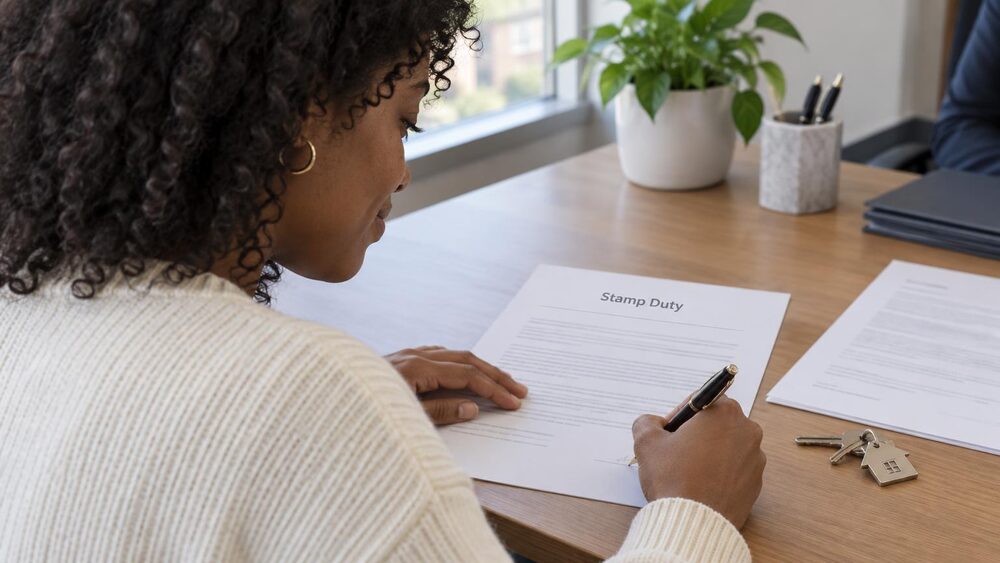
Stamp Duty Land Tax is a tax on buying a property, and it applies in England and Northern Ireland only1. On a £300,000 home, a buyer who already owns property, or who is buying a second home, pays £5,000. A first-time buyer pays nothing at that price, because the first £300,000 of the price is exempt for people who have never owned a home2.
Stamp Duty Land Tax is a tax on buying a property, and it applies in England and Northern Ireland only1. On a £300,000 home, a buyer who already owns property, or who is buying a second home, pays £5,000. A first-time buyer pays nothing at that price, because the first £300,000 of the price is exempt for people who have never owned a home2.
The tax is charged in bands on the part of the price that falls in each band, not as a flat percentage of the whole. For a standard residential purchase in England and Northern Ireland, the first £125,000 is untaxed, the portion from £125,001 to £250,000 is taxed at 2%, and the portion from £250,001 to £925,000 is taxed at 5%2. On a £300,000 purchase that produces £5,000: nothing on the first £125,000, 2% on the next £125,000, and 5% on the final £50,000.
Scotland and Wales run their own property taxes instead, so a buyer in Glasgow or Cardiff is not paying Stamp Duty at all. The figures below are for England and Northern Ireland unless stated.
Stamp Duty on a £300,000 home: £5,000 for most buyers
The £5,000 figure comes from the band structure rather than a single rate. HMRC's published rates from 1 April 2025 put 2% on the portion of a residential price between £125,001 and £250,000, and 5% on the portion between £250,001 and £925,0002. A £300,000 purchase therefore has £125,000 taxed at 2% and £50,000 taxed at 5%.
For context, the average UK house price was £273,000 in July 2026, according to the UK House Price Index, with annual growth of 1.4%8. A £300,000 home sits a little above that average, and the tax bill on it is close to the £4,600 that independent guidance calculates for a house at the average UK price of £292,000 in England or Northern Ireland9.
Two things move the number. The first is who is buying. The second is whether the buyer already owns property somewhere. A buyer replacing a main home pays the standard rates. A buyer keeping a previous home, or buying a property to let, pays more.
It is worth knowing that the tax is not the only cost of moving. Independent guidance puts the total cost of buying and selling an averagely priced property at £4,600 in Stamp Duty alone, before legal fees, surveys and removals6. Budgeting for the tax as a separate line, rather than folding it into the deposit, avoids a shortfall at completion.
First-time buyers: nothing to pay at £300,000
First-time buyer relief exempts the first £300,000 of the price, provided the total purchase price does not exceed £500,0003. At exactly £300,000, that means no Stamp Duty at all. A first-time buyer purchasing a house at the average UK price of £292,000 also pays zero9.
Above £300,000 the relief tapers rather than disappearing. For homes priced between £300,001 and £500,000, a first-time buyer pays 5% on the part above £300,00010. So a £350,000 first home carries £2,500, and a £400,000 first home carries £5,000. Above £500,000 the relief is not available at all, and the standard bands apply to the whole price3.
The eligibility rules are strict in one respect that catches couples. To qualify for first-time buyer relief in England and Northern Ireland, all purchasers must be first-time buyers11. If one buyer has owned a home before, the purchase is treated as a standard one and the relief is lost for both.
Second homes and buy-to-let: the 5% surcharge on top
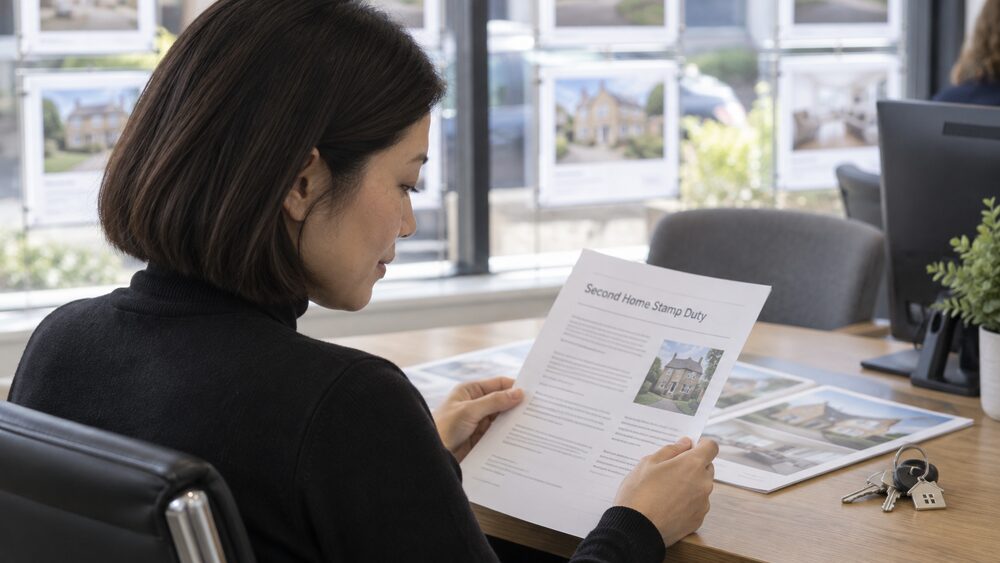
In England and Northern Ireland there is a 5% Stamp Duty surcharge on buy-to-let, holiday or second homes4. The surcharge is added to each band rather than charged once on the total, which is why the bill rises faster than the headline suggests.
The higher-rate bands in the legislation run at 5% on the portion up to £125,000, 7% on the portion from £125,001 to £250,000, 10% on the portion from £250,001 to £925,000, and 15% on the portion from £925,000 to £1,500,00013. Independent guidance sets out the same structure for buy-to-let, with 5% on the £0 to £125,000 band and 7% on the £125,001 to £250,000 band4.
On a £300,000 second home, that produces a materially larger bill than the £5,000 a home mover pays. Independent guidance calculates £19,200 in Stamp Duty on an additional property at £292,000, against £4,600 for the same price as a main home9.
There is a further surcharge for buyers based overseas. Independent guidance states that overseas residents buying an investment property pay 7% more than the standard rates for UK home movers, on top of the 5% buy-to-let surcharge7. The rules on who counts as non-resident are detailed, and the surcharge interacts with the higher rates rather than replacing them.
Paying it: the 14-day deadline and penalties for missing it
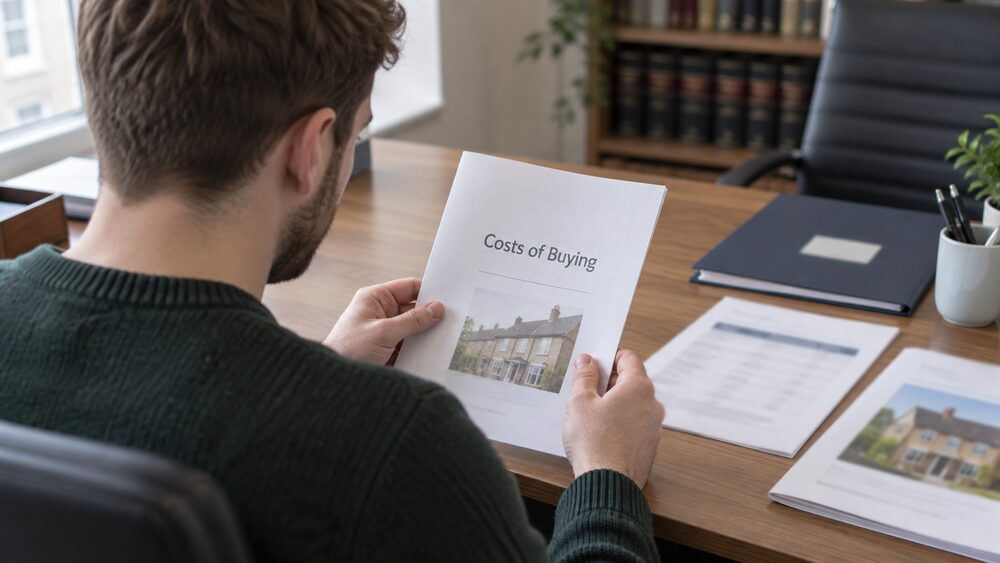
Stamp Duty must be paid within 14 days of completion, and it is usually handled by the solicitor6. HMRC's own guidance is that the return and any tax must be sent within 14 days of the effective date of the transaction5. The tax is payable at the point of completion14.
The practical arrangement is that the buyer pays the solicitor or conveyancer, who pays HMRC15. But the legal responsibility stays with the buyer. Your solicitor will usually arrange the payment, often before completion, but it remains the buyer's legal responsibility to ensure the tax is paid16.
A return is needed even when nothing is owed. HMRC guidance says a buyer may still need to send a return even if exempt from paying, and should file even if no Stamp Duty is due17. Filing produces an 11-character unique transaction reference number, which is needed to register the ownership17.
If a refund is due, HMRC pays it to the buyer unless the buyer gives permission for it to go to someone else, such as a solicitor or agent19.
Scotland and Wales use different taxes
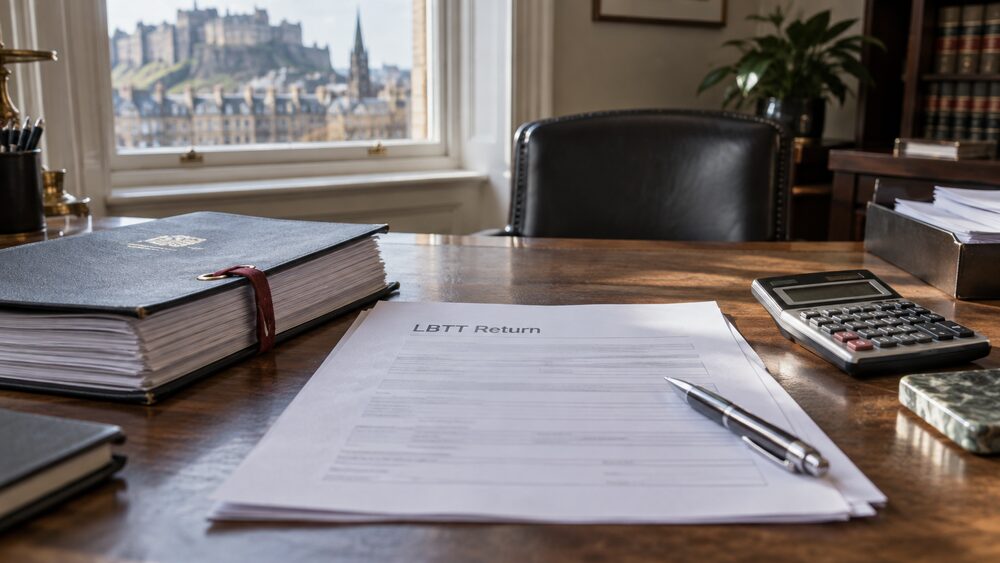
Stamp Duty costs are different in Scotland and Wales6. Scotland charges Land and Buildings Transaction Tax, and Wales charges Land Transaction Tax, which replaced Stamp Duty Land Tax on residential and non-residential property and land interests from 1 April 20187.
The revenue data reflects the split. Official methodology notes that Stamp Duty Land Tax revenues cover England and Northern Ireland, Land and Buildings Transaction Tax revenues for Scotland come from Revenue Scotland, and Land Transaction Tax revenues for Wales come from the Welsh Government21.
In Wales, Stamp Duty is payable on a non-residential property purchase over £225,00022. Independent research puts the average Stamp Duty bill for a home mover in Wales at £1,680 on an average property price of £253,00023.
For anyone buying north of the border, the practical point is that the tax, the bands and the reliefs are set by the Scottish Government, and the return goes to Revenue Scotland rather than HMRC. The same applies in Wales, where the return goes to the Welsh Revenue Authority. A buyer moving between nations should not assume the English figures travel with them.
Where to get help and what to check
The tax is one line in a much larger budget. Independent guidance on the costs of buying a house sets out the full picture, including legal fees, surveys and removals, and is worth reading alongside the tax rules15. The costs of buying a house page covers those in more detail.
If the numbers are tight, free and impartial help is available. MoneyHelper offers guidance on mortgages and buying a home, and debt advice charities can help where existing debts are making a purchase unaffordable. StepChange, for example, explains the options where creditors are pursuing payment24.
For the underlying rules, the Stamp Duty Land Tax page covers the England and Northern Ireland system, Stamp Duty first-time buyer relief covers the relief in detail, and Stamp Duty higher rates on second homes and additional properties covers the surcharge. Buyers in Scotland should start with Land and Buildings Transaction Tax, and buyers in Wales with Land Transaction Tax.
Sources24 cited
- Stamp Duty Land Tax House of Commons Library, 2026
- Budget 2025: rates and allowances GOV.UK, 2025-12-05
- Review of Land and Buildings Transaction Tax Scottish Government, 2026-03
- Buy-to-let Stamp Duty Which?, 2026-05-14
- How to send a Stamp Duty Land Tax return GOV.UK, 2026-06-26
- Cost of moving calculator HomeOwners Alliance, 2026-06-11
- Tax on overseas property Which?, 2026-04-06
- UK House Price Index for July 2026 GOV.UK, 2026-09-16
- Cost of buying house calculator HomeOwners Alliance, 2026-06-11
- First-time buyer guide Nationwide, 2026
- First-time buyers The Nottingham, 2026-09-26
- Homebuying reforms Which?, 2025-10-06
- Stamp Duty Land Tax higher rates for additional dwellings legislation.gov.uk, 2026
- Home buying and selling jargon HomeOwners Alliance, 2026-07-31
- Costs of buying a house Yorkshire Building Society, 2026-09-25
- Everything you need to know about Stamp Duty Newcastle Building Society, 2026-09-26
- What is Stamp Duty Land Tax Experian, 2026
- First-time buyer Stamp Duty Lloyds Bank, 2026-09-27
- Apply for a refund of Stamp Duty Land Tax GOV.UK, 2026-06-26
- Land Transaction Tax StatsWales, 2026-09-28
- Calculating the Household Costs Indices Office for National Statistics, 2026-05-28
- Paying Stamp Duty NatWest, 2026-09-25
- The most unexpected moving costs Which?, 2025-11-02
- Creditors making you bankrupt StepChange, 2026-09-25




 MoneyHelperFree, impartial money and pensions guidance, set up by government
 Citizens AdviceFree advice on money, consumer and legal problems in England and Wales
 ShelterFree housing advice from a charity
 GOV.UKOfficial information on tax, benefits and government services
 Financial Ombudsman ServiceFree, independent help when a complaint about a firm is not put right