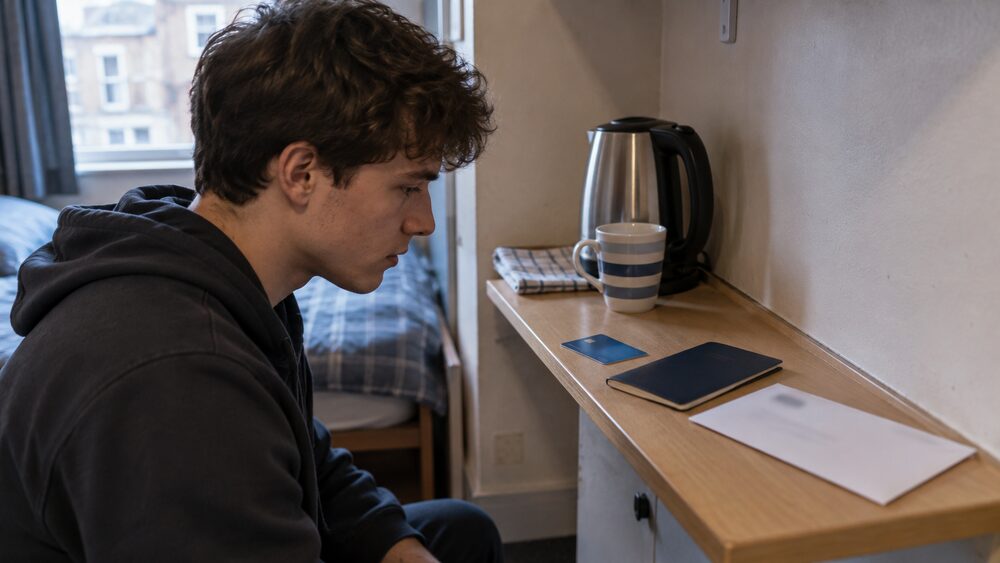
Yes, in most cases. A bank will normally ask for two separate documents: one proving who you are, such as a passport or driving licence, and one proving where you live, such as a recent bill1. If you cannot produce the second one, the account is not automatically closed to you. Basic bank accounts do not involve a credit check, and some banks run schemes for people with no fixed address that use a local homeless charity to confirm identity3.
What changes is the evidence, not the requirement. Banks still have to satisfy themselves about who you are, so the question becomes what they will accept instead of a utility bill. MoneyHelper's guidance is to ask the bank what it will take before you apply, because the list varies by bank and by branch3. Some banks accept a letter from a responsible person such as a GP, teacher, social worker or probation officer1.
The rest of this page sets out which accounts are designed for people without the usual paperwork, what documents banks commonly accept instead, how identity checks still work, and where to get free help if you are refused.
Basic bank accounts: what to do if you lack the usual documents
A basic bank account is the standard route for someone who cannot meet the requirements of a normal current account. It is designed for customers who are legally resident in the United Kingdom and do not have a bank account, or who are not eligible for a standard current account6. It is also open to people who may not otherwise meet the minimum requirements because they have no credit history or a poor one7.
The practical advantage is that a basic bank account does not involve a credit check3. That matters for people who have had debts in the past and found it difficult to open a current account: a basic bank account is still available to them because it does not involve a credit check8. Basic bank accounts are open to people on a low income or with a poor credit history who think they might have trouble opening a bank account9.
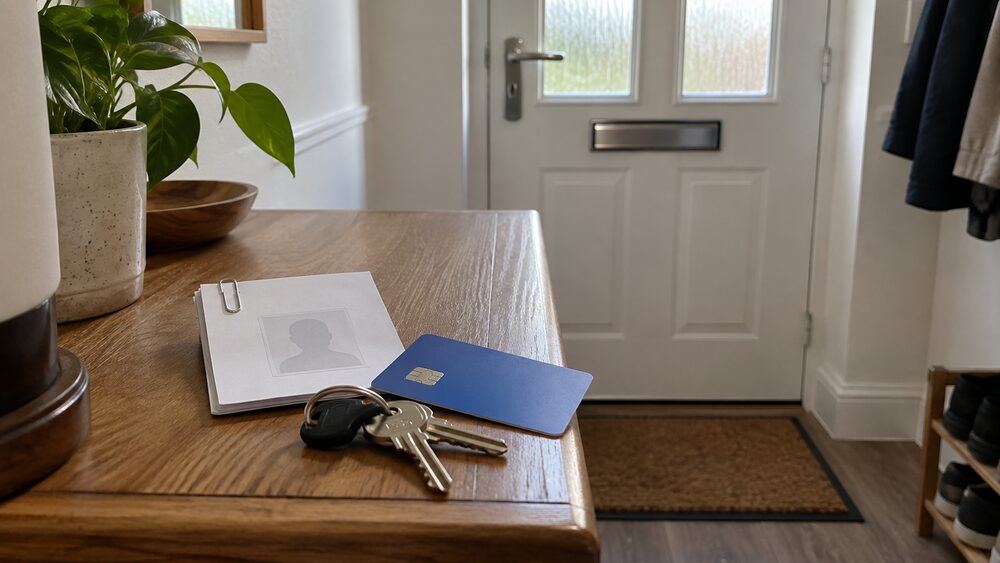
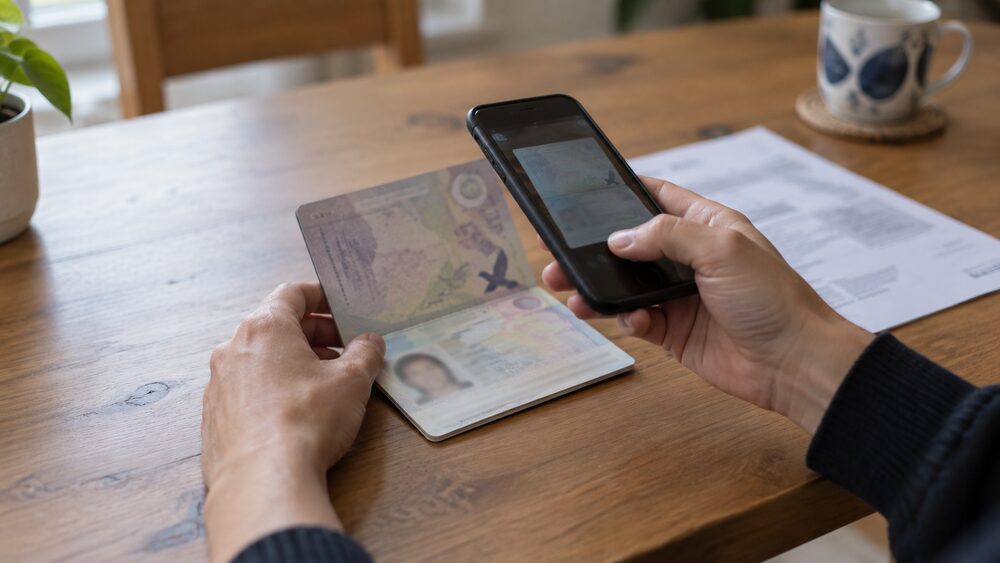
The documents are the sticking point. When opening an account you will need to show proof of who you are and your address, and if you do not have the right documents, the guidance is to ask the bank what it will accept instead9. Most banks will ask for a driving licence or passport to prove your identity, or a photo of these if you are applying online, often with a selfie3. For the address side, banks commonly accept letters from the DWP, HMRC, JobCentre+, your local council, a GP, a minister of religion, a social landlord, an armed services officer, a warden, a care home manager, an employer, a college or a training provider3.
If you cannot produce any of those, a letter from a responsible person such as a GP, teacher, social worker or probation officer is sometimes accepted in place of the usual documents1. The application itself is usually a form filled in at a branch, online, or sometimes over the phone1.
Accounts that do not require verified proof of address
A small number of accounts are built around not asking for the usual address documents. Suits Me states that no verified proof of address is required, subject to anti-money-laundering requirements at account opening10. Monese states that it does not ask for documents to prove your address, credit history or income to open an account11, and describes its foreign currency account as a no-proof-of-address account where utility bills are not required12.
Some online banks offer a current account where you do not need proof of address4. Prepaid cards are another option: there is no need for a credit check to get one13. Postal orders are a way to send and receive money with no need for a bank account or to share your financial details at all14.
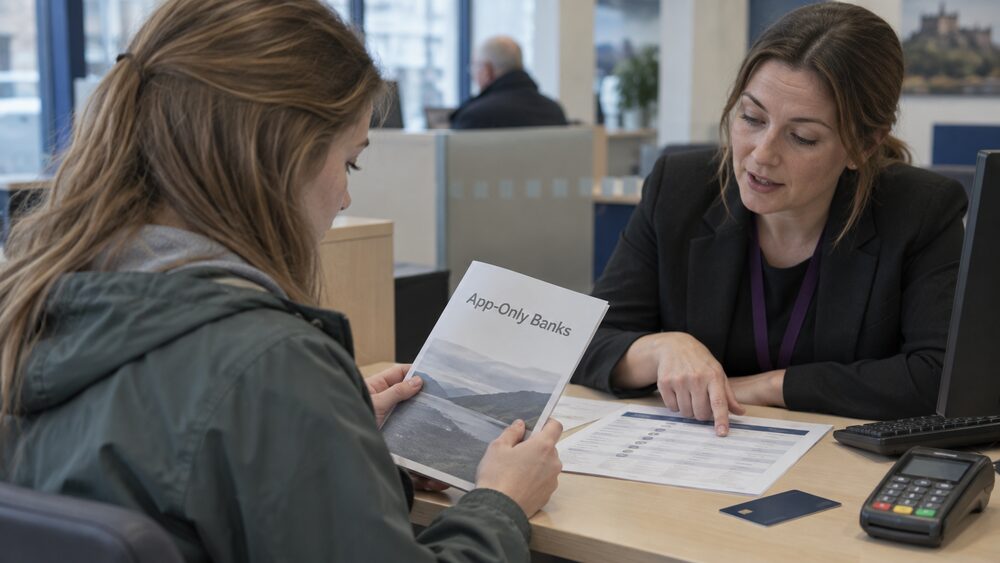
These accounts are not identical to a high street current account, and the terms come from the providers themselves rather than from a regulator. What they share is a different approach to verifying the customer: instead of an address document, they lean on other checks. If you are weighing one against a basic bank account, the basic bank accounts explained page sets out how the mainstream version works, and digital and app-only banks explained covers how the app-based model differs.
| Route | Address document needed | Credit check |
|---|---|---|
| Basic bank account | Usually yes, but alternatives often accepted3 | No3 |
| No-fixed-address scheme | No, charity confirms identity4 | No3 |
| App-based account | Provider states none required11 | Provider states none5 |
| Prepaid card | Varies | No13 |
No credit check and no fixed income: how app-based accounts differ
App-based accounts compete on speed and on asking for less. Monese states that you can open an account with no credit checks, proof of address or a fixed income5. That combination matters if you are between jobs, newly arrived, or paid in cash and unable to show a payslip.
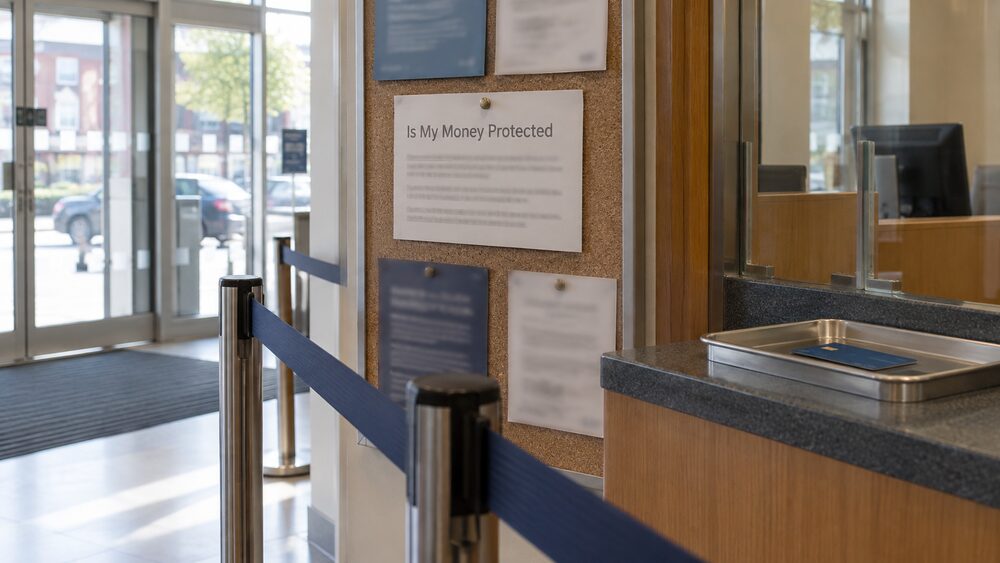
The trade-off is what the account is. A basic bank account is a regulated product with rules about closure and eligibility attached6. An app-based account may be an e-money account rather than a bank account, which affects what happens if the firm fails. The FSCS and e-money accounts page explains where protection applies and where it stops.
There is also a practical difference in how you use it. Some accounts are managed online or through mobile banking rather than over a counter, which suits someone who wants to open an account from a phone but is harder if you need to pay in cash regularly. If you are claiming benefits, you do not need a fixed address or a bank account to claim15, though having an account makes receiving payments simpler. MoneyHelper's guidance on choosing an account for Universal Credit payments covers what to look for16.
One point that catches people out: an account can be open even if nothing has moved through it. A basic bank account is considered open even if no transactions have taken place, and it is still considered open if a decision has been taken to close it but it has not yet been closed6. If you are opening an account to receive a payment, that distinction can matter.
Identity checks still apply even without proof of address
Dropping the address document does not drop the identity check. Banks are required to know who their customers are, and the checks are the reason some applications fail. A basic bank account does not require you to pass a credit check, but banks use a credit check to confirm your identity3. That is the part people miss: the check is not about whether you are good with money, it is about whether the bank can satisfy itself that you are who you say you are.
Firms must publish information about whether it is possible to open an account without visiting a branch, without an appointment where a branch visit is required, on the basis of documents and information supplied in electronic form, and by post17. The same requirement appears in the FCA's banking conduct rules, which set out that firms must state whether an account can be opened without visiting a branch, without an appointment where a branch visit is required, by sending documents electronically, and by post, each answered yes, no or in some cases18. In practice this means you can find out before you travel whether a branch visit is avoidable.
If you do not have photo ID, a bank might accept a letter from a college, hostel or refuge that confirms who you are4. Alternative documents such as a letter from a refuge, social worker or local authority are sometimes accepted19. If you are opening an account after leaving an abusive relationship, banks can accept alternative documents and there is specific guidance on opening a new account safely19.
"You usually have to show the bank two separate documents that prove who you are"
What documents can I use instead of a utility bill?
The list of acceptable address documents is longer than most people expect. MoneyHelper advises checking whether the bank will accept other recent documents, typically under three months old, such as a Council Tax bill, a utility bill, a bank or building society statement, a credit card statement, an HMRC letter or tax statement, a mortgage statement, a tenancy agreement, a benefit or state pension statement, or a letter from your employer, college or training provider21.
If you are new to the UK, banks may accept a letter from a university or employer as proof of address22. Other guidance lists one or two of a recent utility bill, a rental contract, or a benefits or state pension letter issued within the past 12 months22. A recent gas or electricity bill or a TV licence is commonly accepted22.
Documents usually accepted by most banks include a bank, building society or credit card statement issued within the last three months, including where you are a joint account holder; a UK utility bill for gas, electricity, water or a telephone landline issued within the last three months; a UK, EU or EEA mortgage statement issued within the last 12 months; and a tenancy agreement from a local council or housing association issued within the last 12 months20.
Some banks publish their own lists. Newcastle Building Society says that if you are not registered on the electoral register it will require proof of residence, and that any utility bill, council tax bill, bank statement or mortgage statement is acceptable23. AIB's student account asks for identification such as a passport and proof of address such as a parent's or guardian's electricity bill24. First direct asks for proof of identity and proof of address, and in some cases proof of income25. HSBC asks for proof of identity and proof of address to complete an application26.
| Document | Typical age limit |
|---|---|
| Bank, building society or credit card statement | 3 months20 |
| UK utility bill (gas, electricity, water, landline) | 3 months20 |
| Council Tax bill | Recent21 |
| Mortgage statement (UK, EU or EEA) | 12 months20 |
| Tenancy agreement (council or housing association) | 12 months20 |
| Benefits or state pension letter | 12 months22 |
Can I open a basic bank account if I am homeless?
A basic bank account is available to people who are homeless4. Some banks have special schemes for people with no fixed address, and work with a local homeless charity to help confirm identity3. Banks that offer these accounts ask a local homeless charity or organisation to confirm your identity4.
In Scotland, it may be possible to open a bank account without a permanent address27. The rules on who counts as eligible for an account with basic features include consumers with no fixed address, asylum seekers, and consumers who have not been granted a residence permit but whose expulsion is impossible for legal or practical reasons7.
One bank's scheme is documented: HSBC offers a No Fixed Address Account, which provides essential banking features such as receiving payments, paying bills and setting up standing orders or Direct Debits, managed online or through mobile banking8. TSB's Basic Account is not part of the Shelter partnership; it requires ID but says it will offer other forms of proof of address, most often needing assistance from a homeless charity8.
If you already have an account, homelessness alone is not a reason for it to be closed. Your bank cannot close your account or cancel your card just because you are homeless28. You might need to apply for a new account if your account was closed, you cannot access your current bank account, or you need your own account after a relationship breakdown or domestic abuse28.
Does opening an account without proof of address affect my credit score?
Your street address does not affect your credit score30. That is the direct answer, and it surprises people: only about a quarter of people who responded to a survey knew that your street address does not affect your score30.
What does affect it is whether a lender can confirm your identity. If it cannot, this then affects your credit score, as it cannot confirm your identity and you become more of a risk31. That is a different mechanism from the address itself. A basic bank account does not involve a credit check, so opening one does not depend on your credit history and does not damage it3.
On the other side of the ledger, showing that you can manage credit accounts, for example a loan or a credit card, could help you to boost your credit score32. If you are worried about your file, the credit scores and credit reports section explains how to check it and what appears on it. Identity theft is worth watching for: one sign is that your credit rating goes down even though you have not missed any payments or do not have an account in arrears33.
Getting help if a bank turns you down
A bank or building society can refuse to open an account for you, and does not always have to give you a reason2. If a basic bank account is refused, the bank should tell you why you have been turned down34. The reasons a bank can give include not agreeing to a credit check, failing the ID check, suspected unlawful or fraudulent use, or being threatening, abusive or violent towards staff; the reason must be given unless the bank suspects fraud or money laundering3.
Some refusals are about status rather than documents. If you are bankrupt or have a record of fraud, you will not usually be allowed to open a bank account1. You may be refused a current account with a poor credit rating, but you may be able to open a basic bank account1. Failing an identity check or an immigration check, or bank suspicion of fraud or financial crime, are also grounds for refusal35.
Where to get free, impartial help:
- Citizens Advice gives guidance on getting a bank account and what to do if you are refused2.
- Shelter covers opening an account when you are homeless and keeping an account when your circumstances change4.
- MoneyHelper explains basic bank accounts and how to open, switch or close an account3.
- If you are managing money for someone else, the guidance on dealing with banks sets out the proof of your name and address, evidence of your authority to act, and proof of the account holder's name and address that a bank will ask for36.
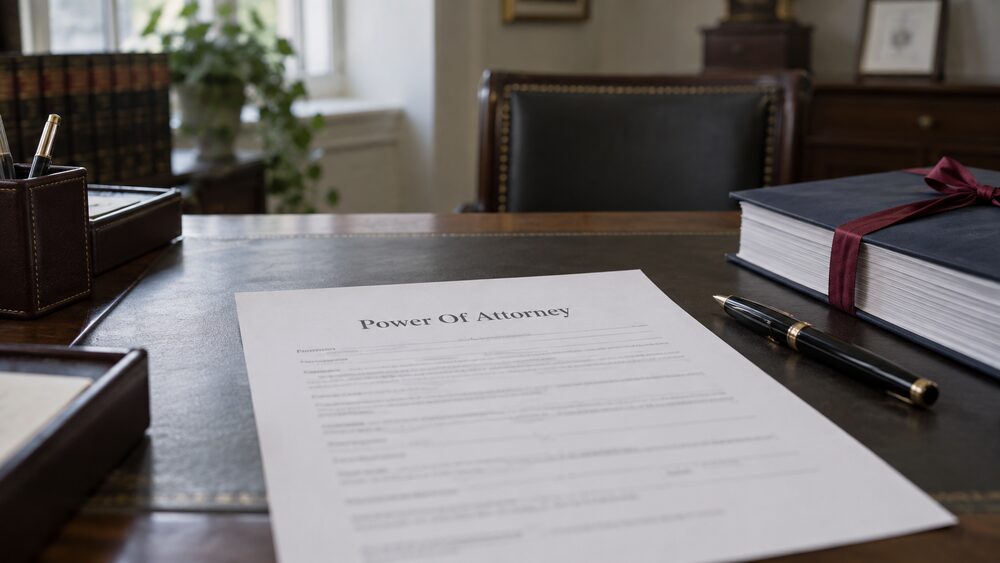
If you are opening an account in someone else's name or adding a person to yours, the requirements differ. Bank of Ireland says you do not need to send proof of identification and address at the time of setting up a third party mandate, and that it will ask for it later if needed37. Metro Bank says no ID is needed if the person being added already banks with it, while anyone who does not already bank with it will need ID and proof of address38. The power of attorney and third party access page covers how these arrangements work.
Sources38 cited
- Getting a bank account Citizens Advice, 2026-09-25
- How to open a bank account Shelter England, 2024-07-16
- Basic bank accounts MoneyHelper, 2026-09-25
- How to open, switch or close your bank account MoneyHelper, 2026-09-25
- Instant account Monese, 2026
- Basic bank accounts: July 2023 to June 2024 HM Treasury, 2025-11-05
- The Payment Accounts Regulations 2015 legislation.gov.uk, 2015-12-15
- Banks join scheme to help homeless people open bank accounts Which?, 2025-11-14
- Make your money easier to manage by yourself MoneyHelper, 2026-09-25
- Suits Me card Grampian Credit Union, 2025-12-12
- Joint account Monese, 2026
- Foreign nationals Monese, 2026
- Spending abroad: the 4 dos and 5 don'ts Which?, 2024-07-26
- Postal orders Post Office, 2026
- Claiming benefits when homeless on the streets Shelter England, 2025-10-01
- Choosing a bank account for your Universal Credit payment MoneyHelper, 2026-09-25
- BCOBS 7 Annex 1 FCA Handbook, 2020-04-06
- BCOBS 7.3: how an account may be opened FCA Handbook, 2017-12-07
- Opening a new bank account safely Surviving Economic Abuse, 2023-11
- How banks can help Surviving Economic Abuse, 2023-11
- How to open a bank account online Which?, 2026-04-23
- Evidence requirements Entitledto, 2026-09-26
- General mortgage FAQs Newcastle Building Society, 2026-09-26
- Student 12 to 18 account AIB (NI), 2026
- What do you need to open a bank account? first direct, 2026
- What do you need to open a current account? HSBC UK, 2026
- Benefits and working Shelter Scotland, 2024-03-27
- Keeping a bank account Shelter England, 2025-01-23
- Waiting for a Housing Benefit or Council Tax Reduction claim to be processed Shelter Cymru, 2026-08-26
- Eight myths around your credit score debunked Which?, 2019-05-24
- Why can't I get a 0% interest credit card? Debt Advice Foundation, 2016-02-29
- Will my credit score suffer because I don't have a mortgage? Ulster Bank, 2026-09-25
- Identity theft Information Commissioner's Office, 2026-09-25
- Basic bank accounts Advice NI, 2026
- Basic bank accounts with no credit check Shelter England, 2025-03-27
- Manage a bank account for someone else GOV.UK, 2023-05-02
- Help managing your money Bank of Ireland UK, 2026-09-25
- Third party access Metro Bank, 2026-09-25
 MoneyHelperFree, impartial money and pensions guidance, set up by government
 FSCSProtects your money if a bank, insurer or investment firm fails
 Financial Ombudsman ServiceFree, independent help when a complaint about a firm is not put right
 Citizens AdviceFree advice on money, consumer and legal problems in England and Wales