
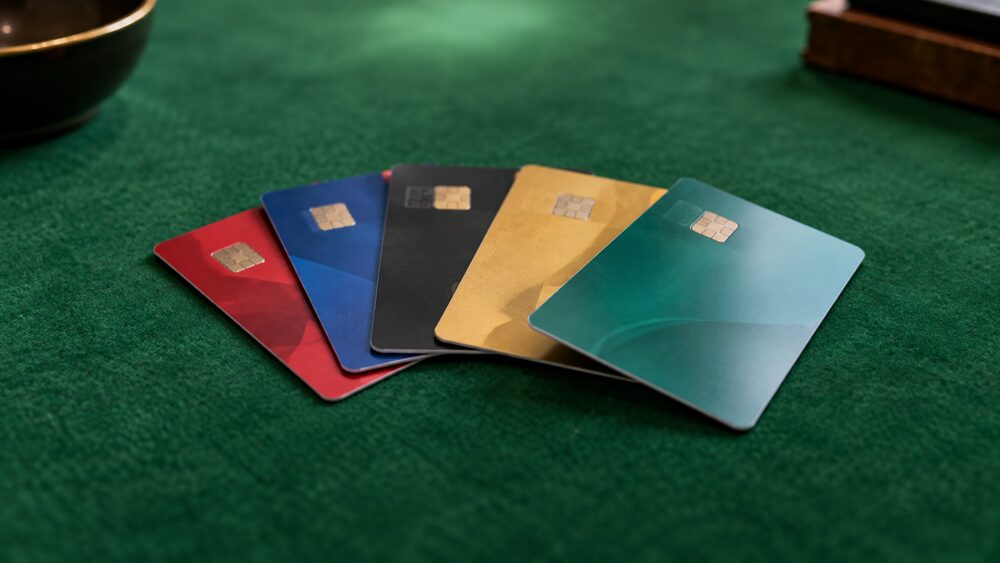
A charge card and a credit card are both payment cards you can use to pay for goods and services, but they work in fundamentally different ways. The key difference is what happens at the end of the month. With a charge card, the amount you borrow has to be paid off in full at the end of the agreed period, usually each month, and interest is not charged on the amount you borrow1. With a credit card, you can carry a balance and repay over time, but if you do not pay off the full amount each month interest is charged on the whole lot, not just the unpaid amount2.
That single rule shapes everything else: the fees, the spending limits, the protection you get if something goes wrong, and what happens if you miss a payment. Charge cards are less common on the UK high street than they once were, and one well-known example, the M&S Chargecard, closed on 22 July 20243. Credit cards remain the mainstream borrowing product, with the effective rate on interest-charging credit cards at 21.20% in April 2026, down from 21.63% in March4.
This page sets out how each type works, what each costs, who can get one, and what protects you when a purchase goes wrong.
What a charge card is and what a credit card is
A payment card is a card that can be used to withdraw money or pay for goods and services, for example a debit card, credit card, or prepaid card (a card pre-loaded with funds)6. Charge cards sit within that family but have their own repayment rule.
The defining feature of a charge card is the repayment term. The amount you borrow has to be paid off in full at the end of the agreed period, usually each month, and interest is not charged on the amount you borrow1. There is no revolving balance in the way a credit card has one. The card is a payment tool with a settlement date, not a borrowing facility you can spread over months.
A credit card works differently. If you pay off the whole amount owed on the card by the due date, you will not be charged interest on your purchases7. Most credit cards offer an interest-free period on what you have bought if you pay off your bill in full8. If you do not pay it off, you may be charged interest on the amount outstanding1.
Store cards are a related product. They work in the same way as credit cards but often charge higher rates of interest and can only be used to pay for goods in that chain of shops2. A prepaid card is another alternative: it works in the same way as a credit card, the main difference being that you can only ever spend what you have put on to it1.
Paying the balance: in full each month or over time
The repayment rule is where the two products diverge most sharply, and it drives the cost of each.
With a charge card, the amount borrowed has to be paid off in full at the end of the agreed period, usually each month1. There is no minimum payment option in the way a credit card has one. If you clear the balance, you pay nothing extra. If you do not, the consequences are different from a credit card, because the product was not designed to carry debt.
With a credit card, there is a choice. If you pay off the whole amount owed on the card by the due date, you will not be charged interest on your purchases7. Provided you pay the bill in full and on time each month, you will not be charged interest9. If you do not pay it off, you may be charged interest on the amount outstanding1. Paying off your credit card in full can save you money in interest and charges10.
The cost of carrying a balance can be substantial. Repaying the full balance of a high interest credit card can cost more than 100% of the amount borrowed11. A credit card repayment calculator can work out how long it will take you to repay in full the balance on your credit card, and what the total cost will be12.
Cash withdrawals behave differently again. On a credit card, cash transactions will always charge interest, usually charged immediately, even if you repay your balance in full13. The interest rate for cash advances is usually higher than the interest rate for purchases3.
Interest, fees and charges on each type
Charge cards do not charge interest on the amount borrowed, because the balance is expected to be cleared each month1. That does not make them free. A charge card can carry an annual fee, and the cost of failing to clear the balance falls into charges rather than interest.
Credit cards charge interest when a balance is carried. The amount of interest varies between providers1. Different rates can apply to purchases, balance transfers, money transfers and cash transactions14. The effective rate on interest-charging credit cards decreased in April 2026 to 21.20%, from 21.63% in March4.
Beyond interest, credit cards carry a range of charges. You will usually be charged for going over your credit limit, for using the card abroad and for late payments15. Spending just £5 with a card that charges fees could set you back £1.15, an additional 23%16. Student credit cards illustrate how foreign transaction fees vary: all charge 2.75% per transaction, while HSBC charges 2.99%17.
There are rules that limit some charges. From 13 January 2018, you cannot be charged extra for using a credit or debit card3. Charges of more than £12 for missing a credit card repayment may be seen as unfair3. You can also still be charged if you are using a business card7.
Spending limits and who can get each card
The two products are assessed differently, and that shapes who tends to hold each one.
Credit cards come with a credit limit. Some credit cards have a credit limit, meaning you will be charged if you go over it14. The limit is set by the provider based on your circumstances, and going over it triggers a fee15. A credit card application is assessed on your credit history and affordability, and the provider decides the limit it will offer.
Charge cards historically worked on a spending limit rather than a credit limit, with the balance due in full each month. Because there is no revolving balance, the provider is not extending long-term credit in the same way, and the assessment focuses on your ability to settle the monthly bill.
Store cards sit alongside both. They work in the same way as credit cards but often charge higher rates of interest and can only be used to pay for goods in that chain of shops2. The interest charged can be higher than on bank loans or credit cards, so it is worth checking which is cheaper overall1.
For anyone weighing up which type of card to apply for, the types of credit card page sets out what each one is for and what it costs, and applying for a credit card covers how providers assess an application.
Protection on purchases: Section 75 and chargeback
This is one of the most important practical differences between the two products, and it catches people out.
Section 75 of the Consumer Credit Act 1974 gives you protection when you pay by credit card for a single item between £100 and £30,00018. Each purchase made using a credit card must cost more than £100 and no more than £30,000 to qualify19. If you spend more than £100 and less than £30,000 on your credit card for goods or a service, your card company is jointly liable20.
That protection does not extend to charge cards. This does not apply to charge cards or debit cards5. The same exclusion appears in official guidance: this does not apply to charge cards or debit cards21. It is repeated again in consumer advice: this does not apply to charge cards or debit cards22.
If you paid with a charge card, you may be able to ask for your money back using chargeback instead. You can ask for your money back using chargeback if you paid with a debit card or charge card, or with a credit card or buy now, pay later and you cannot use Section 7523. Chargeback is the term used by card providers for reclaiming a card payment from the trader's bank24.
Chargeback is weaker than Section 75 in one key respect. There is not an automatic legal right to receive your money back through chargeback rights or Section 75, as this will depend on the supplier's terms and conditions, scheme rules, applicable government laws and regulations and the approach taken by your card issuer25. Card providers sign up voluntarily and exact rules may vary between Visa and American Express, so it is not as strong as credit card protection18.
"This does not apply to charge cards or debit cards."
The Section 75 page explains the full rules, and chargeback covers how to dispute a card payment when Section 75 does not apply.
Late or missed payments: what happens on each card
Missing a payment has consequences on both products, but the mechanics differ.
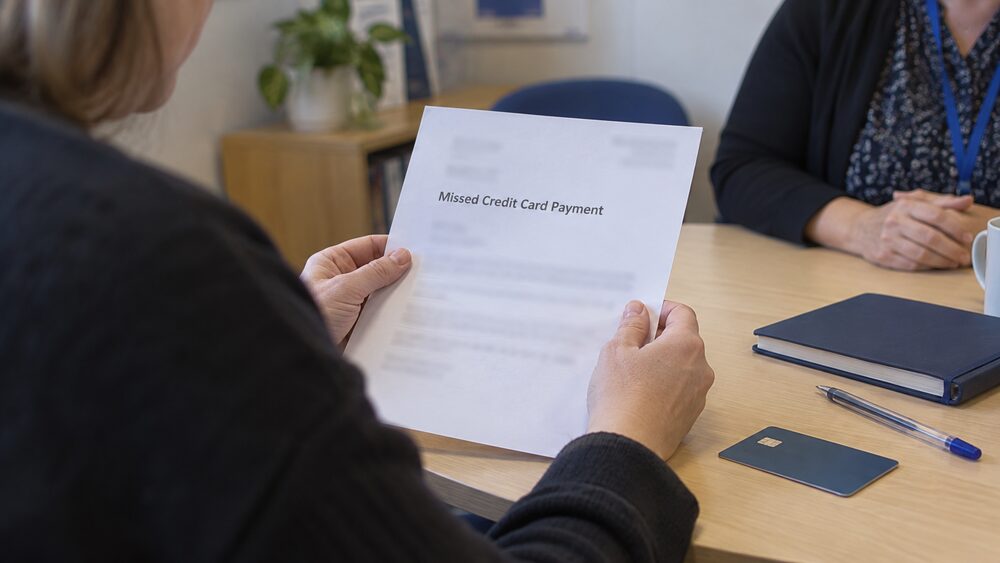
On a credit card, extra charges are added if you miss payments10. If you miss one or two payments, reminders are sent; if you catch up, no further action should be taken and missed payments may not be recorded on your credit file, though interest and charges including late payment charges will be added26. Charges of more than £12 for missing a credit card repayment may be seen as unfair3.
On a charge card, the balance is due in full, so failing to clear it is not a missed minimum payment but a failure to settle the account. Missing payments can lead to extra charges and can negatively impact your credit score, and make it harder to get credit in the future27.
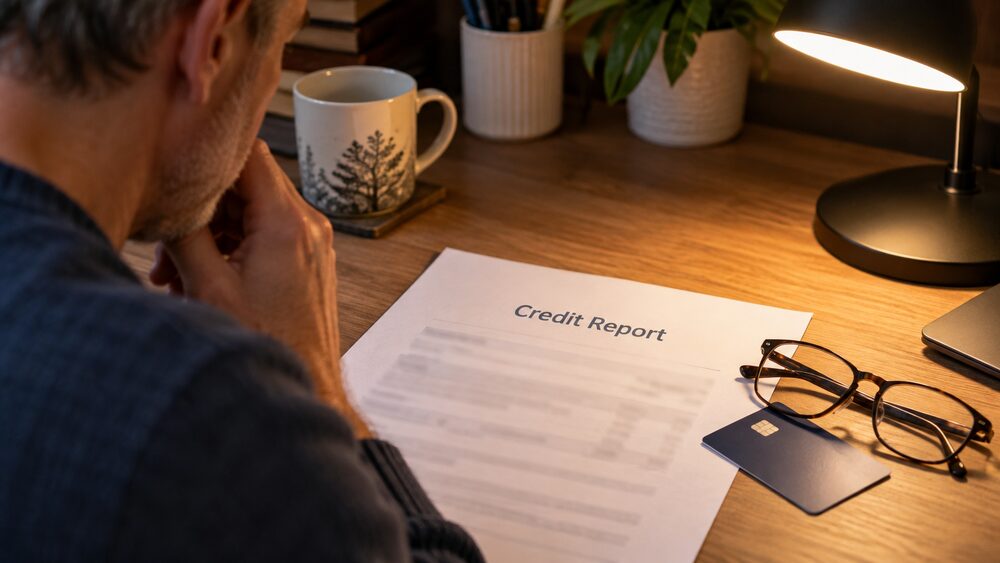
The credit file consequences are the same for both. Late payments stay on your credit history for six years, as do missed payments and defaults28. All missed, late or partial payments are recorded on your credit file for at least six years29. One late payment on a credit card or loan can dent your score by as much as 130 points, according to Experian30.
Missing payments to credit cards, unsecured loans, catalogues, overdrafts and store cards can affect your credit rating, which would make it harder to get credit in the future31. The missed payments page covers what happens when a card payment is late, and how credit cards affect your credit file explains the longer-term record.
Where to get help if you cannot pay
If a charge card balance or a credit card debt becomes unmanageable, free and impartial help is available and does not cost anything.
StepChange, Citizens Advice and National Debtline all provide free debt advice. The help with credit card debt page sets out the options, and the debt section covers solutions and your rights more broadly. In Scotland, the rules differ and the credit card debt in Scotland page explains the options there; in Northern Ireland, see credit card debt in Northern Ireland.
If a company you bought from has stopped trading or gone out of business, there may still be a route to recover money paid by card. If you paid with a debit or credit card, you can still ask for chargeback, but your bank or credit provider might not agree to do it32. If goods are not delivered, arrive damaged or not as described, or the trader goes out of business, you may be able to use chargeback18.
Sources32 cited
- Plastic cards Citizens Advice, 2026-09-25
- Credit cards and debt nidirect, 2025-11-06
- The costs and charges of credit cards Citizens Advice, 2026-09-25
- Money and credit, April 2026 Bank of England, 2026-04
- Other problems: consumer advice Anglesey Council, 2025-10
- Card payments Payment Systems Regulator, 2026-09-26
- The costs and charges of credit cards Citizens Advice Scotland, 2026-09-25
- Credit card interest explained Which?, 2026-09-18
- Shop safely online MoneyHelper, 2026-09-25
- Paying off credit card debt StepChange, 2026-09-25
- Subprime credit cards and debt StepChange, 2026-09-25
- Credit card repayment calculator Which?, 2026-05-11
- Understanding interest charges StepChange, 2026-09-25
- Making the most of your bank account Independent Age, 2026-09-26
- Choosing and applying for a credit card Citizens Advice, 2026-09-25
- Spending abroad: the 4 dos and 5 don'ts Which?, 2024-07-26
- Student credit cards: are they ever a good idea? Which?, 2020-03-08
- Safer ways to pay Consumer Council, 2026
- Festival refunds not guaranteed Financial Ombudsman Service, 2026-06-04
- Consumer Rights Act travel amendments Which?, 2025-06-18
- Other problems: consumer advice Anglesey Council, 2025-10
- Other problems: consumer advice Anglesey Council, 2025-06
- Getting your money back if you paid by card or PayPal Citizens Advice, 2026-09-25
- Other problems: consumer advice Anglesey Council, 2025-03
- Chargeback rights and Section 75 UK Finance, 2026
- Debt collection StepChange, 2026-09-25
- Same day loan debt StepChange, 2026-09-25
- Getting a mortgage with late payments and defaults Which?, 2025-08-20
- Wage arrestment StepChange, 2026-09-25
- How to improve your credit score Which?, 2025-10-24
- Which bills are most important to pay first? Mental Health and Money Advice, 2025-09-08
- If a company stops trading or goes out of business Citizens Advice, 2026-09-25



 MoneyHelperFree, impartial money and pensions guidance, set up by government
 StepChangeFree debt advice and solutions from a charity
 National DebtlineFree debt advice by phone, webchat and online
 Financial Ombudsman ServiceFree, independent help when a complaint about a firm is not put right
 Citizens AdviceFree advice on money, consumer and legal problems in England and Wales