
If you have income that is not taxed through PAYE, you may need to register for Self Assessment. The registration deadline is 5 October after the end of the tax year in which the income arose. For the tax year that ended on 5 April 2026, that means registering by 5 October 20261.
If you have income that is not taxed through PAYE, you may need to register for Self Assessment. The registration deadline is 5 October after the end of the tax year in which the income arose. For the tax year that ended on 5 April 2026, that means registering by 5 October 20261.
Registration is your responsibility, not HMRC's. If you meet the criteria, you have to tell HMRC, and if you register late you may be charged a failure to notify penalty3. Once registered, you file and pay by 31 January following the tax year, so the 2025 to 2026 return and any tax owed are due by 31 January 20274.
The process is not instant. HMRC warns that registering and setting up a Government Gateway account can take up to 20 working days, so leaving it until late September leaves little room5.
Who needs to register for Self Assessment
You need to register if you have income that is not taxed through PAYE and you have not registered before1. The most common triggers are becoming self-employed, starting a profitable side hustle, or earning untaxed income during the last tax year9.
For self-employment, the threshold is income of more than £1,000 in a tax year7. Below that, the trading allowance usually covers it and no return is needed. If you are a new partner in a business partnership, you also need to register4.
Other triggers include:
- Renting out property with profit over £2,50010
- Savings interest of more than £10,000 if you do not already complete a return11
- Income from a Share Incentive Plan, where you need to register by 5 October following the tax year you received the income12
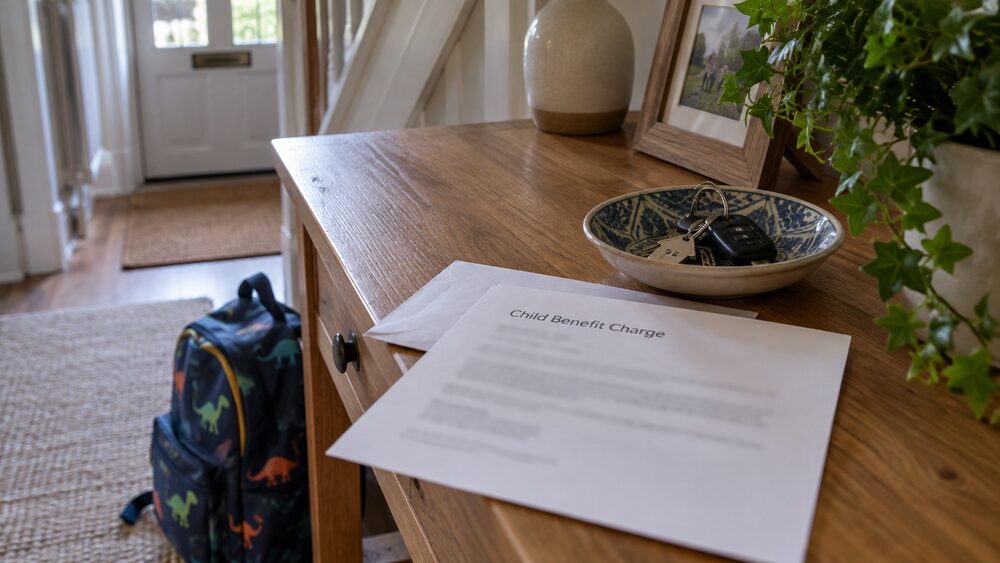
- The High Income Child Benefit Charge, where you may get a penalty if you need to pay through Self Assessment but do not register13
- Foreign life insurance policy gains, where the gain together with other savings and investment income exceeds £10,00014
If you have already registered in a previous year, you do not need to register again1. But if you were registered and did not submit a return for 2024 to 2025, you will need to reactivate your account to file for 2025 to 20264.
Registration deadline: 5 October after the tax year
The 5 October deadline is a legal obligation if you meet the criteria for Self Assessment and owe tax. If you register late, you may be charged a failure to notify penalty3. The deadline applies to first-time registrants and to anyone whose circumstances have changed9.
For the 2025 to 2026 tax year, the registration deadline is 5 October 202615. This is separate from the filing deadline of 31 January 2027, which is when the return and any tax owed must be with HMRC4.
The registration process itself takes time. You register with HMRC, receive a UTR number by letter, activate your Government Gateway account with an activation code, and complete account setup. HMRC warns the whole process could take up to 20 working days5. If you leave registration until late September, you may not have your UTR in time to file by the paper deadline of 31 October6.
After you register: filing and payment deadlines
Once registered, you have two filing routes and two deadlines. Paper returns must be sent by 31 October following the tax year. Online returns and payment are due by 31 January6.
The 31 January deadline is also when you pay any tax owed. You need to pay your Self Assessment tax bill by midnight on 31 January following the tax year you are paying for16. If you file online, HMRC will automatically include any Winter Fuel Payment on your 2025 to 2026 return. If you file on paper, you must include it yourself17.
You usually have until 12 months after the filing deadline to make changes to a return you have already submitted18. If you realise you made a mistake, you can amend it within that window.
Under the self-assessment scheme, you have to keep proper financial records, fill in a tax return and make payments on account during the year. There are penalties for late returns or late payment19. You need to keep records if you have to send HMRC a Self Assessment tax return20.
Stopping self-employment or leaving the UK
If you stop being self-employed, you need to notify HMRC and complete a final self-assessment tax return to cover your last period of trading. This is done at the end of the tax year21.
If you leave the UK, your Self Assessment obligations depend on your income sources. You usually have to send a Self Assessment tax return if you live abroad and rent out property in the UK, have taxable savings interest from UK banks or building societies, have a pension outside the UK and were UK resident in one of the five previous tax years, or have any other untaxed UK income6.
When you leave the UK, you need to complete a self-assessment tax return if you are in the self-assessment system. Otherwise you fill out a P85 form22. If you move to or from Scotland, you must tell HMRC of your new address23.
If you return to the UK from abroad, you may need to register for Self Assessment, for example if you start working for yourself or have other income or gains from the UK or abroad. Employees with no other untaxed income need not register24.
Sent a tax return you do not need
If HMRC sends a tax return that is not needed, HMRC can withdraw it on request. Unless the return is withdrawn by HMRC, it must be submitted by the due date, even if there is no income to report, and penalties for failing to file by the due date will still apply25.
If you are registered for Self Assessment, you will not receive a Simple Assessment. Your tax is handled differently26. If you have savings interest of more than £10,000 and do not already complete a Self Assessment tax return, you will need to register11.
If you have been sent a return you do not need, the safest course is to contact HMRC rather than ignore it. Penalties for late filing apply even when no tax is due25.
Making Tax Digital: what changes for the self-employed and landlords
From 6 April 2026, HMRC is introducing a requirement for some sole traders and individual landlords to use Making Tax Digital for Income Tax19. The first group affected is landlords and sole traders earning over £50,000 a year before tax and expenses8.
The threshold will fall over time. From April 2027, those with qualifying income over £30,000 must use Making Tax Digital for Income Tax27. From April 2028, the threshold drops to £20,00027.
Self Assessment taxpayers with PAYE income, such as from employment or a pension, will need to pay towards their Self Assessment tax bill through their PAYE income, where they have enough income to do so, from April 202928.
If you are already registered for Self Assessment, you do not need to register again for Making Tax Digital. The change is to how you report, not whether you are in the system1.
Where to get help
If you are unsure whether you need to register, or you have missed the deadline, free and impartial help is available. TaxAid provides free tax advice to people on low incomes1. The Low Incomes Tax Reform Group publishes guidance on registering for Self Assessment3. Business Debtline offers free debt advice for the self-employed19.
If you cannot pay your tax bill, contact HMRC as soon as possible to discuss a payment plan. Business Debtline has guides on dealing with income tax debt in England and Wales, and in Scotland19.
Sources29 cited
- How to register for Self Assessment TaxAid
- Tax and money advice Independent Age
- Improved Self Assessment registration service launched GOV.UK, 2026-09-09
- Help and support for Self Assessment GOV.UK, 2026-07-08
- Self Assessment tax Which?, 2026-04-06
- Tax on UK income if you live abroad GOV.UK, 2026-09-26
- Working in retirement Which?, 2026-03-17
- Paying tax when self-employed Which?, 2026
- HMRC improves Self Assessment registration Which?, 2026-09-20
- Property rentals TaxAid, 2025-10-06
- How you pay tax on savings interest GOV.UK, 2026-09-28
- Share Incentive Plans: a guide for employees GOV.UK, 2025-10-20
- Pay tax charge through Self Assessment GOV.UK, 2026-09-28
- Gains on foreign life insurance policies GOV.UK, 2026-07-14
- Self Assessment tax return Which?, 2026-04-06
- Understand your Self Assessment bill GOV.UK, 2026-09-26
- Understanding tax and your pension GOV.UK, 2025
- 10 tax return mistakes to avoid this January Which?, 2026-01-11
- Income tax debt (England and Wales) Business Debtline, 2026-09-26
- Keeping your pay and tax records GOV.UK, 2026-09-26
- Previously self-employed TaxAid, 2025-01-24
- What is tax residency? HSBC, 2026
- If you move to or from Scotland GOV.UK, 2026-09-28
- Tax return GOV.UK, 2026-09-27
- Pensions, Self Assessment and simple assessment TaxAid, 2026-03-09
- Common letters HMRC, 2026-09-28
- Income tax debt (Scotland) Business Debtline, 2026-09-26
- Timely payments in Income Tax Self Assessment GOV.UK, 2026-06-23
- Registering for Self Assessment LITRG, 2026-09-26






 GOV.UKOfficial information on tax, benefits and government services
 MoneyHelperFree, impartial money and pensions guidance, set up by government
 Citizens AdviceFree advice on money, consumer and legal problems in England and Wales
 Turn2usFree benefits calculator and grants search from a charity
 Citizens Advice ScotlandFree advice across Scotland