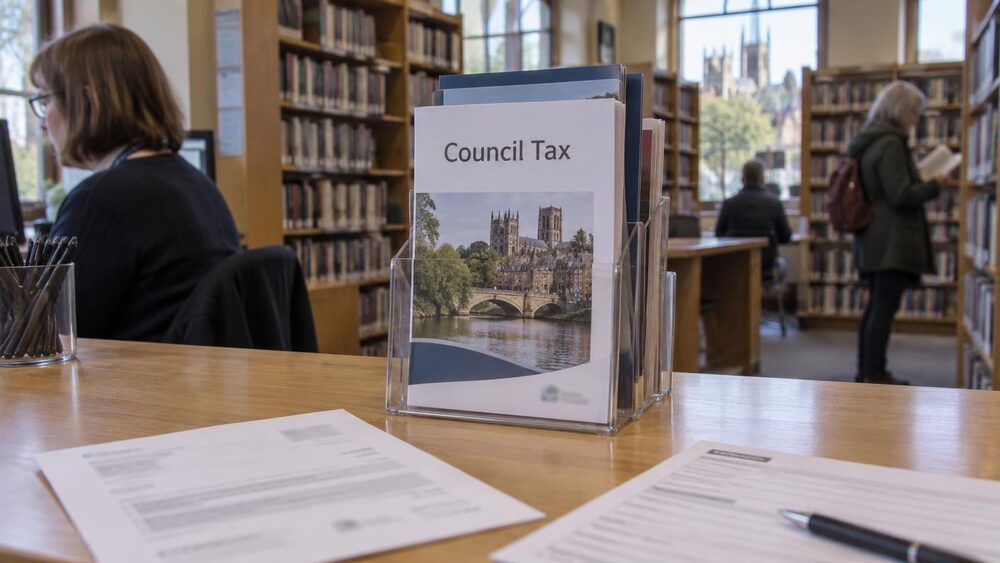
Council tax bills are rising across England, Wales and Scotland from April 2025, with the steepest increases in Scotland and in a small group of English councils given permission to exceed the usual cap1.
In England, council tax will rise by an average of 5% in April, adding £109 to the annual bill, according to analysis of 296 local authorities2. Most councils in England can raise rates by 5% without holding a local referendum, a cap unchanged from last year that includes a 2% adult social care precept1. More than eight in 10 English authorities are raising council tax by 4.99%, the maximum allowed without a referendum, and more than nine in 10 that qualify for the adult social care precept have raised it partially or to the maximum2.
Six councils with particularly stretched finances have been permitted to raise taxes by more than 4.99%2. Bradford can increase the levy by 9.99%, Windsor & Maidenhead and Newham by 8.99%, and Birmingham, Somerset and Trafford by 7.5%2. Seven local authorities, East Cambridgeshire, Fenland, Harlow, Ribble Valley, Ashfield, Mid Suffolk and Malvern Hills, will see no rise to core council tax and the adult social care precept, while Broadland is reducing rates by 0.56%2. Mansfield has the smallest rise, with the average band D bill up 0.99%2.
There is no cap on council tax rises in Wales and Scotland2. In Wales, Pembrokeshire has the largest band D percentage increase at 9.2%, while Bridgend has the smallest at 5%2. Scottish rates, frozen last year, rise by an average of 9.6%, with almost half of the 32 local authorities increasing bills by more than that and Falkirk seeing the steepest rise at 15.6%2. In Northern Ireland, domestic rates are also rising in 2025-26, with Belfast seeing the biggest district rate rise at 5.99%2.
"Council tax in England will rise by an average of 5% in April, adding £109 to the annual bill."
| Nation | 2025-26 change |
|---|---|
| England | Average rise of 5%, adding £1092 |
| Wales | Pembrokeshire up 9.2%, Bridgend up 5%2 |
| Scotland | Average rise of 9.6%, Falkirk up 15.6%2 |
| Northern Ireland | Domestic rates rising; Belfast district rate up 5.99%2 |
Why it matters for households
The change affects council tax payers in England, Wales and Scotland from April 2025, and ratepayers in Northern Ireland1. How much a household pays depends on where it lives and its council tax band2. In England, the average band D bill rises by about £109, though the figure varies widely by area: Rutland has the highest band D bill at £2,671.01, up from £2,543.29, while Wandsworth has the lowest at £997.75, up from £968.77 even though its council tax element was frozen for a third year2. Final bills can include levies set by other bodies such as parish councils or police and crime commissioners2. Discounts of 25% may be available to people who live alone or with others disregarded for council tax purposes, such as full-time students, and reductions may exist for empty properties, second homes and holiday homes, though these are not applied automatically2. Separate arrangements apply in Scotland and Wales2.
What happens next
The rises take effect from April 20251. Water bills in England and Wales are also expected to rise significantly from April 2025, with Ofwat forecasting an average increase of 21% over five years, adding £94 in total or £19 a year to the typical bill, though several suppliers have proposed steeper rises1. The TV licence rises by £5 to £174.50 from 1 April 20251.
 GOV.UKOfficial information on tax, benefits and government services
 MoneyHelperFree, impartial money and pensions guidance, set up by government
 Citizens AdviceFree advice on money, consumer and legal problems in England and Wales
 Turn2usFree benefits calculator and grants search from a charity
 Citizens Advice ScotlandFree advice across Scotland