Council tax is the charge most Scottish households pay to their local council for services such as rubbish collection, roads and local area maintenance. It is set and administered by local authorities, and each of Scotland's 32 councils is responsible for setting the Band D rate in its own area, with the other bands worked out from that1. Most people aged 18 or over who own, rent or live in a home must pay it, and it has been collected by councils since 1993 under the Local Government Finance Act 19923.
How much you pay depends on three things: the valuation band your home sits in, how much your council charges for that band, and whether a discount, reduction or exemption applies to you4. In Scotland your bill also carries water and sewerage charges for Scottish Water, which are collected through the same bill unless your home has a water meter5. This page explains each of those parts, the help available on a low income, and what happens if you fall behind, which in Scotland can move quickly to sheriff officers.
How council tax works in Scotland and who has to pay
Council tax exists to fund local services. Revenue Scotland explains that councils set and administer the rates to make sure they have the funds needed for services such as rubbish collection, roads and local area maintenance1. Unlike a subscription or a utility contract, council tax is not something you sign up to: it is a legal duty that attaches to living in a home in the council's area, and it must be paid in pounds sterling3.
Who actually pays depends on your household. If you live with other people, you are all equally responsible for paying the bill10. Where you are married, in a civil partnership or live with your partner, both of you are responsible for paying all of it, under what is called joint and several liability5. That means the council can pursue either of you for the full amount, not just your half, which matters if one partner leaves or stops paying.
Your bill is worked out from the value of your house, your age, your income and who else lives with you7. The council sends the bill in March for the financial year that begins in April; if you receive it later than April, for example after moving house, you have less time to pay, but the bill must still be settled before the end of the financial year in March7.
When you move into a property in Scotland you need to register for Council Tax, and you must also tell your local council if another adult moves into or out of your home, because that can change the discount that applies11. You can find your council tax team on mygov.scot and use their online form or contact details to register or to apply for an exemption10. Households in Northern Ireland pay domestic rates rather than council tax, and Wales runs its own banding system, both of which are covered in our guide to money in Scotland, Wales and Northern Ireland.
Council tax bands in Scotland: A to H, based on 1991 values
Every home in Scotland is placed into one of eight bands, A to H, based on what the property would have been worth on 1 April 1991, a date known as the market reference point2. Homes have not been revalued since: the band still reflects that 1991 value, not what the property would sell for today. Each of Scotland's 32 local authorities sets the Band D rate for its area, and the charges for the other bands are worked out in relation to it2.
The band ranges in Scotland are12:
| Band | Value on 1 April 1991 |
|---|---|
| A | Up to £27,000 |
| B | £27,000 to £35,000 |
| C | £35,000 to £45,000 |
| D | £45,000 to £58,000 |
| E | £58,000 to £80,000 |
| F | £80,000 to £106,000 |
| G | £106,000 to £212,000 |
| H | More than £212,000 |
Scotland's band ranges differ from England's: for example, Band H in England starts at more than £320,000, against more than £212,000 in Scotland12. Some adjustments were made in 2017 to increase charges for properties in Bands E to H in Scotland2.
Two new bands are coming. Scottish Ministers announced in the Scottish Budget 2026-27 that they would introduce two new Council Tax bands above Band H for properties worth over £1 million, referred to as a Mansion Tax2. From 1 April 2028, Band I covers properties valued between £1 million and £2 million, and Band J covers properties valued above £2 million8. The Scottish Government states that fewer than one per cent of households are affected8.
Water and sewerage charges on your council tax bill
A Scottish council tax bill is split into two different payments: a charge for council tax and a charge for water10. Unless your water is supplied by a water meter, the council will usually include your Scottish Water charges in your council tax bill, and Scottish Water then collects your water payments from the council5. For unmetered customers, waste water and water charges are based on your council tax band, so a higher band means higher water charges as well as a higher tax charge14.
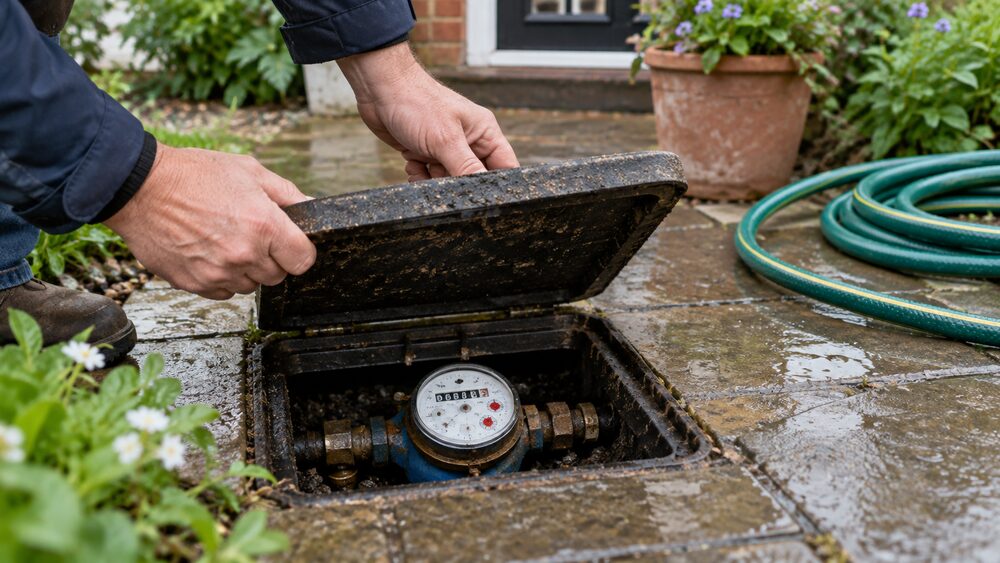
If you have a water meter, the arrangement is different: payments are made to Scottish Water directly and are not included in your council tax payments15. Metered customers can arrange a payment plan based on their average annual invoice, with charges paid quarterly14.
The treatment of water charges under Council Tax Reduction is a point to watch. Guidance notes that in Scotland council tax covers sewage and water charges and that you must pay these even if you are eligible for a council tax reduction7. However, if you do receive Council Tax Reduction, you could also get discounted water charges16. In practice this means the water element does not simply vanish with a reduction, but it may be reduced alongside it. Scottish Water does not currently offer social tariffs of its own16. Our comparison of water charges in Scotland against England and Wales explains how the three systems differ.
Single person discount: 25% off if you live alone
If you live alone, you can get a 25% discount on your council tax bill6. The discount applies to people living in a property by themselves regardless of their financial circumstances17, and in Scotland the 25 percent discount for single adult households is a recognised feature of the system2.
The discount also works where you do not literally live alone. You can get 25% off your bill if you are the only person living in your home, or if all the other residents are disregarded for council tax purposes18. So a person who lives with a full-time student, or with someone who is severely mentally impaired, can still qualify, because the household counts as having only one adult for the bill19. The formal rules describe this as a 25% discount where there is only one resident who is not disregarded, or where there are two or more residents and all but one of them is disregarded19.
You may qualify for 25% off your Council Tax if you live alone or with people who are not counted for Council Tax purposes9. Applying is done through your council: find your council tax team on mygov.scot and use their online form or contact details10. The council will ask you to provide proof of your situation10.
People who are disregarded when counting adults
Council tax is charged on the basis of how many adults live in a home, but certain people are not counted, known as being disregarded. Disregarded people include full-time students, anyone aged 17 or under, young people aged 18 where someone is still getting Child Benefit for them, and live-in carers20. Council Tax is not calculated on anyone aged under 18, full-time students, student nurses and some apprentices and trainees17.
The main groups treated as disregarded are:
- Full-time students and student nurses5
- Apprentices and people on certain youth training schemes5
- People with a mental disability who receive certain disability benefits, described as severe mental impairment5
- Some carers, including live-in carers6
- Anyone aged under 1820
The carer disregard has conditions. You can be disregarded as a carer if you are not the spouse or partner of the person you care for, or their parent if they are under 1821. Disability Living Allowance at the middle or higher rate of the care component, or the higher rate in Scotland, counts as a qualifying disability benefit for the carer disregard22.
For people with a mental impairment, the rules are specific: you do not count as an adult for Council Tax if you get the daily living component of Adult Disability Payment, are severely mentally impaired and have a doctor's certificate saying so23. From April 2026 the terminology changes: the severely mentally impaired category is renamed significant cognitive impairment, with the eligibility criteria unchanged19. People with a significant cognitive impairment, students and care leavers are disregarded for council tax purposes under the amended framework19.
If everyone in the household is disregarded, the effect is stronger than a discount: you will not have to pay Council Tax if you are the only adult in the house and are disregarded for Council Tax20.
Exemptions: when you pay no council tax or water charges
Some households are exempt from council tax altogether, which means no bill is due rather than a reduced one. In Scotland you are exempt if you are under 1810. You are also exempt if you have been away from home for 6 weeks and your home is empty while you are in hospital, getting elderly care, getting care for your mental or physical health, getting care for an alcohol or drug dependency, or caring for someone else who does not live with you10. People in prison who have been there for 6 weeks are exempt10.
Further exemptions cover particular situations:
- A full-time student on an approved advanced course, living with other students10
- People in rented accommodation receiving housing support, sharing a kitchen, bathroom or toilet with other residents10
- People living in self-contained accommodation where no rent is charged, who arrived in the UK under resettlement schemes such as the Afghan Citizens Resettlement Scheme, the UK Resettlement Scheme or the Vulnerable Persons Resettlement Scheme10
- People assessed as having a severe mental impairment10
- Landlords where the tenancy is an agricultural or crofting tenancy10
A property exemption also exists for charity-owned homes: a property owned by a charity, unoccupied for less than 6 months and last used for the charity's purposes, may qualify for a Class B exemption, meaning no Council Tax is charged for up to 6 months24.
Students are the exemption most people ask about. Most full-time students should not have to pay council tax, but there are exceptions, notably where a student is the sole owner or sole tenant and lives with an adult who is not their partner and not a student25. If you live and study full time in Scotland, the Student Awards Agency for Scotland may pay your tuition fees, which is a separate matter from council tax25.
An important knock-on effect: people who are exempt from council tax should not have to pay water charges either10. When applying for an exemption, the council asks for proof of the applicant's situation10.
Empty homes and second homes can cost more
If you have an empty property or a second home, you may need to pay a rate that is different from what your council charges for main homes26. Councils in Scotland can charge a higher amount of council tax than usual where the property has been empty and unfurnished for at least one year, or is furnished but only occupied from time to time, such as a second home5. In Scotland, the council tax on a property that is unoccupied and unfurnished for more than one year may be doubled18.
The level charged is set locally, so the position differs between councils and over time as councils change their policies. If you own a property that is standing empty, it is worth checking with your own council what currently applies, and telling the council when the property's status changes, since the charge is triggered by how long it has been empty and whether it is furnished5.
Council Tax Reduction if you are on a low income
Council Tax Reduction, also known as Council Tax Support, provides help for people on low incomes with their Council Tax bill27. You may be entitled to it if you are on a low income or receive benefits, and it can reduce the bill in part or in full5. Unlike the single person discount, it is means tested, so it depends on your income and circumstances rather than just who lives with you.
Scotland runs a single system for council tax support, set up by the Scottish Government, rather than the locally varied schemes found in England18. Information about the Council Tax Reduction scheme is available from local authorities27. Carers in Scotland on a low income may be eligible for Council Tax Reduction or Support21, and entitlement under each local authority's scheme depends on that scheme's rules29.
The scheme reaches a large number of households. A Citizens Advice Scotland Council Tax Debt project supported households to access Council Tax Reduction worth £2.69 million30. Community Care Grants and Crisis Grants from the Scottish Welfare Fund are disregarded when Council Tax Reduction is calculated, so receiving that emergency help does not reduce your reduction31.
Paying your bill: 10 or 12 instalments
The cost is usually split into 10 monthly payments26. Most commonly you pay 10 monthly instalments and get a two-month break in February and March each year9. The council will usually tell you to pay your bill in 10 monthly instalments, but they may accept weekly payments32.
You can ask to pay your bill over 12 monthly instalments if that makes it easier to budget, and the council must allow this if you ask7. Some councils also accept payments every week or every two weeks32. The documents describe the position in slightly different ways, with some noting 10 instalments as the default and others emphasising the right to 12 on request, but the practical position is that 10 is standard and 12 is available if you prefer it32.
If your bill arrives later than April, for example because you moved house, you have less time to pay, and the bill must be paid in full before the end of the financial year in March7.
Missed payments lead quickly to sheriff officers
Council tax is a priority debt because the council has strong powers to make you pay5. Council tax bills are considered a priority payment because enforcement can escalate quickly9. If you miss one of your monthly payments, your council should send you a reminder notice giving you seven days to pay it; if you do not pay within seven days, you may be asked to pay the whole year's council tax9. If you miss a payment for the third time, your council will send a final notice saying you must pay the whole year's Council Tax28.
If you still do not pay, the council can take you to court33. In Scotland, the council can ask a sheriff officer to make a payment agreement with you34. Sheriff officers are the enforcement officers who act on court orders in Scotland, and the path from a missed instalment to their involvement is short.
Contact your local council as soon as possible if you have problems paying your council tax35. Free debt advice is available, and because council tax is a priority debt it should be dealt with before non-priority credit debts; our guide to debt and the page on debt law in Scotland set out the options and the time limits that apply.
Challenging your band or your bill
You can challenge your Council Tax band on the Scottish Assessors website if you think your home is in the wrong valuation band26. There are two types of band challenge: proposals and band reviews13. By law, the assessors must review your band if you submit a proposal13. If you have been paying Council Tax for more than six months and think your band is wrong, you can request an informal band review13.
To work out what your bill should be, you need to know three things: how much your local council charges for your band, and whether your bill will have a discount, reduction or exemption applied26. If you are challenging a discount or exemption decision rather than the band itself, the council will ask you to provide proof of your situation10.
A band challenge is not the same as a complaint about service. If your complaint is about how the council has handled your bill or your payments, the route is the council's own complaints procedure and then the public services ombudsman, covered in our guide to complaining about a council or public body.
Where to get free help
Free, independent help with council tax problems in Scotland is available from several sources:
- Your local council, for Council Tax Reduction, discounts, exemptions and payment arrangements; contact them as soon as possible if you are struggling35
- National Debtline and Business Debtline, which publish guides on council tax arrears and priority debts in Scotland5
- Stepchange, for free debt advice on paying council tax bills and on water bills7
- Turn2us, for information on Council Tax Support in Scotland and on disability benefits that interact with disregards27
- Scope, for help with Council Tax Reduction and discounts if you are disabled9
- Independent Age, for help with council tax and on social tariffs if you are older6
- Carers UK in Scotland, for carers' eligibility for reductions and disregards21
- The Scottish Welfare Fund, for Crisis Grants and Community Care Grants, which are disregarded when Council Tax Reduction is calculated31
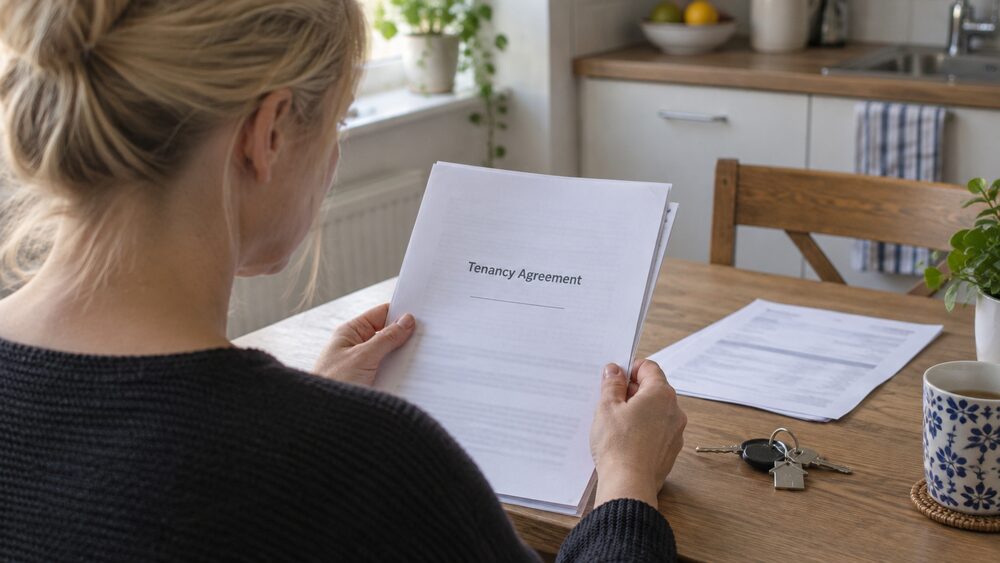
If you rent your home, note that council tax can be included in the rent where the tenancy agreement says so, but your landlord cannot require you to make a separate payment to them for council tax36. Our guide to renting in Scotland covers tenancy fees and deposits.
Sources37 cited
- Information about other Scottish taxes Revenue Scotland, 2025-09-12
- Consultation on Council Tax high value property bands (Mansion Tax) Scottish Government, 2026-07-06
- Council tax and the law Carmarthenshire County Council, 2026-01-19
- Council tax GOV.UK, 2026-09-26
- Council tax arrears in Scotland National Debtline, 2026-09-25
- Help with your council tax Independent Age, 2026-09-26
- Paying council tax bills StepChange, 2026-09-25
- Scottish Budget 2026-27 Scottish Government, 2026-03-06
- Paying council tax Which?, 2026-04-17
- Who pays council tax Shelter Scotland, 2024-07-24
- Register for Council Tax mygov.scot, 2026-04-01
- Council tax bands Which?, 2026-04-17
- How to challenge your Council Tax band GOV.UK, 2025-03-18
- Help with water bills StepChange, 2026-09-25
- Costs of living: making the most of your money in Scotland Business Debtline, 2026
- Social tariffs Independent Age, 2026-09-26
- Understand how Council Tax bands are assessed GOV.UK, 2016-01-22
- Help with council tax Disability Rights UK, 2026-04-14
- Council Tax (Discounts, Disregards and Exemptions) Amendment Regulations 2026 explanatory memorandum Senedd, 2025-12-09
- Ways to reduce council tax Age UK, 2025-02-10
- I get the daily living component of ADP, what else can I get Turn2us, 2026-07-29
- Help with council tax in Scotland Carers UK Scotland, 2026-09-26
- Help to pay council tax One Parent Families Scotland, 2025-04-03
- Council tax discounts, disregards, exemptions and reductions Welsh Government, 2026-03-17
- Student money and debt in Scotland Business Debtline, 2026-09-26
- Pay your Council Tax bill mygov.scot, 2026-04-01
- Council Tax Support Scotland Turn2us, 2026-06-19
- Council tax arrears GOV.UK, 2026-09-26
- Help with council tax Carers UK, 2026-09-26
- Child poverty in the UK and Scotland Scottish Government, 2026-08-06
- Scottish Welfare Fund statutory guidance Scottish Government, 2026-03
- Your priority debts in Scotland Business Debtline, 2026-09-26
- Help with Council Tax Reduction and discounts Scope, 2026-08-11
- If you cannot pay your Council Tax mygov.scot, 2026-04-01
- Debt and money Scottish Government, 2026-09-25
- Fees you can charge as part of a tenancy GOV.UK, 2026-05-01
- Tenant Fees Act 2019 guidance for tenants GOV.UK, 2026-04-07



 Citizens Advice ScotlandFree advice across Scotland
 Citizens AdviceFree advice on money, consumer and legal problems in England and Wales
 MoneyHelperFree, impartial money and pensions guidance, set up by government
 GOV.UKOfficial information on tax, benefits and government services