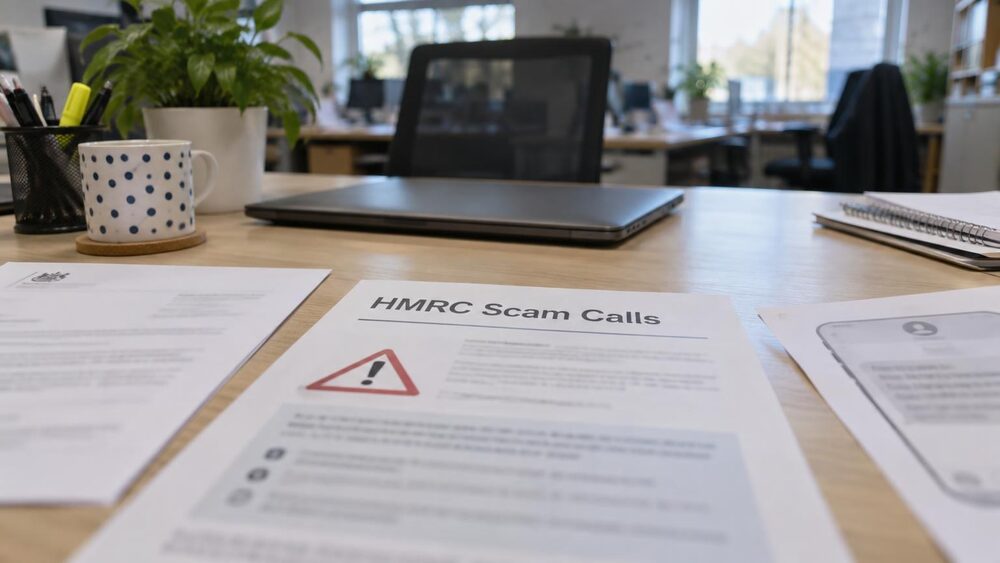
HMRC received more than 200,000 reports of scams from members of the public in the year to November 2023, up 9% year-on-year, according to Which?1. The consumer body published the figures on 24 January 2024, ahead of the self assessment filing deadline1.
HMRC told Which? that a third of reports of "suspicious contact" it received in the year to November 2023 related to messages about bogus tax rebates1. In 2023, HMRC worked with Ofcom to remove 324 phone numbers that were being used for tax office impersonation scams1.
Which? describes automated calls as among the most common types of tax scam, commonly arriving from withheld or mobile numbers with an "urgent" pre-recorded message1. One example it gives states: "An important letter was sent to you from HM Revenue and Customs that requires immediate attention, please press 1"1. It also reports calls claiming the recipient has underpaid tax, faces legal action, or that an important document has been returned to HMRC1.
On email, Which? reports recent examples of scam messages about P800s, the annual tax calculation HMRC sends by post, coming from the fake address noreply@hmc.co.uk, with the "r" missing from HMRC1. Those emails carry an attachment to download a document, and Which? says a virus may be installed on the device if it is opened1. Fake texts include one stating the recipient has an "outstanding tax refund" and linking to instructions to claim money, which leads to a phishing website requesting personal and financial information1.
"HMRC told Which? that anyone who receives an unexpected message claiming to be from the tax office shouldn't respond immediately."
Which? sets out where each type of scam can be reported1:
| Type | Where to report |
|---|---|
| Text messages | Send to 60599, or forward to the National Cyber Security Centre on 7726 |
| Emails | Forward to phishing@hmrc.gov.uk with a subject line describing the email |
| Calls | Report scam calls received on a mobile to 7726 |
| Letters | Contact the HMRC team the letter says it is from, such as debt management |
| Websites | Report suspicious websites to the NCSC |
Which? adds that scam WhatsApp messages can be reported by pressing and holding the message and selecting "report", and that scam letters can also be reported to Royal Mail1. It says that if money has been lost to a scam, the bank should be contacted immediately and the scam reported to Action Fraud, with police on 101 for people in Scotland1.
Why it matters for households
The figures cover the year to November 2023 and were published on 24 January 2024, days before the tax return deadline1. Anyone filing a return, or expecting correspondence from HMRC about tax owed or refunded, is in the group scammers target, and the reported rise of 9% year-on-year indicates more attempts are being made1. The tactics described rely on urgency: a recorded message demanding a key press, a text about a refund, or an email attachment1. Which? reports that following an automated prompt puts the recipient through to a scammer who requests personal and financial details1. The 324 phone numbers removed with Ofcom in 2023 relate to tax office impersonation calls1. For households, the practical exposure is to loss of money and of personal data, and the reporting routes above are the ones Which? lists1.
What happens next
The self assessment filing deadline falls in the week following publication, which Which? identifies as the period of heightened risk1. HMRC provides advice on common types of scam, and Which? directs readers to that guidance1. No further enforcement figures beyond the 324 removed numbers have been reported1.
 FCA Warning ListCheck whether a firm is authorised before you deal with it
 Financial Ombudsman ServiceFree, independent help when a complaint about a firm is not put right
 Citizens AdviceFree advice on money, consumer and legal problems in England and Wales
 MoneyHelperFree, impartial money and pensions guidance, set up by government