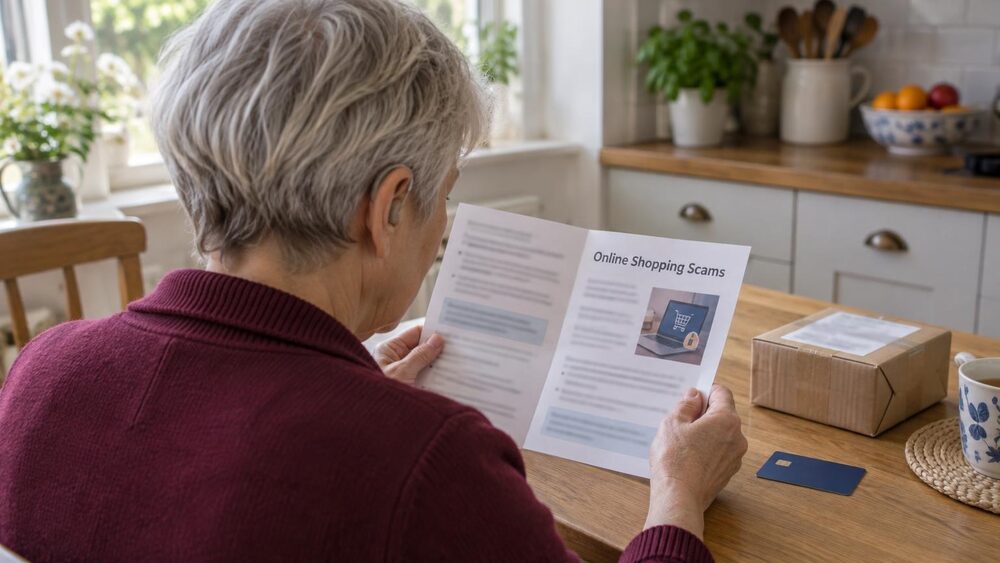
Which? published updated guidance on 3 August 2026 setting out the checks its scam experts use to judge whether an online retailer is legitimate before shoppers part with money1. The consumer body said fraudsters are adept at mimicking official sites by copying their branding, and that website creator tools using artificial intelligence have changed how quickly fake shops can be built1.
"Website creator tools using artificial intelligence (AI) have made it easier than ever for criminals to set up a site online in minutes."
The guidance says scam websites use extremely low prices to lure shoppers into buying fake, counterfeit or even non-existent items1. On the site itself, Which? says reputable companies will always list ways to get in touch, and that a website without a "contact us" page could well be fraudulent, though the presence of contact details is not a guarantee of legitimacy because messages may go unanswered1. It suggests using a domain checker such as who.is to see when a website was created, noting that a recently registered website could indicate a scam1. Which? adds that broken English and spelling mistakes were once a widely touted warning sign, but that AI can now produce polished text in seconds, making unprofessional sites rarer1.
On reviews, Which? says a large number of negative reviews can sometimes indicate a scam, but that positive reviews are not a guarantee of legitimacy as they can be faked, and it warns about multiple glowing reviews using repetitive formats or language1. On advertising, it says anyone can pay to advertise products and services and that big tech platforms do not always spot or prevent scam ads, that paid results can be hard to distinguish from genuine search results, and that AI summaries on search engines and chatbots may also suggest scam shopping websites1. On social media, it says checking the age of an advertiser's profile, usually in the "About" tab, will sometimes expose clone scams1.
For card details, Which? points to digital wallets and virtual debit cards1.
| Method | What Which? says it does |
|---|---|
| Digital wallet (Apple Pay, Google Pay, PayPal, Samsung Pay) | Ensures your card details stay private1 |
| Virtual debit card from a banking app | You do not share your primary physical debit card details with the retailer; some banks allow spending limits or linking to separate pots1 |
Which? says these features make virtual cards ideal for paying on sites you have never used before and do not yet trust, but adds that in general it is safest to stick to well-known retailers, using the checks to confirm it is the genuine firm and not a copycat1.
Why it matters for households
The guidance concerns anyone buying from an unfamiliar retailer, and the checks apply from the point a site is considered rather than from a fixed date. Which? describes the risk as money paid for goods that are fake, counterfeit or never arrive1. Its advice on payment concerns what a shopper shares at checkout: a digital wallet keeps card details private, and a virtual debit card means the primary physical card details are not passed to the retailer, with some banks allowing spending limits or separation from the main account balance1. Which? also notes that paid adverts and AI-generated search summaries can surface scam shopping sites, so a site appearing in search results or in an advert is not itself evidence that a legitimate company is behind it1. The guidance does not set out fraud reimbursement rules or say which card type gives stronger protection; that has not been reported here.
What happens next
No further steps, dates or enforcement action are set out in the guidance, which is a set of checks for shoppers rather than a regulatory announcement1. Which? also promotes a free scam-alert service for spotting and avoiding the latest scams1.
Sources1 cited
- How to spot an online shopping scam - Which? which.co.uk
 FCA Warning ListCheck whether a firm is authorised before you deal with it
 Financial Ombudsman ServiceFree, independent help when a complaint about a firm is not put right
 Citizens AdviceFree advice on money, consumer and legal problems in England and Wales
 MoneyHelperFree, impartial money and pensions guidance, set up by government