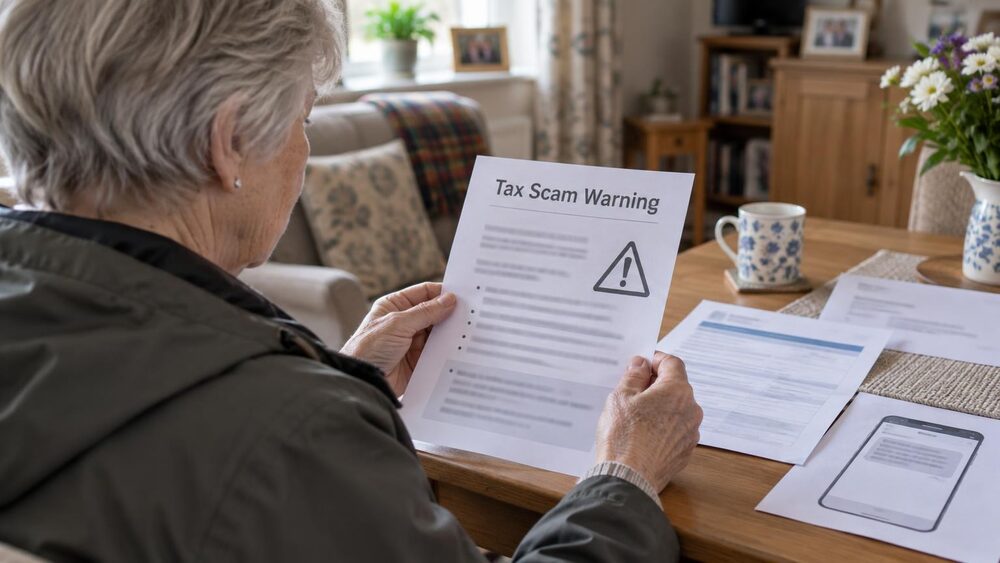
HMRC has issued a warning about a rise in scams in which criminals pose as the tax agency, ahead of the 31 July tax credits renewal deadline1. The warning covers messages claiming that your details are not up to date, that a payment has not gone through, or that you will be arrested if you do not pay a tax debt1.
HMRC has also warned of scammers claiming your national insurance number has been used in fraud, and of messages offering phoney tax rebates or bogus grants or support1. The latest scam emails tell recipients that their profile or password is about to expire; they are sent from Japanese email addresses and use HMRC branding to appear genuine, and one states that you have only 24 hours to complete the process1. These emails contain phishing links leading to malicious sites impersonating the tax office1. Readers have also reported automated calls, including one saying the tax agency will take legal action over unpaid taxes and asking you to press 1 to speak to an officer, a second saying an important letter has been returned, and a third asking you to go through your security questions1.
An HMRC spokesperson told Which?:1
"Criminals are great pretenders. They use emails, phone calls and texts to try and dupe citizens, and often mimic government messages to make them appear authentic."
"Unexpected contacts like these should set alarm bells ringing, so take your time and check HMRC scams advice on gov.uk."
HMRC is currently sending out tax credits renewal packs ahead of the 31 July deadline, and says recipients who have not received their pack should wait until after 15 June before contacting HMRC1. Tax credits can be renewed for free online or via the HMRC app1.
Reported routes for suspicious contact are set out below1.
| Type of contact | Where it is reported |
|---|---|
| Scam texts | Forward to HMRC on 60599 (network charges apply), or to your network on 7726 for free |
| Scam emails | Forward to phishing@hmrc.gov.uk with a subject line describing the email |
| Scam calls | Report to HMRC using its online form, signing in with a Government Gateway user ID or email address |
| Suspicious websites | Report to the National Cyber Security Centre |
| Letters | If unsure, log into your tax account or call HMRC using the number on its website, not the number on the letter |
If you have been scammed out of any money, contact your bank immediately and report the scam to Action Fraud1.
Why it matters for households
The scams described arrive as unsolicited contact, at a point in the year when many tax credits claimants are expecting genuine post from HMRC about renewal1. The renewal deadline is 31 July, and packs are being sent out now; anyone who has not received a pack is asked to wait until after 15 June before contacting HMRC1. Because the fake messages copy HMRC branding and, in the email cases, use a short deadline to create urgency, the practical risk is that a household treats a fraudulent contact as part of the renewal process1. The reported consequences range from handing over account or security details to losing money, and the guidance for anyone who has lost money is to contact their bank immediately and report it to Action Fraud1. Renewing tax credits itself is free online or through the HMRC app1.
What happens next
The tax credits renewal deadline is 31 July1. HMRC says claimants who have not received their renewal pack should wait until after 15 June before contacting HMRC1. No further dates have been reported.
 FCA Warning ListCheck whether a firm is authorised before you deal with it
 Financial Ombudsman ServiceFree, independent help when a complaint about a firm is not put right
 Citizens AdviceFree advice on money, consumer and legal problems in England and Wales
 MoneyHelperFree, impartial money and pensions guidance, set up by government