
For everyday spending abroad, a card that charges no foreign transaction fee is usually the cheaper option. Most credit cards add a foreign transaction fee of around 3% on non-sterling purchases and cash withdrawals1, and a debit card used abroad can carry a spending or cash machine charge of typically £1 to £3 each time, except for euros in the EU2. A card with no foreign transaction fee sidesteps both.
Cash still has a place. Markets, small cafes and rural areas may not take cards, and some travellers prefer to hold a float. The cost of cash is the exchange rate margin and any commission when you buy it, plus the fee to withdraw more once you are there. Cash withdrawals on a credit card are the most expensive way to get money: you can pay a cash fee, a foreign exchange fee and interest from the day of withdrawal.
The single most useful habit costs nothing. When a card machine or cash machine offers to charge you in pounds rather than the local currency, choose the local currency. Independent guidance is explicit that you get a better exchange rate that way3, and banks repeat the same advice to their own customers4.
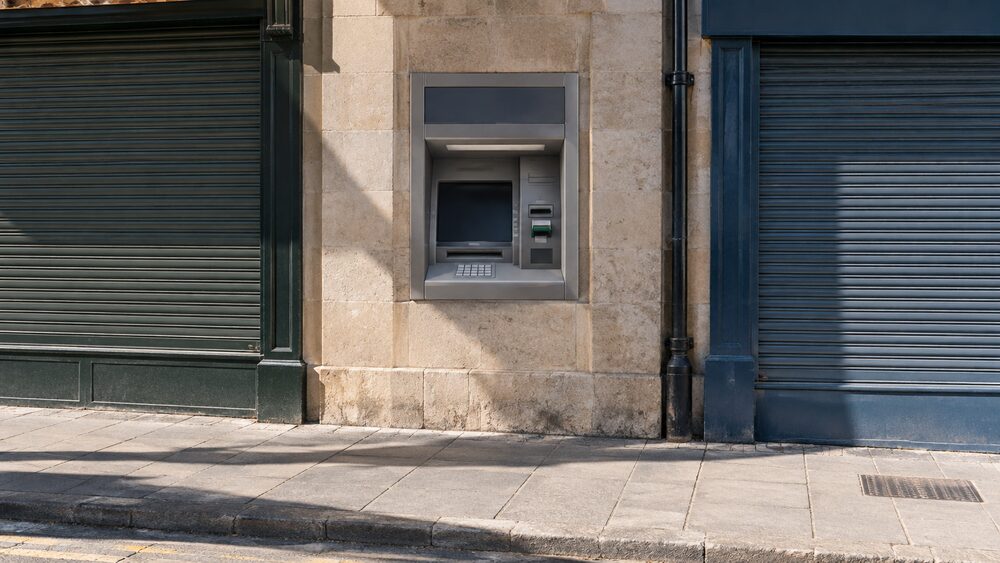
Cash withdrawal fees: typically £1 to £3 each time
The cost of taking cash out abroad depends entirely on which card you use and where. On a current account debit card, the charge is typically between £1 and £3 each time you use your card, except for euros in the EU2. That is a flat fee per withdrawal, so taking out larger amounts less often usually costs less than several small withdrawals.
Credit cards are a different matter. Most add a foreign transaction fee of around 3% on non-sterling purchases and cash withdrawals1, and if you withdraw cash you may be charged a foreign transaction fee on top of the usual cash advance fee7. The cash advance fee itself varies by issuer: Nationwide charges 2.5% of the amount withdrawn, or £3, whichever is greater8; HSBC charges 2.99% with a £3 minimum9; Tesco Bank charges 3.99% of the transaction value with a £3 minimum10; TSB charges 3% with a £3 minimum11; and Vanquis states a cash withdrawal fee of up to 5%, or £3, whichever is higher12.
Debit cards are not automatically cheap either. One worked example found that a TSB debit card charged 1.5% for cash withdrawals, with a minimum of £2 and a maximum of £4.505. The same analysis showed that making two £50 purchases and three £50 cash withdrawals abroad would result in charges of £15.48 on that card5.
The lesson is that the fee structure matters more than the headline. A flat £1 to £3 per withdrawal is predictable; a percentage fee with a minimum punishes small withdrawals hardest. Spending just £5 with a card that charges fees could set you back £1.15, an additional 23%5.
Always pay in local currency, not pounds
When a card machine abroad asks whether you want to be charged in pounds or the local currency, it is offering dynamic currency conversion. The machine or the merchant converts the price into sterling at an exchange rate it sets, and that rate usually includes a margin. Independent guidance is to choose the local currency, because you get a better exchange rate3. Banks give their customers the same instruction: when paying for goods abroad with a card, always pay in local currency4.
The same choice appears at cash machines. If an ATM offers to convert your withdrawal into pounds, the same logic applies. Accept the machine's sterling rate and you accept its exchange rate and any margin built into it, and the difference may not be obvious until you check your statement.
There is a narrow exception worth knowing about, and it is not about holidays. Some official payment systems require payment in sterling: HMRC states that overseas payments for Child Benefit overpayments should be made in sterling, and your bank may charge you if you use any other currency13. Stamp Duty payments on shares must also be made in pound sterling14. Those are administrative rules for specific payments, not a guide to holiday spending.
For everything else, the rule holds: local currency at the till, local currency at the ATM.
Credit cards abroad: two fees on one cash withdrawal
Using a credit card for purchases abroad and using it to withdraw cash are two very different transactions, and the second one is where costs stack up.
Most credit card companies charge a commission charge when you use your card abroad7. On a purchase, that is usually the end of it, though you may also pay a non-sterling transaction fee of typically up to 2.99% each time you use a credit card5. On a cash withdrawal, the fees multiply. First direct states that both the Non-Sterling Transaction Fee and the Cash Advance Fee apply to a cash withdrawal in foreign currency outside the UK15. Lloyds puts it plainly: as you are abroad, you may pay both a cash transaction fee and a foreign exchange fee16.
Then there is interest. You will be charged interest on cash withdrawals straight away5, with no interest-free period. That is the key difference from a purchase, where interest typically only starts if you do not clear the balance.
The practical effect is that a credit card cash withdrawal can cost a percentage fee, a flat minimum, a foreign exchange loading and immediate interest, all on the same transaction. Lloyds recommends only doing this in an emergency17. If you need cash and have a debit card or a travel card, those are usually the cheaper routes.
Cards with no fees for spending abroad
A group of cards is built specifically to avoid the charges above. These fall into a few types, and the differences matter.
Travel credit cards typically charge no fee for cash withdrawal abroad, no fees when used for purchases overseas, offer good foreign exchange rates and include purchase protection when used abroad18. That combination is unusual: most credit cards charge for at least one of those things.
Travel debit cards and multi-currency accounts work differently. Starling, for example, has no fees on spending abroad, including cash withdrawals5. Virgin Money's joint account charges no fees when using your card abroad or shopping online in other currencies, though some cash machines might charge a fee19. These are current accounts rather than credit products, so you spend your own money.
Prepaid travel money cards let you load currency in advance. The Post Office Travel Money Card states no charges when you spend abroad from an available balance of a supported local currency20. Abroad, prepaid cards can be used like a debit card3. But they are not bank accounts, and the fees for withdrawing cash vary: the Post Office card charges £1.50 per transaction in the UK, with the fee varying by destination21.
Everyday cards with no foreign exchange fees also exist. The Klarna Card has no foreign exchange fees when spending abroad or in other currencies22, and the PayPal debit card has no fees for using the debit card abroad23. These are newer entrants, and the terms are worth reading in full.
A few cards combine no foreign transaction fees with no cash withdrawal fees. Independent analysis names the Halifax Clarity, Barclaycard Rewards Visa and Bip credit cards as having no foreign transaction or cash withdrawal fees5.
| Card type | Typical cost abroad | What to watch |
|---|---|---|
| Standard credit card | Around 3% foreign transaction fee1 | Cash withdrawals add a cash fee and interest17 |
| Standard debit card | £1 to £3 per use, except euros in the EU2 | Percentage fees with minimums on some cards5 |
| Travel credit card | No fee for purchases or cash withdrawals18 | Check the exchange rate used |
| Travel debit card | No fees on spending or withdrawals5 | Some ATMs charge their own fee19 |
| Prepaid travel card | No charge when spending from a supported currency balance20 | Withdrawal fees vary by destination21 |
Travel debit cards and what to check before using one
A travel debit card or multi-currency account can be the simplest way to spend abroad, but a few checks are worth doing before you rely on one.
First, check the provider is authorised. The Financial Services Compensation Scheme's guidance is to check your provider is authorised by the Financial Conduct Authority6, and you can check whether a provider or adviser is authorised by the PRA or FCA on the FCA register24. The FCA has a Firm Checker tool to help consumers check if financial services firms are authorised and have permission to sell products and services25. You can also use the online FCA register or telephone the FCA consumer helpline26.
Second, understand what protection you have. Authorisation matters because it brings a firm within the Financial Ombudsman Service, which handles complaints about banking and payments27. But authorisation does not automatically mean your money is covered by the Financial Services Compensation Scheme. The scheme pays compensation in pound sterling, not any other currency28, and you can check the Financial Services Register on the FCA's website to see if a firm is covered28.
Third, read the terms on cash withdrawals. Some prepaid cards charge fees for withdrawing cash in the UK, and it may be cheaper to pay for purchases than to withdraw29. Check your card's terms and conditions before withdrawing cash, as some charge fees29.
Fourth, keep the card secure. Independent guidance is to keep your card secure and in sight, along with all your other travel documents, especially when out and about30, and to only take cards you intend to use, leaving the others securely at home30.
What protects you, and where it stops
The main protections for card spending abroad are the same ones that apply at home, with some limits.
FCA authorisation is the foundation. If a firm is authorised, it must meet the regulator's rules, and you can check its status on the FCA register24. The FCA's Firm Checker lets you confirm a firm is authorised and has permission to sell the products it is offering25.
The Financial Ombudsman Service can look at complaints about banking and payments27. If you have a dispute with a card provider that you cannot resolve directly, this is the route.
The Financial Services Compensation Scheme protects deposits and some other products, but it pays compensation in pound sterling, not any other currency28. That matters if you hold a foreign currency balance: the compensation is converted, and the exchange rate at the time of payment is out of your hands.
Section 75 of the Consumer Credit Act can give you a claim against your credit card provider if goods or services you bought with the card cost more than £100 and up to £30,000 and something goes wrong. This applies to credit cards, not debit cards, and it is one reason a credit card can be useful for a large purchase abroad even if you pay it off immediately.
Where protection stops: prepaid cards and currency wallets are not deposits, and the FSCS does not treat them the same way. If a prepaid card provider fails, getting your money back can be difficult29. Before loading a large balance onto any travel card, check what happens if the provider stops operating.
Getting help if something goes wrong
If a card is lost or stolen abroad, contact your provider immediately. Most banks have a lost card line that operates around the clock, and the sooner you report it, the sooner the card is stopped.
If you have a complaint about a card provider, raise it with the firm first. If you are not satisfied with the response, the Financial Ombudsman Service can look at complaints about banking and payments27. The service is free to consumers.
If you are worried about a firm's authorisation, use the FCA's Firm Checker to confirm the firm is authorised and help avoid scams27. You can also telephone the FCA consumer helpline26.
For free, impartial help with money questions, MoneyHelper is the government-backed service. For debt problems, the debt advice charities offer free support. If you think you have been the victim of fraud, report it to your bank and to Action Fraud.
Sources30 cited
- Should I get a credit card? Which?, 2026
- How to open, switch or close your bank account MoneyHelper, 2026
- Travel money ABTA, 2026
- Holiday scams NatWest, 2026
- Spending abroad: the 4 dos and 5 don'ts Which?, 2024
- Protect your money FSCS, 2026
- The costs and charges of credit cards Citizens Advice Scotland, 2026
- Credit card interest rates Nationwide, 2026
- Using your card abroad HSBC, 2026
- Using cards abroad Tesco Bank, 2026
- TSB credit card terms TSB, 2026
- Travel credit card Vanquis, 2026
- Repay Child Benefit overpayments GOV.UK, 2026
- Pay Stamp Duty GOV.UK, 2014
- Using your cards outside the UK first direct, 2026
- Cash transactions Lloyds Bank, 2026
- Using a credit card abroad Lloyds Bank, 2026
- Using credit cards Experian, 2026
- Joint bank account Virgin Money, 2026
- Right travel card for spending abroad Post Office, 2026
- Post Office travel money card Post Office, 2026
- Klarna launches debit card Which?, 2025
- PayPal launches debit and credit card Which?, 2025
- Guide to investment protection FSCS, 2025
- Check if a firm is authorised FCA, 2026
- Getting information and help nidirect, 2026
- Banking and payments complaints Financial Ombudsman Service, 2026
- FSCS podcast transcript FSCS, 2025
- I can't get my money out of my prepaid foreign currency card Which?, 2021
- Holiday fraud Take Five, 2026




 MoneyHelperFree, impartial money and pensions guidance, set up by government
 FSCSProtects your money if a bank, insurer or investment firm fails
 Financial Ombudsman ServiceFree, independent help when a complaint about a firm is not put right
 FCA Warning ListCheck whether a firm is authorised before you deal with it
 Citizens AdviceFree advice on money, consumer and legal problems in England and Wales