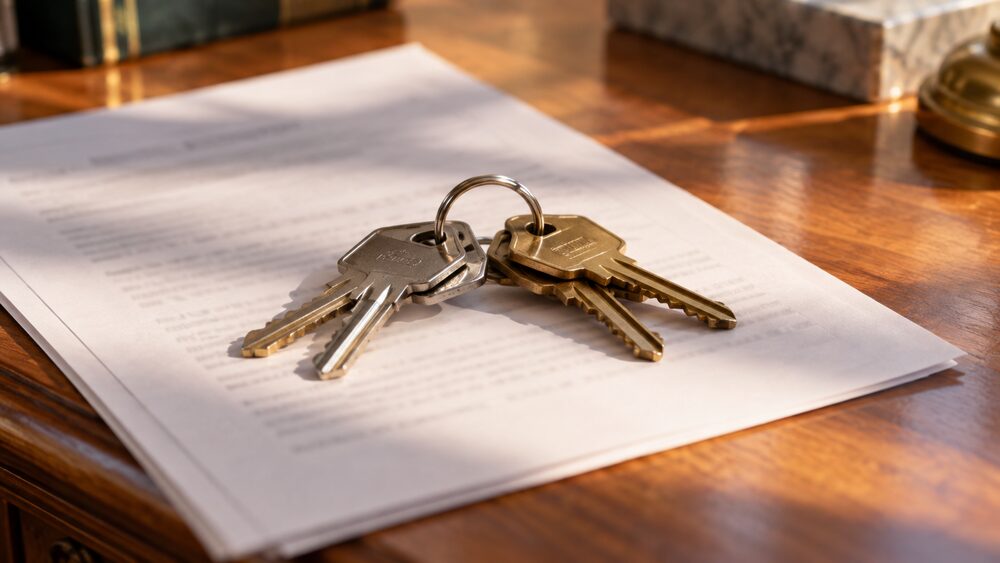
When you buy a home with someone else, you have to decide how you will own it together. In England, Wales and Northern Ireland there are two ways: joint tenants or tenants in common1. The choice affects what happens if one of you dies, whether you can leave your share to someone else, and how much of the property each of you owns.
As joint tenants, you own the whole property together. There are no separate shares, and if one of you dies, the property passes automatically to the surviving owner2. You cannot leave part of it to someone else in a will2. This is the usual arrangement for married couples and partners.
As tenants in common, you each own a separate share, and those shares do not have to be equal3. You can leave your share to whoever you choose in a will2. This is more common when buying with friends or family4.
Two ways to own a home together
The legal structure you choose at purchase determines what you can do with the property later. With a joint tenancy, each person owns the whole of the property, so each has a 100 per cent stake in its value2. There are no separate, identifiable shares5. If you sell, any profits are split equally4.
With a tenancy in common, each owner has a separate share, shown as a percentage6. These shares need not be equal. One person could own 70 per cent and another 30 per cent, for example5. A conveyancer will usually draw up a deed of trust recording the shares4.
The ownership type is recorded when the property is registered. It can be changed later, but doing so usually requires legal work and the agreement of all owners.
Joint tenancy: typically for partners and spouses
Joint tenancy is the most common way for couples to own a home together. Married couples that own property together would typically be joint tenants2. The same applies to unmarried partners and civil partners.
The defining feature is that you own the whole property together. You have equal rights to the whole property, meaning you both own all of it together7. There are no separate shares to divide.
This has a significant consequence for inheritance. As a joint tenant, you cannot leave part of the property to someone else in a will. If one of you dies, the property automatically passes to the other owner2. This is known as survivorship.
"If your property is held in a joint tenancy, your share of the property will pass to the surviving joint tenant automatically"
For couples who want the surviving partner to inherit the home automatically, this provides certainty without needing to make specific provision in a will. However, it also means you cannot use your will to direct your share elsewhere.
Joint tenancy can also apply to tenancies of rented property, where the rules differ. If you have a joint tenancy and one of you dies, the tenancy automatically goes to the remaining joint tenant or tenants9. Each joint tenant is responsible for the total amount of rent, not just their share, which is called being jointly and severally liable10.
Tenancy in common: separate shares that need not be equal
Tenancy in common lets each owner hold a distinct share of the property. You own a share of the property as a percentage, and these shares do not have to be equal in size6. For example, one person could own 60 per cent and another 40 per cent.
This structure is typically used by friends or relatives who are buying together2. It is also used by couples who want to keep their finances separate or who are contributing different amounts to the purchase.
The key difference from joint tenancy is what happens on death. Tenants in common can each leave their share of the property to whoever they like in their will2. When one owner dies, their share does not automatically pass to the surviving owner11. Instead, it forms part of their estate and goes to whoever they left it to.
"When one owner dies, their share does not automatically pass to the surviving owner."
This means that if you are tenants in common and want your share to go to the other owner when you die, you need to say so in your will. Without a will, the share passes according to the rules of intestacy, which may not reflect your wishes.
Up to four people can be tenants in common for an individual property5. Each beneficiary has a share of the property, and when one of them dies their share passes to their estate rather than to the remaining owner1.
Joint tenants or tenants in common: how each one works
The practical differences between the two ownership types show up in several areas.
| Feature | Joint tenants | Tenants in common |
|---|---|---|
| Ownership | Whole property together, no separate shares2 | Separate shares, need not be equal3 |
| Maximum owners | No stated limit in the sources | Up to four people5 |
| On death | Passes automatically to surviving owner2 | Forms part of estate, goes to whoever is named in will2 |
| Can leave in will | No2 | Yes2 |
| Typical users | Married couples, partners2 | Friends, relatives2 |
A charging order can change how you own your home. If a creditor takes action over an unpaid debt, a charging order changes a joint tenancy into a tenancy in common12. This means the affected owner's share becomes separate, which can have consequences for what happens to that share later.
If you are struggling with debt, free advice is available from charities such as StepChange. Sharing a mortgage means you have joint debts, and both of you can have action taken against you13.
Owning with a joint mortgage under either option
Most people buying together need a joint mortgage. If you are buying a property with someone else, you will need a joint mortgage14. You do not have to be in a relationship to get a joint mortgage15.
With a joint mortgage, both or all the borrowers will be equally liable for keeping up the repayments, even if someone moves out14. This is true regardless of which ownership type you choose.
Joint mortgages are usually shared by two people, but some lenders will allow up to four borrowers to share a mortgage3. For tenancy in common, you usually need a joint mortgage6.
In theory, each owner could mortgage their part of the property separately. But in reality few, if any, mortgage lenders would be willing to agree to this2. The mortgage is normally taken out jointly over the whole property.
If you decide to get a joint mortgage with friends, you are more likely to be tenants in common4. This allows you to record different shares and to leave your share to someone else if you die.
Which ownership type suits friends, relatives or couples
The right ownership type depends on your circumstances and what you want to happen if one of you dies or if you later decide to sell.
For married couples and partners who want the surviving partner to inherit the home automatically, joint tenancy provides that certainty. You both own the whole property together, and it passes to the survivor without the need for a will to specify it2.
For friends buying together, tenancy in common is more common4. It lets you record different shares, which matters if you are contributing different amounts. It also lets each of you leave your share to whoever you choose2.
For relatives buying together, the same considerations apply. If you want to leave your share to your own children rather than to the other owner, tenancy in common allows that. If you want the other owner to inherit automatically, joint tenancy does that.
For couples who are not married or in a civil partnership, the choice can be particularly important. Joint tenancy ensures the survivor inherits the home. Tenancy in common allows each partner to leave their share to someone else, which may be appropriate if there are children from a previous relationship.
If you are buying with someone else, it is worth taking legal advice on which ownership type suits your circumstances. A conveyancer can explain the options and draw up any deed of trust needed to record your shares.
Sources15 cited
- What if my house is in joint names but my partner has died? Equity Release Council
- Joint tenants vs tenants in common Which?, 2026-06-08
- What is a joint mortgage Yorkshire Building Society, 2026-09-26
- Joint mortgages Lloyds Bank, 2026-09-27
- Home buying and selling jargon HomeOwners Alliance, 2026-07-31
- Tenancy in common Experian, 2026
- Joint mortgages Experian, 2026
- How to make a will Which?, 2026-02-26
- How to leave your home to a disabled family member Scope, 2026-09-08
- Guarantors for private renters Shelter England, 2026-06-08
- Debts after death Business Debtline, 2026-09-26
- Charging orders and my home StepChange, 2026-09-25
- Debt solutions and your home StepChange, 2026-09-25
- Joint mortgages Shelter Cymru, 2026-08-28
- Mortgage Shelter Scotland, 2024-07-24

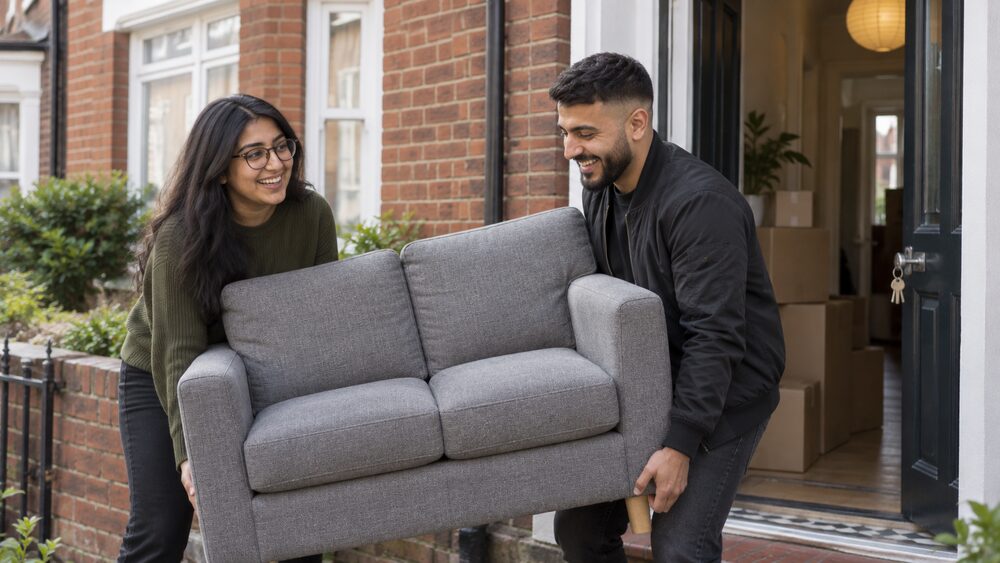


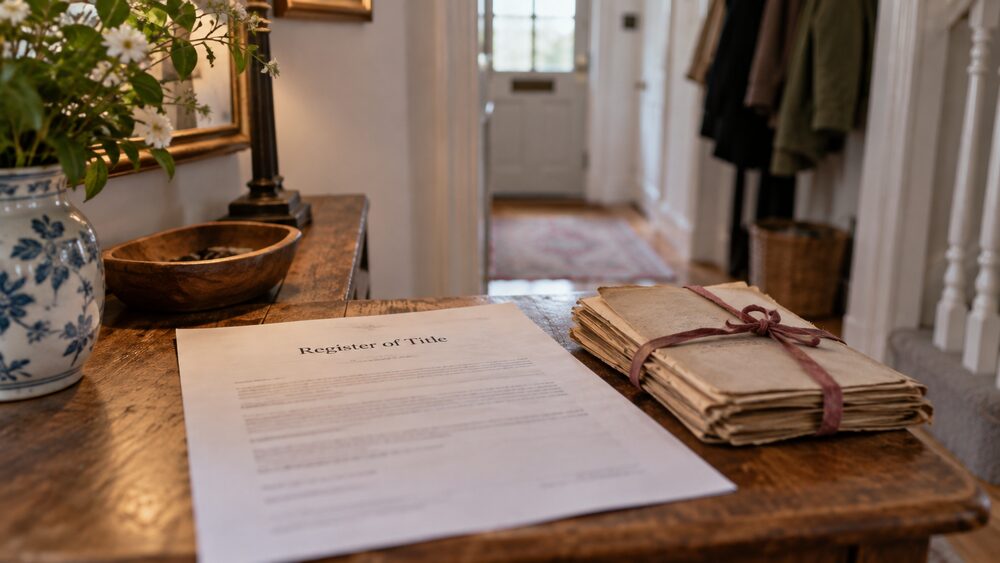

 MoneyHelperFree, impartial money and pensions guidance, set up by government
 Citizens AdviceFree advice on money, consumer and legal problems in England and Wales
 ShelterFree housing advice from a charity
 GOV.UKOfficial information on tax, benefits and government services
 Financial Ombudsman ServiceFree, independent help when a complaint about a firm is not put right