
Credit card cheques and pre-approved marketing letters arrive because providers want you to borrow more. The good news is that the rules have tightened. It is no longer legal for credit card providers to send out cheques you can use to withdraw money or pay for goods unless you have asked for them1. If you have not asked, you can tell your provider to stop.
Credit card cheques and pre-approved marketing letters arrive because providers want you to borrow more. The good news is that the rules have tightened. It is no longer legal for credit card providers to send out cheques you can use to withdraw money or pay for goods unless you have asked for them1. If you have not asked, you can tell your provider to stop.
You also have the right to opt out of marketing from your own provider and from other lenders whose offers arrive through the post. Once you tell an organisation to stop sending you marketing mail, it is obliged to stop within 28 days of the date of your message2. Registering with the Mailing Preference Service can cut addressed junk mail further, and the Information Commissioner's Office handles complaints about nuisance marketing that continues3.
This page explains why the cheques and letters come, how to stop them, what happens to your statements and credit score when you opt out, and what to do if unwanted card cheques arrive or marketing keeps coming.
Why card companies send cheques and marketing mail
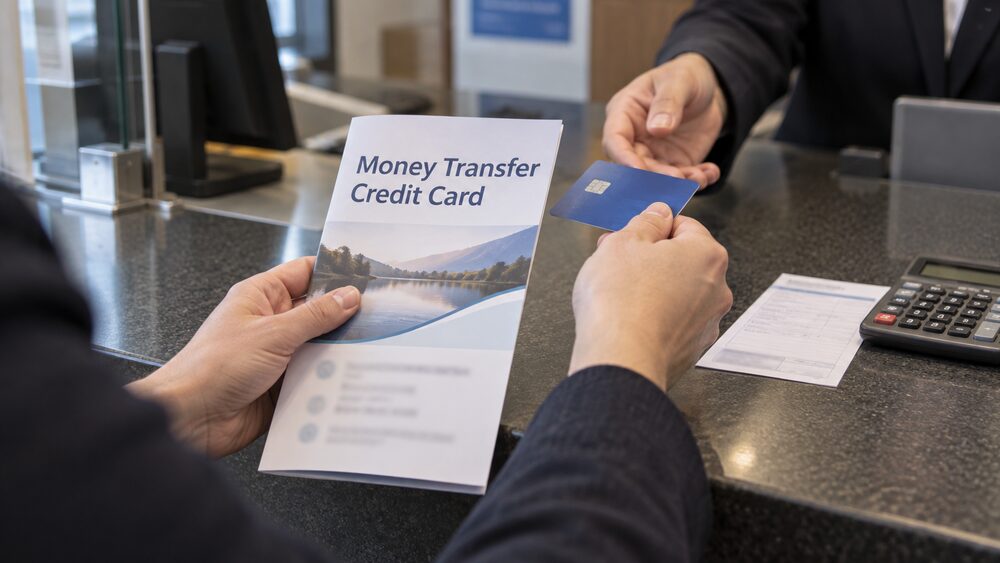
Credit card cheques let you transfer a balance, pay a bill or withdraw cash using a cheque drawn on your card account rather than your current account. Providers send them because they encourage borrowing, often at a higher rate than purchases. The Financial Conduct Authority's rules now say a firm may provide credit card cheques only to a customer who has asked for them4. That rule has been in force since 2014.
Marketing mail works differently. Providers and other lenders send pre-approved offers, balance transfer promotions and credit limit increase invitations because they want your business. The FCA has looked at how people respond to pre-contract credit information and found that participants were unlikely to engage with it as part of their decision-making process, often because they had already decided, were following default behaviour or felt overwhelmed by information8. In other words, the letters keep coming because they work.
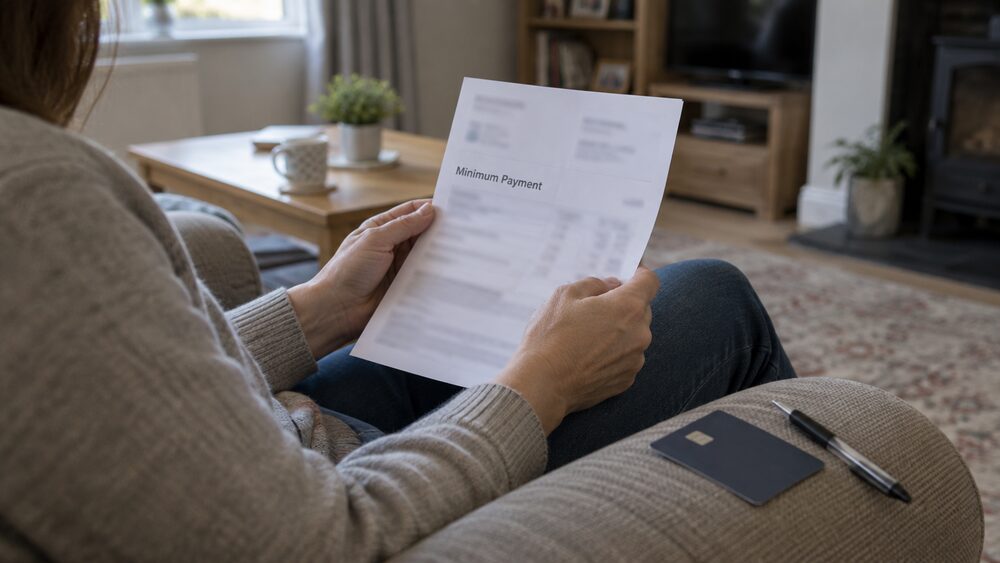
Some of this mail is useful. Providers must contact you to warn you of what might happen if you only make minimum payments1. All the credit card providers the FCA reviewed issued minimum payment letters to customers who regularly made only minimum payments, in line with voluntary industry commitments9. Those letters are not marketing and should not be stopped.
Ask your card provider to stop cheques and offers
The simplest step is to contact your card provider directly. Ask them to stop sending card cheques and to remove you from their marketing list for offers and promotions. You can do this by phone, in writing or through your online account, depending on the provider.
If you have a continuous payment authority set up on your card, for example for a subscription or a loan repayment, you can withdraw it by writing to your card issuer asking for the payment to be stopped10. A sample letter is available from Business Debtline10. Under the Payment Services Regulations, your bank or card provider must cancel the payment authority once you ask11. You can also cancel directly with the company taking the payment, or with your card issuer, which must stop payments immediately12.
For card cheques specifically, the law is on your side. It is no longer legal for credit card providers to send out cheques that you can use to withdraw money or to pay for goods or services, unless you have asked them to send these cheques1. If cheques arrive that you did not request, tell your provider and ask them to stop.
Opting out of pre-approved offers from other lenders
Pre-approved credit offers from other lenders arrive because your details appear on marketing lists. You can reduce these by opting out through the Mailing Preference Service and by contacting the lenders directly.
The FCA has proposed making it easier for people to reject catalogue credit and store card credit limit increases, and requiring clear information about buy now, pay later offers with prompts to repay within the offer period13. These proposals reflect a broader move towards giving consumers more control over unsolicited credit.
If you receive a pre-approved offer you did not ask for, you can contact the lender and ask to be removed from their marketing list. The same 28-day rule applies: they are obliged to stop sending you mail within 28 days of the date of your message2.
Mailing Preference Service: stopping addressed junk mail
The Mailing Preference Service is a free register that lets you stop direct marketing mail addressed to you5. Registering will stop many of the direct-mailing companies from contacting you15. It is one of the most effective single steps you can take to reduce addressed junk mail.
You can register with the Mailing Preference Service to have your name taken off direct mailing lists16. The service covers mail addressed to you personally, not unaddressed leaflets or mail from companies you already have a relationship with. It also does not stop mail from overseas.
For phone calls, the Telephone Preference Service is the equivalent register. It is a free service where you can register your preference not to receive unsolicited sales and marketing calls, although it may not stop overseas calls17. Registering will stop legitimate companies from making unsolicited sales and marketing calls to your phone number18.
Other practical steps include putting a "no junk mail" sign on your door, avoiding being added to mailing lists, and getting your name taken off direct mailing lists in the UK by contacting the Mailing Preference Service19.
| Service | What it stops | Cost |
|---|---|---|
| Mailing Preference Service | Addressed direct marketing mail5 | Free |
| Telephone Preference Service | Unsolicited sales and marketing calls from legitimate companies18 | Free |
| Provider opt-out | Marketing from your own card provider2 | Free |
| ICO complaint | Nuisance marketing that continues after opt-out3 | Free |
Unwanted card cheques: destroy them, don't cash them
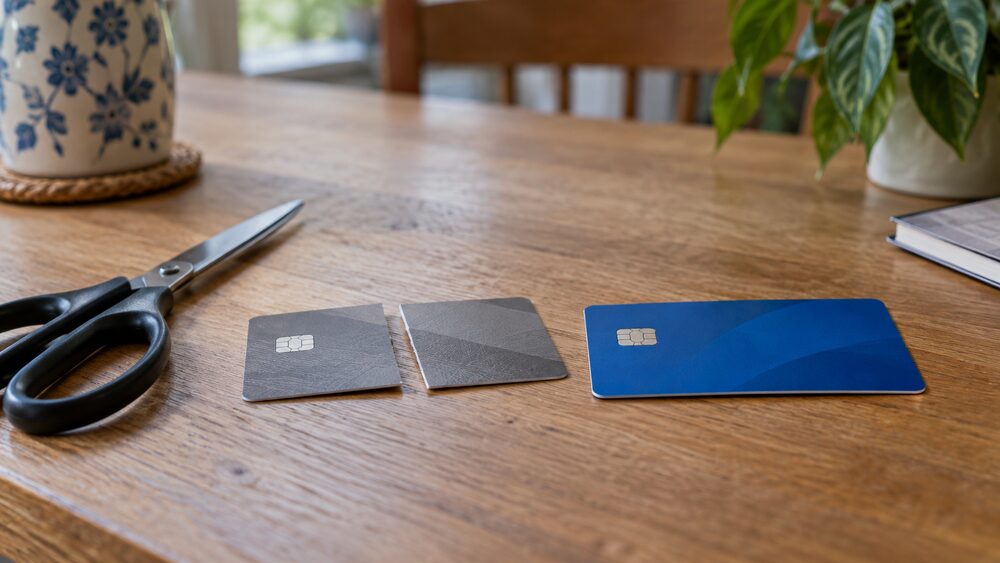
If you receive card cheques you did not ask for, do not use them. Destroy unwanted documents that have your personal or financial information on them20. Shredding is the safest method.
Card cheques are treated as cash-like transactions. That means they usually attract a higher interest rate than purchases and often a handling fee. Store card interest can also be higher than on bank loans or credit cards, so it is worth checking which is cheaper overall before using any form of card credit21.
If a card cheque is lost or stolen, inform your bank immediately. Keep your chequebook in a safe location and inform your bank of any missing or lost cheques22. The same principle applies to card cheques: treat them like cash and keep them secure.
If marketing keeps coming: complaints and the ICO
If marketing mail, emails or texts continue after you have opted out and 28 days have passed, you can escalate. The Information Commissioner's Office handles predatory, nuisance marketing calls3. You can report spam texts or report cold calls, whether they played a recorded voice or were from a real person, to the ICO25.
For electronic marketing, e-privacy laws may require organisations to have your consent before sending marketing to you by email, text message or some phone calls26. If you withdraw that consent and marketing continues, that is a breach you can report.
If you remain dissatisfied after complaining to an organisation, you can make a complaint to the ICO27. The ICO can take action against firms that break the rules on nuisance marketing.
For complaints about your card provider specifically, the Financial Ombudsman Service is the next step. In the first quarter of 2026/27, the ombudsman opened 5,783 complaints about credit cards, 757 about debit cards and 62 about business credit cards28. In the same quarter of 2025/26, it opened 6,600 new complaints about credit cards25.
Will I still get statements and important account letters if I opt out?
Yes. Opting out of marketing does not stop statements or important account letters. You will still receive monthly bank statements in the post, or you can opt to go paperless and receive statements by email or download them from your online account7.
Providers also tell customers when an introductory offer or promotional rate is about to end by text, email or letter, even if they have opted out of marketing30. These alerts are not marketing; they are required communications about your account.
Under FCA rules, a banking customer can elect not to receive periodic statements of account, but that is a separate choice from opting out of marketing31. If you choose not to receive statements, you will not receive them, so it is worth keeping them unless you are confident you can access them online.
The distinction matters because some people worry that opting out of marketing will cut them off from important information. It will not. Statements, rate change notices, minimum payment warnings and promotional rate expiry alerts all continue.
Does opting out of marketing affect my credit score?
No. Opting out of marketing does not affect your credit score. What does affect it is applying for lots of credit cards in a short space of time. Do not apply for a lot of credit cards in a short space of time, because getting a lot of rejections in a short period can hurt your credit rating6. Any failed application reduces your credit rating, a pattern known as the rejection spiral6.
Opting out of pre-approved offers can actually help by reducing the temptation to apply for credit you do not need. If you do not see the offers, you are less likely to apply on impulse.
If you are concerned about your credit file, you can check it for errors and signs of identity theft. One sign is being refused financial services, credit cards or a loan despite having a good credit rating14. You have the right to get your data corrected if it is wrong27.
Can I stop marketing emails and texts as well as letters?
Yes. E-privacy laws may require organisations to have your consent before sending marketing to you electronically, for example by email, text message or some phone calls26. You can withdraw that consent at any time.
If you receive spam texts or nuisance calls, report them to the ICO25. The ICO handles predatory, nuisance marketing calls3. Reporting helps the ICO take action against firms that break the rules.
For marketing emails from companies you have dealt with, use the unsubscribe link at the bottom of the email. For texts, reply STOP if the sender is a legitimate company. If the messages continue, report them to the ICO.
What should I do if someone uses a card cheque sent to my address?
If someone uses a card cheque sent to your address without your permission, report it to your card provider immediately as an unauthorised transaction. If your card provider will not give you your money back, report them to Trading Standards29.
Unwanted card cheques received through the post can be destroyed rather than cashed. Destroy unwanted documents that have your personal or financial information on them20.
If you are worried about fraud, free help is available. StepChange and National Debtline offer free debt advice, and the ICO can help with nuisance marketing complaints. The Financial Ombudsman Service can look at complaints about your card provider if you are not satisfied with their response.
Sources33 cited
- The costs and charges of credit cards Citizens Advice, 2026-09-25
- Personal data rights guide Resolver, 2026-09-26
- Nuisance calls Information Commissioner's Office, 2026-09-26
- CONC 2.3.5: Credit card cheques Financial Conduct Authority, 2014
- How to avoid a scam Independent Age, 2026-09-26
- Credit cards and bad credit scores StepChange, 2026-09-25
- Online banking Age UK, 2026-03-23
- Consumer Credit Act reform: consumer research Financial Conduct Authority, 2025-10
- Credit card market study: final findings Financial Conduct Authority, 2016-12
- Making the most of your money Business Debtline, 2026-09-26
- Consumer advice: other problems Anglesey Council, 2025-10
- Buy now pay later Business Debtline, 2026-09-26
- FCA high cost credit review response StepChange, 2026-09-25
- Identity theft Information Commissioner's Office, 2026-09-25
- Postal scams Age UK, 2026-04-13
- How to stop, avoid and report scams Consumer Council, 2026
- Consumer advice: other problems Anglesey Council, 2025-10
- Phone scams Which?, 2025-12-22
- Scams post nidirect, 2025-10-24
- Card fraud Take Five, 2026-09-26
- Plastic cards Citizens Advice, 2026-09-25
- Cheque scams Take Five, 2026-09-26
- Courier scams first direct, 2026
- Scams quiz Independent Age, 2026
- Quarterly complaints data Q1 2025/26 Financial Ombudsman Service, 2025-08-07
- Does an organisation need my consent? Information Commissioner's Office, 2026-09-26
- Your right to get your data corrected Information Commissioner's Office, 2026-09-26
- Quarterly complaints data Q1 2026/27 Financial Ombudsman Service, 2026
- Your payment card was used without your permission Citizens Advice, 2026-09-25
- Interest rates Nationwide, 2026
- BCOBS 4.2: Communications with banking customers Financial Conduct Authority, 2026-09-26
- Manage your Universal Credit claim GOV.UK, 2025-09-03
- How to spot, avoid and report scams StepChange, 2026-09-25








 MoneyHelperFree, impartial money and pensions guidance, set up by government
 StepChangeFree debt advice and solutions from a charity
 National DebtlineFree debt advice by phone, webchat and online
 Financial Ombudsman ServiceFree, independent help when a complaint about a firm is not put right
 Citizens AdviceFree advice on money, consumer and legal problems in England and Wales