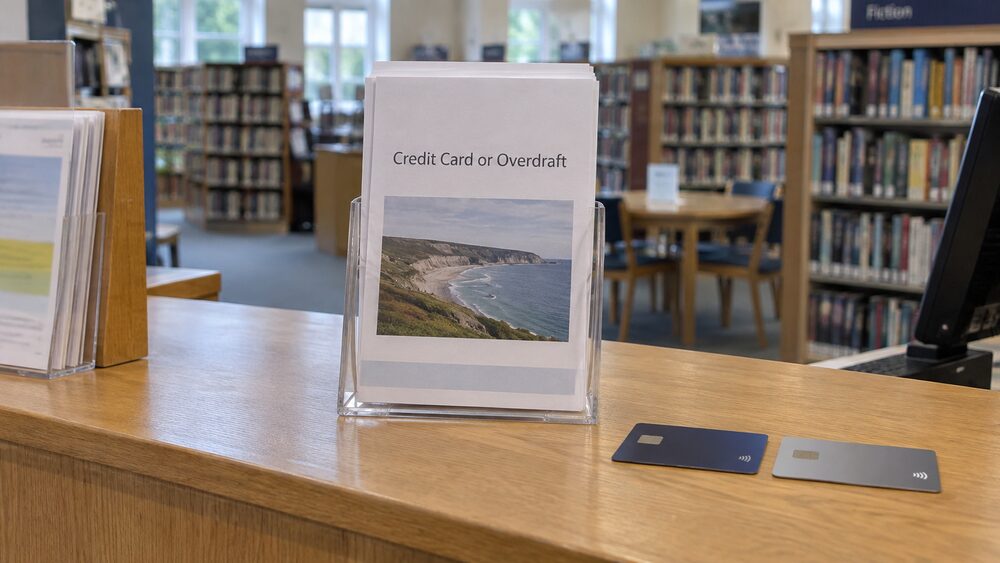
An overdraft is a type of credit that is linked to a bank account1. A credit card is separate borrowing with its own limit. Both let you spend money you do not have, but they are built for different situations and the costs work in different ways.
The main practical difference is what each one is for. Overdrafts should only be used for emergencies or as a short-term option2. Credit cards can suit planned purchases, especially if you clear the balance within the interest-free period or move the debt to a lower rate. Overdrafts are described as a very expensive way to borrow money due to high interest rates1, and you will usually pay expensive daily interest to use one3.
Since 6 April 2020, banks have not been allowed to charge more for unarranged overdrafts than for arranged overdrafts, and daily or monthly overdraft fees were banned4. Rates must now be calculated as a percentage of the amount borrowed5. That change made overdrafts cheaper if you do not use them often or use them in small amounts, but it can make them more expensive for people who borrow larger sums over longer periods6.
Overdrafts suit emergencies, credit cards suit planned purchases
An overdraft is attached to your current account. Current accounts usually come with an optional overdraft, cheque book and debit card, with Direct Debits and standing orders available1. The bank lets you spend more than your balance, sets a limit, and charges interest for using the overdraft, with no other charges1. Because it is linked to the account you use every day, it is easy to slip into without deciding to borrow.
A credit card works differently. You get a separate limit, and you choose when to use it. That makes it better suited to a planned purchase you can repay over a set period, or to a one-off cost you want to spread. It also gives you extra protection on eligible purchases, which an overdraft does not.
The two are not interchangeable. An overdraft is repayable on demand, so a bank can ask for the whole amount back in one go10. A credit card balance is repaid on a schedule you control, subject to minimum payments. If you are choosing between them for a specific cost, the question is whether you can clear the balance quickly and whether the purchase needs protection.
How a credit card works
A credit card gives you a credit limit, and you can spend up to that limit. Some credit cards have a credit limit, meaning you will be charged if you go over it11. Each month you get a statement and must pay at least the minimum. If you clear the full balance by the due date, you usually pay no interest on purchases.
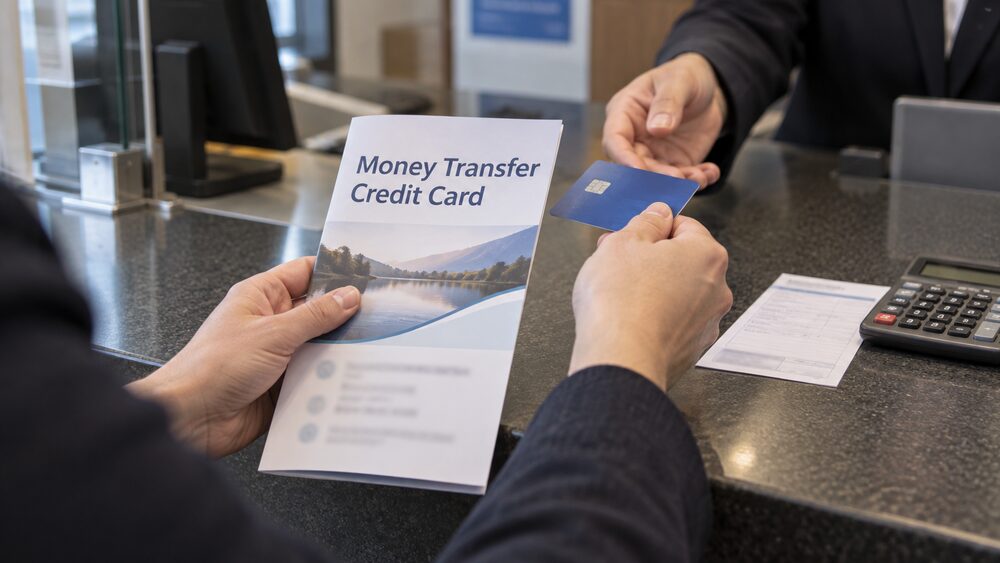
Interest on a card is charged at different rates depending on what you do. There is a purchase rate for when you use your card to buy things, a balance transfer rate for when you move what you owe on one card to another, and a cash transaction rate for when you use your credit card to take money out of a cash machine or get cashback at a till12. Each rate applies to a different kind of transaction, which is why the same card can be cheap for one use and expensive for another.
You cannot be charged extra for using a credit or debit card13. That surcharge ban means the price you see is the price you pay, whether you use a card or cash.
If you are paying someone for work, paying by credit card rather than cash gives extra protection, and you may be able to get your money back if something goes wrong14. That protection is one of the clearest differences between the two ways of borrowing.
What each one costs: interest, fees and charges
Overdraft costs are now simpler than they were. Interest on all overdrafts is charged at a single annual interest rate (APR), making it easier to compare charges between accounts2. There are usually fees or interest if you spend more than you have in your account, including if there is not enough to cover a Direct Debit or standing order15. The bank will charge you interest on a daily basis and can ask that the overdraft is cleared on demand16.
The rate you pay varies. The effective interest rate on interest-charging overdrafts was 22.21% in March 20247. Credit union current accounts offer access to borrow money using an overdraft, normally with daily interest up to 42.6%8. Some older sources describe a monthly fee and a setting up fee for an overdraft, which can make it an expensive way to borrow money17, though the 2020 rule change banned daily and monthly overdraft fees4.
Credit card costs depend on how you use the card. If you clear the balance each month, purchases are usually interest-free. If you carry a balance, interest is charged, and the rate depends on the type of transaction12. Firms are required to allocate repayments to the debt subject to the highest rate of interest18, which means your most expensive debt gets cleared first.
| Feature | Overdraft | Credit card |
|---|---|---|
| Where it sits | Linked to your current account1 | Separate account with its own limit12 |
| How interest is charged | Single annual rate, daily interest2 | Different rates for purchases, transfers and cash12 |
| Fees | No other charges on arranged overdrafts1 | Depends on the card and transaction type12 |
| Repayment | Repayable on demand10 | Minimum payment each month12 |
| Purchase protection | None | Section 75 on eligible purchases9 |
Arranged or unarranged overdraft: what changes
An arranged overdraft is one you have agreed with your bank in advance. The bank sets a limit, charges interest for using it, and there are no other charges1. You will be charged much less if you agree the overdraft beforehand13.
An unarranged overdraft is different. These are also known as unplanned or unarranged overdrafts and happen when you spend more than you have in your bank account without agreeing it in advance, including going over the limit of an authorised overdraft2. An unarranged overdraft is a regulated credit agreement that arises as a result of a personal current account becoming overdrawn in the absence of an arranged overdraft, or the firm making available funds which exceed the limit of an arranged overdraft10.
The rules changed in 2020. Since 6 April 2020, banks have not been allowed to charge more for unarranged overdrafts than for arranged overdrafts, and daily or monthly overdraft fees were banned4. For personal current accounts, banks and building societies can no longer charge more for an unauthorised overdraft than for an authorised overdraft10. Where a customer has an arranged overdraft on a personal current account with a rate of interest above zero, the unarranged overdraft must be charged at a rate computed, structured and presented in an identical manner, although the level of the rate may be lower19.
The 2020 changes to overdrafts mean the end of unarranged overdrafts as a separate, more expensive product. Banks cannot increase interest and fees once you reach your overdraft limit6.
Protection on purchases: where a credit card differs
This is the clearest practical difference between the two. Paying by credit card gives extra protection under Section 75 of the Consumer Credit Act9. The credit card company has equal responsibility with the seller if there are any problems with the items you have bought20.
The cover has limits. Section 75 card protection applies to credit card purchases where the cost was more than £100 and less than £30,0009. Items costing over £100 and under £30,000 are covered under the Consumer Credit Act20. The protection only applies to credit card purchases, not debit card purchases21. It does not apply to charge cards either9.
An overdraft gives you no equivalent protection. If you pay for something from your current account, even if the account is overdrawn, you do not get Section 75 cover. That is why paying by credit card rather than cash gives extra protection when you are paying for work14, and why using a credit card to book a package holiday is also a good idea, as you will be given extra protection under Section 7522.
You might have more protection if you paid for something with a credit card23. For a purchase you might need to dispute, that protection can matter more than a small difference in interest.
Effect on your credit file
Using an overdraft does not automatically damage your credit file, but how you use it can. Your credit rating can be affected if you often go over your overdraft limit or owe too much on your overdraft6.
Missing payments has a wider effect. Missing payments to credit cards, unsecured loans, catalogues, overdrafts and store cards can affect your credit rating, which would make it harder to get credit in the future24. Payments to credit cards, unsecured loans, catalogues, overdrafts and store cards are not seen as priority payments24, which means they sit lower in the order of debts to deal with if money is short, but that does not make missing them harmless.
Both overdrafts and credit cards appear on your credit file. Lenders look at how much of your available credit you are using and whether you keep within limits. Staying within an agreed overdraft limit and clearing the balance helps; going over the limit or carrying a large balance for a long time does not.
If you are struggling with overdraft or card debt
Certain types of borrowing, such as overdrafts, revolving credit on your credit card and payday loans, charge higher interest25. If you are going into your overdraft every month, it may be a sign that you need free, expert debt advice26.
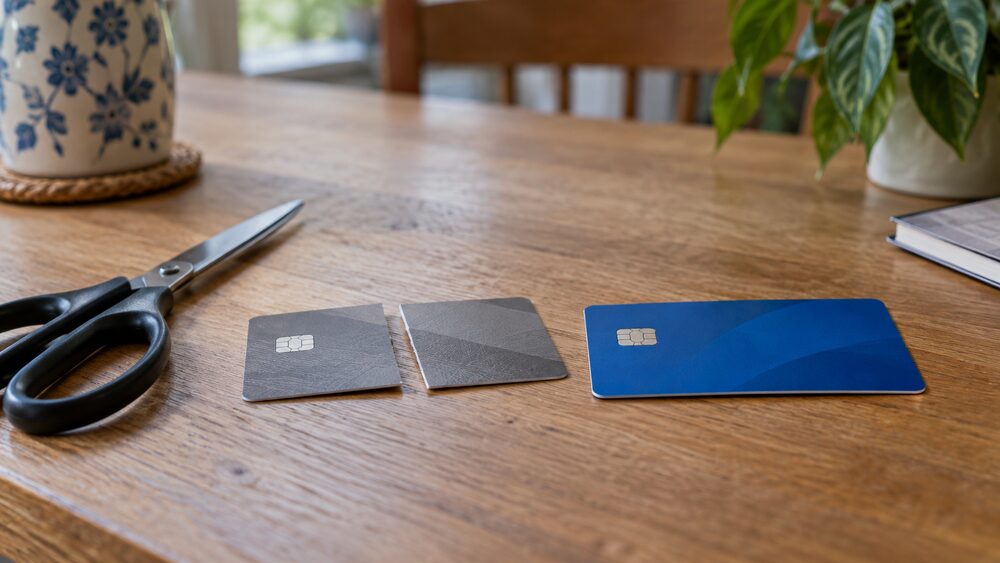
There are steps you can take. If you have credit card debt, the first thing to do is stop using the credit card you want to pay off, so the amount you owe stops growing and it is quicker to repay27. For an overdraft, one option is to repay the balance using credit with a lower interest rate, such as a balance transfer to a credit card or an affordable loan26. A balance transfer moves the debt to the card, usually for a fee, and you then repay the card.
If you have an interest-free overdraft with the same bank as other debts, you could treat such debts as priorities so that you keep the overdraft, because if the bank starts charging interest your overdraft could increase very quickly28. Credit debts such as bank loans, credit cards and overdrafts are usually a lower priority than debts to your university or college or council tax, because they cannot be enforced by evicting you from your home, sending you to prison or disconnecting an essential service28. Common examples of non-priority debts include credit cards, bank loans and some overdrafts30.
If you are worse off after the April 2020 overdraft changes, you can contact your bank, which might reduce or waive interest, offer a continuation of overdraft borrowing at the current rate of interest, or agree on a repayment programme possibly including a personal loan2. Under the FCA's overdraft repeat use rules, options a firm could identify may include advice on budgeting and money management, forbearance and other support including reducing or waiving interest and other charges, refinancing to an alternative credit agreement on more favourable terms, or agreeing staged reductions in the overdraft limit and balance31.
You can switch current accounts even if you are overdrawn. You can switch using the Current Account Switch Service even if you are overdrawn2. Some providers will even let you switch if you have a large overdraft debt outstanding, but there may be a charge to do this29.
Free, confidential and independent advice is available from a debt adviser32. StepChange, Which? and Citizens Advice all offer free debt advice resources33. If you owe money to HMRC, you can also get free, confidential and independent advice from a debt adviser32.
Who regulates overdrafts and credit cards
Both are regulated by the Financial Conduct Authority. Credit cards are regulated under the Consumer Credit Act 1974, the Payment Services Regulations 2009 and the FCA's Consumer Credit Sourcebook (CONC)18. Overdrafts are covered by CONC rules, including the overdraft charging and repeat use rules10. The FCA's consumer credit lending rules apply where a firm has entered into a current account agreement where the account-holder may overdraw without a pre-arranged overdraft or exceed a pre-arranged overdraft limit and this would be a regulated credit agreement34.
The regulator changed in 2014. In April 2014, the OFT was closed and its consumer credit responsibilities were transferred to the FCA35. Credit unions are regulated by the Financial Conduct Authority36.
The Consumer Credit Act reform covers credit cards, loans, overdrafts, store cards, high-cost credit loans and hire purchase35. The word "overdraft" may not describe any running-account credit agreement except one enabling the debtor to overdraw on a current account37.
If you have a complaint about an overdraft or credit card that the provider has not resolved, you can take it to the Financial Ombudsman Service. The ombudsman can look at complaints about credit borrowing, including payday loans and similar products38.
Sources38 cited
- Overdraft debt StepChange, 2026-09-25
- Overdrafts explained MoneyHelper, 2026-09-25
- How to choose the right bank account MoneyHelper, 2026-09-25
- Nine ways to tackle your debts Which?, 2022-01-09
- Overdraft market review House of Commons Library, 2026-07-08
- Overdrafts: things to consider StepChange, 2020
- Money and credit: March 2024 Bank of England, 2024-04-30
- Credit union current accounts MoneyHelper, 2026-09-25
- I want to return something bought online Which?, 2026-03-10
- CONC 5C.5: Overdraft rules FCA, 2025-03-13
- Making the most of your bank account Independent Age, 2026-09-26
- Credit card debt StepChange, 2026-09-25
- Top tips for borrowing Citizens Advice, 2026-09-25
- Credit cards and bad credit scores StepChange, 2026-09-25
- Choosing a bank account for your Universal Credit payment MoneyHelper, 2026-09-25
- Basic bank accounts Advice NI, 2026
- Overdrafts and other bank debts nidirect, 2025-11-07
- Credit card market study FCA, 2015-11
- CONC 5C.2: Overdraft charging FCA, 2020
- Consumer advice: other problems Isle of Anglesey County Council, 2025-10
- The Consumer Credit Act Which?, 2025-06-18
- I have to cancel my package holiday: what are my rights Which?, 2026-03-10
- Buying used disability equipment Scope, 2025-11-19
- Priority and non-priority debts Mental Health and Money Advice, 2025-09-08
- What do I need to know about debt Bank of England, 2025-08-19
- How can I stop living in my overdraft StepChange, 2026-09-25
- Paying off credit card debt StepChange, 2026-09-25
- Student money and debt (Scotland) National Debtline, 2026-09-26
- Graduate overdrafts StepChange, 2026-09-25
- Student money and debt (England and Wales) National Debtline, 2026-09-25
- CONC 5D: Overdraft repeat use FCA, 2026-06-26
- Find out what to do if you owe money to HMRC GOV.UK, 2025-08-18
- Cost of living crisis: debt support FSCS, 2026-09-25
- CONC 6.3: Consumer credit lending FCA, 2014
- Consumer Credit Act reform: consumer research insight report FCA, 2022-12
- Credit Unions Welsh Government, 2025-03-20
- The Consumer Credit (Advertisements) Regulations 1989 legislation.gov.uk, 1989-07-05
- Payday loans Financial Ombudsman Service




 MoneyHelperFree, impartial money and pensions guidance, set up by government
 StepChangeFree debt advice and solutions from a charity
 National DebtlineFree debt advice by phone, webchat and online
 Financial Ombudsman ServiceFree, independent help when a complaint about a firm is not put right
 Citizens AdviceFree advice on money, consumer and legal problems in England and Wales