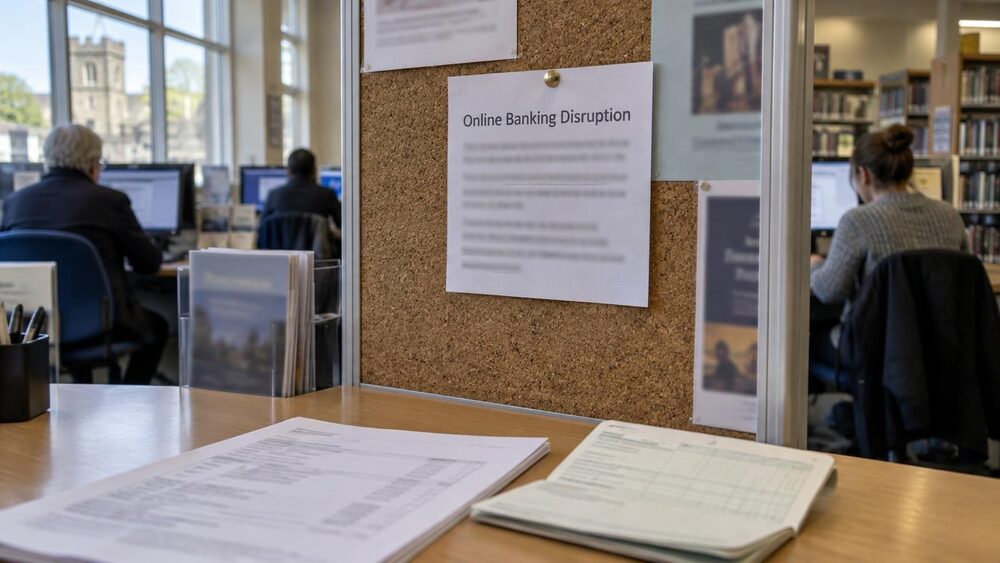
An outage at Amazon Web Services (AWS) on the morning of 20 October 2025 caused disruption to online and mobile banking at Lloyds Bank, Halifax and Bank of Scotland, all part of Lloyds Banking Group1. The group confirmed that AWS issues caused the outages, and said in an updated statement that some services had since come back online, although not all had been restored1.
The disruption was not confined to banking. AWS, described as the world's largest cloud computing provider, underpins many online platforms through its storage and database services, and the same fault took down other major apps and websites including HMRC, Snapchat and Duolingo1.
Lloyds Banking Group posted on X:
"You may have seen reports of issues with Amazon Web Services affecting a number of websites and apps across the UK today. We know this is impacting some of our services right now. We're sorry about this. Please bear with us as we investigate this."
Which? warned consumers to remain vigilant while services were being restored, noting that scammers often exploit confusion during outages by sending fake emails or texts claiming to be from banks or companies such as Amazon1.
Large-scale outages of this kind, where multiple apps and websites are hit at once, are becoming more frequent because so many companies rely on the same cloud providers, meaning a single fault can ripple across hundreds of services1. According to a Treasury Committee report cited by Which?, customers of the UK's major banks and building societies suffered the equivalent of more than a month of IT failures between January 2023 and February 20251.
Why it matters for households
Customers of the three affected brands who could not reach their accounts during the outage may have been unable to make payments or check balances. Banks are not legally required to pay compensation simply because they experience an outage or technical issue, and the system for banking differs from telecoms, where compensation is due for loss of services such as broadband1. Compensation may be payable depending on how badly the disruption affected a customer, which can include missed bill payments leading to late payment fees or overdraft fees, and a negative effect on a credit score1.
The Financial Ombudsman Service (FOS) can order a bank to pay compensation if it finds a customer was treated unfairly or left out of pocket, and can also require a bank to correct a credit file. The FOS can usually get involved 15 days after a concern has been raised with the bank, sometimes sooner1. Which? advises gathering financial records, proof of contact and documents showing the impact, such as a credit score affected by missed payments, before making a formal complaint1.
What happens next
Lloyds Banking Group said some services had come back online but not all had been restored, and that it was investigating1. No further timetable for full restoration has been reported.

 FSCSProtects your money if a bank, insurer or investment firm fails
 Financial Ombudsman ServiceFree, independent help when a complaint about a firm is not put right
 MoneyHelperFree, impartial money and pensions guidance, set up by government
 Citizens AdviceFree advice on money, consumer and legal problems in England and Wales