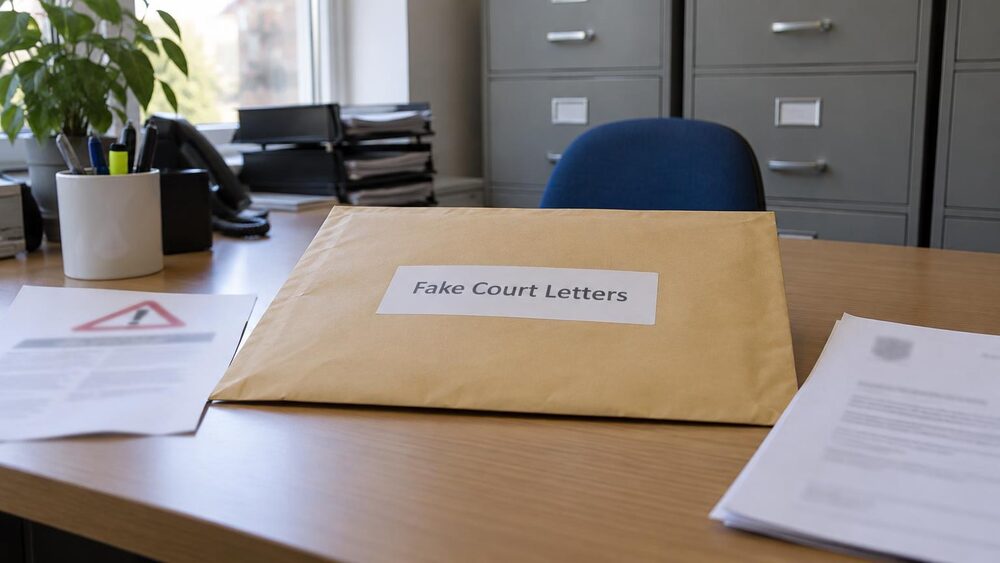
Which? has reported a rise in fraudulent debt collection letters claiming to be from HM Courts & Tribunals Service (HMCTS), the government agency managing courts and tribunals in England and Wales, along with cold calls claiming to help with debts1. The consumer body published its warning on 20 August 20251.
The letters state that the recipient has unpaid debts and is being summoned to court, and have triggered warnings from both HMCTS and a branch of Scotland's Citizens Advice Bureau1. A copy seen by Which? says the recipient owes £5,985 including interest to a financial firm, and includes a number to call to avoid "any further action being taken against you"1. The letter warns that a county court judgment could be made against the recipient if they do not respond within seven days, affecting their credit file1.
The number in the letter has been reported as a scam1. One recipient reported that the caller asked them to put money in an envelope and post it, while another report said the fraudsters claimed to be from the Financial Ombudsman Service1.
Separately, reports logged on Who Called Me?, a scam-call database, describe unexpected calls claiming to be from debt advice companies, impersonations of Citizens Advice, and calls from a debt management company called "Debt Solutions"1. Other calls involved attempts to sell a product that could help pay off debts, and fraudsters claiming to help with tax and loan repayments1.
"Reports of dodgy debt collection letters claiming to be from HM Courts & Tribunals Service (HMCTS) ... have spiked in recent weeks, along with cold calls claiming to help with debts."
Why it matters for households
A county court judgment registered against someone affects their credit file, which can feed into decisions on borrowing, and the letters use a seven-day deadline to push recipients into responding before checking whether the demand is real1. The sums involved are not small: the letter Which? saw cited £5,985 including interest1.
The scam calls target people who may already owe money, offering debt help, tax or loan repayment assistance, or claiming to be from Citizens Advice or the Financial Ombudsman Service1. Anyone who receives a demand can contact the organisation the debt is supposedly owed to using a number from its official website, and can call their local county court if the letter or call claims to be from an HMCTS bailiff1. Numbers can be checked against reports on Who Called Me?, and firms claiming money is owed can be checked against the Financial Conduct Authority's register1.
Fake letters can be reported to Royal Mail1. Scam calls on an iPhone can be reported by texting the word "call" followed by the phone number to 7726; on Android, by texting the word "call" to 77261. Anyone who loses money is advised to call their bank immediately using the number on the back of their card, and to report it to Action Fraud, or call police on 101 in Scotland1.
Our guides on stopping nuisance calls and scam mail and what to do when a debt collector calls, visits or threatens you cover the practical steps, and the debt guide sets out how genuine debts and their solutions work.
What happens next
No further action, deadline or response from HMCTS, the Financial Ombudsman Service or Citizens Advice has been reported1.
Sources1 cited
- Debt scam warning - Which? which.co.uk
 FCA Warning ListCheck whether a firm is authorised before you deal with it
 Financial Ombudsman ServiceFree, independent help when a complaint about a firm is not put right
 Citizens AdviceFree advice on money, consumer and legal problems in England and Wales
 MoneyHelperFree, impartial money and pensions guidance, set up by government