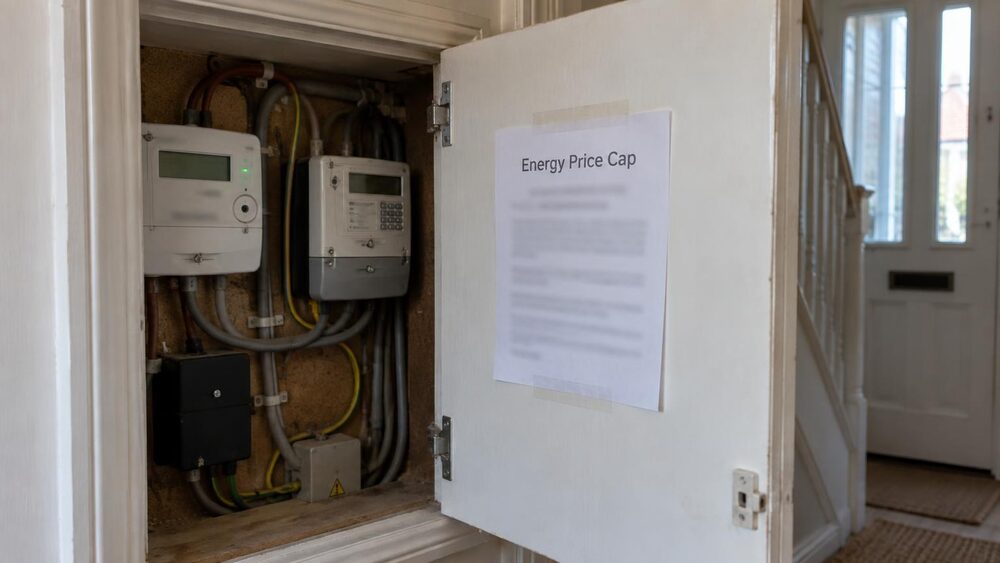
Ofgem announced a new energy price cap on 23 May 2025, and the gap between the two main ways of paying remains in place: people who pay after they receive their bill, known as standard credit, will still pay £135 more per year than those paying by direct debit1.
The announcement coincided with research published by Fair By Design, an independent organisation, which surveyed people on low incomes about how they pay for energy. It found that 57% did not realise they were paying more because they wait to pay until after their bill arrives, compared with someone paying by direct debit1. Among those who did know about the extra charge, 94% thought it was much smaller than it is, and 60% put the extra charge below £50 a year, when in reality it is over £135 per year, or £120 at the time of the survey1. Four out of five people, 78%, said they believed it was not fair that consumers are charged extra for energy because of the way they pay1.
Maria Booker, Head of Policy at Fair By Design, said:
"The majority of people have no idea that they are being charged over £130 more for energy just because of how they pay. This is another blow to households on low incomes, who have to pay this way because they cannot afford to pay via direct debit or they don't have a bank account."
The organisation said its survey showed many people use this payment method because they want to stay in control of their spending and only pay for the energy they have used, and that they feel they are being ripped off for choosing a method of payment that suits them1. It said it wants the extra costs for paying on receipt of a bill eliminated permanently, and that everyone deserves to know the extra charge exists so they can make an informed choice about how they pay1.
The energy price cap limits what suppliers can charge for each unit of gas and electricity and for standing charges on default tariffs. The standard credit premium is the difference between what those customers pay and what direct debit customers pay. The Energy Price Guarantee was the separate bill support scheme that ran alongside earlier caps.
Why it matters for households
The £135 figure is an annual difference for a household on typical usage paying by standard credit rather than direct debit, and it applies under the cap announced on 23 May 20251. For households already on low incomes, the research indicates the premium is often not recognised: most of those who knew about it believed it was under £50 a year1. The survey also records that some households pay this way because they cannot afford to pay by direct debit or do not have a bank account1.
The practical effect is that two households using the same amount of energy can face different annual bills depending on how they pay, and the difference is not removed by the new cap1. The research does not report how many households pay by standard credit, and no figure for the total number of affected customers appears in it1.
What happens next
Fair By Design has called for the extra costs of paying on receipt of a bill to be eliminated permanently1. Ofgem has not said it will remove the differential; the announcement reported here confirms it remains at £135 per year1. No date has been reported for any change to the standard credit premium.
 Financial Ombudsman ServiceFree, independent help when a complaint about a firm is not put right
 FSCSProtects your money if a bank, insurer or investment firm fails
 FCA Warning ListCheck whether a firm is authorised before you deal with it
 MoneyHelperFree, impartial money and pensions guidance, set up by government
 Citizens AdviceFree advice on money, consumer and legal problems in England and Wales