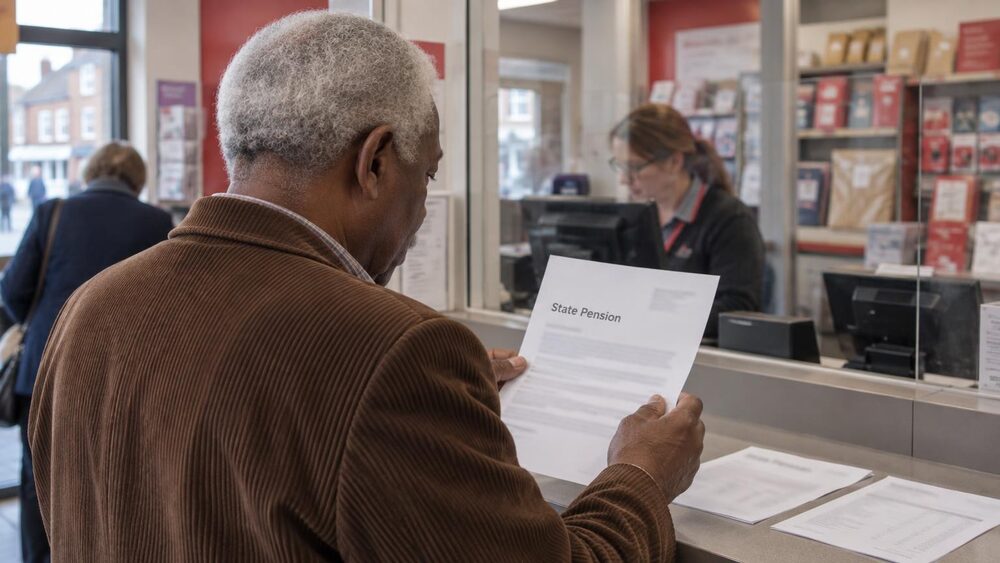
The state pension will rise by 4.1% in April 2025, taking the full rate of the new state pension to £230.30 a week, or £11,975 a year1. The uprating follows the triple lock, the guarantee introduced by the Conservative-Liberal Democrat coalition government in 2011 under which payments rise each year by whichever is highest of September's Consumer Prices Index inflation, average earnings growth to July, or 2.5%1.
Average wage growth for the May to July period was first published by the Office for National Statistics as 4%, but was revised to 4.1% because of late data1. September's CPI inflation figure was 1.7%1. The 4.1% earnings figure is therefore the highest of the three and sets the increase1.
For pensioners receiving the full new state pension, the rise is worth £473 a year, up from £221.20 a week or £11,502.40 a year in 2024-251. The full basic state pension, paid to people who reached state pension age before April 2016, rises from £169.50 a week (£8,814 a year) to £176.45 a week, or £9,175 a year, a boost of £3611.
| Measure | 2024-25 | 2025-26 |
|---|---|---|
| Full new state pension (weekly) | £221.20 | £230.30 |
| Full new state pension (annual) | £11,502.40 | £11,975 |
| Full basic state pension (weekly) | £169.50 | £176.45 |
| Full basic state pension (annual) | £8,814 | £9,175 |
Sources:1
Qualifying for the full new state pension requires at least 35 qualifying years of National Insurance contributions, and at least 10 years to receive anything at all; people who reached state pension age before April 2016 need 30 years for the full basic state pension1. State pension age is currently 66 for men and women, rising gradually to 67 between 2026 and 2028 for those born on or after April 1960, with a further gradual rise to 68 between 2044 and 2046 for those born in or after 19771.
"This means the state pension will rise by 4.1% in April."
Why it matters for households
The full new state pension of £11,975 in 2025-26 falls £594 short of the personal allowance, which is set to remain at £12,570 for most people2. The state pension is paid gross, without tax deducted, but counts towards total income, so anyone with a workplace pension or other income on top is likely to be paying basic-rate tax already1.
The personal allowance is frozen at £12,570 until 2028, and the Chancellor confirmed in the Autumn Budget that income tax thresholds will start rising with inflation from that point2. On the guaranteed minimum triple lock increase of 2.5% a year, the full new state pension would reach £12,272 in 2026-27 and £12,578 in 2027-28, exceeding the personal allowance by £8 and producing a theoretical tax bill of £1.60 for a pensioner whose only income is the state pension2. Those figures assume the 2.5% floor applies; a higher increase from inflation or earnings would draw pensioners further above the allowance2.
The new state pension is paid to people who reach state pension age after 5 April 20163. The amount received depends on the National Insurance record, and those with between 10 and 35 qualifying years receive a proportion of the full rate3. Voluntary Class 3 contributions can fill gaps in a National Insurance record, usually for the last six tax years, but people who reached or will reach state pension age after 6 April 2016 have had the option to fill gaps back to 2006, with a deadline of 5 April 2025; filling gaps from 2006 to April 2023 costs £15.85 a week, or £824 a year4.
What happens next
The 4.1% increase takes effect from April 20251. The deadline for filling National Insurance gaps back to 2006 is 5 April 20254. State pension age rises to 67 between 2026 and 20281. From April 2027, money left in pensions will be included with the rest of an estate for inheritance tax purposes4.

 Pension WiseFree guidance on your options for a defined contribution pension, from age 50
 FSCSProtects your money if a bank, insurer or investment firm fails
 GOV.UKOfficial information on tax, benefits and government services