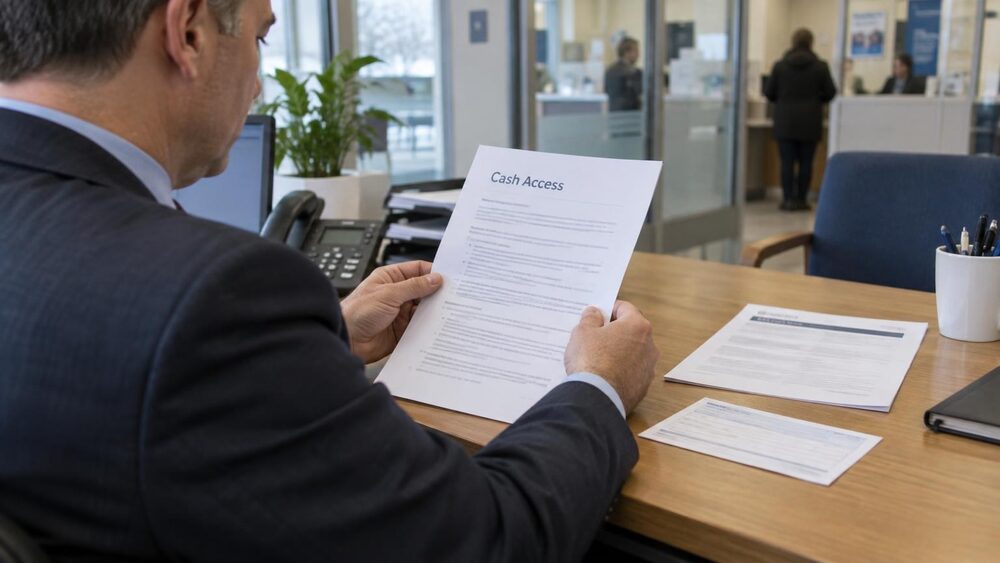
The Financial Conduct Authority (FCA) intends that its rules making cash access reviews a legal requirement will be in force by the end of 2024, according to a parliamentary briefing published in 20241. The rules follow the Financial Services and Markets Act 2023, which gave the FCA powers to protect access to cash, though not wider banking services1. The FCA consulted on the rules and could widen the number of areas eligible for new services1.
The number of bank branches and cash machines has been falling over the past decade, as consumers increasingly use online banking and digital payments1. The briefing states that this risks financially excluding people who rely on cash, who are overrepresented among older people and people in poor health1. The ATM network LINK, which is run by banks, sets higher fees for withdrawals from isolated and low-use ATMs to make running them more attractive to ATM operators1. LINK also runs access to cash reviews when banks plan closures or if local residents ask for a review, which can result in new ATMs or banking hubs1. Banking hubs provide face-to-face banking services and are operated by the Post Office1.
Separately, the briefing covers account closures. In June 2023, the bank Coutts closed Nigel Farage's bank account after raising concerns about his political views1. The briefing says the scandal prompted the FCA to review account closures and led the government to propose draft regulations to further protect consumers1. A Treasury Committee inquiry found that eight UK banks closed over 140,000 small business accounts in the first 11 months of 20231. The FCA says this is often because banks have to close accounts when unable to conduct "know your customer" checks required by money laundering regulations, or are concerned about accounts potentially being used for financial crime1.
In March 2024 the government published proposals requiring banks to give 90 days' notice before terminating an account and to fully explain the reason for doing so1. The briefing states that these measures would not compel banks to change how they make decisions about account closures1. It adds that although large banks have to offer a basic bank account to individuals, this does not apply to organisations, which can leave organisations with no bank account access at all1.
"It intends that these rules will be in force by the end of 2024."
Why it matters for households
The cash access rules, once in force, would make reviews of local cash provision a legal requirement rather than an industry arrangement run by LINK1. The briefing does not set out which areas would qualify or what services would follow from a review. People who rely on cash, described in the briefing as overrepresented among older people and people in poor health, are the group most directly affected by falling branch and cash machine numbers1.
On account closures, the March 2024 proposals would give account holders 90 days' notice before termination and a full explanation of the reason1. The briefing notes these measures would not compel banks to change how they make decisions about account closures1. Individuals and small businesses who feel they have been de-banked unfairly can complain to the Financial Ombudsman Service if unsatisfied with how their bank deals with their complaint1. The briefing does not state when the account closure proposals would take effect.
What happens next
The FCA intends the cash access rules to be in force by the end of 20241. The briefing does not give a specific commencement date, and no further timetable for the account closure proposals is reported1.
Sources1 cited
- Access to banking services and cash commonslibrary.parliament.uk

 Financial Ombudsman ServiceFree, independent help when a complaint about a firm is not put right
 FSCSProtects your money if a bank, insurer or investment firm fails
 FCA Warning ListCheck whether a firm is authorised before you deal with it
 MoneyHelperFree, impartial money and pensions guidance, set up by government
 Citizens AdviceFree advice on money, consumer and legal problems in England and Wales