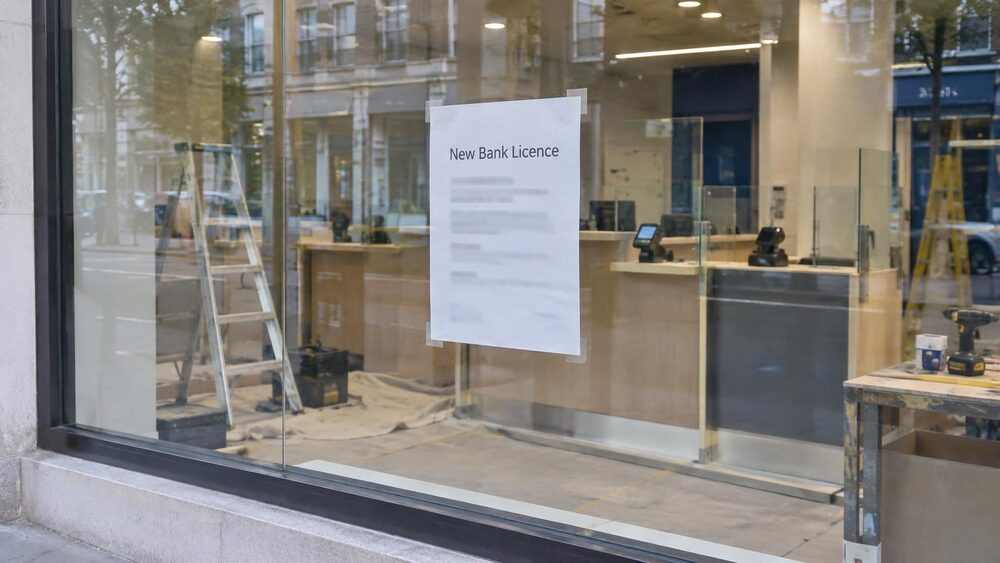
Revolut has secured a UK banking licence subject to restrictions, more than three years after it applied in January 20211. The fintech must now complete a period known as mobilisation before it can operate as a fully fledged bank1.
During mobilisation, which can take up to a year, Revolut can hold no more than £50,000 of customer deposits in total and must work with the regulators to complete the expansion of its banking operations1. It therefore continues to operate as an e-money institution (EMI) and continues to protect UK customers' money through safeguarding, where funds are ring-fenced with a third party1. Which? describes mobilisation as "a standard process and one completed by other fintechs such as Monzo and Starling"1.
Once it holds a full licence, Revolut will be able to hold deposits directly and offer its nine million UK customers lending products such as overdrafts, credit cards and mortgages1. Customers would also benefit from the Financial Services Compensation Scheme, which protects up to £85,000 if a firm goes bust1. Which? reports that Revolut announced group revenues of more than $2.2bn and record profits before tax of $545m for 20231.
The licence was granted against a background of concern about fraud handling. Which? says a deluge of Revolut fraud complaints reached the Financial Ombudsman Service in 2023, outstripping all other banks and e-money firms, and that it warned earlier this year about account takeover attacks on Revolut business customers, none of whom were reimbursed despite having their accounts drained in minutes1. Revolut told Which?:
"Revolut takes fraud and the industry-wide risk of customers being coerced by organised criminals, incredibly seriously. We have robust protections in place for our millions of customers and analyse over half a billion transactions a month."
Revolut added that in 2023 it cut the number of fraudulent transactions in the UK through Revolut by over 20%, and prevented over £475m of potential fraud losses to its customers globally, despite more than a million new customers joining every month1.
Why it matters for households
For existing Revolut customers, nothing changes immediately1. Money held with the firm is still protected through safeguarding rather than through the Financial Services Compensation Scheme, because it remains an e-money institution during mobilisation1. The £85,000 FSCS protection, which applies if a firm goes bust, would only follow a full licence1. The £50,000 cap on total customer deposits during mobilisation means the firm cannot take meaningful deposits in the meantime1. Which? says it does not currently recommend putting significant sums in a Revolut account, citing its handling of fraud1. Sam Richardson, deputy editor of Which? Money, said the licence would have some benefits for customers, including FSCS protection up to £85,000, but that the company needs to show how it will improve its approach to stamping out fraud and protecting customers' money1. He also said regulators have issued the licence subject to restrictions and must continue to monitor Revolut particularly carefully1.
What happens next
Revolut must work with the regulators through mobilisation, which can take up to a year, before it can operate as a fully fledged bank1. Which? reports that the government must support the full implementation of the Payment System Regulator's new reimbursement rules as planned in October1. It has not been reported when the mobilisation period will end.
More on Revolut, how UK banks and building societies are authorised and regulated and banking licences and the brands that share them.

 FSCSProtects your money if a bank, insurer or investment firm fails
 Financial Ombudsman ServiceFree, independent help when a complaint about a firm is not put right
 MoneyHelperFree, impartial money and pensions guidance, set up by government
 Citizens AdviceFree advice on money, consumer and legal problems in England and Wales