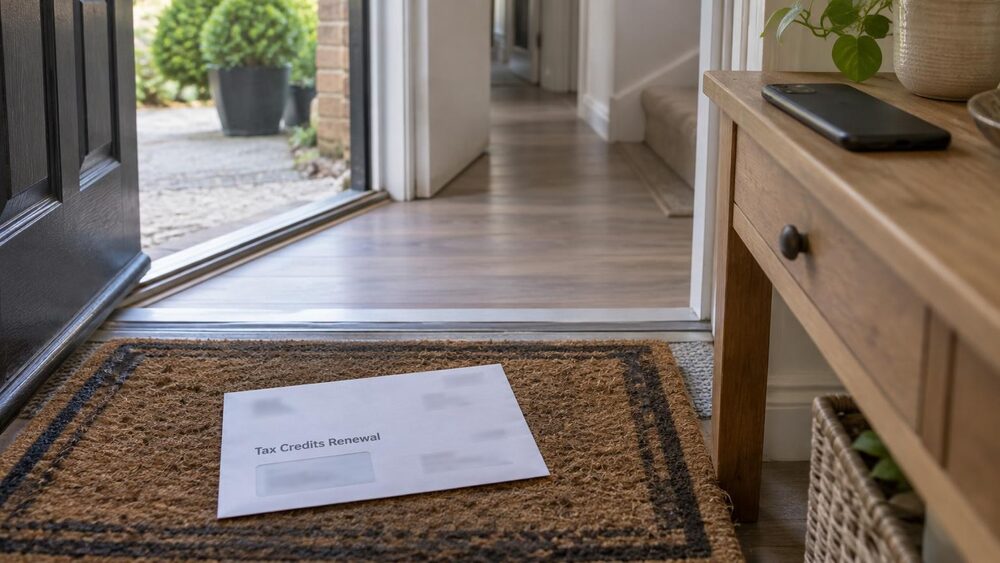
HM Revenue and Customs issued an alert on 30 May 2023 about scams targeting tax credits customers who are renewing their claims before the 31 July deadline1. The department said it was warning around 1.5 million tax credits customers to be alert to scams that mimic government communications to make them appear genuine1.
HMRC said criminals use deadlines, including the tax credits renewal deadline on 31 July, to target victims1. It listed typical examples: emails or texts claiming a person's details are not up to date and that they risk losing payments due to them; emails or texts claiming a direct debit payment has not gone through; phone calls threatening arrest if people do not immediately pay fake tax owed; claims that the victim's national insurance number has been used in fraud; and emails or texts offering spurious tax rebates or bogus grants or support1.
"Tax scams come in many forms and we're urging customers to be alert to the tactics used by fraudsters and never to let yourselves be rushed."
HMRC said it will never ring anyone out of the blue making threats or asking them to transfer money1. It also warned people not to share their HMRC login details, saying someone using these could steal from the account owner or make a fraudulent claim in their name, leaving customers to pay back the full value of any fraudulent repayment claim made on their behalf1.
According to the National Cyber Security Centre, HMRC was the third most spoofed government body in 2022, behind the NHS and TV Licensing1. In the year to April 2023, HMRC said it responded to 170,234 referrals of suspicious contact from the public, of which 68,437 offered bogus tax rebates; worked with the telecoms industry and Ofcom to remove 212 phone numbers used for HMRC-related phone scams; responded to 58,186 reports of phone scams in total, against 425 in April 2020; and reported 26,922 malicious web pages for takedown1.
| Reported by HMRC, year to April 2023 | Figure |
|---|---|
| Referrals of suspicious contact from the public | 170,234 |
| Of those, offering bogus tax rebates | 68,437 |
| Phone numbers removed with telecoms industry and Ofcom | 212 |
| Reports of phone scams in total | 58,186 |
| Malicious web pages reported for takedown | 26,922 |
HMRC said it is sending out tax credits renewal packs and reminded anyone who has not received theirs to wait until after 15 June before contacting HMRC1. Renewals can be made free via GOV.UK or the HMRC app1. HMRC also urged customers to be alert to misleading websites or adverts asking them to pay for government services that are free, often by charging for a connection to HMRC helplines1.
Why it matters for households
Around 1.5 million households receiving tax credits face the 31 July renewal deadline, and HMRC says scammers use that deadline to press people into handing over money or personal information1. The scams reported include messages about missing payments, failed direct debits, fake tax owed, national insurance numbers used in fraud, and bogus rebates or grants1. HMRC says it will never call out of the blue with threats or ask for a money transfer, and that login details should not be shared, because a fraudulent repayment claim made in someone's name can leave them having to repay its full value1. Separately, tax credits are due to be replaced by Universal Credit by the end of 2024; customers will get a letter from the Department for Work and Pensions telling them when to claim, and their tax credits will end even if they decide not to claim Universal Credit1. HMRC's advice on fake HMRC calls, texts and emails includes forwarding suspicious texts to 60599 or emails to phishing@hmrc.gov.uk, and contacting your bank immediately if money has been stolen and reporting it to Action Fraud, or in Scotland contacting the police on 1011. Our guide on how to tell if an HMRC text, email or call is genuine sets out the checks HMRC itself points to.
What happens next
Tax credits customers who have not received a renewal pack are asked to wait until after 15 June before contacting HMRC1. The renewal deadline is 31 July1. Tax credits are to be replaced by Universal Credit by the end of 2024, with the DWP writing to customers with a claim deadline1.
 FCA Warning ListCheck whether a firm is authorised before you deal with it
 Financial Ombudsman ServiceFree, independent help when a complaint about a firm is not put right
 Citizens AdviceFree advice on money, consumer and legal problems in England and Wales
 MoneyHelperFree, impartial money and pensions guidance, set up by government