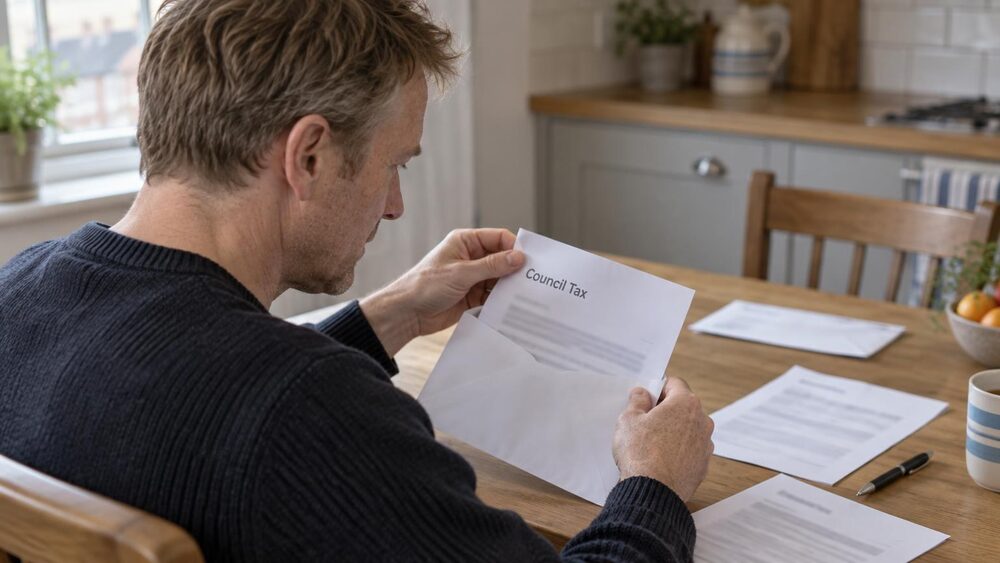
Most councils in Scotland increased council tax bills by at least 5% for 2023-24, according to data reported on 17 April 20231. Bills in Glasgow and Edinburgh rose by 5%, while rates in the Orkney Islands increased by 10%1. Unlike England and Wales, Scotland set no cap on rate increases for the year1.
The figures emerged alongside a joint Scottish government and Convention of Scottish Local Authorities (Cosla) consultation, launched on 17 April 2023, on giving local authorities the power to charge up to double the full rate of council tax on second homes from April 20241. Councils can already charge extra tax on long-term empty properties, and the proposal would extend those powers to properties such as holiday homes, including those in regular use by their owners1. Government statistics show there were almost 70,000 second homes and empty properties in Scotland in 20221.
The 12-week consultation also asks whether rates on second and empty properties could be raised by more than double beyond next year, and seeks views on changing the definition of when a self-catered property becomes liable for non-domestic business rates. Currently that applies where a property is let for a total of 70 nights and available to let for 140 nights in a financial year1.
First Minister Humza Yousaf set out the proposal at the Scottish Trades Union Congress1:
"By recognising the important role councils have in considering local needs, these proposals aim to strike a balance between good housing supply and helping communities to thrive and benefit from tourism."
He added that all responses would be "carefully considered" before legislation is introduced to the Scottish Parliament, and no date for that has been announced1.
Council tax generates about 13% of local government funding in Scotland, with most council cash coming from the Scottish government1. The reported rises follow pressure on council budgets from inflation and the cost of living1.
Why it matters for households
Households in Scotland saw higher bills from April 2023, with the size of the increase depending on where they live: 5% in Glasgow and Edinburgh and 10% in the Orkney Islands, with most councils at 5% or more1. Because Scotland set no cap, there was no national ceiling limiting what councils could charge for 2023-241. Council tax bands in Scotland are based on what a property would have been worth in April 19911.
For owners of second homes, the change is a proposal rather than a current charge. If approved, councils would be able to charge up to double the full rate from April 2024, and the consultation also asks whether increases beyond double should be possible after that1. The consultation covers second homes and empty properties, and separately asks about the letting thresholds at which self-catered accommodation falls under non-domestic business rates rather than council tax1.
What happens next
The consultation runs for 12 weeks from 17 April 20231. Responses will be considered before legislation is introduced to the Scottish Parliament, and a date for that has not been announced1.
 GOV.UKOfficial information on tax, benefits and government services
 MoneyHelperFree, impartial money and pensions guidance, set up by government
 Citizens AdviceFree advice on money, consumer and legal problems in England and Wales
 Turn2usFree benefits calculator and grants search from a charity
 Citizens Advice ScotlandFree advice across Scotland