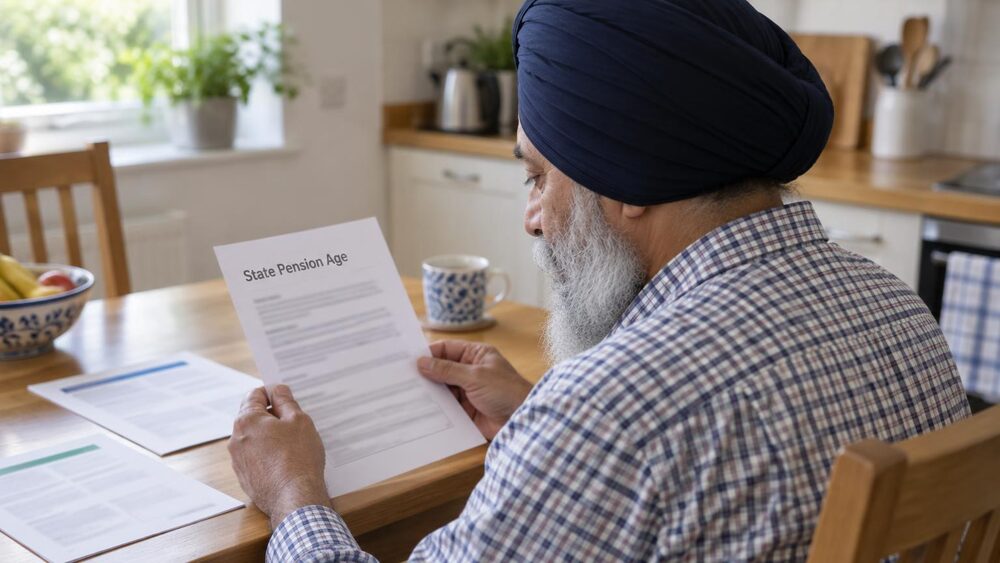
The government has shelved plans to bring the state pension age to 68 sooner than planned, according to Which?1. The latest review of the state pension age confirmed that the rise to 67 between 2026 and 2028 will take place as planned, and that another review will be carried out within two years of the next Parliament to reconsider the rise to 681.
The state pension age is currently 66 for both men and women1. Between 2026 and 2028 it will gradually rise to 67 for those born on or after April 1960, with another gradual rise to 68 between 2044 and 2046 for those born in or after 19771. The Pensions Act 2014 requires the Secretary of State for Work and Pensions to regularly review the state pension age, informed by life expectancy data, the economic position and labour market, and the latest demographic trends1. The government added it was committed to the principle of providing people with 10 years' notice of changes to the state pension1.
The shelving of the earlier rise to 68 was reported in March 20231. Which? states that the next review means the issue can be expected to be looked at again in 20261.
Separately, the International Longevity Centre's Healthy Ageing and Prevention Index claimed the retirement age may need to rise to 71 by 2050 for middle-aged workers across the UK1. Its analysis found that at a pension age of 65, a ratio of 20% equates to five workers per one retiree, but the UK and at least 20 other countries are on track for a ratio of 50% by 2050, meaning just one worker per one retiree1. The report claimed poor health is one of the key reasons workers leave the workforce before reaching state pension age, and that by the age of 70, only 50% of adults are disability-free and able to work1.
In response to the report, a Department for Work and Pensions spokesperson said1:
"The over-50s are an asset to our economy which is why we committed £70 million in employment and skills support for them at last year's Spring Budget. This investment is already paying off with an extra 54,000 over-50s added to company payrolls in the last year."
The spokesperson added that the £2.5 billion Back to Work plan is supporting people to stay fit and find work, in addition to £14.1 billion to improve health services1.
Why it matters for households
The state pension age determines when someone can access their State Pension, which may make up a large part of retirement income1. The confirmed rise to 67 between 2026 and 2028 affects those born on or after April 19601. The rise to 68 between 2044 and 2046 affects those born in or after 19771. No change to the 68 timetable has been announced beyond the commitment to review it again within two years of the next Parliament1.
Which? reports that pension experts broadly agreed raising the state pension age would be a shock for many, and that Pension Bee described it as an "alarming prospect" that could lead to a greater pre-state pension gap, where people use private pensions to support them for longer before receiving their state pension1. Becky O'Connor, director of public affairs at Pension Bee, said there is a risk people could use up too much of their private pension savings early in retirement if they had to stop work before state pension age, possibly leading to greater poverty in later old age1. Aegon urged political parties to detail their state pension plans ahead of the next general election1.
Which?'s cost-of-retirement survey found a household of two needs an income of at least £28,000 a year for a "comfortable" retirement, and it estimates £115,000 to £131,000 would be needed in private pensions to generate that income1. It also notes that people can check their State Pension forecast, which shows an estimate of how much State Pension they could get and their qualifying years of National Insurance contributions1.
What happens next
The latest review confirmed the rise to 67 between 2026 and 2028 will take place as planned, and that another review will be carried out within two years of the next Parliament to reconsider the rise to 681. Which? states this means the issue can be expected to be looked at again in 20261.
Sources1 cited
- Will the state pension age rise to 71? - Which? which.co.uk
 Pension WiseFree guidance on your options for a defined contribution pension, from age 50
 FSCSProtects your money if a bank, insurer or investment firm fails
 GOV.UKOfficial information on tax, benefits and government services